
Access a curated directory of premier medical facilities and specialists across Indonesia. From international-standard hospitals to trusted clinics, ensure your family’s well-being with confidence and ease.
View All Directories ›
View All Directories ›
View All Articles ›
The quality of medical care in Jakarta is one of the first concerns raised by expatriates and families preparing to move to Indonesia. People often search for the best hospitals in Jakarta, English-speaking doctors, international medical clinics, emergency medical care and whether Jakarta’s healthcare system will be able to meet their family’s needs.
The medical situation in Jakarta is more developed than many people expect. The city has modern private hospitals, specialist medical centres, international clinics, maternity hospitals, fertility clinics, dental practices, diagnostic laboratories and home nursing services.
There are also some extremely talented and highly qualified doctors in Jakarta. Many Indonesian doctors and specialists have studied or completed part of their medical training overseas. However, the standard of facilities, communication and patient care can vary considerably between healthcare providers.
For this reason, expatriates normally use private hospitals and clinics rather than depending primarily on Indonesia’s public healthcare system. Those relocating to Jakarta through an international company will most likely have private health insurance provided by their employer. This generally gives them access to some of the best medical facilities available in the city.
Jakarta has both public and private healthcare facilities. Public hospitals provide essential medical services to a very large population, but they can be crowded, waiting times may be longer and English may not always be widely spoken.
Private hospitals in Jakarta generally provide a more comfortable and familiar experience for international patients. Many have modern diagnostic equipment, private inpatient rooms, specialist departments, pharmacies, laboratories, emergency units and staff who can communicate in English.
Some private hospitals also have international patient departments that help foreign patients arrange appointments, communicate with medical staff and coordinate insurance approval.
The experience can still feel different from receiving medical treatment in your home country. Administrative procedures may be unfamiliar, communication between departments may not always be seamless and patients may need to take a more active role in keeping copies of their medical records, test results, prescriptions and scans.
However, for routine medical care, health screening, diagnostic testing, maternity care and many specialist consultations, expatriates can usually find suitable medical services in Jakarta.
There is no single best hospital in Jakarta for every medical condition. Some hospitals are particularly well regarded for maternity care, while others have specialist centres for cardiology, orthopaedics, oncology, neurology, paediatrics, fertility treatment or surgery.
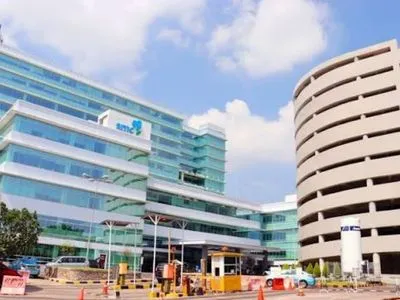
Private hospitals commonly used by expatriates include RS Pondok Indah, Siloam Hospitals, Mayapada Hospital, Abdi Waluyo Hospital, Medistra Hospital and RS Bunda Jakarta. Other hospitals may be recommended depending on the patient’s location, insurance provider and medical condition.
RS Pondok Indah, for example, has specialist centres for cardiology, orthopaedics, spinal conditions, digestive and liver health, obstetrics and gynaecology, fertility treatment and other medical needs.
Abdi Waluyo Hospital in Central Jakarta is another private hospital providing specialist and diagnostic services. It also offers home healthcare services for patients who need certain forms of medical care at home.
The hospital preferred by one expatriate family may not necessarily be the right choice for another. Traffic, location, the required specialist, insurance arrangements and the urgency of the situation can all influence where a patient should go.
We recommend identifying suitable hospitals close to both your home and workplace before a medical emergency occurs. In Jakarta, a hospital with an excellent reputation may not be the most practical option if it takes several hours to reach during heavy traffic.
Some expatriates prefer to begin with an international medical clinic, especially for routine consultations, vaccinations, minor illnesses, medical examinations and advice about where to obtain specialist treatment.
SOS Medika Cipete is open 24 hours and provides family doctors, emergency stabilisation, ambulance services, diagnostic services and access to specialist support. English and several other languages are spoken at the clinic.
SOS Medika also operates a clinic in Kuningan, which can be convenient for people working or living around Mega Kuningan and Jakarta’s central business districts.
Global Doctor Indonesia is also operating in South Jakarta and provides family medicine, health checks, laboratory and pharmacy services, vaccinations, medical evacuation support and other services. Its regular clinic is open on weekdays, while its alarm and managed-care assistance services are available 24 hours.
Other medical clinics used by expatriates include Good Practice Clinic. The United States Embassy’s medical assistance information also provides details of medical providers in Jakarta that may be useful to foreign residents.
Many private and international clinics are willing to introduce new residents to their facilities, although arrangements vary. We recommend contacting the clinic and asking whether you can visit, meet the staff and register your family shortly after arriving in Jakarta.
Registering in advance means the clinic already has your family’s contact information, medical history, insurance details and emergency contacts. This can save valuable time and reduce stress when you are unwell or trying to manage a sick child. It is much easier to complete registration paperwork and understand the clinic’s procedures when everyone is feeling well.
During the visit, ask about opening hours, after-hours assistance, emergency services, ambulance arrangements, laboratory facilities, prescription medication and insurance billing. You should also confirm what to do if the clinic cannot provide the treatment required and which hospitals it normally recommends.
International clinics can provide a familiar starting point for people who are unsure how to navigate healthcare in Jakarta. They may also help arrange referrals, further testing, hospital admission or medical evacuation when required.
Finding an English-speaking doctor in Jakarta is generally not difficult at international clinics and larger private hospitals. Many specialists speak very good English, particularly those who have studied or completed part of their training overseas.
English also plays an important role in medical education and professional development. Indonesian medical students and doctors frequently need English to read international medical journals, research papers and reference material and to participate in international conferences and training. However, it would not be accurate to assume that every Indonesian doctor is fluent in English simply because medical information is often published in English.
The level of English spoken by doctors, nurses, receptionists and administrative staff can vary. International clinics and private hospitals accustomed to foreign patients are more likely to have medical staff who can explain conditions and treatment in English.
Important information may still need to be repeated or clarified, particularly when arranging tests, discussing medication or dealing with insurance approval. Whenever possible, ask for written instructions about prescriptions, follow-up appointments and preparation for medical procedures.
Keep copies of laboratory reports, radiology results and discharge summaries rather than assuming that every healthcare provider will be able to access the same medical records.
If you are unsure that you have understood the doctor’s explanation, ask the doctor to repeat it or explain it in a different way. This is particularly important when discussing surgery, anaesthesia, serious diagnoses or medication for children.
One advantage of using private healthcare in Jakarta is that patients can often make an appointment directly with a specialist without first visiting a general practitioner.
If you already know that you need to see a dermatologist, cardiologist, orthopaedic surgeon, gynaecologist, paediatrician or another type of specialist, you can usually contact a private hospital and request an appointment.
This can make specialist medical care in Jakarta relatively accessible. Many private hospitals publish their doctors’ schedules online and allow patients to arrange appointments through a call centre, website or WhatsApp.
However, your insurance company may have its own referral or pre-authorisation requirements. Even if the hospital allows you to contact a specialist directly, your policy may require approval before it will pay for the consultation, diagnostic tests or treatment.
Before making an appointment, check whether the doctor and hospital are within your insurer’s approved network and whether a referral or guarantee of payment is required.
Most expatriates moving to Jakarta for an international assignment will have private medical insurance arranged by their employer. This is important because treatment at Jakarta’s leading private hospitals can be expensive, particularly when surgery, hospital admission or extensive diagnostic testing is required.
Before relocating, expatriates should understand exactly what their international health insurance covers. The policy should be checked for outpatient treatment, hospital admission, emergency care, dental treatment, maternity care, mental health services, medication, home nursing and medical evacuation.
It is also important to determine whether the insurance company has a direct billing arrangement with the hospitals and clinics you are likely to use.
Direct billing means that the hospital coordinates eligible costs directly with the insurance company. Without direct billing or a guarantee of payment, a hospital may require the patient to pay a deposit or settle the bill and claim reimbursement afterwards.
Keep your insurance card, policy number and insurer’s emergency contact details readily available. Family members, drivers and household staff should know where this information is kept.
Parents should also confirm whether newborn care is automatically included. Maternity insurance does not always mean that every cost associated with the baby will be covered, particularly if the newborn requires specialist treatment or neonatal intensive care.
Private hospitals in Jakarta generally have emergency departments, but the level of emergency care and specialist availability varies between facilities.
Indonesia’s national medical emergency number is 119, which connects callers with the country’s medical emergency response system. The Ministry of Health also provides access to emergency medical assistance through the SATUSEHAT Mobile application. Nevertheless, expatriate families may prefer to contact their hospital, international clinic or insurance assistance provider directly, particularly if their policy includes a private ambulance service.
Traffic is an important factor during any medical emergency in Jakarta. An ambulance can also become caught in congestion, so it is useful to know the location and telephone number of the nearest suitable emergency department rather than automatically trying to reach a hospital on the other side of the city.
Save the emergency numbers for your preferred hospital, insurance provider and ambulance service in every family member’s phone. If you have a driver, nanny or other household employee, make sure they know which hospital you prefer and what they should do in an emergency.
For a serious accident, stroke symptoms, chest pain, severe breathing difficulty or another life-threatening condition, go to the nearest appropriate emergency department rather than waiting for a preferred doctor to become available.
Although Jakarta has talented doctors and increasingly advanced medical facilities, some expatriates still choose to travel to Singapore, Kuala Lumpur or their home country for complex surgery, certain cancer treatments, complicated neurological conditions or another major medical issue.
This decision may be based on the required treatment, the patient’s confidence in the local facility, the availability of a particular specialist or the family’s insurance coverage.
Medical evacuation is particularly important for expatriates working in remote parts of Indonesia, including employees based at mining operations, drilling sites, plantations, offshore facilities and residential work camps. The nearest suitable hospital may be several hours away and may not have the equipment or specialists needed to manage a serious injury or illness.
Anyone accepting an assignment at a remote location should ask the employer to explain exactly how a medical emergency would be handled. Employees should understand what medical staff and equipment are available at the site, how they would be transported to the nearest hospital, whether evacuation would be by road, helicopter or fixed-wing aircraft, and who has the authority to approve an evacuation.
They should also ask how long an evacuation is expected to take, which hospital would receive them and what would happen if weather, distance or local transport conditions prevented an immediate transfer. The employee’s spouse or family should also know who to contact and how they would be informed if an emergency occurred.
Companies operating in remote areas may provide an onsite clinic, medical personnel, emergency stabilisation and evacuation arrangements. Global Doctor Indonesia, for example, provides medical staffing and site-clinic management in remote locations in Sumatra, Kalimantan and other parts of Indonesia.
International health insurance for expatriates often includes medical evacuation, but the conditions vary. Some policies will only approve evacuation when the required treatment is considered unavailable locally. Others may cover regional treatment but not allow the patient to choose any hospital or country they prefer.
Medical evacuation normally requires the approval and coordination of the employer, insurance company or medical assistance provider. It should not be assumed that an overseas flight or treatment will automatically be reimbursed.
Before moving to Jakarta or accepting a remote-site assignment in Indonesia, check whether your policy includes emergency medical evacuation, repatriation and treatment in nearby countries. It is much easier to understand these arrangements before a medical emergency occurs.
Many expatriate women have their babies in Jakarta. The city has experienced obstetricians, maternity hospitals, paediatricians, neonatal care and private rooms designed for childbirth and recovery.
Hospitals such as RS Bunda Jakarta, RS Pondok Indah, Mayapada and other private maternity hospitals provide antenatal care, ultrasound examinations, laboratory testing, normal delivery and Caesarean delivery.
Choosing where to give birth in Jakarta is a personal decision. Parents should consider the obstetrician, hospital facilities, neonatal support, location, language, insurance coverage and the hospital’s approach to labour and delivery.
Ask whether the hospital provides epidural anaesthesia, neonatal intensive care, lactation support, rooming-in, birth partners, prenatal classes and emergency obstetric care. Parents should also discuss the doctor’s approach to normal delivery and Caesarean sections rather than assuming that childbirth practices will be identical to those in their home country.
Maternity coverage should be confirmed before pregnancy whenever possible. International insurance policies frequently have waiting periods, restrictions or separate limits for prenatal care, delivery and treatment of the newborn.
Families should also understand the administrative requirements following the birth of a foreign child in Indonesia, including obtaining the Indonesian birth documentation needed to apply for the baby’s passport and immigration status.
IVF treatment is available in Jakarta, together with fertility testing, artificial insemination and other assisted reproductive services.
RS Pondok Indah IVF Centre provides fertility consultations, in vitro fertilisation and artificial insemination. Morula IVF Jakarta and other fertility clinics also provide fertility assessment and assisted reproductive treatment.
Indonesia’s first IVF procedure was performed in Jakarta in 1987, and fertility services have continued to develop since then. Jakarta now has specialist fertility doctors, embryology laboratories and clinics offering a range of pregnancy programmes.
Prospective patients should ask about the qualifications of the doctors and embryology team, laboratory accreditation, treatment process, medication costs and how success rates are calculated. IVF success depends on many factors, including age, diagnosis and medical history, so a clinic’s advertised success rate should not be considered a guarantee.
International health insurance does not always cover fertility testing or IVF treatment. Patients should check their policy carefully and request a complete written estimate from the clinic.
Private nursing and home healthcare services are available throughout Jakarta. Compared with the cost of similar support in many Western countries, employing a private nurse or caregiver can be relatively affordable.
A private nurse may assist someone recovering from surgery, an elderly person who requires daily support or a patient managing a long-term illness. Home healthcare can include wound care, medication management, injections, rehabilitation support, catheter care, monitoring of vital signs and palliative care.
Some Jakarta hospitals operate their own home-care services, while independent nursing agencies provide visiting nurses, shift-based care and live-in assistance.
Families should distinguish between a qualified nurse and a general caregiver. A caregiver may be appropriate for companionship and daily personal assistance, but medical procedures should be performed by someone with the necessary nursing qualifications and experience.
Before employing a private nurse in Jakarta, verify the person’s training, references, experience and ability to communicate with the patient and treating doctor. If the patient is being discharged from hospital, ask the hospital to provide clear written instructions and help determine the appropriate level of home support.
Insurance coverage for private nursing varies. Some international policies cover medically necessary nursing at home when it has been prescribed by a doctor, while others exclude long-term care or general caregiving.
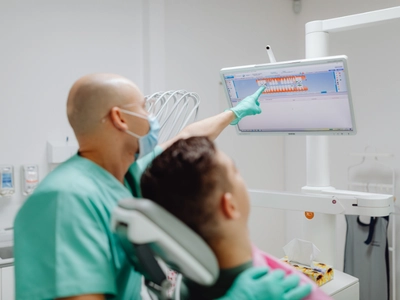
Good dental care is available in Jakarta, including general dentistry, orthodontics, root canal treatment, implants, oral surgery and cosmetic dentistry.
Many private dental clinics have English-speaking dentists, and some dentists have trained overseas. As with medical care, standards and prices vary, so recommendations from other expatriates, international clinics or your insurance provider can be useful.
International-standard dental treatment in Jakarta is not always inexpensive. Complicated treatment can still represent a significant expense, and dental coverage is often separate from general health insurance.
Before beginning major dental work, request a written treatment plan and cost estimate. If the procedure involves implants, crowns or several appointments, ask what will happen if you leave Indonesia before the treatment is completed.
Pharmacies are widely available across Jakarta, including independent chemists and large chains located in shopping malls, hospitals and residential areas.
Some medicines that require a prescription in other countries may be easier to purchase in Indonesia. However, this does not mean that self-medication is advisable. Brand names may be different, dosage strengths may vary and a familiar medicine may contain different ingredients.
When moving to Jakarta, bring a written record of any regular medication, including the generic name, dosage and reason it was prescribed. Do not rely only on the brand name used in your home country.
If you need to bring prescription medication into Indonesia, carry it in its original packaging together with a copy of the prescription or a letter from your doctor. Families using specialised or less common medication should check availability before relocating.
The health risks facing most expatriates in Jakarta are manageable with sensible precautions.
Stomach infections can occur through contaminated food or water. Many residents drink bottled or properly filtered water and are cautious about food storage, hygiene and eating food that has been left at room temperature.
Dengue fever is present in Jakarta and is transmitted by mosquitoes. There is no need to become overly anxious, but mosquito repellent and measures to prevent mosquitoes breeding around the home are important. Persistent fever, severe headache, pain behind the eyes or unusual weakness should be medically assessed.
Malaria is not generally considered prevalent in Jakarta, although the situation may be different when travelling to remote parts of Indonesia. Anyone travelling outside the capital should ask a doctor whether additional precautions are recommended.
Jakarta’s air pollution can affect people with asthma, allergies and other respiratory conditions. Families with existing respiratory problems should discuss medication and an action plan with their doctor.
Vaccination advice should be obtained before moving to Indonesia. Recommendations will depend on age, medical history, length of stay and travel plans outside Jakarta.
The medical situation in Jakarta should not prevent a family from feeling confident about relocating. Good private healthcare, experienced doctors, specialist treatment, maternity services, fertility programmes, dental care and private nursing are all available.
However, the system is easier to manage when families prepare in advance.
Before arriving, understand your insurance coverage and confirm how direct billing and medical evacuation work. After choosing your home, identify a nearby clinic, preferred private hospital and emergency department. Keep electronic and printed copies of important medical records, prescriptions, allergy information and insurance details.
Most importantly, do not wait until someone becomes seriously ill before learning how to access medical care in Jakarta.
Jakarta may not provide exactly the same medical experience as your home country, but expatriates with good private health insurance will normally have access to the city’s best available facilities and many highly capable doctors. Knowing where to go, how your insurance works and when overseas treatment may be appropriate will make it much easier to manage your family’s healthcare while living in Jakarta.
This article provides general information about healthcare in Jakarta and should not replace advice from a qualified medical professional or your insurance provider.

e.g., KITAS, housing, schools, healthcare, transport and daily life in Indonesia