From dengue fever to masuk angin, discover what expat families really need to know about health tips to staying healthy, finding medicine, and getting care in Indonesia.
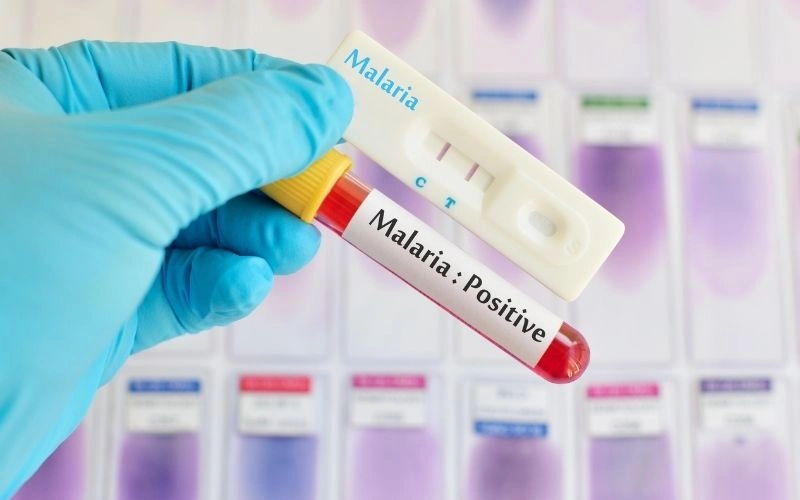
Health concerns in Jakarta can feel unfamiliar when you first arrive, but most expatriates find that a little preparation makes everyday health care much easier to manage. This collection explains the health problems in Indonesia that foreign residents and international families most often ask about, without suggesting that every risk applies equally everywhere. You can learn about dengue fever and chikungunya, food- and water-borne illness, typhoid, rabies, Jakarta’s air quality and the very different malaria considerations that may apply when travelling beyond major urban areas. The articles also explain when symptoms deserve prompt medical attention and offer sensible precautions for living in a tropical climate.
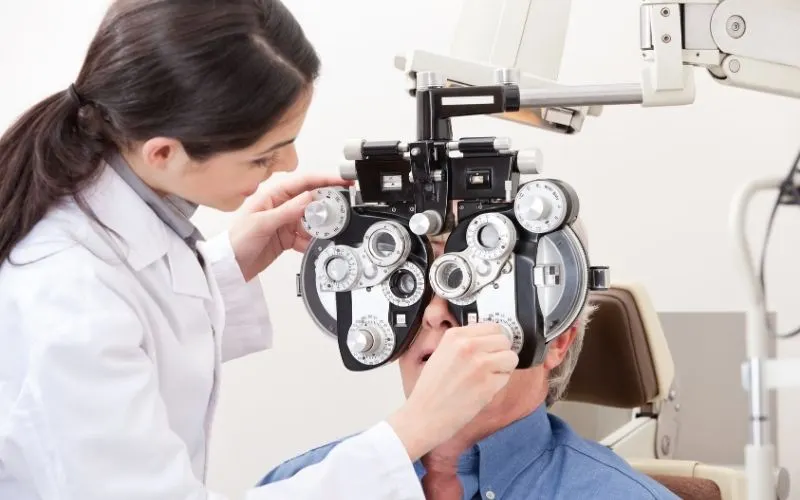
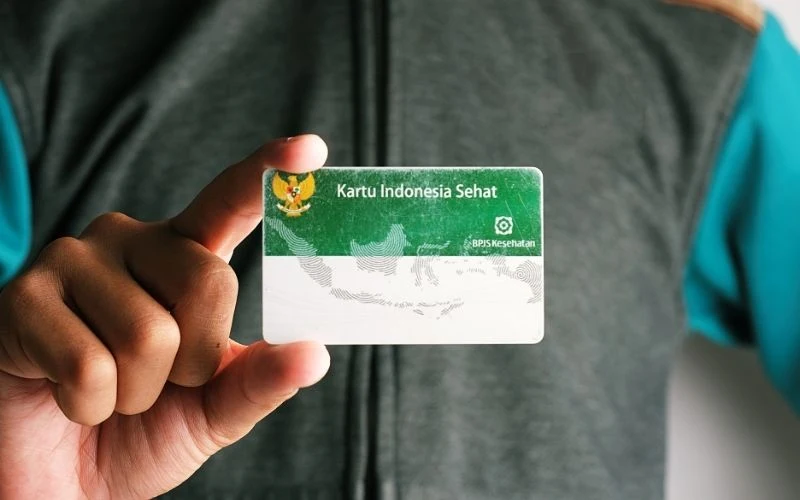
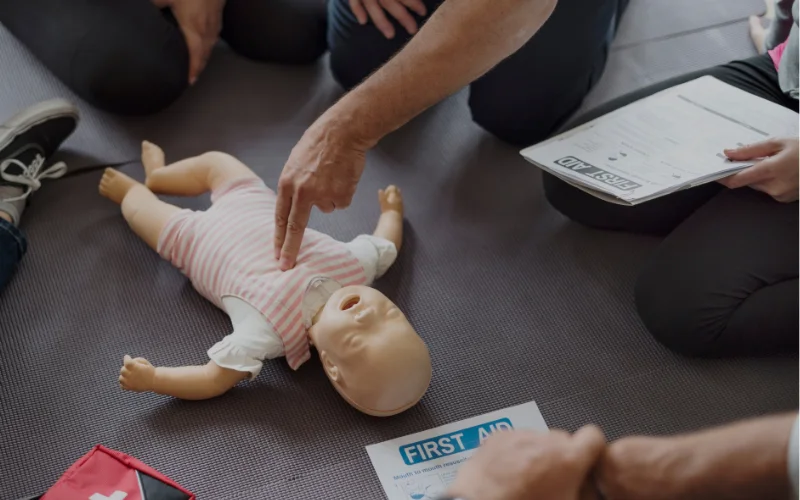
Staying healthy also means knowing how to obtain care when you need it. Our practical guides cover medical insurance and BPJS, private clinics, pharmacies—or apotek—and how to obtain prescription and over-the-counter medicine in Indonesia, where familiar brands may have different names. You will also find information on mental health, eye and dental care, physiotherapy, fertility treatment, first-aid training and medical evacuation. We even look at masuk angin, a widely used Indonesian expression for feeling unwell, so newcomers can better understand what Indonesian friends, colleagues or household staff may mean when they use the term. Whether you live in Jakarta, Bali, Surabaya or elsewhere in the country, explore the articles below to understand the local context, prepare useful questions for a doctor or insurer, and make informed decisions for yourself and your family.