

Tattoos — both temporary and permanent — are increasingly part of life in Indonesia, particularly in tourist and expat hubs like Bali, Jakarta, Lombok and Yogyakarta. Whether you are considering a holiday henna design, a souvenir tattoo from one of Bali’s famous studios, or simply want to understand the health risks before making a decision, this article covers what you need to know.
Temporary Tattoos and Black Henna
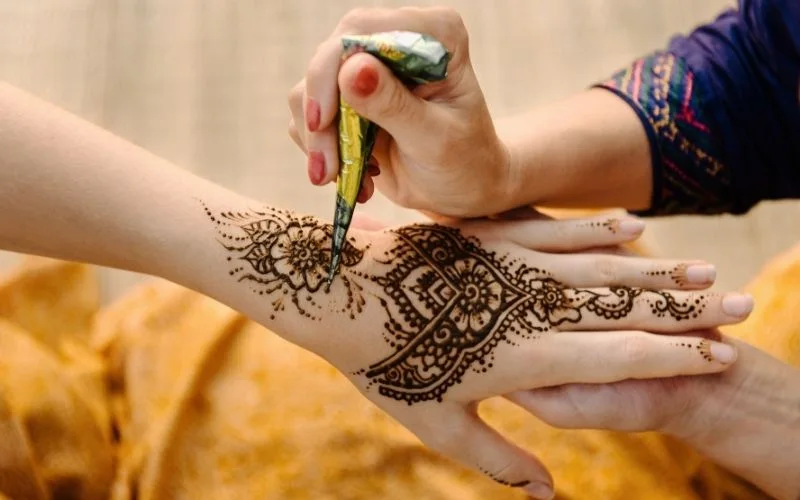
A number of travellers in Indonesia have enjoyed the exotic creations of temporary tattoo artists, who can be found on nearly every main street of holiday hotspots as well as school fairs and other public gatherings.
The main ingredient used for these temporary tattoos and/or Mehndi (the traditional art of henna painting in India and the Middle East) is henna. Pure, natural henna provides a chocolate brown or deep mahogany red stain on the hands and feet. On other parts of the body, the stain can be tea-coloured, with shades varying depending on the individual and other factors such as skin colour. Henna’s dye component, hennotannic acid, does not pass through into the living cell layer (dermis) of the skin, but only stains the dead cells of the epidermis. Though it usually takes many hours to get a good stain on the skin, henna is relatively safe as allergic reactions and irritation are very rare. To make the dye, henna leaves are dried, finely ground and then filtered; the resulting fine powder is mixed with a plant oil such as eucalyptus or other liquids (lemon, water, or tea) to make a thick paste. The mixture may sometimes appear to be black when wet and freshly applied to the skin, but on closer inspection is unlikely to be so.
However, henna is not black. Most “black henna” is natural henna adulterated with a toxic chemical dye to change its colour and speed up the dyeing process. More and more people are having skin reactions to this “black henna” due to the toxic dye used, known as para-phenylenediamine (PPD). When used by itself, PPD stains skin a very dark black within two hours that easily lasts up to two weeks. PPD penetrates deep into the skin, bypassing the dermis and entering the bloodstream; this is only one of the dangers associated with its use.
While there are a few “black henna” products that use safer colorants than PPD, most “black henna” contains PPD. Individuals should always check the ingredients list of any “black henna” product to make an informed decision.
PPD can cause delayed hypersensitivity reactions on the skin where the mixture was applied. Sometimes the reaction is mild, with a raised, itchy area in the vicinity of application. More severe reactions include pustules, blisters, oozing sores, intense itching, and often leave long-term scars. The onset of symptoms generally begins from one day to three weeks after application. Blisters may appear while the black stain is still visible or afterwards. If someone experiences a hypersensitivity reaction to “black henna”, it will grow more severe with each subsequent exposure.
Do not bother patch testing a particular mixture, because reactions can occur up to six weeks after exposure. Even if there is no visible reaction to a mixture, PPD is still a transdermal toxin and could be harming your internal organs.
Although rare, severe cases of immediate hypersensitivity to PPD have been described where victims developed severe oedema (swelling), irritation of the eyes and face, and difficulty breathing.
PPD scarring may be permanent, and post-inflammatory hypopigmentation (scar tissue) may remain at the tattoo site in the form of the application pattern.
How to Identify Black Henna Containing PPD
“Black henna” containing PPD may be recognised through the following signs:
- If the paste is greenish and smells like spinach or a hay bale, it is probably natural henna. Reputable henna artists may add natural oils or herbs for fragrance that darken the mixture’s colour.
- If the paste is deep black or grayish, it is probably NOT natural henna and should be avoided. PPD paste is jet black.
- Ask how long it takes to stain and how long it lasts. If the answer is “just an hour or two”, you should suspect PPD content and avoid that artist. Real traditional henna must stay on your skin much longer to properly stain (usually 6 to 12 hours). Real henna patterns will be a shade of reddish brown, not black.
- Ask how long the design will last. If the answer is “a week or more” then you should strongly suspect PPD.
- Ask what colour the design will be. If the answer is “pure black”, it’s PPD. Real henna does NOT stain black. If the artist is offering “coloured henna”, ask to see a list of ingredients and decide for yourself if the product is safe for you.
- Ask to see an ingredients list. If the artist cannot supply one, or you do not like what you see, walk away. You will be glad you did.
A note on staining times: an artist using real henna will tell you that the duration of the stain on your skin varies widely depending on your individual skin type and the location chosen. The backs of hands may last about a week because of thinner skin, but thicker parts like the heels of palms and soles of feet may easily last over two weeks. A reputable henna artist will not promise a stain that lasts longer than three or four days, and they will not promise it will disappear in such a short time either. It really is very individual — two people using the same henna mixture on the palm of their hands within an hour of each other can see one design disappear in four days while the other lasts over a week.
Tattoo artists may not know how much harm they are doing, and the vendors themselves may be damaging their own health by handling PPD. If you believe that you are having a reaction to black henna, see a doctor and tell your doctor about this possible reaction. The symptoms can usually be controlled, and if caught early on, scarring may be avoided.
The US Food and Drug Administration (FDA) has issued guidance on the risks of temporary tattoos and “black henna” products. Readers are encouraged to check the FDA website for the most current consumer warnings on this topic.
Permanent Tattoos in Indonesia
Bali in particular has become one of Southeast Asia’s most prominent tattoo destinations, drawing both expats and international visitors specifically to use its studios. Areas such as Seminyak, Canggu, Kuta and Ubud now host dozens of professional tattoo studios ranging from budget walk-in shops to internationally recognised artists with years-long waiting lists. Yogyakarta and Jakarta also have well-established tattoo communities with reputable studios catering to both local and expatriate clients.
Tattoos are not illegal in Indonesia, and you will not face any legal difficulty simply for having or getting one. It is worth knowing, however, that technically in Bali the practice of tattooing is restricted to licensed practitioners — a regulation that is widely unenforced in practice but that does underline the importance of choosing an established, reputable studio rather than an informal street operator. It is also sensible to avoid tattoo designs that could be considered blasphemous or offensive to religious sensibilities, as Indonesia has laws covering public order and the incitement of religious offence that are applied broadly.
As with any tattooing anywhere in the world, the key risks are infection, allergic reaction to ink, and — most seriously — the transmission of bloodborne diseases including hepatitis B, hepatitis C, and HIV through the use of unsterilised equipment. These risks are not unique to Indonesia, but they deserve particular attention here because standards vary widely between studios, formal regulation of the tattoo industry remains limited, and not all studios operate to the same hygiene protocols.
Choosing a Reputable Studio
The following practical guidance applies whether you are in Bali, Jakarta, Lombok or anywhere else in Indonesia.
Sterilisation and equipment: A reputable studio will use single-use, pre-packaged, sterile needles that are opened in front of you and disposed of immediately after your session. Needles should never be reused between clients. Ink should be dispensed into a single-use cap for each session and never double-dipped. Ask directly — a professional studio will not be offended by the question.

Studio hygiene: The work area should be clean, surfaces should be wiped down with disinfectant between clients, and your artist should wear fresh disposable gloves throughout the procedure. If anything looks unclean or disorganised, trust your instincts and leave.
Reputation and portfolio: Bali’s better-known studios maintain active portfolios online and many have international reviews on Google and travel platforms. Taking time to research an artist before booking is always worthwhile, particularly for larger or more complex work.
Ink quality: Ask what brand of ink the studio uses. Reputable studios use professional-grade inks from established suppliers. Cheap inks of unknown origin carry a higher risk of allergic reaction and poor healing.
Aftercare in a tropical climate: Indonesia’s heat and humidity create a more challenging healing environment than temperate climates. Your artist should provide clear aftercare instructions. Keeping a fresh tattoo clean, moisturised and out of direct sun is especially important here — saltwater, pool water and prolonged sun exposure should all be avoided during the healing period, which typically takes two to four weeks for the outer skin layer and several months for full dermal healing.
Health Risks of Permanent Tattooing
Infection: Any break in the skin carries infection risk. In Indonesia’s tropical climate, infections can escalate more quickly than in cooler environments. Signs of infection — increasing redness, swelling, warmth, pus or fever — should be assessed by a doctor promptly. Do not attempt to self-treat a significantly infected tattoo.
Allergic reactions to ink: Allergic reactions to tattoo ink can occur immediately or weeks to months after the tattoo is completed. Red, yellow and white inks are historically the most common triggers, though reactions can occur with any colour. Reactions may present as persistent itching, raised or bumpy skin, or fluid-filled lesions over the tattooed area. If you have known skin sensitivities or allergies, discuss this with your artist beforehand and consider asking for a small test patch.
Bloodborne disease risk: Unsterilised needles can transmit hepatitis B, hepatitis C and HIV. The risk is entirely preventable by choosing a studio that demonstrably uses single-use sterile equipment. If you have any concerns about the equipment used during a procedure, speak to a doctor about post-exposure assessment.
MRI considerations: In rare cases, tattoo inks containing certain metallic pigments can cause discomfort or localised skin reactions during an MRI scan. This is uncommon with modern professional inks but worth mentioning to a radiologist if you have extensive tattooing and require an MRI.
Cultural and Social Considerations
Tattoos are widely accepted in Bali’s tourist and expat communities and in Indonesia’s major urban centres, particularly among younger generations. However, tattoos carry a degree of social stigma in more conservative parts of Indonesian society and in certain professional environments. Visibly tattooed individuals may encounter restrictions at some traditional religious sites, certain hotels and resort facilities — particularly Japanese-influenced onsen-style spas — and in some formal Indonesian workplaces. Those seeking employment with the Indonesian military or in government positions should be aware that tattoos may affect their eligibility. None of this should discourage anyone from making their own choices about body art, but it is useful context for expats who are new to Indonesia and navigating both social and professional life here.
Frequently Asked Questions
Is black henna safe in Indonesia?
Most “black henna” sold by street vendors and temporary tattoo artists in Indonesian tourist areas contains PPD (para-phenylenediamine), a chemical dye that can cause serious allergic reactions, blistering, scarring and long-term skin damage. Natural henna — which stains reddish-brown, not black — is considered safe for most people. If you are offered a design that stains within an hour or two, it almost certainly contains PPD and should be avoided.
What does a PPD henna reaction look like?
Reactions to PPD can range from mild itching and a raised rash to severe blistering, oozing sores and deep scarring. Symptoms may not appear until several days or even up to three weeks after application, and they tend to become more severe with each subsequent exposure. If you suspect a reaction, consult a doctor promptly.
Are tattoo studios in Bali safe?
Standards vary considerably. Bali has many reputable, professional studios — particularly in Canggu, Seminyak and Ubud — that operate to high hygiene standards and use sterile single-use equipment. It also has budget studios where standards are less assured. The key questions to ask are whether needles are single-use and opened in front of you, whether the studio uses professional-grade inks, and whether your artist uses fresh gloves throughout. Researching a studio and reading reviews before booking significantly reduces your risk.
Can I get hepatitis or HIV from a tattoo in Indonesia?
The transmission of bloodborne diseases including hepatitis B, hepatitis C and HIV through tattooing is possible when unsterilised equipment is used. The risk is entirely preventable by choosing a studio that demonstrably uses single-use sterile needles. If you have any concerns about a procedure you have already undergone, speak to a doctor about post-exposure assessment.
How do I care for a new tattoo in Indonesia’s heat and humidity?
Keep the tattooed area clean and moisturised, avoid direct sun exposure, and stay out of the sea, pools and rivers during the healing period. Heat and humidity can slow healing and increase infection risk, so following your artist’s aftercare instructions carefully is particularly important in a tropical climate.
Is it safe to get a henna tattoo at a school fair or market in Indonesia?
Natural henna used in traditional Mehndi art is generally safe. The risk lies in “black henna” products adulterated with PPD, which can appear at informal stalls and markets. Ask to see the ingredients, check the colour of the paste (natural henna is greenish-brown, not jet black), and ask how long the staining process takes. If in doubt, decline.
Is it illegal to get a tattoo in Indonesia?
No. There are no general Indonesian laws prohibiting tattoos, and you will not face any legal issues simply for having or getting one. Those considering employment in the Indonesian military or certain government roles should be aware that tattoos may affect eligibility in those specific contexts.
We trust this information will assist you in making correct choices regarding your health and welfare. However, it is not intended to be a substitute for personalised advice from your medical adviser.
Our appreciation to International SOS, who contributed the original version of this article to assist expatriate families in Indonesia.