

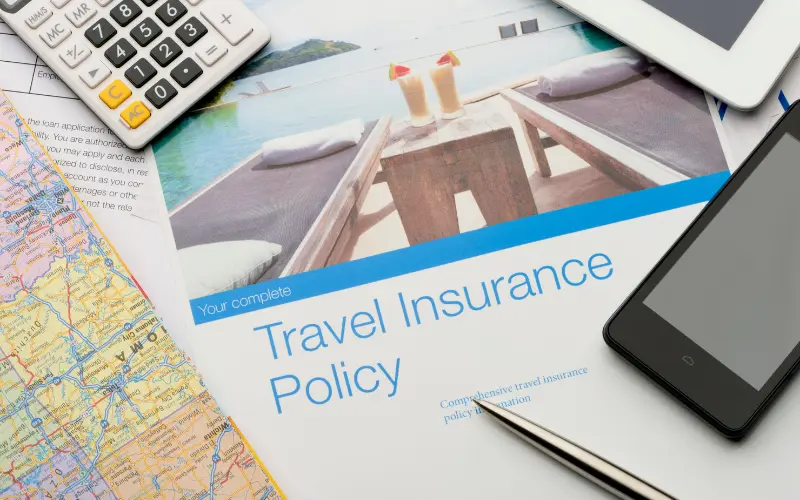
Whether you’re travelling for business, relocating overseas, or simply taking a short holiday, travel insurance is one of the most important purchases you can make. Many airlines and travel booking websites offer insurance during the booking process, and while it can be tempting to skip the extra cost, comprehensive travel insurance can save you from significant financial and logistical difficulties if something unexpected happens.
Why Travel Insurance Matters
Always travel with adequate insurance. If you are a frequent or even occasional business traveller, ensure your employer or company’s travel department includes comprehensive travel insurance as part of your travel arrangements. If it isn’t company policy, consider purchasing your own policy and seeking reimbursement if appropriate.
Medical treatment overseas can be extremely expensive. While healthcare costs in the United States remain among the highest in the world, treatment in many other countries can still result in substantial bills, particularly if surgery, intensive care, or specialist treatment is required.
Real-world examples illustrate the importance of adequate coverage:
- A businessman in Hong Kong incurred medical expenses exceeding US$45,000 for emergency heart bypass surgery.
- A tourist in New Zealand faced combined medical treatment, accommodation during recovery, and repatriation costs exceeding US$37,000 after a serious accident.
- A family holidaying in Bali required an emergency medical evacuation to Singapore after their son suffered a severe head injury. Although their domestic medical insurance covered hospital treatment, it did not cover the costly aeromedical evacuation.
These situations are uncommon, but when they occur, the financial consequences can be devastating without appropriate insurance.
Choose the Right Level of Cover
Not all travel insurance policies provide the same protection. Before purchasing a policy, carefully review what is included and what is excluded.
A comprehensive policy should ideally include:
- Emergency medical treatment
- Hospitalisation
- Emergency medical evacuation
- Repatriation to your home country if medically necessary
- Trip cancellation or interruption
- Lost or delayed baggage
- Personal liability cover
- Accidental death and disability benefits
If you participate in activities such as scuba diving, trekking, surfing, mountain climbing, or riding motorcycles or scooters, confirm that these activities are specifically covered. Many standard policies exclude adventure sports or motorcycle accidents unless additional coverage is purchased.
Medical Evacuation Is Essential
For travellers to Indonesia and many other destinations, medical evacuation is one of the most valuable parts of a travel insurance policy.
Some hospitals in Indonesia provide excellent care, particularly in Jakarta, Bali, Surabaya, and other major cities. However, serious injuries or complex medical conditions may require transfer to another hospital within Indonesia or even to regional medical centres such as Singapore or Australia.
Choose a policy that covers:
- Air ambulance services
- Medical escort when required
- Transportation to the most appropriate medical facility
- Repatriation to your home country if medically advisable
Do not assume that “medical evacuation” automatically means transportation home. Some insurers will only transport you to the nearest suitable medical facility, which may not be where you would ultimately prefer to receive treatment.
Understand Your Policy Before You Travel
Before leaving home, take time to understand exactly how your insurance works.
Consider checking:
- Is there a 24-hour emergency assistance number?
- Can you contact the insurer from overseas without excessive call charges?
- Must the insurer approve treatment before major expenses are incurred?
- Are there preferred hospitals or medical providers?
- Will the insurer guarantee payment directly to hospitals, or must you pay first and claim later?
- What documents will be required to submit a claim?
It is also worth calling the emergency assistance number before your trip to confirm it is operational and to understand how the claims process works in an emergency.
Keep Your Insurance Information Accessible
Carry both printed and digital copies of:
- Your insurance policy
- Emergency assistance contact numbers
- Policy number
- Passport identification page
- Emergency contact details
If travelling with family, ensure another traveller also has access to these documents.
Pre-existing Medical Conditions
If you have a chronic illness or pre-existing medical condition, declare it honestly when purchasing your policy. Failure to disclose relevant medical history could invalidate future claims.
Similarly, if you are pregnant or travelling with elderly family members, verify that your policy provides appropriate coverage for your circumstances.
A Small Cost That Can Prevent Major Losses
Travel insurance is often one of the least expensive parts of a trip, yet it can provide protection against some of the largest unexpected expenses you may ever face.
Whether you are taking a weekend break to Bali, travelling throughout Indonesia, or flying internationally, comprehensive travel insurance provides valuable financial protection and access to emergency assistance when you need it most.
We trust this information will assist you in making informed decisions regarding your health and travel safety. However, it is intended as general guidance only and should not replace advice from your doctor, insurance provider, or other qualified professionals.
Our appreciation to International SOS for contributing the original version of this article. The content has been reviewed and updated by the Living in Indonesia editorial team in July 2026 to reflect current travel insurance considerations and best practices.