

Editor’s Note:
This article was originally contributed by Paris Miki Indonesia and translated by Mr. Achmad Kholil. We have reviewed and updated portions of the content to reflect current eye-care recommendations, modern screen-use habits, and developments in eye-care services available in Indonesia. The article is intended as general information only and should not replace advice from a qualified optometrist, ophthalmologist, or other healthcare professional.
Finding a Qualified Optometrist, Ophthalmologist or Optician in Indonesia
As with many referrals for professional services, we suggest speaking with friends, colleagues, or family members who have recently had eye examinations or purchased glasses in Indonesia. Personal recommendations are often one of the best ways to find a qualified eye-care professional.
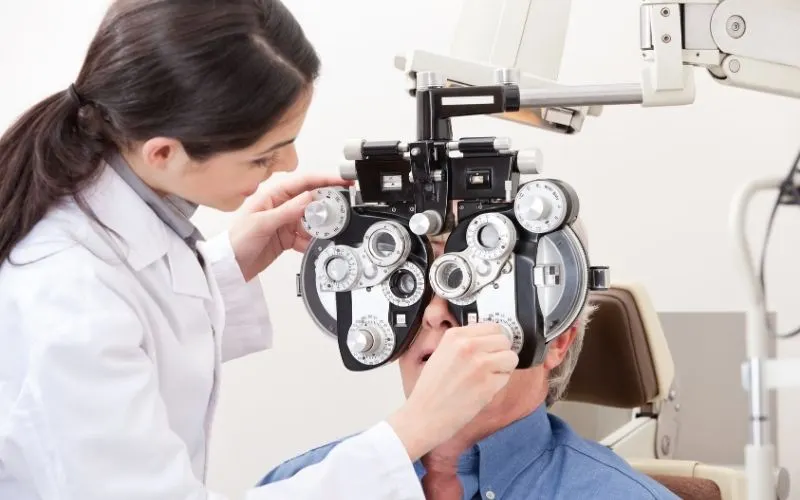
Regular eye examinations are important for maintaining good vision and identifying potential eye problems before they become serious. Most healthy adults should have their eyes examined every one to two years. Children, adults over 60, and individuals with diabetes, glaucoma risk factors, or existing eye conditions may require more frequent examinations as recommended by their eye specialist.
Talk with your primary care physician or your medical insurance provider for referrals to qualified optometrists, ophthalmologists, or opticians in Indonesia.
Look for eye-care providers who are accustomed to serving international clients. They are often more familiar with foreign prescriptions, insurance requirements, and the expectations of expatriate patients.
Filling Your Prescription for Eyeglasses in Indonesia
If you wear prescription eyeglasses, it is wise to bring a copy of your current prescription when relocating to Indonesia. Having a recent prescription available can save time and simplify replacement if your glasses are lost, damaged, or need updating during your stay.
Before moving, check with your health insurance provider to determine whether eyeglasses, contact lenses, eye examinations, or replacement lenses are covered under your plan.
Many optical shops maintain customer records, so if you previously purchased glasses in Indonesia, your prescription may already be on file. In some cases, optical providers may be able to contact your previous optician to obtain prescription information.
Indonesia offers a wide range of optical shops and eyewear brands, from affordable local products to premium international designer frames. Eyeglasses have increasingly become both a vision aid and a fashion accessory, and many people maintain multiple pairs for different activities or styles.
Be cautious when purchasing inexpensive sunglasses from street markets, beach vendors, or unregulated retailers. Some products may not provide adequate ultraviolet (UV) protection. Long-term exposure to UV radiation can increase the risk of cataracts and other eye conditions.
Eye Care Services in Indonesia Today
Indonesia has a growing network of eye-care providers, including optometrists, ophthalmologists, optical retailers, and specialized eye hospitals. Major cities such as Jakarta, Surabaya, Bandung, Medan, and Bali offer comprehensive eye-care services ranging from routine eye examinations to advanced surgical procedures.
Laser vision correction procedures such as LASIK and SMILE, cataract surgery, retinal treatments, and corneal procedures are widely available at reputable eye hospitals and specialty clinics. As with any medical procedure, patients should verify the qualifications and experience of their surgeon and ensure appropriate follow-up care is available.
Don’t Underestimate Your Eye Health
A healthy lifestyle and preventative measures can help protect your eyes from both minor irritations and serious medical conditions.
Modern lifestyles expose our eyes to numerous challenges, including prolonged screen use, air conditioning, air pollution, ultraviolet exposure, and reduced outdoor activity. Fortunately, many eye problems can be prevented through healthy habits, proper nutrition, regular examinations, and prompt treatment when symptoms arise.
The following are several common eye conditions and preventative measures that can help protect your vision.
Computer Vision Syndrome and Digital Eye Strain
Spending long hours in front of computers, tablets, smartphones, and televisions can contribute to eye strain and discomfort.
Symptoms may include:
- Tired eyes
- Dry eyes
- Watery eyes
- Blurred vision
- Headaches
- Difficulty focusing
- Neck and shoulder discomfort
This group of symptoms is commonly referred to as Computer Vision Syndrome or Digital Eye Strain.
The problem is often caused by prolonged focusing, reduced blinking, poor posture, glare, and improper viewing distances.
Preventative Measures
When working at a computer, ensure there is sufficient ambient lighting and minimize glare from windows and reflective surfaces.
Position computer screens to reduce reflections and consider using anti-glare filters if necessary.
A widely recommended technique is the 20-20-20 Rule:
Every 20 minutes, look at something approximately 20 feet (6 metres) away for at least 20 seconds.
This simple habit helps reduce eye fatigue and relaxes the focusing muscles of the eyes.
Regular breaks are also important. Stand up, stretch, and allow your eyes to focus on distant objects periodically throughout the day.
When reading or watching television, maintain proper posture and adequate lighting.
Eye Irritation Caused by Dust, Pollution and Dry Environments
Indonesia’s urban environments can expose residents to dust, vehicle exhaust, construction debris, smoke, and airborne pollutants.
People who ride motorcycles, spend extended periods outdoors, or work in heavily air-conditioned environments may experience:
- Dry eyes
- Burning sensations
- Excessive tearing
- Eye irritation
- Foreign body sensation
While blinking and natural tear production help protect the eyes, excessive exposure to environmental irritants can overwhelm these protective mechanisms.
Preventative Measures
Wear sunglasses outdoors to reduce exposure to dust, ultraviolet radiation, and airborne particles.
If you require vision correction, consult an optometrist or ophthalmologist regarding prescription sunglasses or lenses that provide UV protection.
Motorcyclists should wear appropriate eye protection, especially when traveling on busy roads or during periods of poor air quality.
Individuals suffering from dry eyes may benefit from lubricating artificial tears as recommended by their eye-care provider.
Red Eye (Conjunctivitis)
Red eye, commonly known as conjunctivitis, is an inflammation of the membrane covering the white part of the eye.
Common causes include:
- Viral infections
- Bacterial infections
- Allergies
- Environmental irritants
- Minor eye injuries
Symptoms may include:
- Redness
- Itching
- Tearing
- Swelling
- Discharge
- Sensitivity to light
Viral conjunctivitis often resolves on its own within one to two weeks.
Bacterial conjunctivitis may produce yellow or green discharge and may require medical treatment.
Preventative Measures
Good hygiene is one of the best ways to prevent conjunctivitis.
Wash your hands frequently and avoid touching your eyes unnecessarily.
Do not share towels, cosmetics, contact lenses, or eye drops with others.
If symptoms are severe, persistent, or accompanied by pain or vision changes, seek medical attention promptly.
Contact Lens Safety
Many eye infections are associated with improper contact lens use.
To reduce the risk of infection:
- Wash your hands before handling lenses.
- Replace lenses according to the manufacturer’s schedule.
- Never rinse lenses with tap water.
- Avoid swimming while wearing contact lenses.
- Do not sleep in contact lenses unless specifically approved by your eye-care provider.
- Replace storage cases regularly.
If you experience pain, redness, discharge, or blurred vision while wearing contact lenses, remove them immediately and seek professional advice.
Nutrition and Good Eye Health
Good nutrition plays an important role in maintaining healthy vision.
A balanced diet rich in antioxidants may help reduce the risk of age-related eye conditions.
Important nutrients include:
- Vitamin A
- Vitamin C
- Vitamin E
- Lutein
- Zeaxanthin
- Omega-3 fatty acids
Good sources include:
- Green leafy vegetables
- Carrots
- Sweet potatoes
- Broccoli
- Pumpkin
- Corn
- Citrus fruits
- Fish and seafood
Maintaining healthy blood sugar levels is particularly important for individuals with diabetes, as uncontrolled diabetes can lead to serious vision complications.
Tips for Maintaining Eye Health
- Schedule routine eye examinations.
- Eat a balanced diet rich in fruits and vegetables.
- Wear sunglasses with UV protection outdoors.
- Follow the 20-20-20 rule when using digital devices.
- Avoid excessive eye rubbing.
- Use adequate lighting when reading or working.
- Stay hydrated.
- Reduce exposure to cigarette smoke and environmental pollutants.
- Wear protective eyewear when appropriate.
- Seek medical attention for persistent symptoms.
When to Seek Urgent Medical Attention
Seek immediate medical care if you experience:
- Sudden vision loss
- Severe eye pain
- Eye trauma or injury
- Flashes of light or a sudden increase in floaters
- Chemical exposure to the eye
- Signs of a serious eye infection
Prompt treatment can help prevent permanent vision loss.
Frequently Asked Questions
Can foreigners get an eye examination in Indonesia?
Yes. Eye examinations are widely available in major cities through optical shops, clinics, hospitals, and specialized eye centers.
Is LASIK available in Indonesia?
Yes. LASIK and other vision-correction procedures are offered by several reputable eye hospitals and specialty clinics throughout Indonesia.
Are contact lenses easy to purchase?
Yes. Contact lenses are widely available through optical retailers and eye-care clinics. However, proper fitting and professional advice are recommended.
How often should I have my eyes examined?
Most adults should have an eye examination every one to two years. Individuals with existing eye conditions or higher risk factors may require more frequent examinations.
Does health insurance cover eye care?
Coverage varies by policy. Check with your insurer to determine whether examinations, glasses, contact lenses, or surgical procedures are covered.
Final Thoughts
Your eyesight is one of your most valuable assets. Regular examinations, healthy lifestyle habits, proper eye protection, and prompt treatment of symptoms can help preserve your vision throughout your time in Indonesia.
We trust this information will assist you in making informed decisions regarding your eye health and wellbeing. However, it is not intended to replace personalized advice from your optometrist, ophthalmologist, or other healthcare professional.
Original article contributed by Paris Miki Indonesia and translated by Mr. Achmad Kholil.