

Leptospirosis is a bacterial infection caused by spiral-shaped bacteria of the Leptospira family. It occurs worldwide but is particularly common in tropical and subtropical climates, including Indonesia, where heavy rainfall and seasonal flooding increase the risk of exposure.
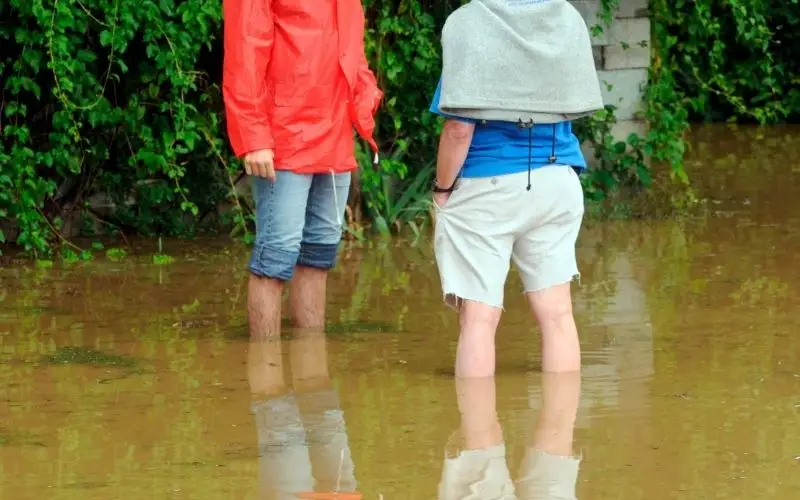
The disease infects many wild and domestic animals, including rats, cattle, pigs, dogs and other mammals. These animals may carry the bacteria in their kidneys and shed them in their urine without appearing ill. Humans become infected when broken skin or the eyes, nose or mouth come into contact with water, mud or soil contaminated with infected animal urine.
Exposure commonly occurs during:
- Flooding and clean-up activities
- Swimming or wading in contaminated freshwater
- Farming and agricultural work
- Sewer and drainage maintenance
- Outdoor adventure activities such as trekking, rafting, kayaking and canyoning
- Handling infected animals
Although leptospirosis has traditionally been considered an occupational disease affecting farmers, sewer workers and slaughterhouse employees, recreational exposure has become an increasingly common source of infection.
Prevention
There is currently no widely available human vaccine against leptospirosis in most countries, including Indonesia.
You can reduce your risk by:
- Avoiding swimming or wading in floodwater or untreated freshwater where possible.
- Wearing waterproof boots and protective clothing if working in potentially contaminated environments.
- Covering cuts and abrasions with waterproof dressings.
- Washing thoroughly after exposure to floodwater or mud.
- Controlling rodents around homes and workplaces.
- Vaccinating domestic animals where appropriate under veterinary guidance.
For travellers and aid workers who expect repeated high-risk exposure, a doctor may recommend preventive doxycycline in selected circumstances. This is not routinely recommended for everyone and should only be taken under medical advice.
Leptospirosis in Indonesia
Leptospirosis remains an important public health concern throughout Indonesia. Cases occur every year, with higher numbers typically reported during the rainy season and following flooding, particularly in densely populated urban areas and agricultural regions.
Floodwater can become contaminated with urine from infected rodents and other animals, increasing the risk for anyone involved in flood clean-up or who has prolonged contact with standing water.
Outdoor enthusiasts, hikers and eco-tourists should take particular care when crossing streams, walking through muddy terrain or trekking with cuts or blisters on their feet.
Because the illness often begins with flu-like symptoms, many mild infections may never be diagnosed.
Symptoms
Symptoms usually develop 2 to 30 days after exposure, most commonly between 5 and 14 days.
Some infected people experience only mild illness or no symptoms at all.
Early symptoms may include:
- Sudden fever
- Chills
- Severe muscle aches (particularly in the calves and lower back)
- Headache
- Red eyes (conjunctival redness)
- Nausea and vomiting
- Diarrhoea
- Abdominal pain
- Fatigue
Many people improve after several days before experiencing a second phase of illness.
Severe Disease (Weil’s Disease)
A small percentage of patients develop severe leptospirosis, also known as Weil’s disease.
This can cause:

- Jaundice
- Kidney failure
- Liver dysfunction
- Bleeding disorders
- Meningitis
- Lung haemorrhage (bleeding into the lungs)
- Difficulty breathing
- Low blood pressure and shock
Without prompt medical treatment, severe disease can become life-threatening.
Pregnant women who become infected may also be at increased risk of miscarriage or other pregnancy complications.
Diagnosis
Leptospirosis can resemble many other tropical diseases, including dengue fever, malaria and typhoid fever.
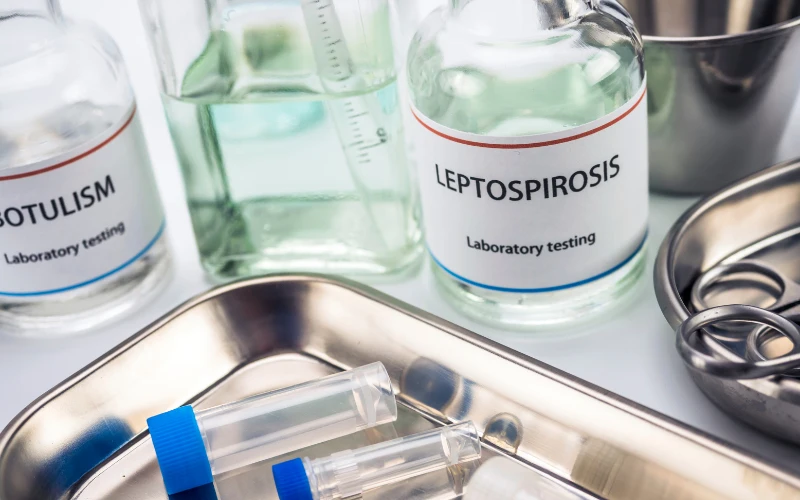
Doctors diagnose the disease using a combination of:
- Medical history and exposure risk
- Blood tests
- PCR testing during the early stage of illness
- Antibody testing (serology), particularly the Microscopic Agglutination Test (MAT) or ELISA
- Occasionally urine testing later in the illness
Early diagnosis is important because prompt treatment significantly improves outcomes.
Treatment
Leptospirosis responds well to antibiotics when treatment begins early.
Mild infections are commonly treated with antibiotics such as doxycycline or amoxicillin, while more severe infections may require intravenous antibiotics such as penicillin or ceftriaxone in hospital.
Supportive treatment may include:
- Intravenous fluids
- Oxygen therapy
- Dialysis if kidney failure develops
- Intensive care for severe cases
Patients with severe disease should receive immediate hospital treatment.
Although person-to-person transmission is extremely rare, healthcare workers and caregivers should use appropriate precautions when handling blood, urine or other body fluids.
When to Seek Medical Attention
Seek medical care promptly if you develop fever, severe muscle aches or flu-like symptoms after:
- Flood exposure
- Swimming in freshwater
- Outdoor adventure travel
- Contact with contaminated water or mud
- Working with animals or livestock
Early treatment greatly reduces the risk of serious complications.
For further information, consult guidance published by the World Health Organization (WHO) and the U.S. Centers for Disease Control and Prevention (CDC).
We trust this information will assist you in making informed decisions regarding your health and wellbeing. However, it is intended as general information only and should not replace personalised medical advice from your healthcare provider.
Article contributed by
Dr. Andrew Jeremijenko
International SOS