

Regular business and leisure travelers on long-haul flights across multiple time zones have all experienced jet lag in one form or another. Advice on how to reduce its effects ranges from adjusting your watch to your destination time zone to using sleep aids and supplements. Dr. Neil Nerwich, a qualified practitioner of civil aviation medicine, notes that while there is no complete escape from jet lag, its impact can be reduced through proper preparation and sensible travel habits.
Management of jet lag should begin before departure. Be properly rested before setting out and, when possible, gradually adjust your sleeping and eating schedule to better match your destination time zone in the days leading up to travel.
Business travelers should plan meetings at their destination around the effects of travel whenever possible. Look for opportunities to schedule important meetings during hours that overlap with normal working hours at both your origin and destination. This can help avoid having your first meeting occur at what would normally be the middle of the night according to your body’s internal clock. Simple adjustments like this can make a significant difference.
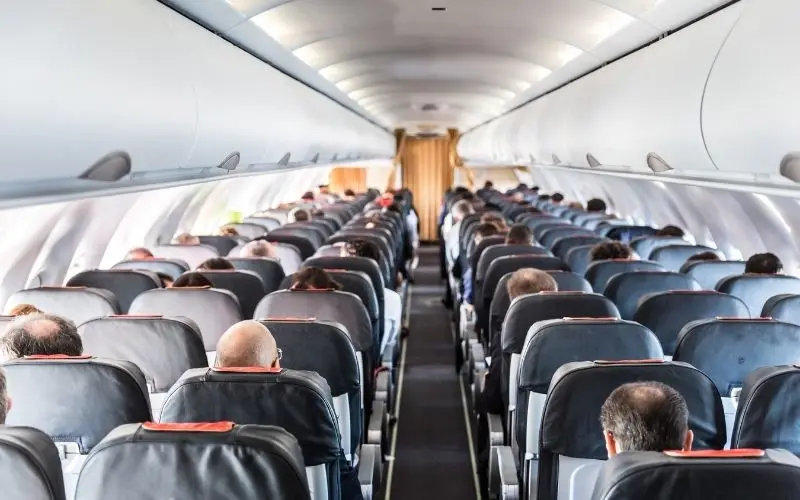
Sleeping during the flight may also help, depending on your travel conditions. Fully reclining seats in business or first class generally offer a better opportunity for quality rest than economy seating. Regardless of where you sit, eye masks, neck pillows, and earplugs can help create a more comfortable environment for sleep.
Drinking excessive amounts of coffee and alcohol is not recommended. Both can contribute to dehydration, and alcohol can interfere with restorative sleep, leaving you feeling more fatigued upon arrival.
Staying well hydrated before, during, and after a flight can help reduce feelings of fatigue and discomfort associated with long-distance travel. While hydration alone will not prevent jet lag, it can make the adjustment process more comfortable.
Adapt your sleeping and eating patterns to your destination time zone immediately after arrival. The sooner you begin following local schedules, the sooner your body can begin adjusting.
Exposure to sunlight or bright artificial light is one of the most effective ways to help reset your internal body clock. Both light and darkness serve as important signals that regulate the body’s circadian rhythm.
Travelers should also be mindful of screen exposure. The blue light emitted by smartphones, tablets, and laptops can interfere with the body’s natural production of melatonin. Limiting screen time before bedtime and using night-mode settings may support better sleep during the adjustment period.
Napping can help ensure that you obtain sufficient sleep during the transition period. However, naps should generally be kept short to avoid interfering with nighttime sleep.
Exercising in the early morning or late afternoon may also help your body adapt more quickly to a new time zone. Moderate physical activity can promote alertness during the day and improve sleep quality at night.
When possible, consider choosing flight schedules that better align with your destination’s nighttime hours. Arriving in the evening and following local bedtime routines can sometimes make the transition easier.
Dr. Nerwich does not rule out melatonin as an aid for reducing jet lag. Research suggests that melatonin may help some travelers adjust more quickly to new time zones, particularly when crossing multiple time zones eastward. However, its effectiveness varies from person to person, and travelers should consult their healthcare provider before using any sleep-related supplements or medications. Non-pharmaceutical measures should still be considered the first line of defense against jet lag.
This article is provided for general information purposes only and should not be considered a substitute for professional medical advice. Travelers with existing medical conditions or concerns about long-distance travel should consult their healthcare provider before departure.
Our appreciation to International SOS, an AEA Company, for their generous contribution to this article.