

Editor’s Note:
This article was researched and contributed by International SOS in response to inquiries regarding floodwater-related health risks in Indonesia. The information has been updated to reflect current health recommendations and common flood-related concerns in Indonesia.
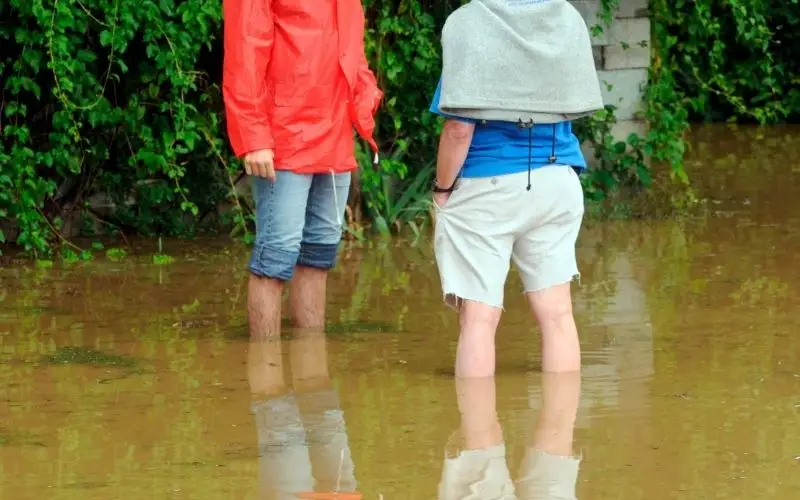
Flooding in residential and industrial areas can pose serious health risks through contamination of water supplies, living spaces, and personal belongings. The following recommendations can help reduce your personal health risks in areas affected by floodwater. This list is not comprehensive but summarizes key points for your consideration.
Reducing Health Risks After Flooding
- Identify clean and contaminated areas in and around your home to reduce the risk of spreading disease.
- Use bottled or properly treated water for drinking, food preparation, brushing teeth, and cleaning food-contact surfaces.
- Decontaminate floors, walls, and other surfaces affected by floodwater using appropriate disinfectants. Children should be kept away from these areas until adequate cleaning has been completed.
- Wash and disinfect toys that may have come into contact with floodwater. Soft toys that cannot be thoroughly cleaned should be discarded.
- Practice good personal hygiene and thoroughly clean toilets, showers, and sinks using disinfectants.
- Safely dispose of any food that has come into contact with floodwater.
- Avoid consuming uncooked vegetables unless you are certain they have not been exposed to contaminated water.
- Properly cover and store prepared food to prevent contamination by rodents, insects, and flies.
- Avoid storing prepared food for extended periods, particularly if refrigeration has been disrupted.
- If flood-related power outages occur, carefully assess refrigerated and frozen foods before consumption. When in doubt, throw it out.
- Avoid dark corners, cupboards, storage areas, and debris piles, as these may provide refuge for rodents, insects, snakes, and distressed domestic animals.
- Wear sturdy footwear with hard soles and good traction when walking through floodwater, as hidden holes, sharp objects, broken glass, and debris may be submerged beneath the surface.
- Never enter a flooded building until you are certain that electrical power has been disconnected and the structure is safe to enter.
Diseases Associated with Floodwater
Floodwater often contains bacteria, viruses, parasites, and other infectious materials that can cause the following diseases:
- Typhoid fever (Link to article on Typhoid)
- Dysentery (including amebic dysentery, salmonella, shigellosis, and campylobacter infections)
- Hepatitis A
- Cholera
- Leptospirosis (a bacterial disease often spread through water contaminated by rat urine)
- Upper respiratory tract infections
- Contact dermatitis and skin infections
- Conjunctivitis (eye infections)
Injuries Associated with Flooding
There is also an increased risk of injuries during and after flooding, including:
- Cuts and bruises from sharp objects and hidden hazards beneath floodwater
- Electric shock and burns
- Bites and stings from rodents, snakes, and insects displaced by floodwaters
- Bites from distressed domestic pets
Any injury that breaks the skin should be thoroughly cleaned, disinfected, and dressed as soon as possible. Dirty and wet environments significantly increase the risk of infection and can delay healing.
People who receive cuts, puncture wounds, or other injuries during flood cleanup should ensure their tetanus vaccination is current and seek medical advice if necessary.
The prolonged use of rubber boots in wet conditions can also contribute to foot sores and fungal infections if feet are not kept clean and dry.
Mosquito-Borne Diseases Following Floods
During the weeks following a flood, standing water can create ideal breeding conditions for mosquitoes. As a result, cases of dengue fever often increase. In some regions of Indonesia, malaria may also be a concern.
Vector control and prevention of mosquito bites are crucial during this period. Use mosquito repellent, wear long sleeves and trousers when practical, and remove standing water around homes whenever possible.
Please see our pages on Malaria and Dengue Fever (insert link) for additional information.
Mold and Indoor Air Quality
Flood-damaged buildings often remain damp for extended periods, encouraging the growth of mold and mildew. Mold exposure can aggravate allergies, asthma, and other respiratory conditions.
Remove water-damaged materials that cannot be properly cleaned and ensure affected areas are thoroughly dried and ventilated as soon as possible.
When to Seek Medical Attention
Seek medical advice promptly if you develop:
- Fever following contact with floodwater
- Persistent diarrhea or vomiting
- Eye infections
- Skin infections that worsen or do not heal
- Difficulty breathing
- Symptoms consistent with leptospirosis, such as fever, headache, muscle pain, or jaundice
Additional Medical Information
We trust this information will assist you in making informed choices regarding your health and welfare. However, it is not intended to be a substitute for personalized advice from your physician or healthcare provider.
Contributor Acknowledgement
Our appreciation to International SOS, who researched and originally contributed this article in response to inquiries about floodwater-related health threats in Indonesia.