

In Indonesia, the risk of schistosomiasis is limited to a small number of endemic areas in the highlands of Central Sulawesi, including the Lindu Highlands in Sigi Regency and the Napu and Bada Highlands in Poso Regency. For most expatriates and travelers in Indonesia, the risk of exposure is extremely low. (World Health Organization)
Schistosomiasis, also known as bilharzia, is a disease caused by parasitic worms that live in freshwater environments. People can become infected when they come into contact with contaminated freshwater while wading, swimming, bathing, or washing. The parasites can penetrate intact skin and enter the bloodstream.
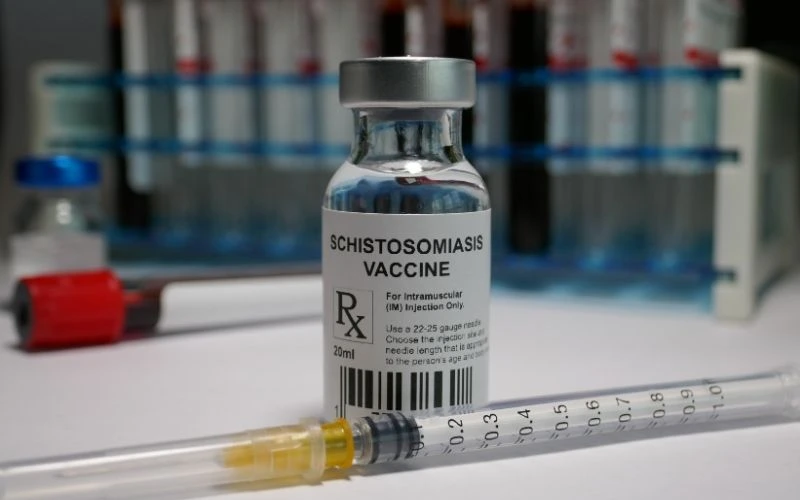
There is currently no vaccine available to prevent schistosomiasis.
To reduce the risk of infection:
- Avoid swimming, wading, or bathing in freshwater in areas where schistosomiasis occurs.
- Use safe water sources whenever possible.
- Water that has been heated to at least 50°C (122°F) for five minutes is considered safe for bathing.
- Water stored in a tank for at least 48 hours is generally considered safe for bathing purposes.
- If accidental exposure to potentially contaminated freshwater occurs, washing with soap and drying vigorously with a towel may help reduce risk, but these measures should not be relied upon as a substitute for avoiding exposure.
For additional information on schistosomiasis, consult the U.S. Centers for Disease Control and Prevention (CDC) or a qualified travel medicine specialist before visiting endemic areas.
We trust this information will assist you in making informed choices regarding your health and welfare. However, it is not intended to be a substitute for personalized advice from your medical adviser.
Our appreciation to the Coordinating Doctors of International SOS, an AEA Company, who contributed information for this article in response to health concerns faced by expatriates in Indonesia.