

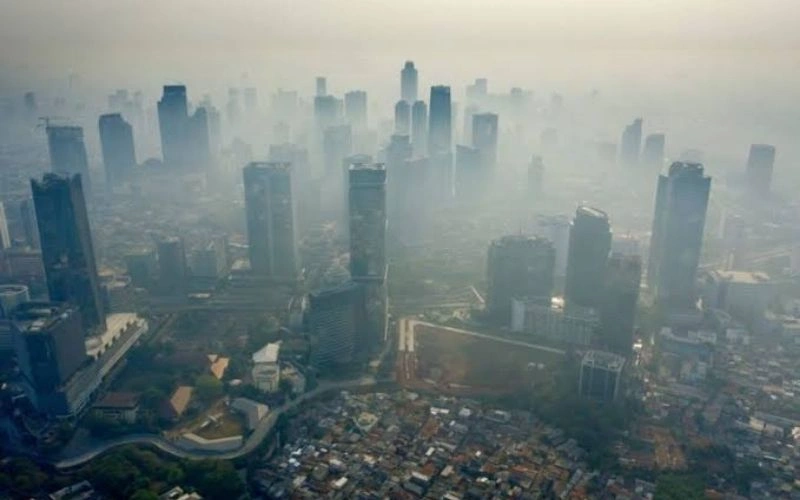
Air pollution has become one of the biggest environmental health concerns facing people living in Indonesia’s major cities. While Jakarta often receives the most attention, seasonal air pollution also affects many other parts of the country, particularly during periods of prolonged dry weather and regional forest fires.
For expatriates moving to Indonesia, poor air quality can come as an unexpected challenge. Children, older adults, people with asthma or allergies, and anyone with heart or lung conditions may notice the effects sooner than others. Even healthy adults can experience irritation after prolonged exposure to polluted air.
Fortunately, there are practical steps you can take to reduce your exposure and protect your family’s health.
What Causes Air Pollution in Indonesia?
Air pollution comes from a combination of natural and human-made sources.
The largest contributors include:
- Heavy traffic and vehicle emissions
- Industrial activities
- Coal-fired power stations
- Construction dust
- Open burning of rubbish
- Household cooking emissions
- Seasonal peatland and forest fires
- Agricultural burning in parts of Indonesia and neighbouring countries
Weather conditions also play an important role. During the dry season, pollutants may remain trapped over urban areas for extended periods, causing air quality to deteriorate.
Air Pollution in Jakarta
Jakarta regularly experiences elevated levels of fine particulate pollution, particularly PM2.5 (particles smaller than 2.5 microns in diameter). These microscopic particles are small enough to penetrate deep into the lungs and enter the bloodstream.
The city has taken several steps to improve air quality, including:
- Expanding MRT and LRT public transport systems
- Introducing cleaner fuel standards
- Conducting vehicle emission testing
- Increasing urban green spaces
- Promoting electric vehicles
While these initiatives are helping over the long term, air quality still varies considerably from day to day. During certain periods, Jakarta’s Air Quality Index (AQI) may reach unhealthy levels.
Many residents now check the daily AQI before planning outdoor activities.
Why PM2.5 Matters
PM2.5 refers to airborne particles measuring less than 2.5 microns across—about thirty times smaller than the width of a human hair.
These particles come from:
- Vehicle exhaust
- Diesel engines
- Factory emissions
- Power stations
- Burning vegetation
- Forest fires
Because they are so small, PM2.5 particles can bypass the body’s natural defence systems and travel deep into the lungs, where they may contribute to inflammation and long-term health problems.
Health Effects of Air Pollution
Short-term exposure may cause:
- Eye irritation
- Sore throat
- Coughing
- Runny nose
- Headaches
- Fatigue
- Shortness of breath
Long-term exposure has been associated with increased risks of:
- Asthma
- Chronic bronchitis
- Chronic obstructive pulmonary disease (COPD)
- Heart disease
- Stroke
- Lung cancer
- Reduced lung development in children
People with existing respiratory or cardiovascular conditions are particularly vulnerable.
Children Are More Vulnerable
Children breathe more air relative to their body weight than adults, making them especially susceptible to airborne pollutants.
Exposure during childhood may contribute to:
- More frequent asthma attacks
- Increased respiratory infections
- Reduced lung development
- Missed school due to illness
Parents should pay particular attention to outdoor air quality during periods of heavy pollution.
Indoor Air Pollution
Many people assume that staying indoors automatically provides protection from outdoor pollution. Unfortunately, this is not always the case.
Indoor air may contain pollutants from:
- Outdoor air entering the building
- Tobacco smoke
- Cooking fumes
- Cleaning products
- Candles and incense
- Mould
- Dust mites
- Poorly maintained air conditioning systems
- Volatile organic compounds (VOCs) released by furniture, paints and building materials
Since most people spend the majority of their day indoors, maintaining good indoor air quality is just as important as reducing outdoor exposure.
How to Reduce Your Exposure
While it is impossible to eliminate exposure completely, there are many practical ways to reduce the risks.
Monitor Air Quality
Several smartphone apps and websites provide real-time Air Quality Index (AQI) information.
If the AQI reaches unhealthy levels:
- Reduce prolonged outdoor exercise.
- Keep children indoors where possible.
- Consider rescheduling outdoor sports.
Improve Indoor Air Quality
Simple measures include:
- Keeping windows closed during periods of severe pollution.
- Using high-quality HEPA air purifiers in bedrooms.
- Regularly servicing air conditioning units.
- Replacing air-conditioning filters as recommended.
- Controlling indoor humidity to reduce mould growth.
Wear Appropriate Masks
During severe pollution episodes or forest-fire haze, properly fitted N95 or equivalent masks can significantly reduce inhalation of fine particles.
Cloth masks offer little protection against PM2.5 pollution.
Reduce Indoor Pollutants
You can improve indoor air quality by:
- Avoiding smoking indoors.
- Using kitchen exhaust ventilation while cooking.
- Minimising burning candles or incense.
- Choosing low-VOC paints and cleaning products where possible.
- Cleaning regularly to reduce dust accumulation.
Forest Fire Haze
Every few years Indonesia experiences significant haze caused by peatland and forest fires. Depending on weather patterns, smoke can affect large parts of Sumatra, Kalimantan, Java and neighbouring countries.
During severe haze events:
- Follow local health advisories.
- Stay indoors as much as possible.
- Use air purifiers if available.
- Wear appropriate masks when going outside.
- Ensure children and older adults minimise outdoor exposure.
Air Pollution and Respiratory Illness
Air pollution does not directly cause viral illnesses such as influenza or COVID-19, but poor air quality can irritate the respiratory system and make people more susceptible to breathing difficulties or worsen existing medical conditions.
Anyone experiencing persistent coughing, chest pain, wheezing or difficulty breathing should seek medical attention promptly.
Can Plants Improve Indoor Air?
Indoor plants can make homes feel more pleasant and may contribute modestly to indoor wellbeing. However, they should not be relied upon to remove significant amounts of air pollution from a home.
Good ventilation, filtration and regular maintenance remain the most effective methods of improving indoor air quality.
Living Well Despite Air Pollution
Millions of people live healthy, active lives in Indonesia despite periods of poor air quality. Awareness is the key.
By monitoring air quality, reducing unnecessary exposure, maintaining clean indoor environments and taking sensible precautions during pollution events, families can significantly reduce the health risks associated with air pollution.
For newcomers to Indonesia, understanding seasonal air quality patterns is simply another part of adapting to life in one of Southeast Asia’s most vibrant and dynamic countries.
Practical Tips for New Arrivals
- Download an AQI app before you arrive.
- Service your home’s air conditioning regularly.
- Consider purchasing a HEPA air purifier for bedrooms, especially if you have young children or asthma sufferers in the family.
- Avoid strenuous outdoor exercise on days when air quality is poor.
- Keep windows closed during heavy haze events.
- Consult your doctor if you have asthma or chronic respiratory conditions before relocating to Indonesia.
The information in this article is intended as general guidance only and should not replace advice from your doctor or other qualified healthcare professional.