

Editor’s Note:
Reflexology remains one of the most popular wellness treatments in Indonesia. This article has been updated to reflect current wellness practices and modern health guidance while preserving the original insights and observations of the author.
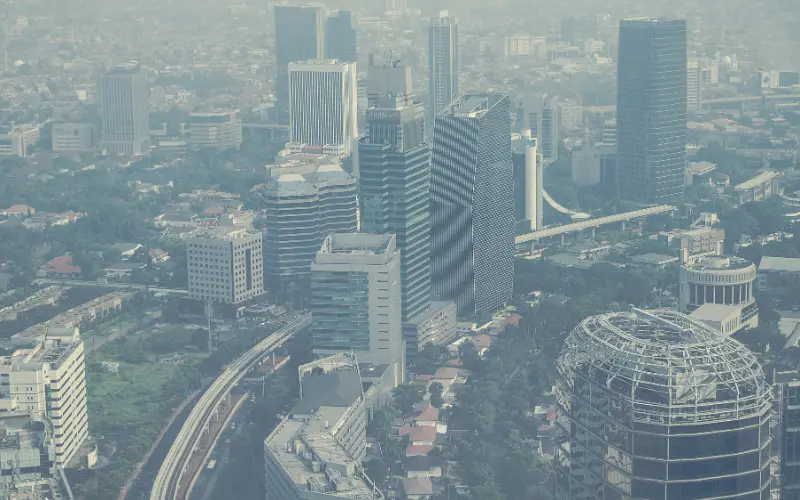
Amidst the hustle and bustle of Jakarta’s busy urban life are pockets of relief, peace, and relaxation. Many residents take a break from the pressures of work, traffic, and daily responsibilities to unwind through one of Indonesia’s most popular wellness treatments: reflexology.
Variations of the modern practice of reflexology existed in many ancient healing cultures, with evidence of similar techniques found in India, Egypt, China, and among Native American communities. Different approaches evolved over time as local healing traditions and beliefs were incorporated into the practice. Today, reflexology is widely practiced around the world and may also be known as Pressure Point Massage, Zone Therapy, Reflex Zone Therapy, or Reflexotherapy.
Reflexology has been a popular wellness treatment in Jakarta for decades. It remains widely available throughout the city and across Indonesia, attracting both Indonesians and expatriates who appreciate its relaxing effects and its role in promoting a sense of wellbeing.
What to Expect
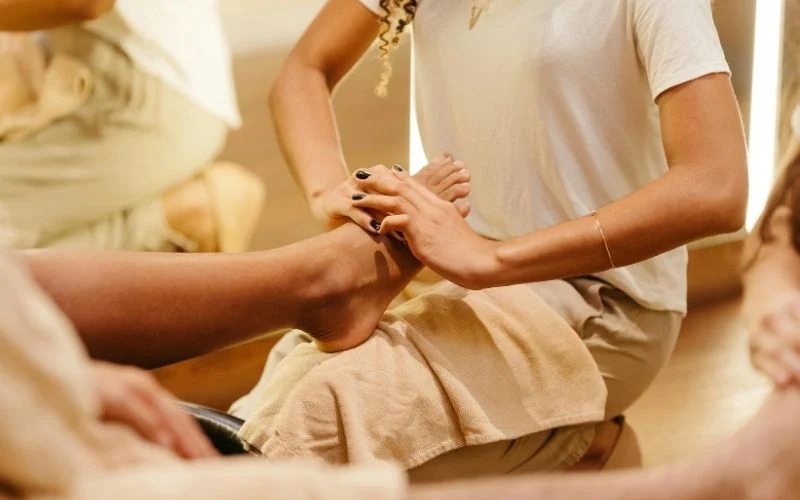
A typical reflexology session begins by cleansing the feet with a warm foot bath or steaming towel. Once the feet are clean and warmed, the treatment begins. Your reflexologist may be a man or a woman, with male practitioners still common in many centres.
At the outset, the reflexologist may ask whether you prefer soft, medium, or firm pressure. They may also ask if you have any particular physical discomforts or areas of concern.
The exact methods used depend on the practitioner’s training and experience. Reflexology practitioners believe that specific points on the feet correspond to different parts of the body. During treatment, these points are stimulated through pressure techniques using the thumbs, fingers, and hands. While many people report relaxation and feelings of wellbeing following treatment, scientific evidence supporting all reflexology health claims remains limited.
Most practitioners in Indonesia use a non-scented cream or lotion to facilitate smooth movement across the feet. A complete session typically focuses on numerous pressure points located throughout the feet.
As the reflexologist applies pressure, let them know if the treatment feels too strong or too gentle. A skilled practitioner will usually adjust pressure based on your comfort level and physical response. Some areas may feel more sensitive than others, particularly during your first few treatments.
Many people describe reflexology as a form of “pleasant discomfort.” Certain pressure points can feel surprisingly tender, while the overall experience often leaves clients feeling deeply relaxed and refreshed. Most centres also offer a brief neck, shoulder, or head massage as part of the session or as an optional addition.
At the end of the treatment, many practitioners will discuss areas of sensitivity they noticed during the session and explain their interpretation of these findings. Those who visit the same practitioner regularly often appreciate the continuity and personalized approach that develops over time.
While responsible reflexologists do not claim to cure medical conditions, many clients enjoy reflexology as part of a broader wellness routine. Like many complementary therapies, reflexology focuses on relaxation, stress management, and supporting the body’s natural ability to maintain balance.
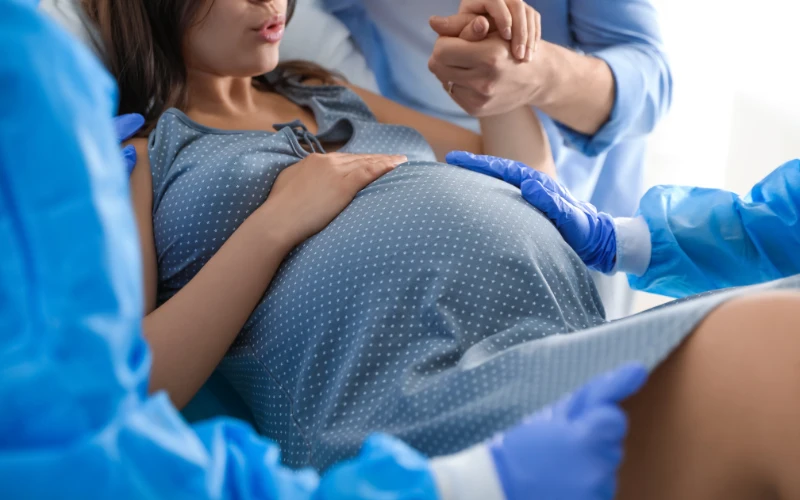
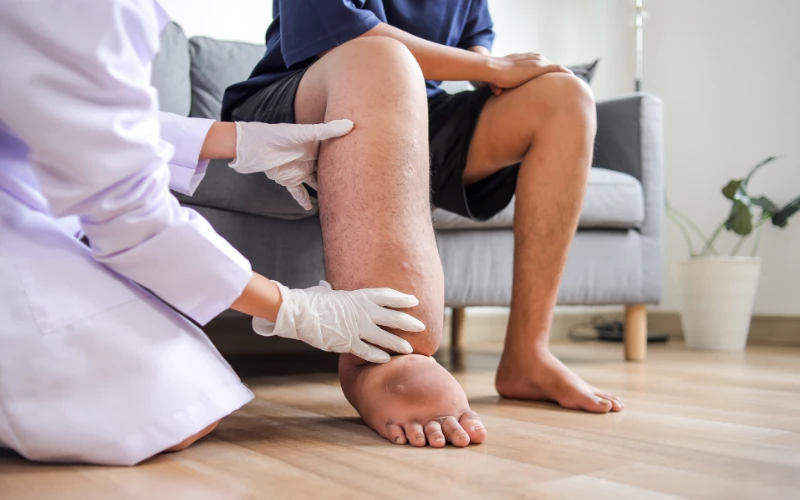
Individuals who are pregnant or who have specific medical conditions should consult their healthcare provider before undertaking reflexology treatments. As with any wellness treatment, it is important to inform the practitioner of any health concerns before beginning a session.
Reported Benefits of Reflexology
Some people may think foot reflexology is simply a specialized foot massage. While there are similarities, practitioners generally view reflexology differently. Traditional massage primarily focuses on relaxing muscles and relieving tension, whereas reflexology focuses on specific pressure points believed to correspond to different areas of the body.
Supporters of reflexology commonly report benefits such as:
- Relief from stress and tension
- Improved relaxation
- Better sleep quality
- A greater sense of wellbeing
- Improved circulation
- Reduced feelings of fatigue
- Enhanced relaxation and mental calmness
Supporters believe reflexology may contribute to relaxation, stress reduction, and overall wellbeing. However, reflexology should not be considered a substitute for professional medical care when treating illnesses or injuries.
One aspect of reflexology that is difficult to dispute is its ability to encourage relaxation. Many recipients become so relaxed during treatment that they fall asleep. A good session in a peaceful environment can leave both body and mind feeling refreshed, making reflexology a popular choice for people seeking relief from the stresses of daily life.
Modern Reflexology in Indonesia
Today, reflexology services can be found throughout Jakarta, Bali, Surabaya, Bandung, Yogyakarta, and many other Indonesian cities. Treatments are offered in dedicated reflexology centres, wellness clinics, hotel spas, beauty salons, and increasingly through mobile wellness services.
When selecting a reflexology provider, it is advisable to:
- Read recent customer reviews.
- Check cleanliness and hygiene standards.
- Confirm therapist experience and qualifications.
- Ensure the facility follows professional wellness practices.
- Discuss any medical concerns before treatment begins.
Prices vary considerably depending on the location, facilities, and duration of treatment. As prices can change frequently, readers should verify current rates directly with providers.
Reflexology continues to be one of the most accessible and affordable wellness treatments available in Indonesia. Whether you are seeking relaxation after a demanding workweek, recovering from extensive travel, or simply looking for a little self-care, reflexology remains a popular option among both expatriates and Indonesians alike.
Frequently Asked Questions About Reflexology in Indonesia
What is reflexology?
Reflexology is a wellness treatment that involves applying pressure to specific points on the feet, hands, or ears. Practitioners believe these points correspond to different areas of the body.
Is reflexology popular in Indonesia?
Yes. Reflexology is widely available throughout Indonesia and is particularly popular in major cities such as Jakarta, Bali, Surabaya, Bandung, and Yogyakarta.
What is the difference between reflexology and a foot massage?
While both treatments involve the feet, reflexology focuses on specific pressure points that practitioners associate with other areas of the body. A traditional foot massage primarily focuses on muscle relaxation and comfort.
Is reflexology safe?
For most healthy adults, reflexology is generally considered a low-risk wellness treatment. Individuals with medical conditions or those who are pregnant should consult their healthcare provider before treatment.
How much does reflexology cost in Jakarta?
Prices vary significantly depending on the provider, location, facilities, and treatment duration. It is best to contact providers directly for current pricing.
Written by Danielle Surkatty
This article was originally published in Wine & Dine Indonesia and has been updated by the Expat.or.id editorial team to reflect current information and wellness practices.