

Editor’s Note:
This article is shared for general information for expatriates and travelers in Indonesia. It should not replace medical advice from a qualified doctor or healthcare provider. If you experience severe diarrhea, persistent vomiting, blood or mucus in the stool, high fever, severe abdominal pain, signs of dehydration, or symptoms in an infant, young child, elderly person, pregnant woman, or someone with a chronic medical condition, seek professional medical advice immediately.
Gastroenteritis remains a common health concern in Indonesia, particularly for newcomers, travelers, and residents who may not yet be accustomed to local food, water, and hygiene conditions. The overall risk of food- and waterborne illness can be higher than in many Western countries, especially when eating food prepared in poor sanitary conditions or drinking unsafe water.
The traveler or resident needs to take personal responsibility for maintaining a supply of safe food and drinking water due to the risk of food poisoning from bacteria, viruses, or parasites, as well as diseases such as cholera, typhoid fever, dysentery, amoebiasis, and giardiasis.
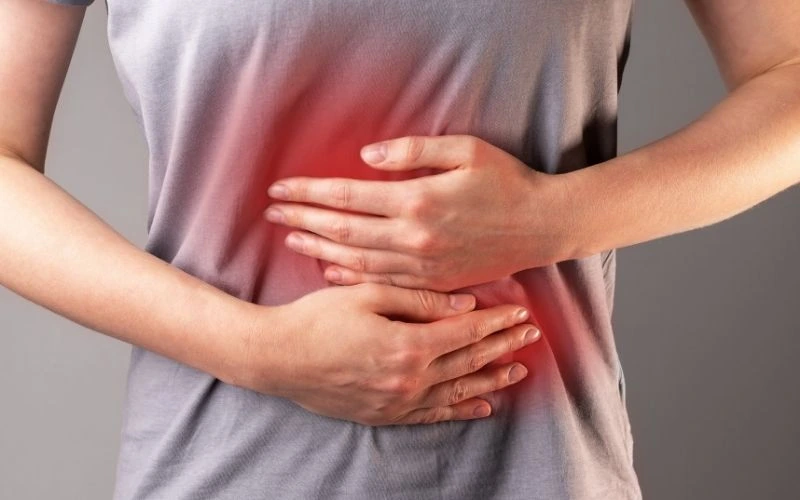
Acute gastroenteritis may be caused by viruses, bacteria, or parasites. The primary symptom is diarrhea, but it may also be accompanied by nausea, vomiting, stomach cramps, fever, and abdominal pain. Vomiting often improves within a day or two. Diarrhea may last a few days, although in some cases it can last longer.
If fever is present, or if blood or mucus appears in the stool, the illness may be more serious and medical advice should be sought. These symptoms may suggest an infection that requires proper diagnosis and treatment.
Gastroenteritis-causing organisms often spread through the fecal-oral route. It is important to wash hands thoroughly with soap and water after using the toilet, before eating, and before preparing food. If soap and water are not available, use an alcohol-based hand sanitizer, although handwashing is preferred whenever possible.
For many healthy adults, mild gastroenteritis improves with rest and fluids. However, prolonged vomiting and diarrhea can lead to dehydration and an imbalance of body salts and minerals. Young children, elderly people, pregnant women, and people with chronic illnesses such as diabetes, kidney disease, or immune system problems are at greater risk of complications.
Consult a doctor promptly if diarrhea is profuse, vomiting is persistent, severe abdominal pain develops, or if any of the following symptoms are present: listlessness, difficulty waking up, sunken eyes, very dry mouth or tongue, pale or clammy skin, dizziness, confusion, or passing little or no urine. If these signs are present, the person should be taken to a hospital or emergency medical facility quickly.
In Indonesia, doctors may prescribe antibiotics when a bacterial cause is suspected. However, not all gastroenteritis requires antibiotics. Viral gastroenteritis will not improve with antibiotics, and unnecessary antibiotic use can cause other problems. Where possible, a doctor may recommend a stool test so the cause can be identified and treatment can be targeted properly.
Medication may also be prescribed to reduce vomiting or slow bowel activity. Anti-diarrheal medication can sometimes be useful for adults in specific circumstances, such as travel, but it does not cure the illness. It should not be used carelessly, especially if there is fever, bloody diarrhea, or suspected bacterial infection. Anti-vomiting and anti-diarrheal medicines should only be used for children under medical guidance.
Personal Care
Stay at home and rest until symptoms improve. Avoid solid foods until vomiting stops. As soon as you are able, take small amounts of clear fluids frequently. Oral rehydration solution is usually the best choice, especially for children or anyone at risk of dehydration.
If vomiting recurs, wait a short while before trying fluids again, then restart with small sips. Once you are keeping fluids down, gradually increase the amount.
After nausea, vomiting, and diarrhea begin to improve, try simple foods such as dry toast, crackers, rice, bananas, applesauce, porridge, or plain potatoes. Progress to soft, mildly flavored foods that are low in fat and not too spicy until you are feeling better.
Many people temporarily lose the ability to digest milk sugar for one to two weeks after an episode of gastroenteritis. Avoid milk products, oily foods, fried foods, and spicy foods until you are feeling better, then gradually return to your normal diet as tolerated.
Care for Young Children
Children can become dehydrated quickly. Give fluids a little at a time and often. If a child is vomiting, small amounts given frequently may be easier to tolerate than a large drink.
An oral rehydration solution, available from local pharmacies or apotik, is usually the best option. These products contain the correct balance of salts and sugar to help replace what is lost through diarrhea and vomiting.
Do not use undiluted sweet drinks, soft drinks, or juices as the main rehydration fluid. These may contain too much sugar and can sometimes make diarrhea worse.
If your child appears dehydrated, has a fever, has bloody stools, is unusually sleepy or difficult to wake, refuses fluids, passes very little urine, or continues vomiting, seek medical care immediately.
Returning to Normal Food
Once vomiting improves, children can usually return gradually to their normal diet. Breastfeeding should normally continue. Formula-fed children should follow a doctor’s advice if symptoms are severe or prolonged.
Solid foods can be reintroduced gradually. Start with simple foods such as rice, bread, plain biscuits, porridge, bananas, applesauce, or potatoes. Avoid fatty foods, fried foods, raw vegetables, and very spicy foods until recovery is well underway.
If diarrhea continues for a long period, especially if accompanied by weight loss, greasy stools that are difficult to flush, or signs of poor nutrition, further investigation is needed. These may be symptoms of malabsorption, which can be caused by conditions such as tropical sprue, giardiasis, coeliac disease, or other digestive disorders.
See related articles on Typhoid, Intestinal Worms, and food preparation tips.
We trust this information will assist you in making informed choices regarding your health and welfare. However, it is not intended to replace personalized advice from your medical adviser.
Our sincere appreciation goes to Dr. Andrew Jeremijenko of VICO for his generous contribution of the original article.