

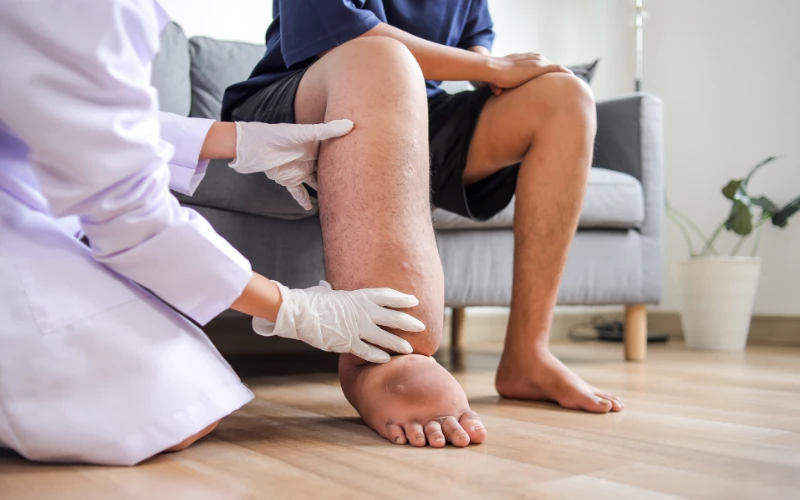
Filariasis, more accurately called lymphatic filariasis, is a parasitic disease caused by microscopic, thread-like worms that are spread through mosquito bites. In Indonesia, the disease has been caused by three species of filarial worms: Wuchereria bancrofti, Brugia malayi, and Brugia timori.
When an infected mosquito bites a person, larvae can enter the skin and travel to the lymphatic system. Over time, the worms can develop into adults and disrupt normal lymph drainage. This may lead to swelling of the legs, arms, breasts, or genital area. Severe long-term swelling is sometimes known as elephantiasis.
Early symptoms may include fever, headache, weakness, muscle pain, swollen lymph nodes, and redness or swelling in the arms or legs. Some people may have no obvious symptoms for years, but the infection can still damage the lymphatic system.
Indonesia has made significant progress in reducing lymphatic filariasis through mass drug administration programs and public health campaigns. However, the disease has not disappeared completely. It remains a concern in some remote, rural, and hard-to-reach areas, particularly where mosquito control, sanitation, and access to healthcare are limited.
For most short-term visitors to Indonesia, the risk of contracting lymphatic filariasis is low. Infection usually requires repeated mosquito bites over many months or years in an endemic area. Long-term residents, field workers, plantation workers, military personnel, or people living in affected rural communities may have a higher risk.
There is no routine vaccine for filariasis. Prevention focuses on avoiding mosquito bites:
- Use mosquito repellent, especially in the evening and at night.
- Sleep in screened or air-conditioned rooms when possible.
- Use mosquito nets in areas where mosquitoes are common.
- Wear long sleeves and long trousers in high-risk areas.
- Remove standing water around the home to reduce mosquito breeding.
- Support local mosquito-control efforts where available.
Anyone who develops unexplained swelling of the limbs, recurring fever, swollen lymph nodes, or persistent skin changes after living in or travelling through an endemic area should consult a qualified medical professional. Diagnosis may require blood tests or specialist assessment, and treatment depends on the type and stage of infection.
This information is intended as general guidance only and should not replace personalized advice from a qualified medical adviser.
Our appreciation to the Coordinating Doctors of International SOS, an AEA Company, who contributed the original article in response to a health concern faced by expatriates in Indonesia. This version has been reviewed and updated for today’s audience.