

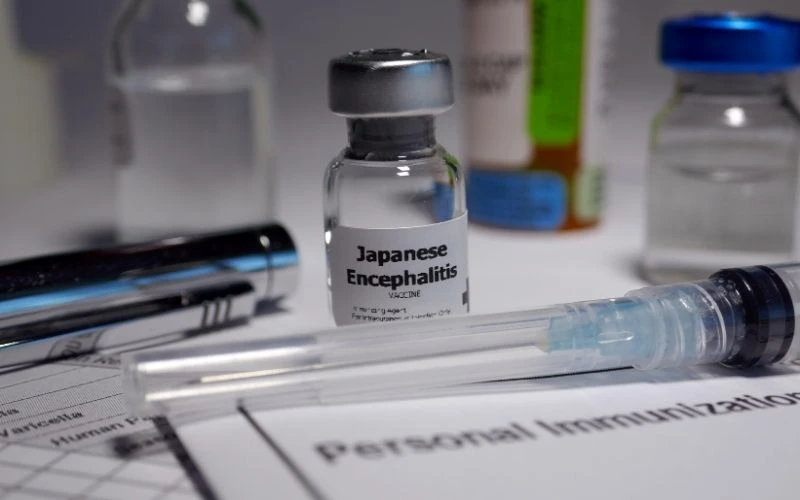
Japanese encephalitis occurs in rural agricultural areas throughout Asia and is transmitted by bites from the Culex tritaeniorhynchus mosquito. These mosquitoes breed where there is abundant water, such as in rice paddies, and feed primarily on birds and domestic animals, especially pigs and wading birds. The Culex mosquitoes are most active at dusk and during the night, so there is less chance of Japanese encephalitis transmission during daylight hours.
The IMOJEV vaccine is now available at clinics across Indonesia. Travelers are still encouraged to arrange vaccination before departure when possible, but vaccination can also be obtained in-country at reputable clinics. Consult your doctor to determine whether the vaccine is recommended based on your travel plans.
Although “encephalitis” means inflammation of the brain, most Japanese encephalitis infections cause no symptoms — fewer than 1% of people infected with the virus become symptomatic. If symptoms do develop, they include nausea, vomiting, headache, and fever. A severe attack may cause coma and has a case-fatality rate of up to 30 percent. Of those who survive severe infections, 30–50 percent may experience permanent neurological, cognitive, or behavioural sequelae such as paralysis or recurrent seizures.
To prevent Japanese encephalitis, sleep in well-screened accommodation and avoid sleeping outdoors near large concentrations of animals. Prevent mosquito bites by using insect repellent, wearing long sleeves and trousers at dusk and night, and sleeping under mosquito nets where screening is unavailable. Consider vaccination when risk is significant.
Prevalence in Indonesia
Indonesia is an endemic country for Japanese encephalitis. Travelers visiting resort areas have a low risk of contracting the disease, but risk increases with rural travel, longer stays, and outdoor activity near agricultural areas. JE cases have been documented in at least 29 provinces across the Indonesian archipelago. Areas of known transmission include Bali, West Kalimantan, East Nusa Tenggara, West Java, East Java, Sulawesi, Maluku (Moluccas), Papua, Sumatra, and Lombok, among others. Bali has the highest reported incidence.
Transmission probably occurs year-round. Peak risk is associated with increased rainfall and rice cultivation. Peak periods include November through March, and June and July in some years. Human cases have been confirmed in Bali, Java, and Lombok.

Additional information on Japanese Encephalitis is available from the US Centers for Disease Control and Prevention.
Japanese Encephalitis Vaccination in Indonesia
The IMOJEV vaccine (produced by Sanofi) is available in Indonesia. For adults, a single dose is sufficient. For children, two doses are recommended starting from 9 months of age, with a minimum interval of 1–2 years between doses.
Known vaccination locations include:
- SOS Medika Klinik Cipete, Jakarta
- Saline Clinic Bali, Jl. Sunset Road No.19, Seminyak, Kuta, Badung, Bali
Please contact clinics directly for current pricing, as fees have changed since the 2018 publication of this article. Doctor consultation fees are typically charged separately.
We trust this information will assist you in making correct choices regarding your health and welfare. However, it is not intended to be a substitute for personalised advice from your medical adviser.
Our appreciation to the Coordinating Doctors of International SOS, an AEA Company who contributed to the original version of this article. Corrections and updates verified against WHO, CDC, and peer-reviewed sources (June 2026).