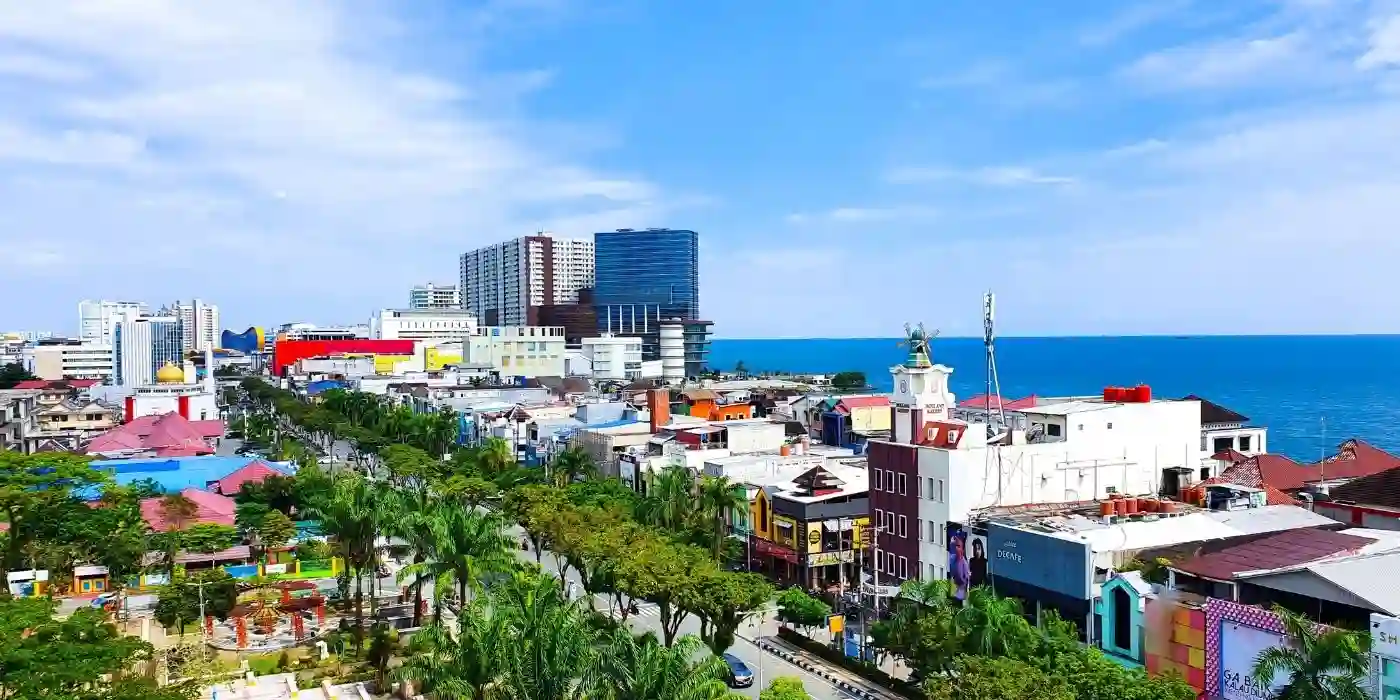
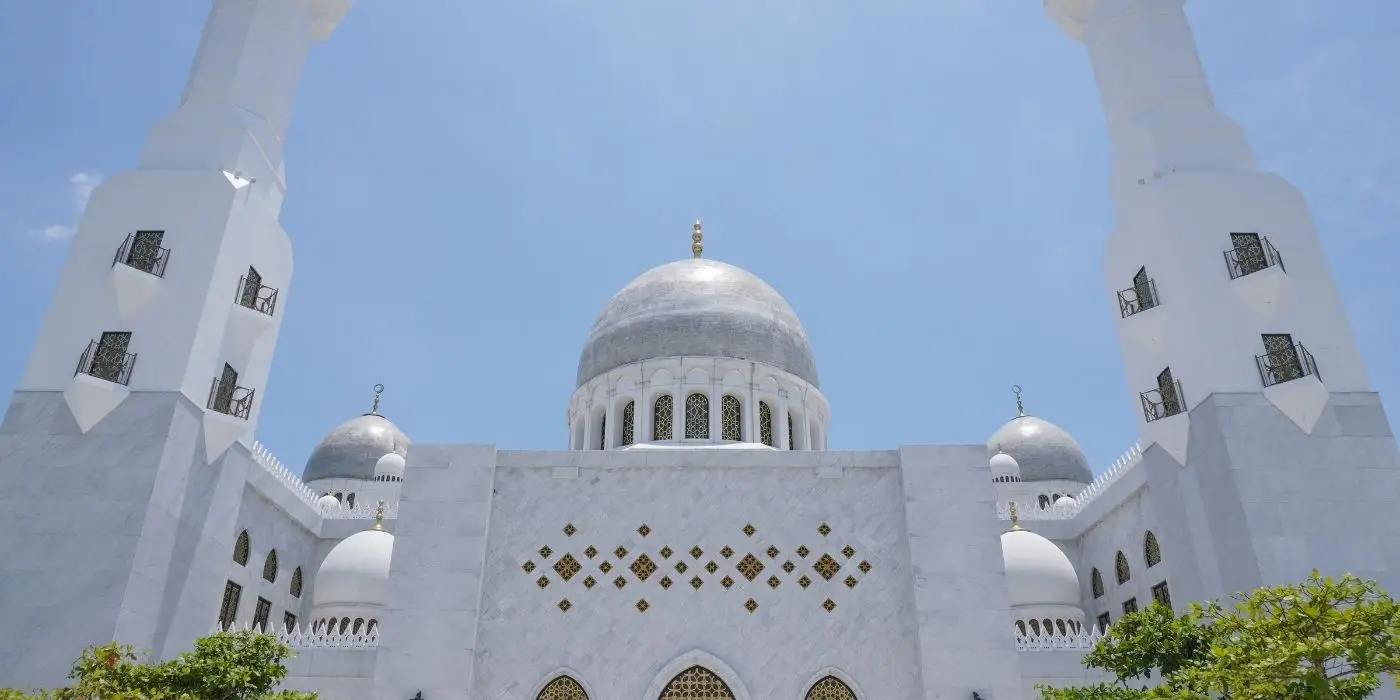
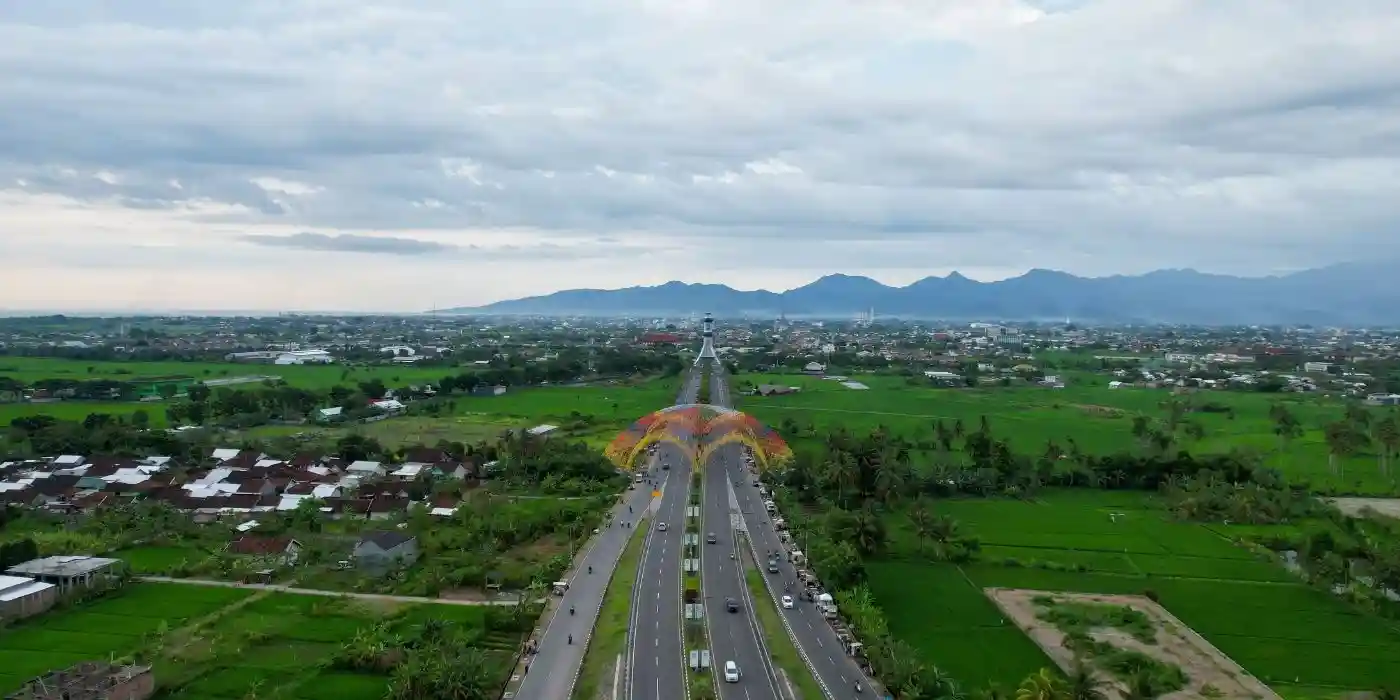
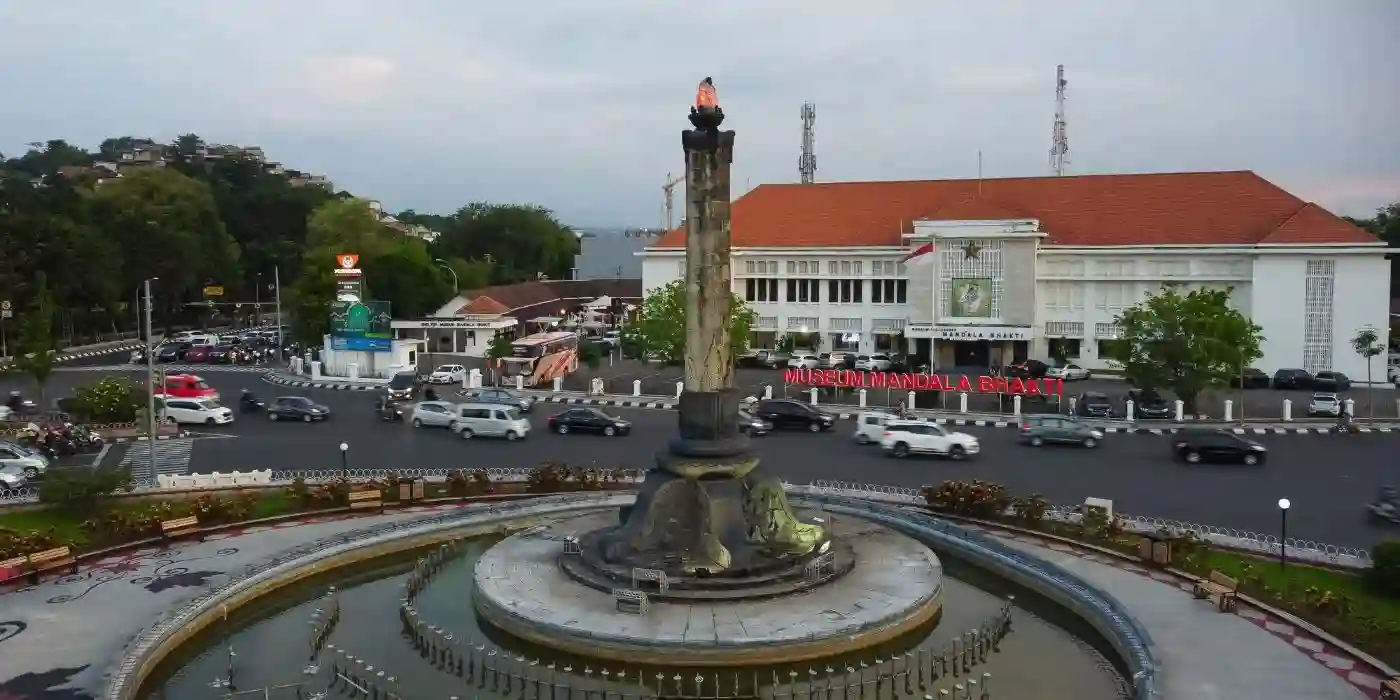
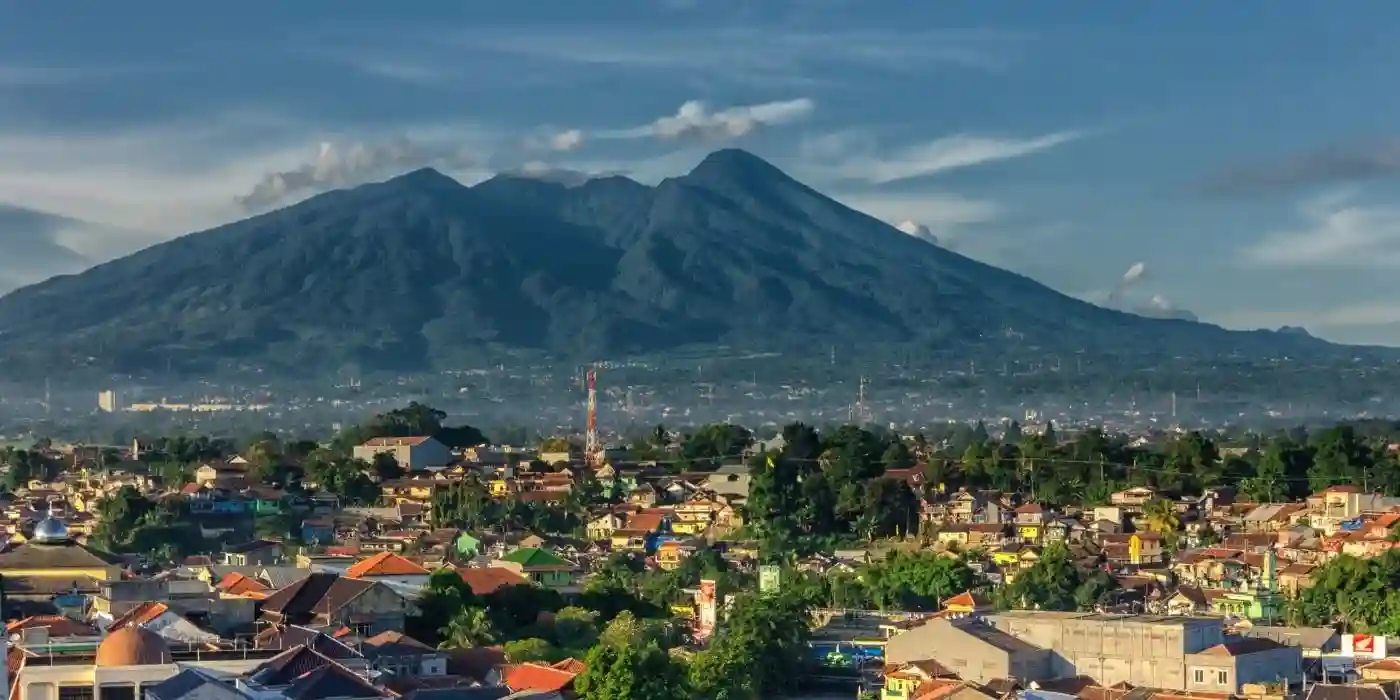
Bandung, the capital of West Java, is located approximately 150 km southeast of Jakarta and has long been a popular destination for both Indonesian and expatriate residents. Known for its cooler climate, scenic surroundings, and relaxed atmosphere, Bandung offers a different pace of life compared to the capital.
Often described as a university town, Bandung has a strong academic and creative identity, supported by some of Indonesia’s leading universities and a growing innovation economy. In recent years, the city has evolved into a vibrant lifestyle destination, known for its café culture, creative industries, and weekend tourism. It continues to attract expats who are looking for a more balanced lifestyle while still having access to Jakarta when needed.
With the introduction of the Jakarta–Bandung high-speed rail, Bandung is now also being considered by professionals who work remotely or only need to travel to Jakarta occasionally.
Why Expats Choose Bandung
For many expatriates, Bandung offers a welcome contrast to Jakarta. The cooler climate, greener surroundings, and generally slower pace of life are often cited as key reasons for choosing to live here. While the expat community is smaller, it tends to feel more personal and easier to integrate into.
At the same time, this smaller scale means that international facilities, schools, and services are more limited. For some, this is part of the charm. For others, particularly families with older children or those requiring specialised services, it may require more planning.
Getting There and Accessibility
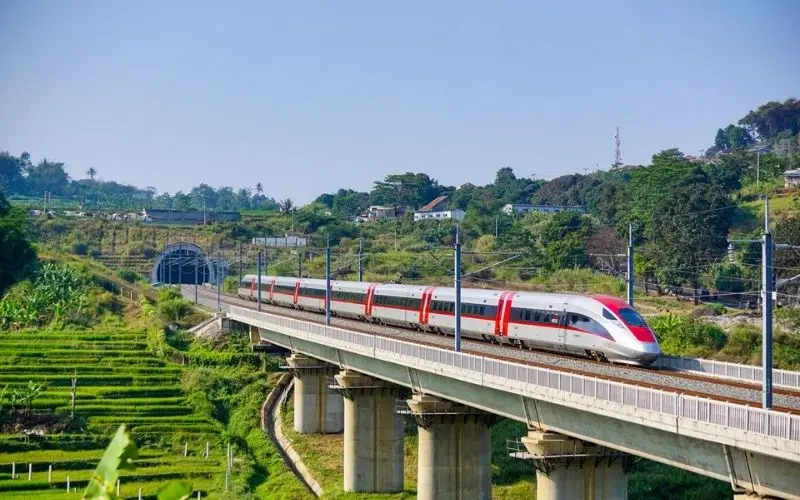
Travel between Jakarta and Bandung has improved significantly in recent years. By car, the journey via the Cipularang toll road typically takes around two to three hours, although this can increase considerably depending on traffic, particularly on weekends.
The Jakarta–Bandung high-speed rail (Whoosh) now connects Halim in Jakarta to Padalarang in approximately 40 to 50 minutes. From Padalarang, passengers continue into central Bandung via a connecting train or shuttle service.
There is also a comfortable conventional train option from Jakarta to Bandung, which many expats still prefer. While the journey takes longer, typically around three hours or more depending on the service, it is a more economical choice and offers an enjoyable ride through West Java’s scenic landscapes. Unlike the high-speed rail, these trains arrive directly in central Bandung, making it easier to access hotels and accommodation without additional transfers.
Despite these improved transport options, Bandung remains one of the most popular weekend destinations for Jakarta residents. As a result, traffic into and within the city can become extremely heavy from Friday afternoon through Sunday evening.
City Character and Daily Life
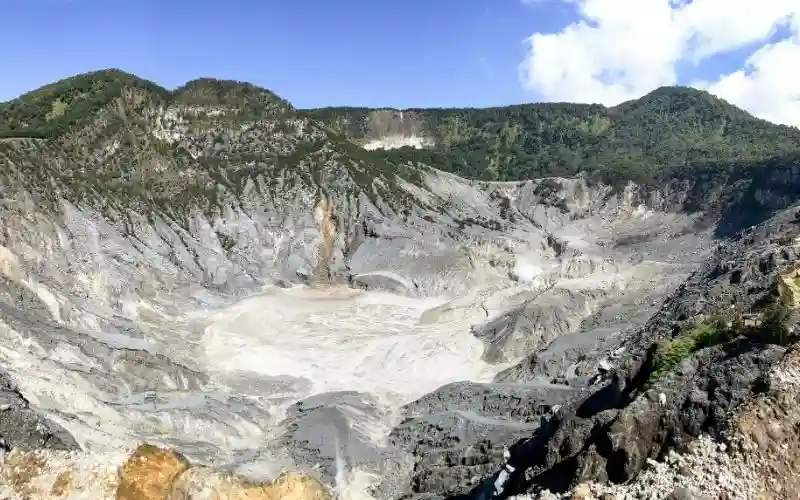
Bandung’s elevation gives it a noticeably cooler climate than Jakarta, which is one of its most appealing features. The surrounding hills and tea plantations add to its charm and provide easy access to nature.
However, Bandung is no longer the quiet retreat it once was. Rapid development has brought increased congestion, busier commercial areas, and greater pressure on infrastructure. In some parts of the city, localized flooding can occur during heavy rains, so choosing the right residential area is important.
Where Expats Live in Bandung
Most expatriates tend to settle in the northern parts of the city, where the air is cooler and residential environments are generally more spacious. Areas such as Dago, Setiabudi, and Lembang are particularly popular, offering a mix of standalone houses and gated communities.
These areas are also closer to many of the city’s international schools and lifestyle amenities, making them a practical choice for families.
Housing in Bandung
Housing in Bandung is generally more affordable than in Jakarta, although the gap has narrowed in recent years as demand has increased. Properties range from modest homes to large villas, and the condition and quality can vary significantly.
Rental prices depend heavily on location, size, and whether the property is furnished. While it is still possible to find reasonably priced housing, expat-style homes in desirable areas can command higher rents than many newcomers expect. As with most markets in Indonesia, prices can fluctuate, so it is advisable to verify current rates before committing.
Transportation
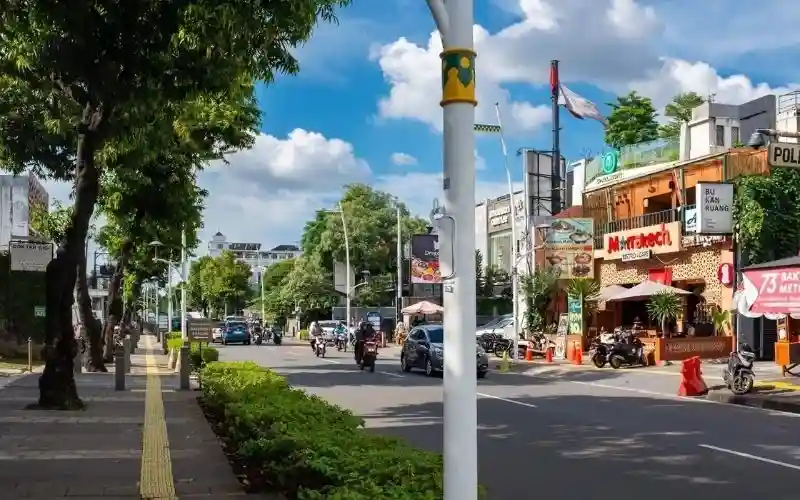
Getting around Bandung can be more challenging than many expats initially expect. The city was not designed for the volume of traffic it now handles, and this is reflected in its road network.
Many streets are relatively small, and a large number of them operate as one-way systems. This can make even short distances feel longer, particularly for those unfamiliar with the layout of the city. Navigation is not always intuitive, and routes that look simple on a map can take unexpected detours.
This situation becomes even more noticeable on weekends, when large numbers of visitors from Jakarta travel into Bandung. Traffic congestion can increase significantly, especially in popular shopping and dining areas.
Public transportation options remain limited, so most expats rely on private cars, drivers, or ride-hailing services such as Gojek and Grab. These apps are widely used and form an essential part of daily life, covering not only transport but also food delivery and errands. Cashless payments through QRIS and mobile apps are now commonly accepted across the city.
Work and Business Environment
Bandung is not typically a primary base for multinational corporations, but it has developed a growing presence in education, technology, and creative industries. The city’s strong university network continues to support this development.

With the rise of remote and hybrid work, Bandung has become an increasingly attractive option for professionals who want to live outside Jakarta while maintaining professional connections. That said, most corporate roles for expatriates are still based in Jakarta.
Education in Bandung
Bandung offers a selection of schools, although the range of international-standard options is more limited compared to Jakarta. One of the most established institutions is Bandung Independent School (BIS), which offers an internationally recognized curriculum and has served the expat community for many years.
Families should take time to carefully review curriculum options, accreditation, and the overall student environment when selecting a school. For those with older children, particularly those preparing for international university pathways, schooling can be a deciding factor in whether Bandung is the right location.
Healthcare in Bandung
Bandung has a number of private hospitals that provide a good standard of care for routine medical needs. Many facilities offer outpatient services where patients can book directly with specialists without needing a referral.
For more complex or specialised treatment, many expats choose to travel to Jakarta or Singapore, where a wider range of medical services is available.
Shopping, Dining and Lifestyle
Bandung has long been known for its factory outlets, but today it is equally recognized for its café culture and creative lifestyle scene. The city offers a wide range of dining options, from traditional Sundanese cuisine to international restaurants.
Weekend visitors from Jakarta contribute to a lively and dynamic atmosphere, particularly in popular lifestyle districts. This energy is part of Bandung’s appeal, although it does come with increased congestion.
Cost of Living in Bandung
The cost of living in Bandung is generally lower than in Jakarta, particularly when it comes to housing and dining. However, the difference is not as significant as it once was.
As the city has grown in popularity, costs have increased, especially in areas that are popular with expatriates and domestic tourists. Imported goods, international schooling, and certain lifestyle choices can still result in a relatively high monthly budget.
As always, it is advisable to verify current prices when planning a move.
Visa and Residency
Expats living in Bandung must hold the appropriate visa or residency permit. This may include an employer-sponsored KITAS, a retirement visa, or one of the newer visa categories such as the Second Home Visa.
As regulations can change, it is important to confirm requirements through official immigration sources or qualified advisors.
Practical Considerations for Daily Life
There are a few realities of daily life in Bandung that are worth understanding in advance. Traffic can have a significant impact on how long it takes to get around, and weekend congestion is a regular occurrence. In addition, certain areas may experience flooding during heavy rains, depending on drainage conditions.
These are not necessarily obstacles, but they do require some adjustment and planning.
Frequently Asked Questions About Living in Bandung
Is Bandung a good place for expats to live?
Bandung can be an excellent choice for expats who prefer a cooler climate and a more relaxed lifestyle. However, fewer international facilities may be a consideration.
Is Bandung cheaper than Jakarta?
In general, yes, although the gap has narrowed in recent years.
Can you commute from Bandung to Jakarta?
Yes, particularly with the high-speed rail, although daily commuting is still not common.
Is healthcare in Bandung sufficient for expats?
For routine care, yes. For more complex procedures, many expats still prefer Jakarta or Singapore.