
Editor’s note:
This page has been reviewed and updated to reflect current conditions in Malang. While many of the places and services mentioned continue to exist, readers should verify practicadl details such as contact information, school availability, and medical providers directly before making decisions.
Community
Welcome to East Java. The Malang area has long attracted expatriates and international families who are looking for a more relaxed lifestyle while still having access to essential services.
The community stretches from Blitar and Gunung Kawi to Malang, Lawang, and Batu, with many places in between. Over time, this region has developed a supportive network of international residents who help one another adjust to Indonesian culture and daily life.
For many expatriates, one of Malang’s strongest advantages is its sense of community. Compared to larger cities, it is easier to build relationships, and daily life often feels more personal and connected.
Necessities
Malang and Batu are large enough to provide most day-to-day necessities while still offering a slower and more manageable lifestyle than Indonesia’s major urban centres.
Residents will find schools, hospitals, supermarkets, traditional markets, and shopping centres locally. For more specialised services or international-standard facilities, Surabaya is typically the next step.
Malang has domestic air connections, while Surabaya’s Juanda International Airport, approximately two to three hours away depending on traffic, serves as the main international gateway for East Java. Malang is also well connected by train to other major cities across Java.
The surrounding highlands give Malang a reputation as a resort-style destination, with access to mountains, beaches, waterfalls, and family attractions.
Getting Here
Abdul Rachman Saleh Airport (MLG) serves Malang with domestic flights, particularly to Jakarta. Flight schedules can change, so it is always advisable to confirm routes before making travel plans. Due to its location, flights may occasionally be affected by weather conditions.
For international travel, most residents use Juanda International Airport in Surabaya.
Malang is also accessible by train, with regular connections to major cities across Java. Many residents prefer train travel for its comfort and reduced stress compared to driving.
Expat Life
Malang’s appeal lies in its cooler climate and slower pace of life. It offers a different experience from Jakarta, with less congestion and a stronger sense of connection to the surrounding environment.
Recreational opportunities are abundant. Residents can hike in nearby mountain ranges, visit waterfalls, explore the beaches along the south coast, or spend time in Batu, which is known for its family-friendly attractions such as Museum Angkut and other Jawa Timur Park Group venues.
Life in Malang often feels more integrated with Indonesian community life than in larger cities. For many expatriates, this is one of its greatest strengths.
Temporary Housing
Visitors and new arrivals will find a range of short-term accommodation options in Malang.
Well-established hotels such as Hotel Tugu Malang and The Shalimar Boutique Hotel continue to be popular choices. These properties offer very different experiences, from heritage-style accommodation rich in Indonesian culture to boutique residential comfort.
Guesthouses are also widely available and can provide a more personal and home-like environment, particularly for longer stays.
Resident Housing
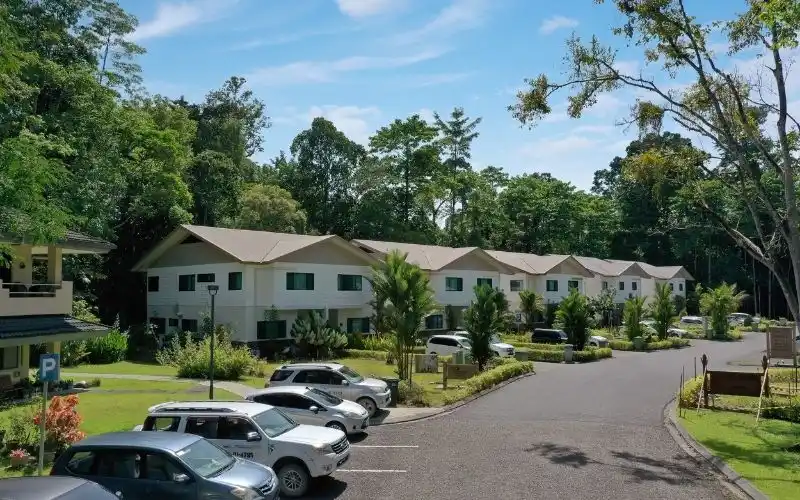
Malang offers a variety of housing options, including standalone homes, villas, and properties in planned residential communities.
Commonly known residential areas include Istana Dieng, Araya, and Tidar. Housing styles and environments vary, so it is worth exploring different neighbourhoods to find the best fit.
Rental arrangements in Indonesia can differ from what many expatriates are used to. Payment terms, lease duration, and maintenance responsibilities should all be clearly understood before signing any agreement.
It is also advisable to confirm property ownership status and ensure that the lease arrangement is appropriate for expatriate occupancy.
Schools
Malang has several private and internationally oriented schools that are used by expatriate and internationally minded families.

Among the better-known options are:
- Charis National Academy
- Wesley School
- Bina Bangsa School (Malang campus)
Parents should always contact schools directly to confirm curriculum, accreditation, language of instruction, and admissions requirements, as these can change over time.
Learning the Local Language: Bahasa Indonesia
Living in Malang becomes significantly easier if you can speak some Bahasa Indonesia. English is not widely used in everyday situations, especially outside schools and certain business environments.
Even a basic working knowledge of the language will help with shopping, managing household staff, interacting with service providers, and building stronger local relationships.
Universitas Negeri Malang is one of the institutions that offers language-related programs.
Health Care
Malang offers adequate medical care for many routine health needs. However, standards and facilities can vary, and it is important to identify providers that meet your personal expectations and insurance requirements.
For more complex or specialised treatment, many expatriates choose to travel to Surabaya, Jakarta, or Singapore.
Before relying on any facility, it is strongly recommended to confirm hospital capabilities, emergency services, and whether international insurance is accepted.
Shopping
Malang offers a practical mix of modern retail and traditional markets.
Shopping centres such as Malang Town Square (MATOS) and Mal Olympic Garden (MOG) provide access to supermarkets, retail outlets, and dining options. Traditional markets continue to play an important role in daily life, offering fresh produce and local goods.
For items that are difficult to find locally, residents often travel to Surabaya or use online shopping services.
Culture, Recreation and Entertainment
One of the advantages of living in Malang is the opportunity to explore both culture and nature.
Batu, just outside Malang, is home to a number of well-known attractions, including Museum Angkut and other Jawa Timur Park Group venues. Hawai Waterpark is another popular family destination.
Outdoor activities include hiking, visiting waterfalls, and exploring the beaches along the south coast. These beaches are beautiful but can have strong currents, so it is important to follow local safety advice.
Malang also offers cinemas, cafés, and a wide range of casual entertainment options, including family-friendly karaoke venues.
Restaurants
Malang has a wide variety of dining options, from local Indonesian cuisine to international food.
Restaurant offerings change regularly, so it is best to rely on current reviews and local recommendations to find places that suit your taste.
Hotels such as Hotel Tugu and The Shalimar are also known for their dining environments, although availability and concepts may change over time.
FAQ
Is Malang a good place for expat families?
Malang can be an excellent choice for families who prefer a quieter lifestyle, cooler climate, and a more community-oriented environment than larger cities.
Does Malang have international schools?
Yes, there are several internationally oriented schools, but parents should verify details directly with each institution.
How do expats travel internationally from Malang?
Most residents use Juanda International Airport in Surabaya for international flights.
Is health care in Malang sufficient?
For routine care, it is generally adequate. For specialised treatment, many expatriates travel to larger cities.
Is Malang expensive to live in?
Malang is generally more affordable than Jakarta, particularly for housing and daily living, although costs vary depending on lifestyle.