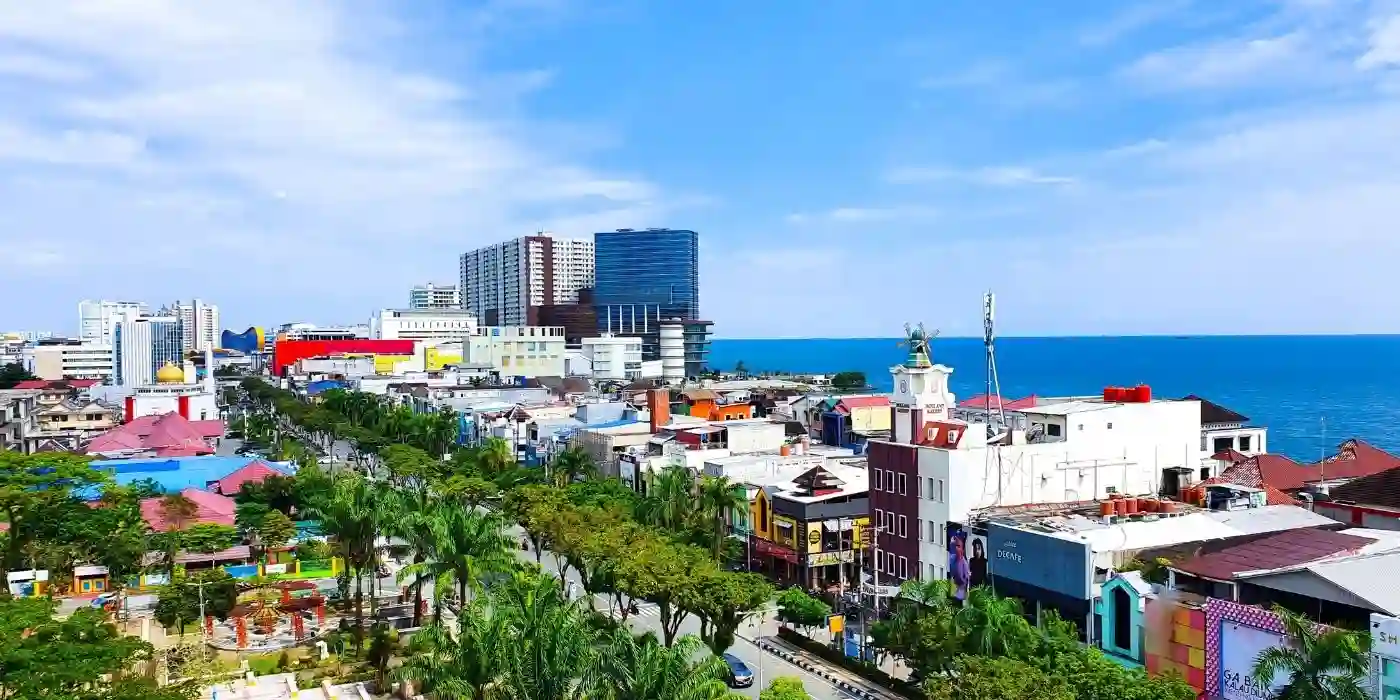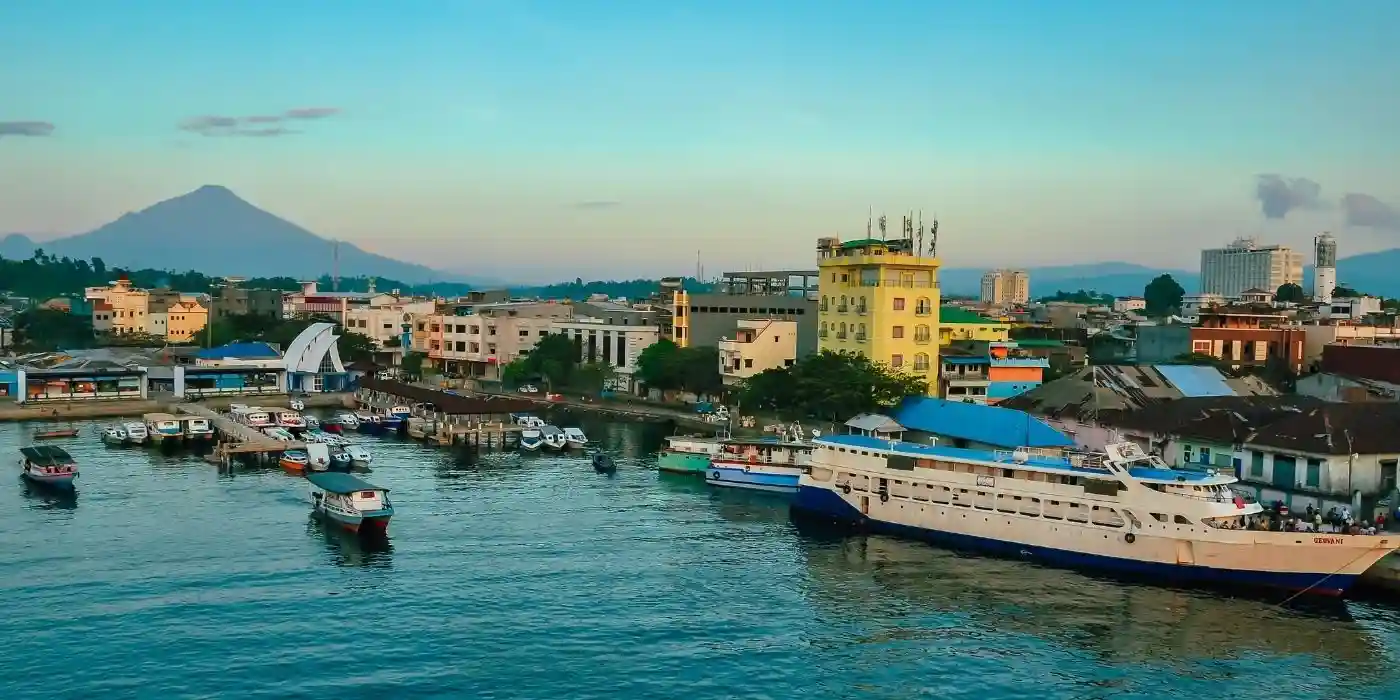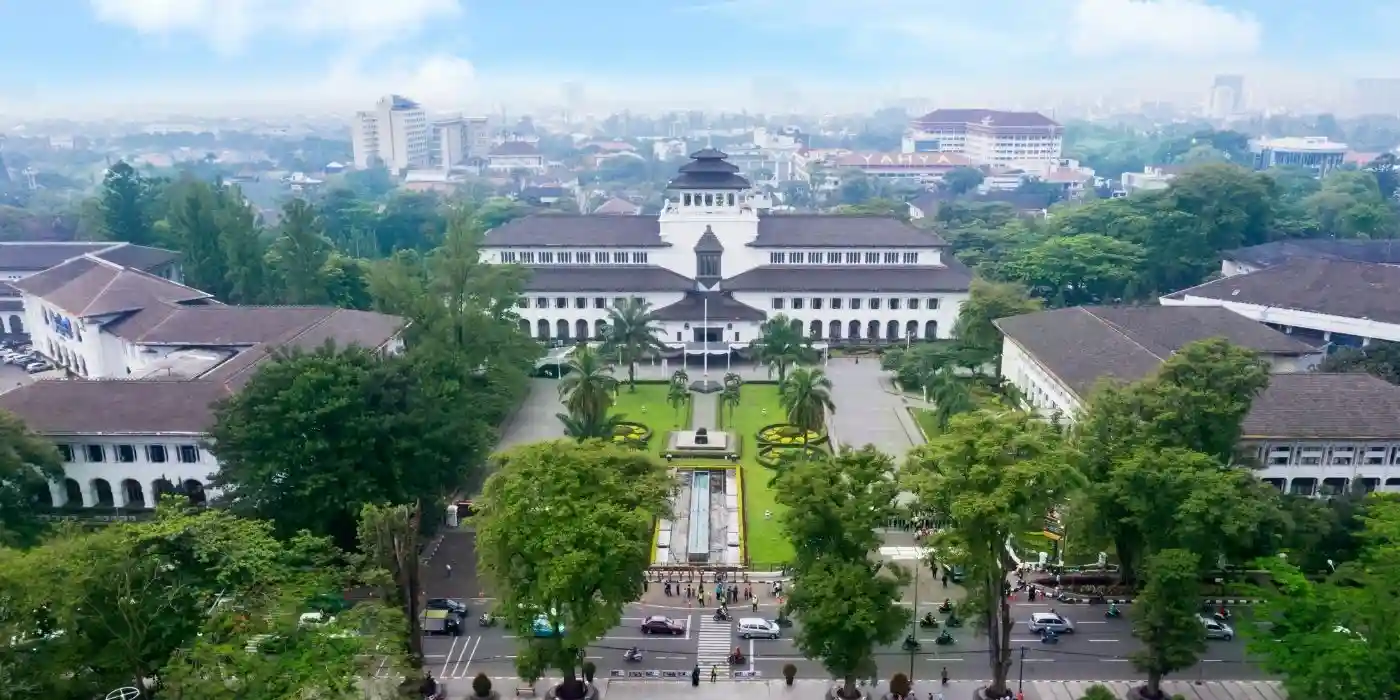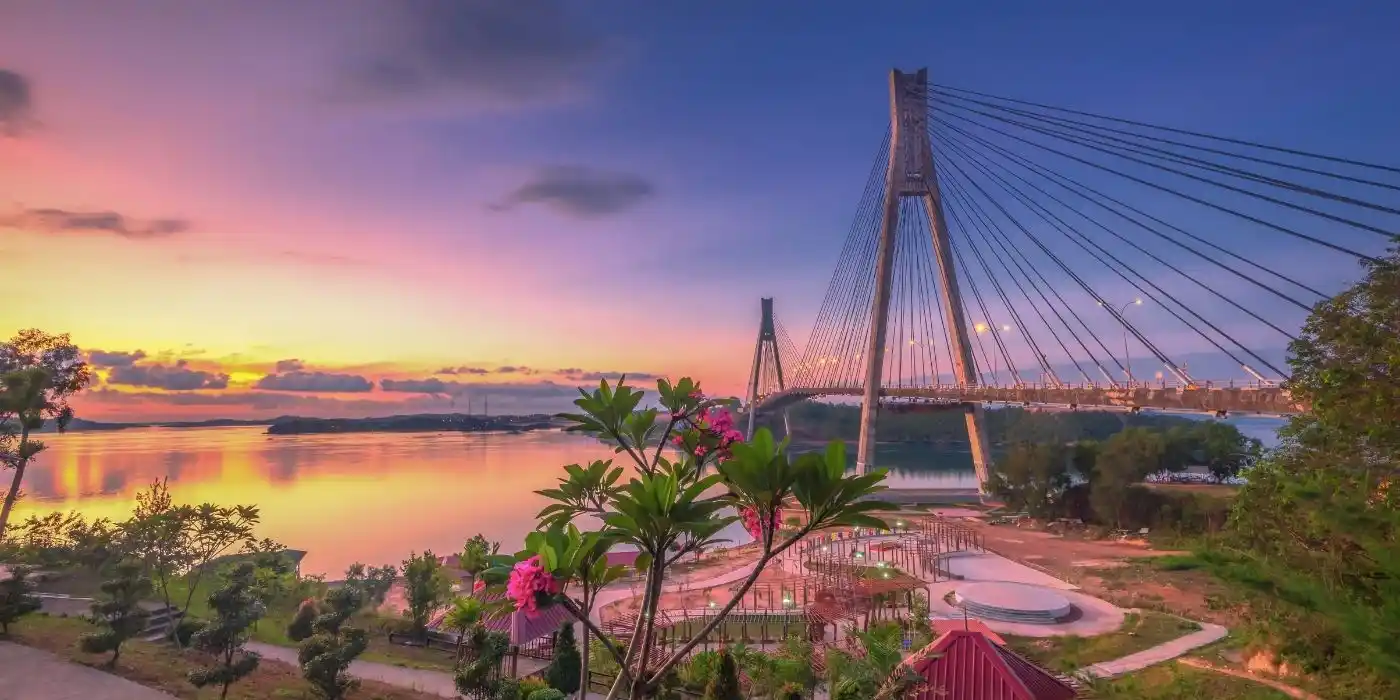

Papua, formerly known as Irian Jaya until 2001, has undergone significant administrative changes in recent years. In 2022, the original Papua Province was formally divided into four new provinces: Papua (the residual northern coastal province, of which Jayapura remains the capital), South Papua, Central Papua, and Highland Papua (Papua Pegunungan). A further new province, Southwest Papua, was created from West Papua in late 2022, giving Indonesian New Guinea a total of six provinces. For expats living in or relocating to Jayapura, the key point is that Jayapura remains the administrative capital of Papua Province and the largest, most accessible and most internationally connected city in the entire region. The restructuring has not materially changed daily life in Jayapura itself, but it is important context for understanding the region you are moving to.
Papua is a melting pot of many ethnic groups in Indonesia. It is hot. It is incredibly beautiful. It is also, in parts, very dirty. Litter, especially plastic bottles and bags, is pervasive, choking storm gutters and otherwise clear running streams feeding into Lake Sentani or the ocean. The people are friendly, and Jayapura city is generally considered safe for day-to-day living. A conservative dress code should be adopted, as is wise throughout Indonesia. It is important to treat everyone with respect. Shorts and sandals should not be worn when visiting government offices. Travel late at night between Jayapura and Sentani is not recommended.
Note on security beyond Jayapura city: The security situation in Papua’s highland interior is significantly different from the coast. Please read the Security section of this article carefully before travelling outside the city.
Our thanks to At Ipenburg for sharing his experiences and knowledge gained through seven years living in Jayapura, and to Sudhir Khanal for contributing updates. The original Guide to Jayapura, Papua by At Ipenburg remains a useful historical reference.
Schooling
Hillcrest School is open to expatriate children whose parents have valid visas to work in Indonesia, as well as to a limited number of Indonesian and other non-mission students. Located in Sentani, the school serves Pre-K through 12th grade and uses an American curriculum with Advanced Placement (AP) options and SAT preparation. Current approximate enrolment is around 150 students. The language of instruction is English, and the school has English Language Learning (ELL) support available. Hillcrest is accredited by the Western Association of Schools and Colleges (WASC) and has a long history of serving the missionary and NGO community in Papua.
Hillcrest School Jalan HIS, PO Box 249 Sentani, Papua 99352 Tel: +62 967 591 460 Email: [email protected] Website: www.hismk.org
Please contact the school directly for current enrolment availability, tuition fees and admissions procedures, as these details are updated annually.
Expatriate Community
Most of the permanent expatriate residents are Christian missionaries or community development workers living in or around the Sentani area. International organisations active in Papua over the years have included UNDP, UNICEF, ILO, Medecins sans Frontieres, Medecins du Monde, Family Health International, and Australian DFAT-funded development programmes, among others. The precise mix of organisations changes with active programmes, so the expat community composition shifts accordingly. There is a Papua New Guinea consulate in Jayapura, and a number of expatriates, including Australians, Dutch and Germans, work with church schools in Abepura.
Recreation
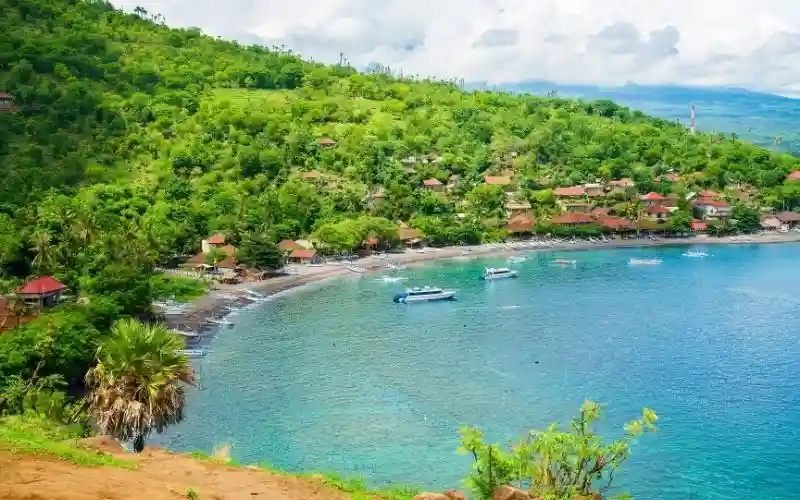
There is a golf club on the side of one of the hills just outside Jayapura. The beach on the far side of Jayapura, Base G, is very pleasant. There are beaches at Hamadi and Haltecamp, also called Black Sands. To reach the Black Sands beach, which is a good boogie boarding beach, you travel through Abepura, past Abe Pantai, and a long way down the coast toward the PNG border. The Hamadi beach is very close to a crowded population centre and has little privacy. Although picturesque, it is not advisable to swim below the governor’s office because of broken glass and poor sanitation, even though locals do. Base G is the best of the easily accessible beaches, but beware of a strong current beyond the reef edge.
Most tourists head inland to Wamena to see the highland Dani people, or south to Agatz to see the Asmat people of the south coast. There is good hiking around Wamena, though you should always check the current security situation and travel with a knowledgeable local guide before heading into the highland interior. If you enjoy hiking, the trail to the waterfalls on Mount Cyclops, which towers over Sentani, is worth considering, though you should verify current conditions, hire a guide, and check whether trails are open before setting out, as the mountain terrain has been affected by past landslides.
Roads now extend quite a distance out of Sentani, and you can drive the entire circumference of Lake Sentani, which is very picturesque. There are some snorkelling beaches out from Depapre, some 30 miles from Sentani, though they are fairly isolated.
For fitness and recreation in the city, the Swiss-Belhotel Jayapura has a gym and a good swimming pool popular with expats. Hotel Aston also has a well-regarded gym frequented by businessmen and expat residents. Hotel Tirta Mandala, next to the stadium in Jayapura, has a watersports centre with a diving club, a fishing club, and boat rentals for trips to nearby islands.
There are also a number of tennis courts around the city where you can join a group for a game. Players generally do not charge a fee, though a contribution toward lighting and maintenance costs is appreciated.
Utilities and Internet Access
Mobile data coverage via Telkomsel, XL Axiata and Indosat is available throughout Jayapura and Sentani. 4G LTE is the standard service across the city, with mobile data being the most practical and reliable internet solution for most residents. Fibre broadband is available in parts of the city. Wi-Fi is available at most hotels and a growing number of cafes.
Electricity supply is less reliable than in Java and power outages do occur. A UPS (uninterruptible power supply) is recommended for anyone working from home or running sensitive equipment. LPG for cooking is more widely available than in earlier years, though supply can still be irregular during periods of high demand.
Ride-hailing apps Gojek and Grab are available in Jayapura and are the most convenient way for expats to get around the city.
Availability of Western Food and Products
Shopping has expanded considerably in recent years and continues to develop. Basic needs are generally available, though not always exactly what you want. Saga Supermarket and Agro Supermarket in Abepura carry some imported foodstuffs. The PTC mall in Jayapura has a number of useful stores covering sporting goods, shoes, food and beverages. Sentani Square mall has a hypermarket and several food stalls and restaurants. A Gramedia bookstore in Jayapura stocks office supplies, stationery and general sundries.
Most residents build their household supplies around what is available locally, and harder-to-find items are typically brought in from Jakarta on return trips, ordered online, or sourced through colleagues. Online shopping via Tokopedia and Shopee has improved availability of goods significantly, with delivery to Papua taking longer than to Java but increasingly reliable.
Please note: specific business names and shopping venues in Jayapura change more frequently than in larger Indonesian cities. Verify current options through local expat networks or your organisation’s local office on arrival.
Expat Lifestyle
As most expatriates live in Sentani, and most have children attending Hillcrest School, the school’s athletic and musical events tend to anchor much of the community’s social calendar. Most attend English-language church services on Sunday mornings. There is not a great deal of organised nightlife. People eat out at local restaurants and gather at spots around Lake Sentani, where open-air dining with views of the sunset over the lake is one of Jayapura’s genuinely lovely pleasures. The food at local Chinese and Indonesian restaurants is generally reliable, with the better establishments also offering some western dishes. Sentani Square and PTC mall both have a range of food outlets.
For Buddhist residents, there is a Vihara in an area called Skyline. For Hindu residents, there are several Pura (Hindu temples) in Jayapura, including one in Skyline between Jayapura and Abepura.
Driving
The road between Sentani and Jayapura is winding, with sharp curves in several places. Motorcyclists are numerous and some take considerable risks when overtaking. Severe traffic accidents are not uncommon on this stretch of road. Drive defensively and allow extra time for the journey.
Housing
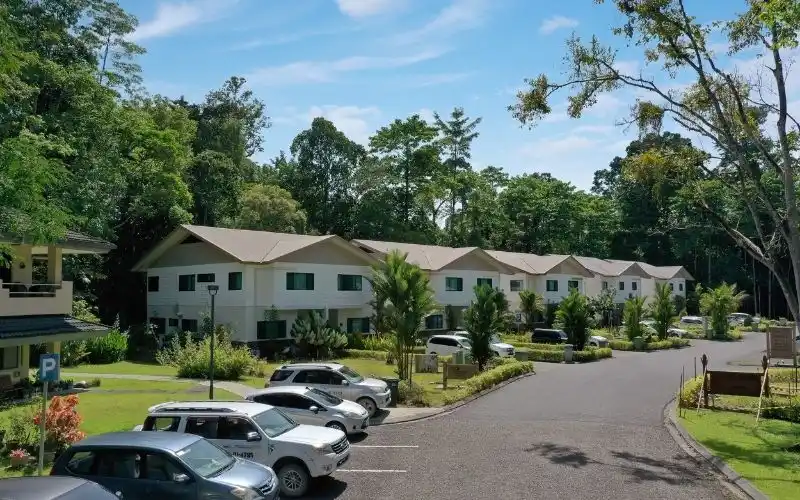
While it is possible to rent reasonable housing, properties with good-sized rooms, moderate yard space, and a degree of privacy are not easy to find and require patient searching. It is almost always necessary to renovate kitchens and bathrooms before moving in. Some of the mission organisations and Hillcrest School have built their own housing along US lines, but these are only available to staff within those organisations.

For expats arriving without pre-arranged accommodation, the Swiss-Belhotel International (four star) in Jayapura remains the best hotel option and serves as a practical base while searching for a longer-term rental. It has a restaurant, lobby bar, ballroom and meeting facilities. Other hotel options include the Sentani Indah in Sentani and the Yasmin Hotel in Jayapura. Verify current hotel status and rates directly, as the hospitality market in Jayapura changes.
Medical Care
For any serious medical situation, evacuation to Jakarta, Singapore or Australia remains the standard approach for most expat organisations. Comprehensive international health insurance that includes medical evacuation coverage is therefore not merely recommended but essential for anyone living in Jayapura.
For day-to-day and moderate medical needs, Dian Harapan Hospital (RSU Dian Harapan) in Waena is the most frequently used hospital by expats in the Jayapura area and is run by a Christian mission foundation offering a higher standard of care than the general public hospitals. There are also basic public hospitals in Jayapura and Abepura.
Malaria is a serious and active risk in Papua. Papua accounts for the large majority of Indonesia’s malaria cases and all expats relocating to Jayapura should consult a travel medicine specialist before arrival to discuss prophylaxis options, and should practise rigorous mosquito bite prevention at all times. See the Malaria section of this site for full details.
Security
Jayapura city is generally considered safe for day-to-day expat life. However, the security situation in Papua’s highland interior is significantly different and must be taken seriously.
There are regular violent clashes in the provinces of Papua Pegunungan (Highland Papua) and Papua Tengah (Central Papua), and in towns near their borders, often involving armed groups, civilians, police and the military. The risk of kidnapping is higher in these provinces and in towns close to their borders, and foreign nationals and expatriates working for international organisations may be at risk. In February 2023, a New Zealand national was taken hostage by an armed group in Paro, Papua Pegunungan Province. After over 500 days in captivity, he was released in September 2024. In 2024, another foreign pilot was killed in Papua, and the threat of further violence and civil unrest remains.
The US government advises Do Not Travel to the provinces of Central Papua (Papua Tengah) and Highland Papua (Papua Pegunungan) due to civil unrest, noting that US government employees must obtain special authorisation before travelling to those areas. The Canadian government advises avoiding non-essential travel to all provinces of Indonesian Papua, with the exception of the Raja Ampat Islands and the city of Sorong in Southwest Papua, citing regular violent incidents and threats made against foreigners by armed groups.
For expats based in Jayapura itself, the following practical steps are strongly recommended: register with your home country’s embassy on arrival; monitor your government’s travel advisory pages regularly; follow your organisation’s security protocols for any travel outside the city; and never travel into highland areas without thorough advance planning, local knowledge, and if required, coordination with your organisation’s security team. Your employer or mission organisation should have current, location-specific security briefings that are more detailed than any public guide can provide.
Nearby Sights to See
The islands on Lake Sentani are worth a trip to see traditional bark paintings, and the more remote islands such as Bukisi and Tablanusu make excellent weekend outings by boat. Driving the full circumference of Lake Sentani is a pleasant half-day trip and gives a good sense of the landscape and the lake communities.
Primary Employers of Expats
The mission organisations and Hillcrest School account for the majority of the permanent expat community. At Timika, approximately 300 km to the southwest, Freeport Indonesia’s Grasberg copper and gold mining operation is the dominant employer of international workers in the broader region.
Books About Papua
Peace Child and Lords of the Earth, both by Don Richardson, remain among the most readable accounts of the local peoples and their beliefs and are recommended background reading for anyone moving to the region.
For current news and local perspective on Papua, the Tabloid Jubi (jubi.id) is the most respected independent Papuan news outlet and publishes content in both Indonesian and English. For those taking up NGO or development roles, the UNDP Papua Human Development Report provides useful background on the province’s social and economic context.
Frequently Asked Questions
Is Jayapura safe for expats?
Jayapura city is generally considered safe for day-to-day living. However, Papua’s highland interior, particularly Central Papua and Highland Papua provinces, are subject to ongoing armed conflict and multiple governments currently advise against travel to those areas. Expats should register with their embassy on arrival and follow their organisation’s security guidance.
Is there malaria in Jayapura?
Yes. Papua accounts for the large majority of Indonesia’s malaria cases and the risk in the Jayapura and Sentani area is significant. Consult a travel medicine specialist before arrival and take malaria prevention seriously. See the Malaria page on this site for full details.
What is the best hospital in Jayapura for expats?
Dian Harapan Hospital (RSU Dian Harapan) in Waena is the most commonly used facility by expats. For serious medical situations, most expat organisations arrange evacuation to Jakarta, Singapore or Australia. Comprehensive international health insurance with evacuation coverage is essential.
What international school is available in Jayapura for expat children?
Hillcrest School in Sentani is the only international school in the Jayapura area. It serves Pre-K through Grade 12, uses an American curriculum, and is WASC-accredited. Current enrolment is approximately 150 students. Contact the school directly at [email protected] or visit www.hismk.org.
How do expats get around Jayapura?
Gojek and Grab ride-hailing apps are available and are the most convenient option for most journeys. Many expat families also rent or own a vehicle for the Sentani-Jayapura corridor and for excursions around the lake.
Are there international flights from Jayapura?
Sentani International Airport (Bandar Udara Sentani), located approximately 40 km west of Jayapura city, handles domestic routes to Jakarta and other Indonesian cities. Verify current international route availability directly with airlines or your travel agent before making plans.
Updated March 2026 by the editors of Living in Indonesia. Original article based on the experiences of At Ipenburg (seven years in Jayapura) and updated by Sudhir Khanal (April 2013).
If you have additional information to contribute on living in Jayapura or Sentani, please contact us and we will be happy to incorporate it.