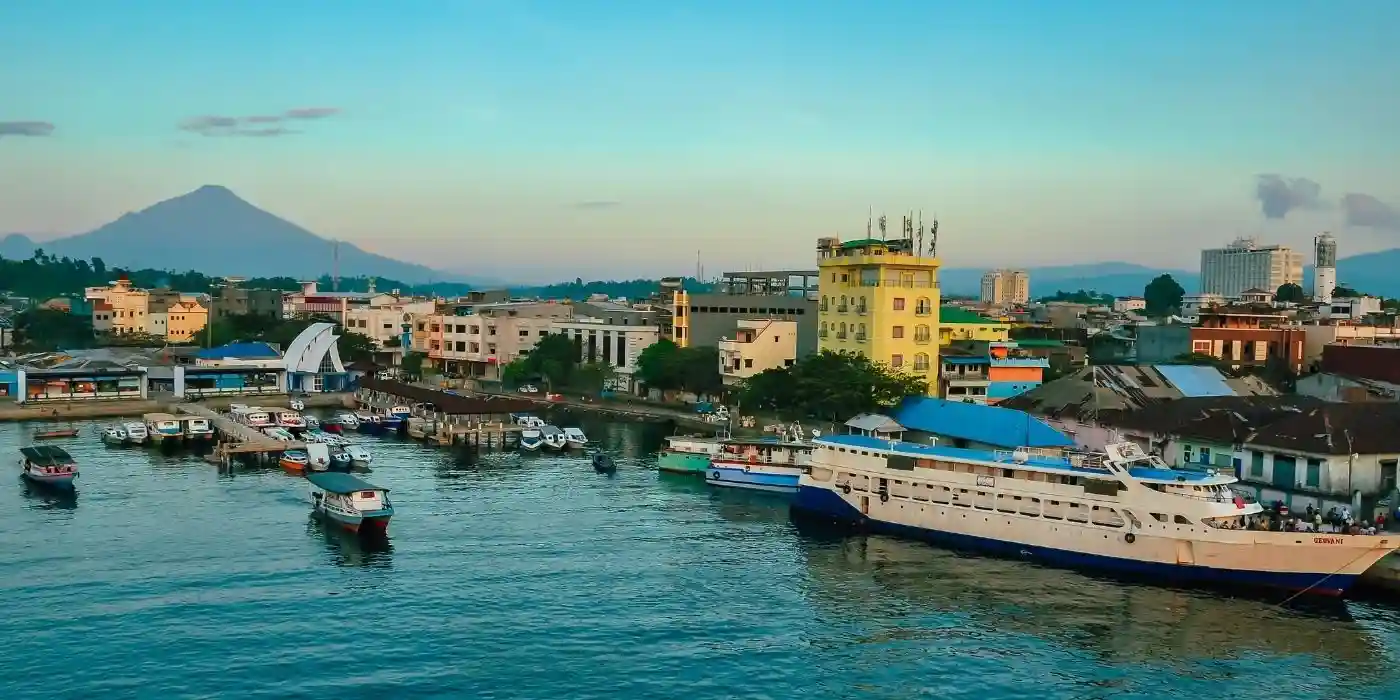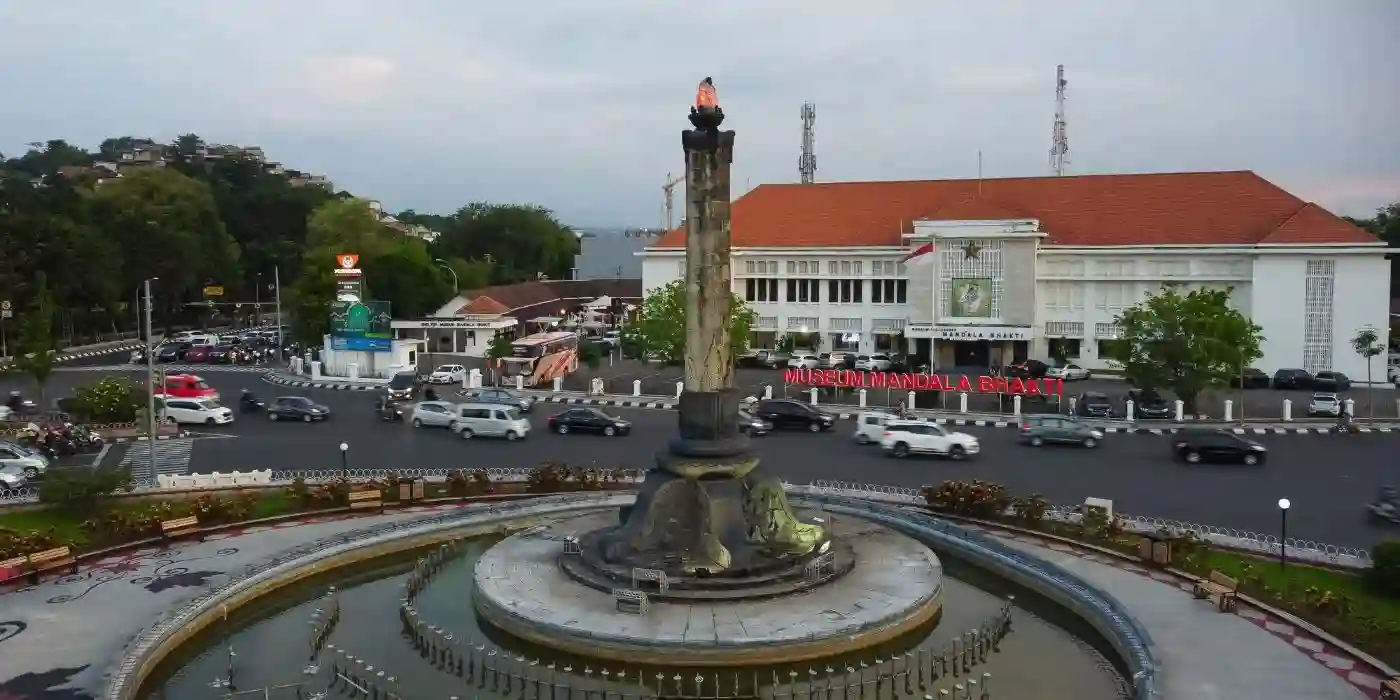

Overview of Expat Life in Batam
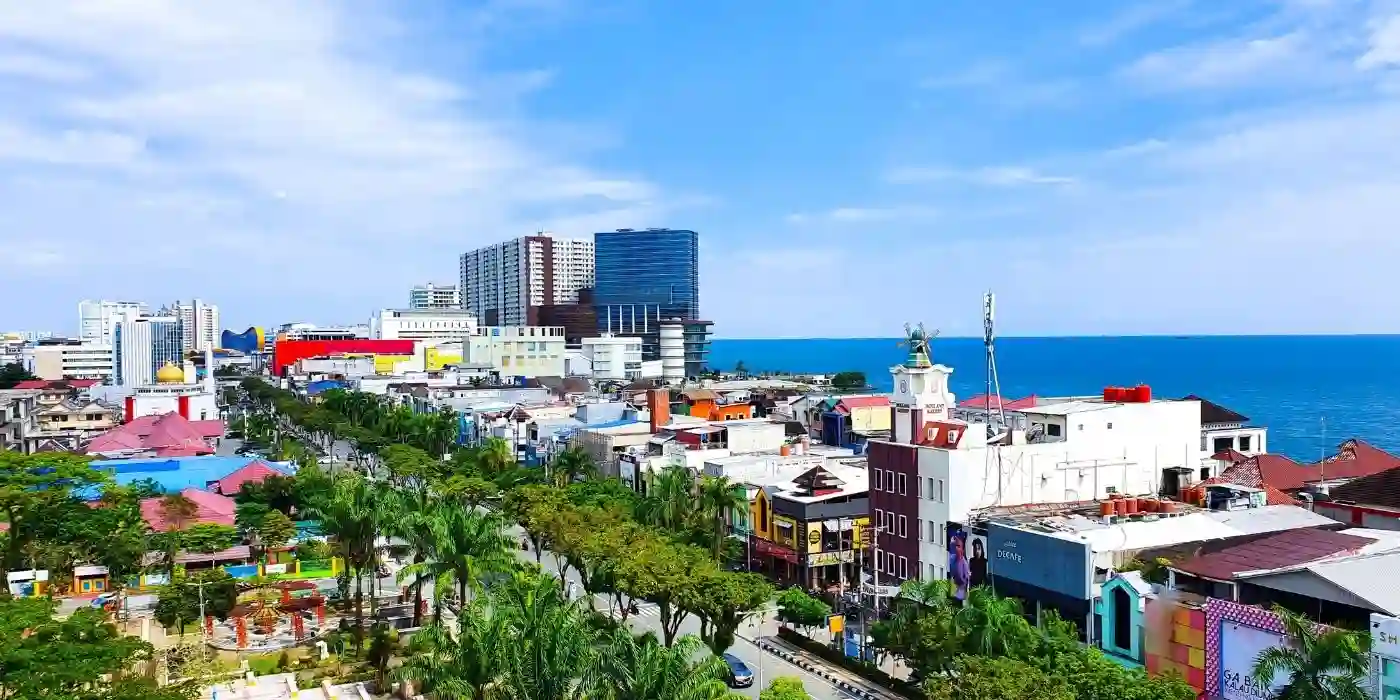
Batam remains a unique destination within Indonesia. Located just 20 km south of Singapore, the island continues to function as a free trade zone and industrial hub, with strong economic ties to Singapore.
As of 2026, the expat population is estimated at 1,500–2,500 residents, significantly higher than earlier figures due to growth in manufacturing, logistics, digital services, and tourism. Many expats are employed in electronics manufacturing, shipbuilding, oil & gas services, and increasingly in hospitality and digital sectors.
Batam’s appeal lies in its proximity to Singapore, lower cost of living, relaxed pace compared to Jakarta, and steadily improving infrastructure. While historically dominated by oil & gas expats, Batam today has a more diverse international community.
Housing in Batam
Batam offers a wide range of housing options, from gated communities to serviced apartments.
Popular expat areas include Batam Centre, Sukajadi, Dutamas, Nongsa, and Panbil. Villa Panbil remains a popular option due to its strong security and facilities, although newer serviced apartments are now widely available.
Security should remain a top priority when selecting accommodation. Lease terms are typically a minimum of one year, although serviced apartments provide more flexibility.
Typical monthly rental ranges from IDR 10–30 million for houses and IDR 12–25 million for serviced apartments.
Schooling
Batam has a limited but solid selection of international-standard schools.
Sekolah Global Indo-Asia (SGIA) remains the leading international school offering IB and Cambridge programs. Other options include Sekolah Kallista, Mondial, Djuwita, and Maitreyawira.
Due to limited choice, some expat families opt for schooling in Singapore.
Sports and Recreation
The city known for golf, outdoor activities, and water sports.
Golf courses include Palm Springs, Southlinks, Tering Bay, and Tamarin Santana. Outdoor activities include visiting the Barelang bridges, mountain biking near Duriangkang Reservoir, and island hopping.
Beaches on Batam are limited, with better options on nearby islands such as Galang.
Utilities and Infrastructure
Infrastructure has improved considerably.
Fiber internet is widely available through providers such as IndiHome and Biznet. Mobile data is reliable.
Electricity supply is more stable than in the past, though occasional outages still occur. Water supply is generally good, though many households use filtration systems.
Medical Care
Healthcare in Batam has improved significantly, with several private hospitals offering good standards of care for general and specialist needs. However, for more complex procedures, many expats still choose to travel to Singapore.
Hospitals in Batam operate with walk-in outpatient facilities, and most doctors—including specialists—have consulting rooms located within hospital outpatient departments. Appointments can be made by contacting the hospital directly and requesting the type of doctor required. There is no need to see a GP before seeing a specialist, and in many cases, it is possible to secure a same-day appointment.
Most hospitals accept a wide range of international health insurance policies provided by employers. Depending on the policy, treatment may be either cashless or reimbursement-based, so it is advisable to confirm coverage details in advance.

If seeking treatment in Singapore, ensure that your employer provides international health insurance coverage, as it is a separate country and costs can be significantly higher.
In emergency situations, medical evacuation to Singapore is typically carried out by speedboat.
Recommended Hospitals in Batam
- Awal Bros Hospital Batam – The most commonly used hospital by expats, offering international-standard services, English-speaking staff, and good insurance support.
- Budi Kemuliaan Hospital – A well-established private hospital with a wide range of specialists and facilities.
- RS Elisabeth Batam Kota – A newer hospital with modern facilities and improving reputation among expats.
Shopping in Batam
Shopping options have expanded significantly.
Major malls include Nagoya Hill Mall, Grand Batam Mall, BCS Mall, and Mega Mall Batam Centre. Supermarkets such as Hypermart and Top 100 offer a mix of local and imported goods.
Traditional markets like Pasar Penuin offer fresh produce at lower prices. Many expats still travel to Singapore for specialty items.
Expat Social Life
In this city the expat community is smaller but active. Social life is centered around Nagoya and Batam Centre, with a growing number of restaurants and cafes.
The community is now more family-oriented compared to the past.
Dining Out
Dining options have improved significantly, with strong seafood offerings and a growing range of international cuisine including Korean, Japanese, Western, Indian, and Middle Eastern food.
Modern café culture is expanding across the island.
Hotels in Batam
Batam offers a wide range of accommodation.
Upscale options include Radisson, Marriott Harbour Bay, Harris Resort, and Wyndham Panbil. Mid-range hotels include I Hotel, Nagoya Hill Hotel, and Swiss-Belhotel.
Batam & Singapore Connection
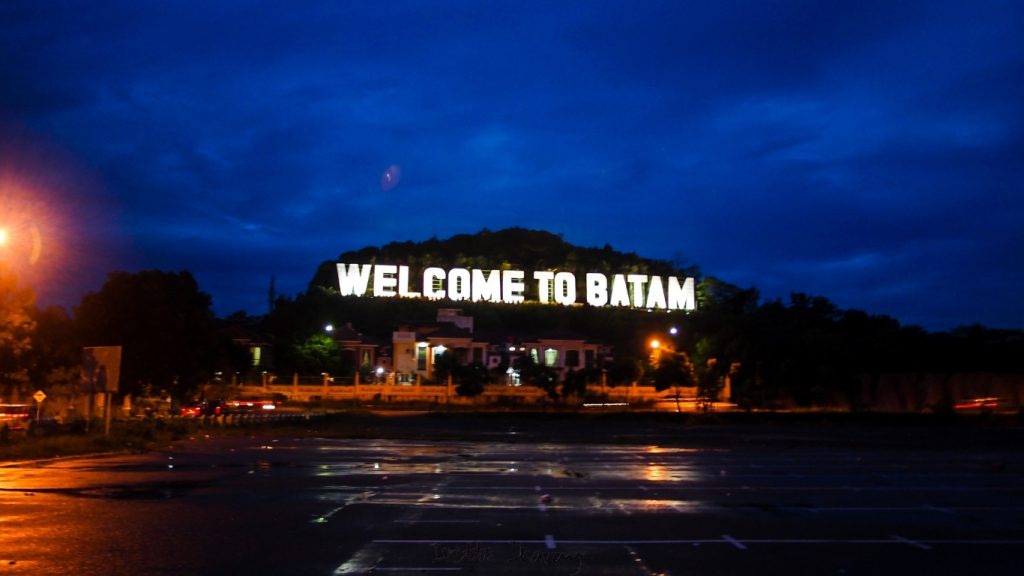
One of Batam’s biggest advantages is its close proximity to Singapore, making it a key transit hub for expats living and working on the island.
There are several ferry terminals in Batam, including Batam Centre, Harbour Bay, Sekupang, and Nongsapura. In Singapore, ferries operate mainly from HarbourFront Centre and Tanah Merah Ferry Terminal.
Ferries run frequently throughout the day, typically every 30 to 60 minutes during peak periods, with a travel time of approximately 45 to 60 minutes.
Passengers must go through immigration on both sides. Upon arrival in Singapore, you will be required to pass through immigration control, so allow extra time during busy travel periods.
For most expats, Singapore serves as the primary international gateway. Travel typically involves taking a ferry to Singapore and flying from Changi Airport.
Batam’s Hang Nadim Airport mainly serves domestic routes within Indonesia and has limited regional international connections. There are generally no regular commercial flights between Singapore and Batam.