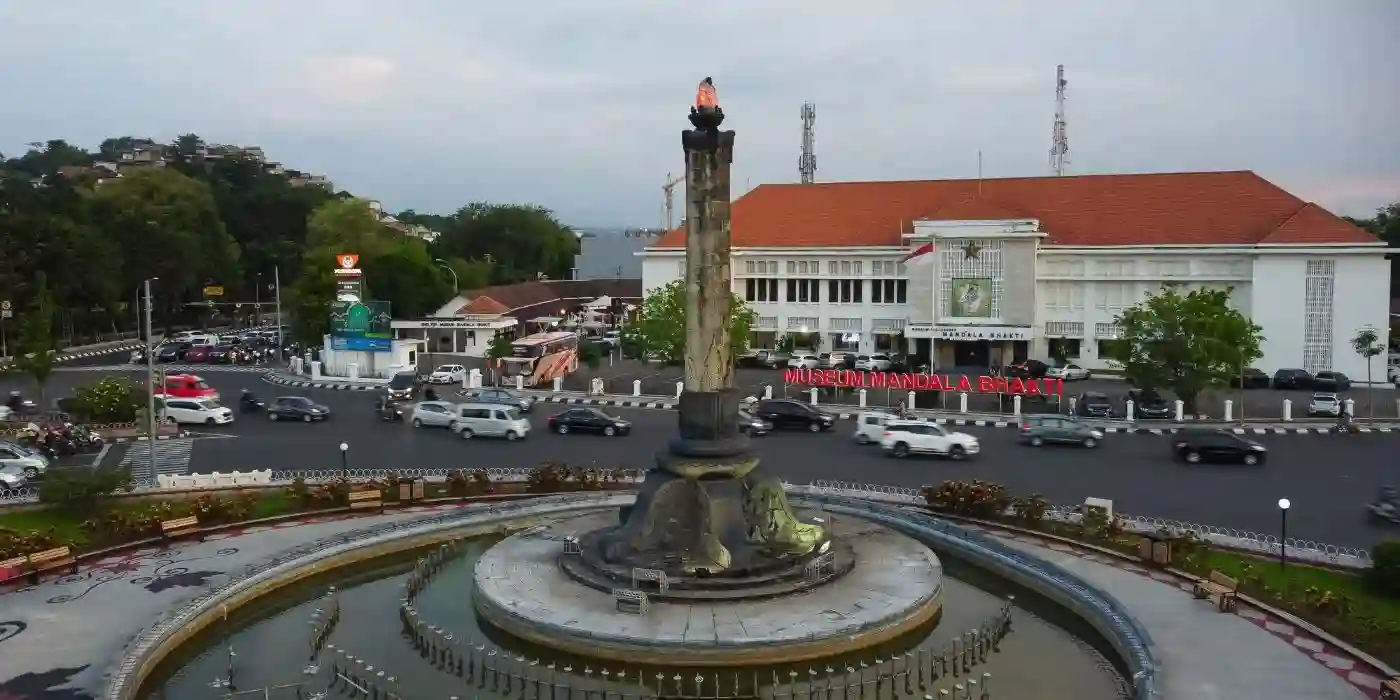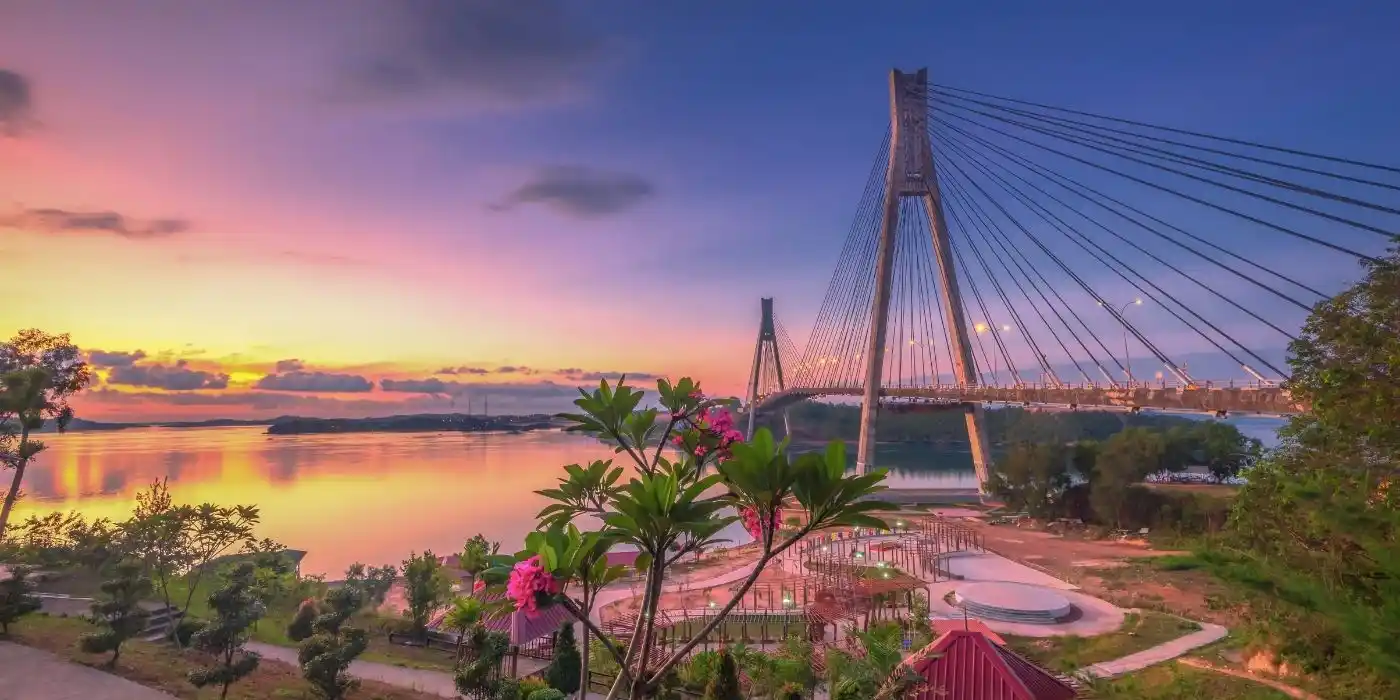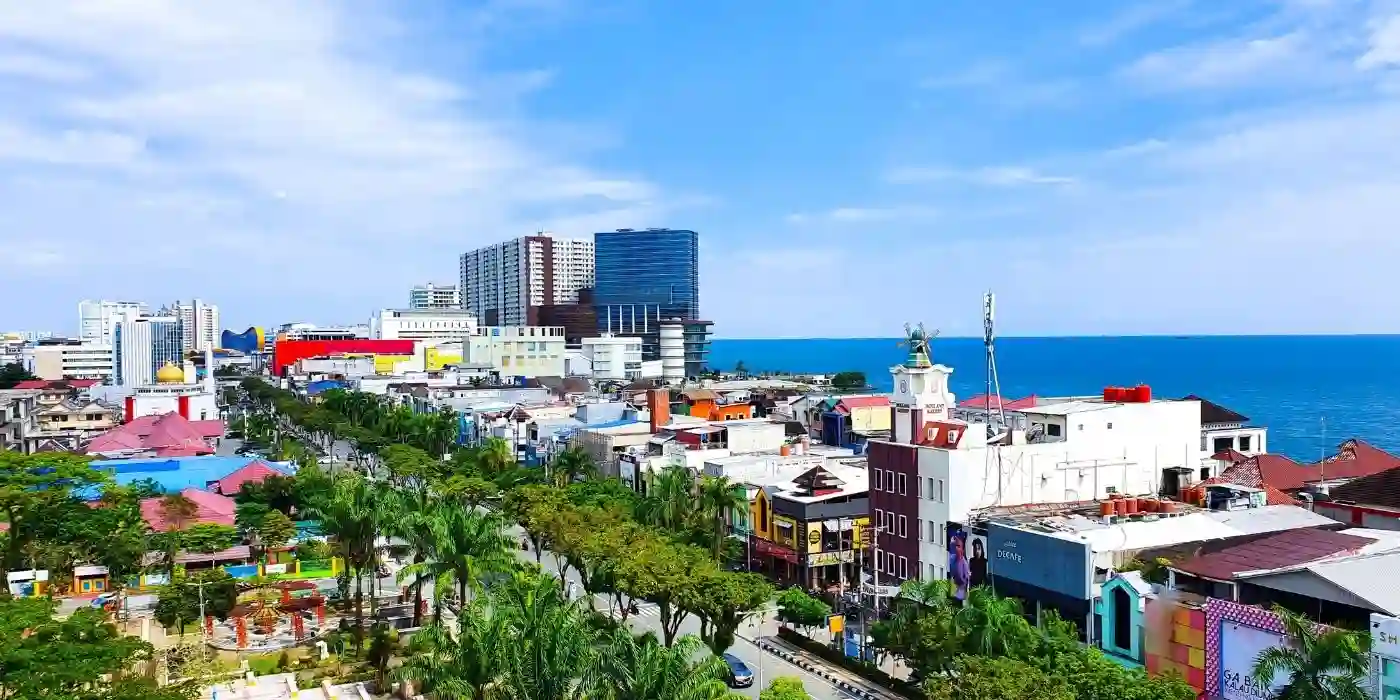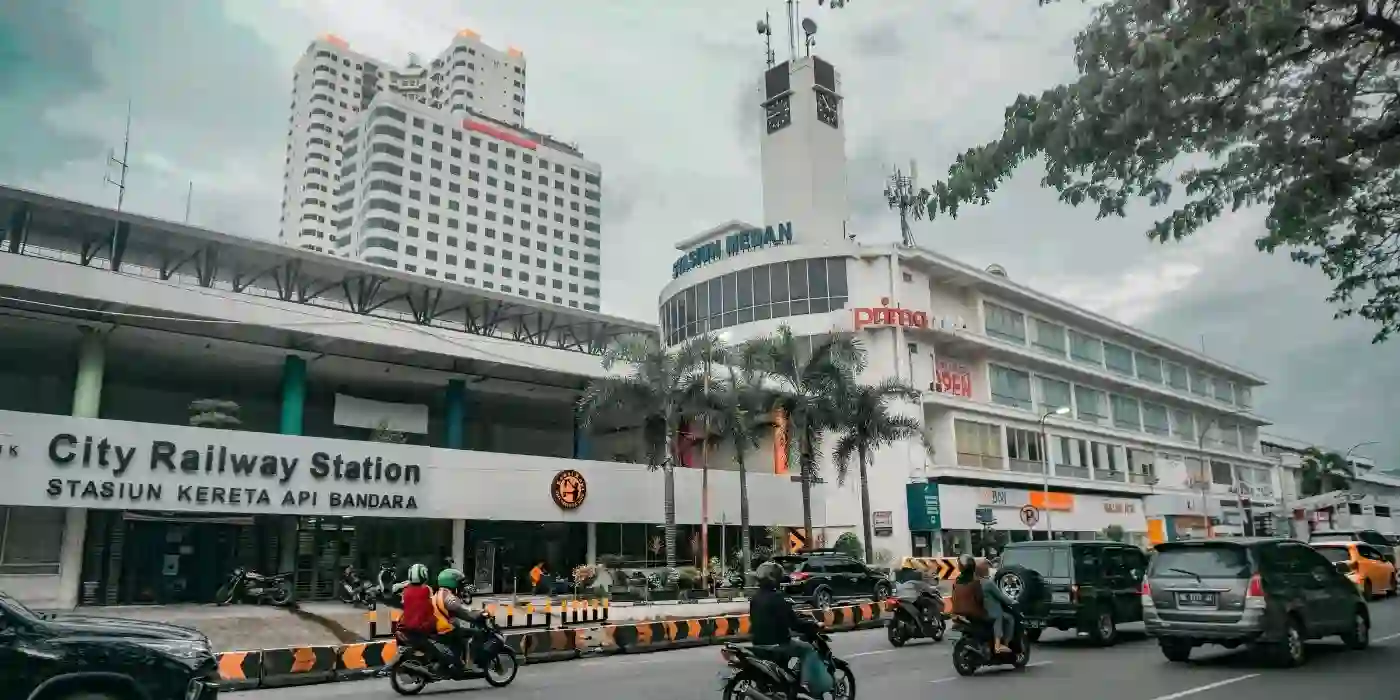

Solo, also known as Surakarta, is located in Central Java and has long been considered one of the cultural hearts of Java. With a population of just over half a million people, it is smaller than nearby Yogyakarta or Semarang, yet it has a strong cultural identity and a long royal history connected to the Surakarta palace.
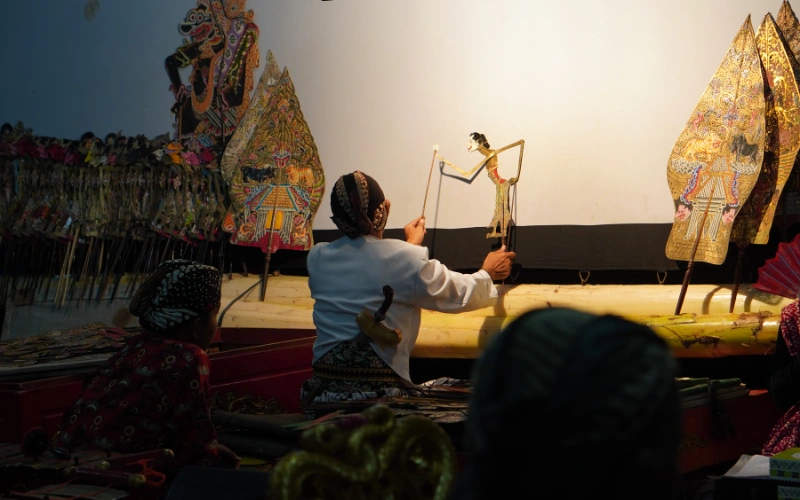
Solo is known for its refined Javanese traditions, batik production, and traditional arts such as wayang kulit and gamelan. Many Indonesians consider Solo to be one of the places where traditional Javanese etiquette and court culture remain particularly strong.
For expatriates, Solo offers a very different lifestyle from Jakarta or Bali. Life tends to be quieter, the pace slower, and the cost of living generally lower. While the expatriate community is small, many foreigners living in Solo appreciate the city’s manageable size, friendly atmosphere, and strong sense of cultural continuity.
The Solo Expat Community
The expatriate population in Solo is relatively small compared with larger Indonesian cities such as Jakarta, Surabaya, or Bali. However, the city has historically maintained an active informal expat network that helps newcomers connect with others living in the area.
The Solo Expats Association (SEA) has traditionally served as a social network for foreigners living in Solo. The association organizes social gatherings, cultural activities, charity events, and a variety of sports activities.
Members often participate in activities such as bowling, go-kart racing, tennis, badminton, cycling, golf, swimming, and yoga. The association has also historically offered a small book exchange library and produced a community newsletter.
As with many smaller expat communities in Indonesia, the level of activity in such associations can fluctuate over time. New arrivals often connect through a combination of expat networks, local community groups, and online messaging platforms.
Lifestyle and Recreation
Despite its smaller size, Solo offers a surprising number of recreational activities.
Sports and Fitness
Several gyms operate throughout the city, including facilities located in hotels and shopping centers. Because gyms and fitness facilities in Indonesian cities sometimes change ownership or management, new arrivals often find it easiest to ask other residents or hotel staff for current recommendations.
Swimming
Several hotels in Solo allow non-guests to use their swimming pools for a day fee. These facilities can provide a pleasant place to relax or exercise, particularly during the hotter months. As access policies and prices can change, it is advisable to contact the hotel directly to confirm availability.
Golf
Golf remains a popular recreational activity in Central Java, and several courses are located within driving distance of Solo. Many residents enjoy combining golf outings with weekend trips to nearby towns or mountain areas.
Other Recreation
Activities that expatriates often enjoy in and around Solo include badminton, cycling, yoga, tennis, and other sports. While the city is smaller than Jakarta, it still offers a range of options for staying active.
Shopping
Solo offers a mix of traditional markets and modern shopping centers.
Traditional markets remain an important part of daily life, particularly for fresh food and local products. The city is especially well known for batik, and several areas have long traditions of batik production and sales.
Popular places to explore include:
- Pasar Klewer, one of the best-known batik markets in Indonesia
- Kampung Batik Laweyan, a historic batik district with workshops and shops
- Kampung Batik Kauman, another traditional batik neighborhood close to the palace area
Modern shopping centers in Solo offer supermarkets, restaurants, cinemas, and a growing number of cafés and coffee shops. While the range of imported products is smaller than in Jakarta, most everyday items are easy to find.
Restaurants and Food
Solo is widely regarded as one of the best cities in Java for traditional Javanese cuisine.
Local specialties include:
- Nasi Liwet
- Timlo Solo
- Selat Solo
- Sate Buntel
Dining out is generally inexpensive compared with larger Indonesian cities. Many residents enjoy eating at small family-run restaurants known as warung, where traditional dishes are served at affordable prices.
In recent years, a number of modern cafés and coffee shops have also appeared, particularly around university areas and newer commercial districts.
Medical Facilities
Solo has several hospitals and clinics that provide basic and intermediate medical care.

Two well-known hospitals in the city are:
- Dr. Oen Hospital
- Kasih Ibu Hospital
For routine medical needs, most expatriates find local hospitals adequate. However, for complex procedures or highly specialized care, some residents choose to travel to larger Indonesian cities or regional medical hubs such as Singapore or Bangkok.
Medical costs and insurance coverage can vary significantly, so expatriates are advised to maintain comprehensive international health insurance.
Housing
Solo offers a wide range of housing options.
Most expatriates in Solo live in rented houses rather than apartments, as the apartment market is smaller than in Jakarta or Surabaya.
Rental options typically include:
- standalone houses
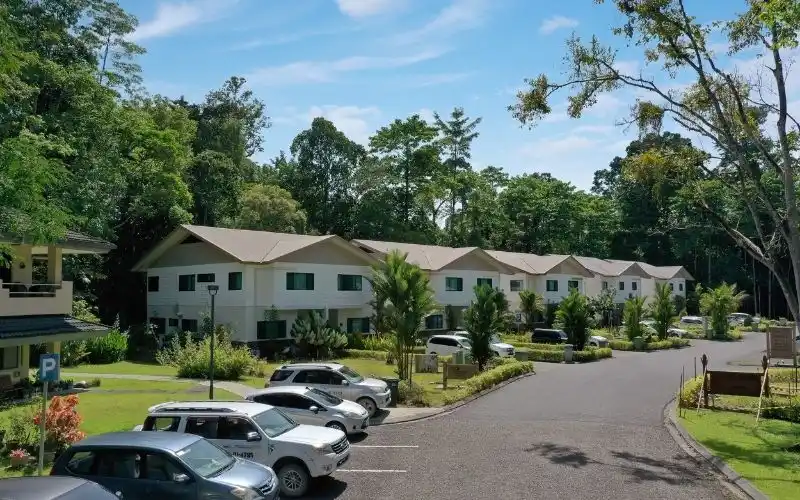
- homes in gated residential clusters
- serviced accommodation in some hotels or guesthouses
Rental prices vary depending on the size of the property, its location, and whether it is furnished.
Transportation
Solo is connected to other major cities in Java by several transportation options.
The city is served by Adisumarmo International Airport, which is located approximately 14 kilometers north of the city center. Travel time between the airport and central Solo typically ranges from 20 to 35 minutes, depending on traffic conditions.
The airport offers domestic flights to several major Indonesian cities, and limited international connections.
Solo is also well connected by train, which many residents consider one of the most comfortable ways to travel within Java. Rail services link the city to:
- Yogyakarta
- Semarang
- Surabaya
- Jakarta
Within the city, transportation options commonly include:
- private cars
- motorcycles
- taxis
- ride-hailing apps
Traffic is generally lighter than in Jakarta, although congestion can occur during peak hours or during major events.
Cultural Life
Solo is widely regarded as one of the most culturally significant cities in Central Java.
Important cultural sites include:
- Keraton Surakarta (the royal palace)
- Mangkunegaran Palace
The city hosts numerous cultural festivals throughout the year, many of which celebrate traditional Javanese arts such as dance, gamelan music, and puppet theatre.
Frequently Asked Questions About Living in Solo
Is Solo a good city for expatriates?
Solo can be an attractive city for expatriates who prefer a quieter lifestyle and a strong cultural environment. While the expat community is small, many foreigners appreciate the slower pace of life and lower cost of living.
What is the cost of living in Solo?
The cost of living is generally lower than in Jakarta or Bali. Housing, food, and transportation are typically more affordable, although prices vary depending on lifestyle.
Is Solo safe for foreigners?
Solo is generally considered a safe city with a relaxed atmosphere. As in any urban area, normal precautions are advisable.
Do many foreigners live in Solo?
The expatriate population is relatively small compared with larger Indonesian cities, but there is still a supportive network of foreign residents.