

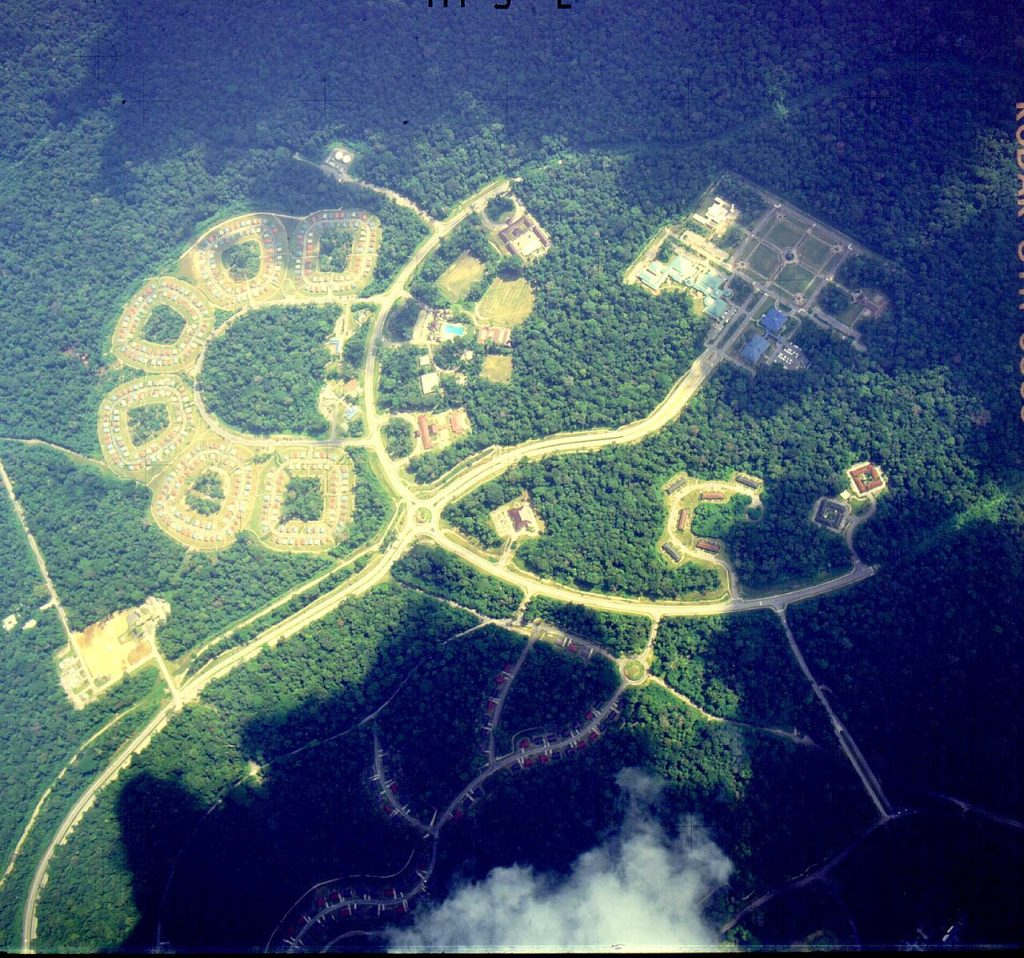
Kuala Kencana is one of the most unique expatriate environments in Indonesia. Built and managed in connection with the operations of Freeport Indonesia in Papua, it is not a typical Indonesian town, nor is it a typical expat posting.
The article below is based on a first-hand interview with an expatriate resident, offering a rare and personal insight into daily life in this remote and highly structured community.
Editor’s Note: Since this interview was conducted, there have been significant changes in Papua, including shifts in Freeport’s ownership, evolving security considerations, and changes in the number and profile of expatriates living in the area. While the experience shared below remains valuable, it should be read as a personal snapshot in time rather than a current guide.
The Interview
(Original interview content preserved below)
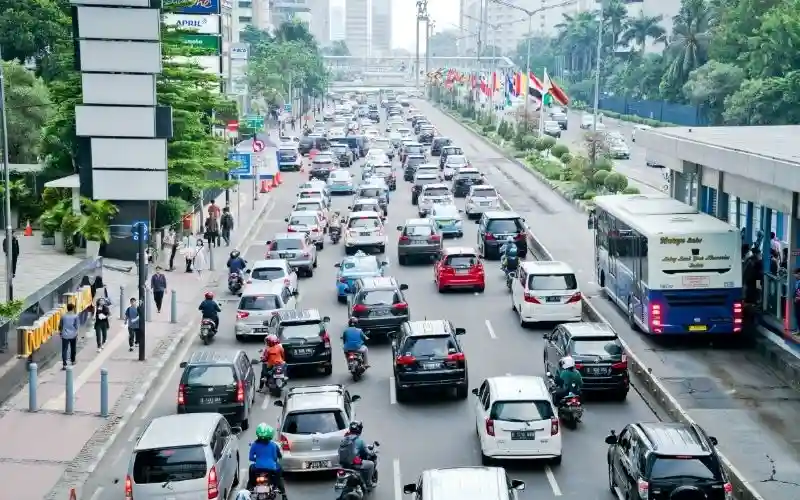
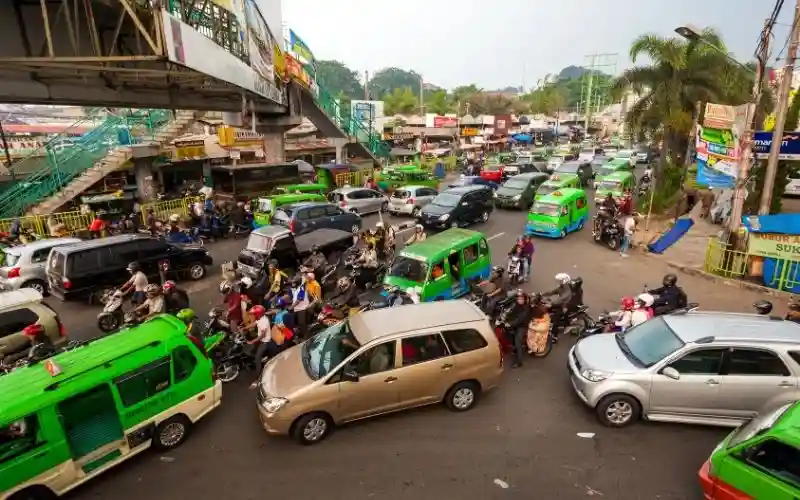
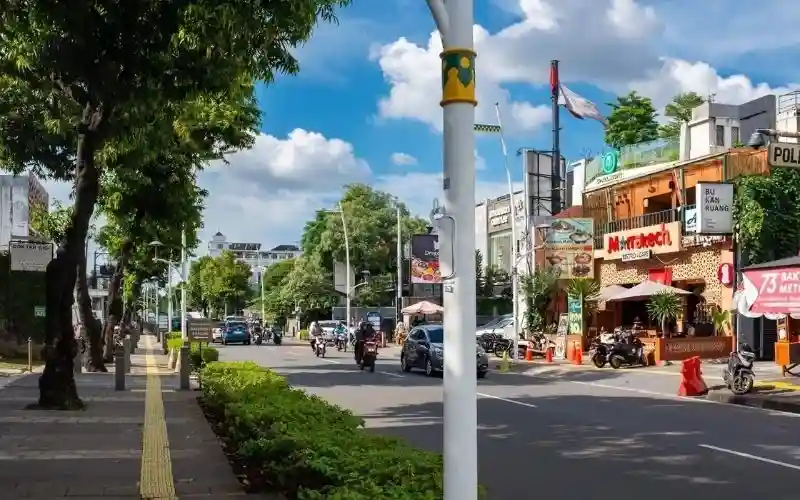
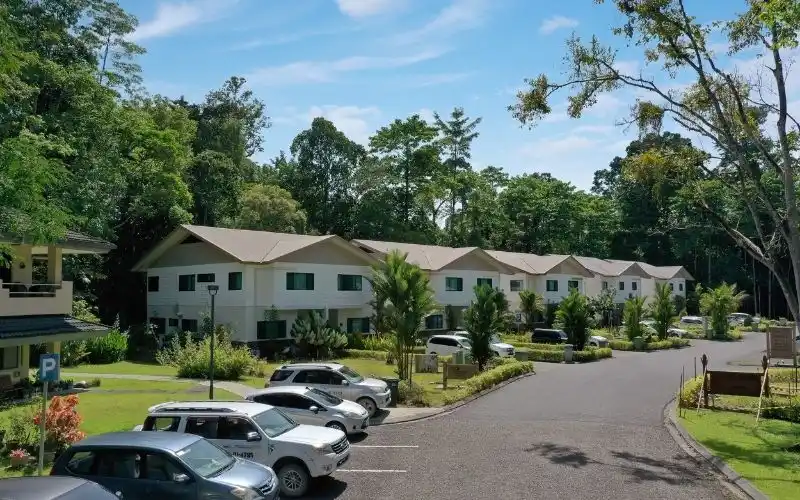
Life in Kuala Kencana is very different from living in Jakarta or other major cities in Indonesia. The town is well planned, clean, and highly organised, reflecting its origins as a company-built community. Daily life revolves around routines, with many facilities provided within the area itself.
Editor’s Note: Freeport Indonesia is now majority-owned by the Indonesian government, and the number of expatriate staff has decreased significantly compared to earlier years. Many roles have been localized.
Residents often describe a strong sense of community. Because of the remote location, social interaction tends to revolve around neighbours and colleagues, creating a close-knit environment. There are recreational facilities, organised activities, and a structured lifestyle that supports both individuals and families.
Housing is typically provided through the company, and standards are generally consistent across the community. Access to services such as healthcare, schooling, and daily necessities is also facilitated through company-managed systems.
Editor’s Note: Housing, schooling, and medical facilities in Kuala Kencana remain closely tied to company operations. Independent relocation to this area is not typical, and most residents are there through corporate assignments.
Families living in Kuala Kencana often appreciate the safe and controlled environment. Children can move around more freely than in larger Indonesian cities, and there is a strong emphasis on community engagement.
Editor’s Note: Educational options in remote areas like Kuala Kencana are usually limited and provided through company-supported schooling. Families considering relocation should confirm current arrangements directly with their employer.
One of the biggest adjustments mentioned by expats is the sense of isolation. Travel requires planning, and leaving the area is not as simple as in more accessible parts of Indonesia.

Editor’s Note: Kuala Kencana remains a remote location. Travel typically involves flights to Timika, followed by controlled access to company-managed areas. Infrastructure has improved in parts of Papua, but logistics remain more complex than in other Indonesian cities.
Despite the challenges, many expats describe the experience as unique and rewarding. The opportunity to live in such a remote part of Indonesia, combined with the natural surroundings and strong community environment, makes it a memorable posting.
Editor’s Note: Access to Papua, including Timika and surrounding areas, may involve additional travel considerations and, in some cases, special permits. Security conditions can also vary, and it is advisable to check current guidance before planning travel or relocation.
What This Means for Expats Today
Kuala Kencana is not a destination that most expatriates can independently choose as a place to live. It is a highly specialised environment connected to large-scale industrial operations, and access is typically limited to those working directly with companies operating in the region.
For expats today, life in Papua is very different from Jakarta, Bali, or Surabaya. It requires a higher level of adaptability, a willingness to live in a structured and remote setting, and an understanding that daily life is often shaped by company policies rather than personal choice.
That said, for those who do have the opportunity to live and work in this part of Indonesia, the experience can be incredibly unique. The natural surroundings, the sense of community, and the exposure to a part of Indonesia that few foreigners ever see can make it a deeply memorable posting.
Frequently Asked Questions: Living in Kuala Kencana and Papua
Can foreigners live in Kuala Kencana?
In most cases, foreigners can only live in Kuala Kencana if they are employed by a company operating in the area, such as Freeport Indonesia. It is not a typical open residential area for independent expats.
What is life like in Kuala Kencana?
Life is structured and community-based, with housing, facilities, and daily routines often managed or influenced by the employer. It is very different from living in major Indonesian cities.
Is it safe to live in Papua as an expat?
Safety conditions vary depending on the region. Company-managed areas like Kuala Kencana generally have controlled environments, but expats should always follow current travel and security advice.
Can you travel freely in Papua?
Travel in Papua can be more restricted than in other parts of Indonesia. Some areas may require permits, and logistics can be more complex.
Are there schools and medical facilities in Kuala Kencana?
Facilities are typically provided through company infrastructure. Expats should confirm current availability and standards directly with their employer before relocating.