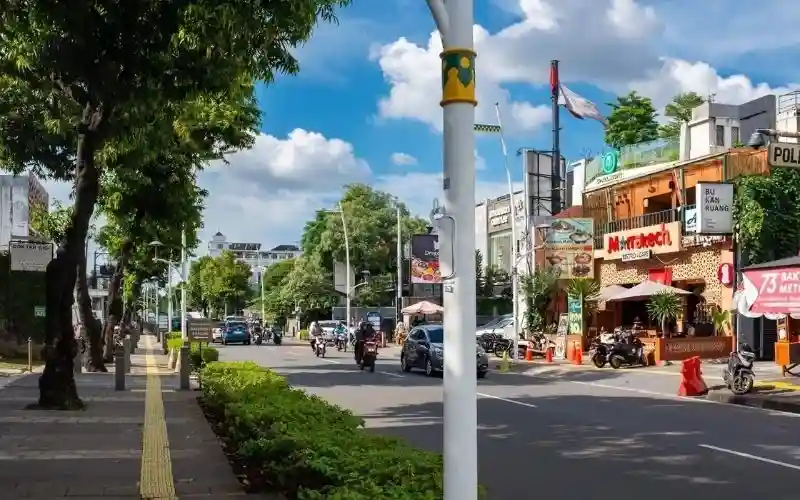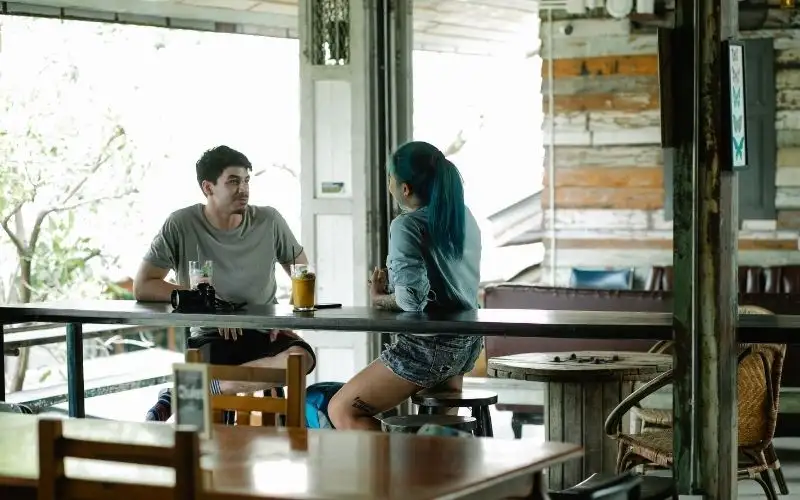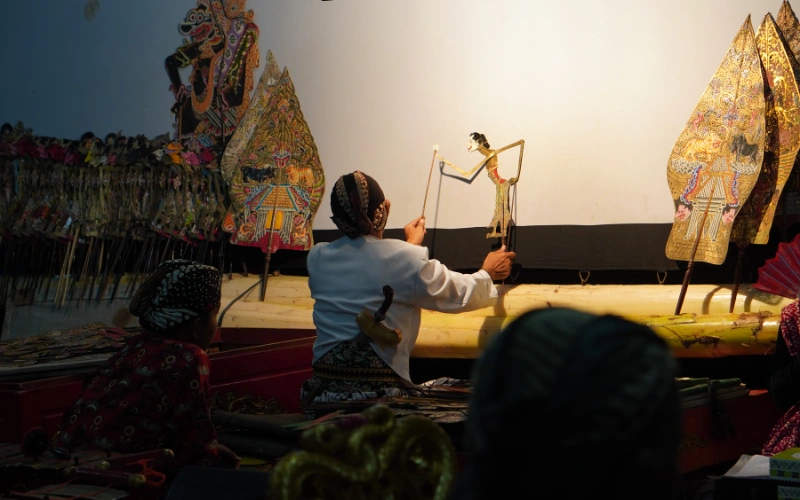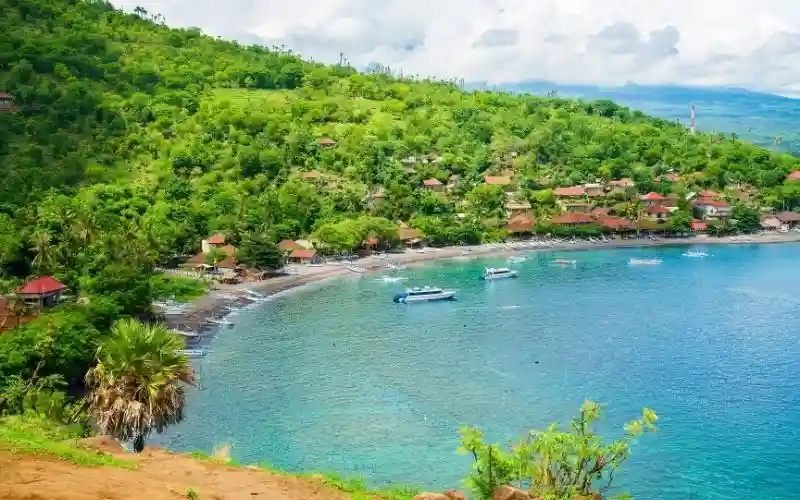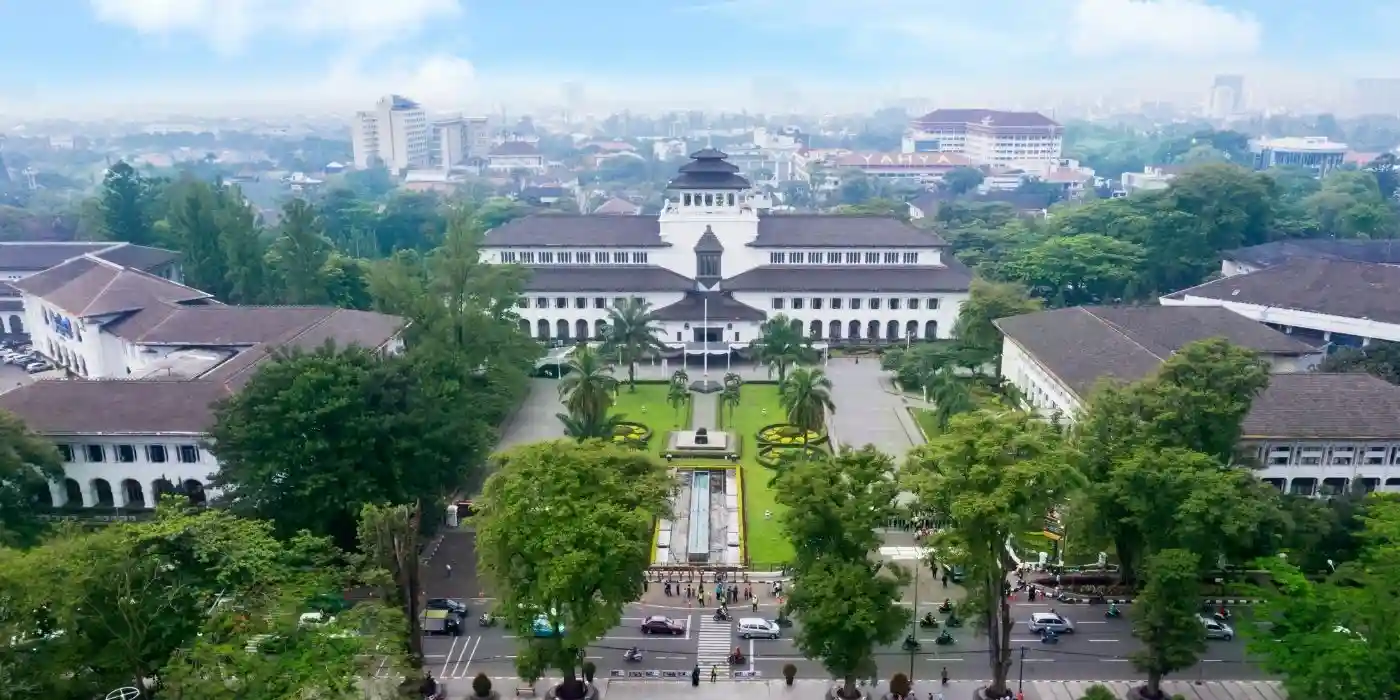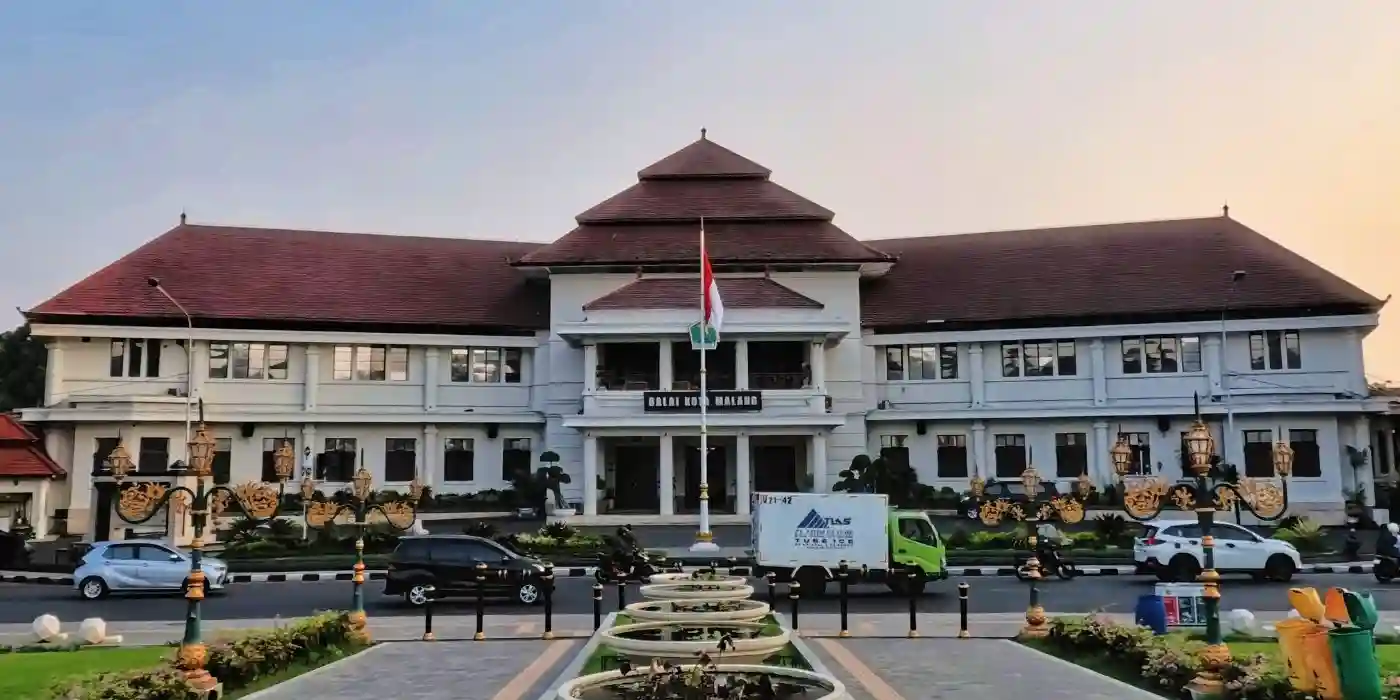

When people say Jogja is “teeming with students,” they mean it quite literally. The Yogyakarta Special Region is home to four state universities, around 16 private universities, and many specialist institutes and academies covering subjects such as art, science, technology, education, agriculture and business management. The best known is Gadjah Mada University, Indonesia’s oldest and largest, with over 55,000 students on a sprawling campus in the north of the city. Alongside it, Yogyakarta State University (UNY) has over 25,000 undergraduate and more than 3,400 graduate students across seven faculties. ISI (Institut Seni Indonesia), the Indonesian Institute of the Arts, draws students from across the archipelago and the world to study gamelan, batik, dance, theatre and the visual arts. The Islamic University of Indonesia and a host of other private institutions round out a higher education landscape of extraordinary breadth and vitality for a city of this size. Beyond the universities, Jogja has long been a magnet for those seeking to learn batik-making, classical Javanese dance, gamelan music, woodcarving, silversmithing and traditional language — drawing not just Indonesian students but cultural learners and researchers from around the world. Altogether, approximately one-fifth of the people living in Yogyakarta are students, giving the city a permanently youthful, intellectually alive energy that distinguishes it from every other city in Java.
It is cooler than Jakarta — mountains, beaches, caves and rivers surround the city rather than high-rise buildings and cement. Yogyakarta is a Special Province (Daerah Istimewa Yogyakarta, or DIY), reporting directly to Jakarta rather than to the Central Java government. It stretches roughly from the base of Mt. Merapi to the coast of the Indian Ocean. North of the city are mountains and nature, while south of town are the stormy seas of the southern coast, shrouded in legend.
The city, affectionately called “Jogja,” is best known for its cultural attractions. Thanks to nearby ancient Buddhist and Hindu temples and monuments, Jogja is one of the top tourist destinations in Indonesia. A smallish university town with a richly layered history, Jogja is a delightful mixture of past, present and future.
Expatriate Community
Jogja’s expatriate community, while smaller than Jakarta’s or Bali’s, is pleasantly diverse. It comprises artists, students, teachers, university lecturers, aid workers, NGO staff, and a growing number of digital nomads drawn by the city’s affordable cost of living, reliable internet, and rich cultural environment. Exporters in furniture, handicrafts, batik and natural fibre products continue to form part of the mix.
Opportunities for weekend and family activities abound. How expats choose to spend their evenings depends largely on age and lifestyle. The area that has emerged as Jogja’s undisputed social hub for foreigners is Jalan Prawirotaman, roughly three kilometres south of Malioboro. What was once a quiet batik-trading street has transformed into a lively strip of cafés, boutique guesthouses, restaurants, rooftop bars, live music venues and art spaces. It has a Bali-like atmosphere of laid-back internationalism, yet remains thoroughly Javanese in character. For those who prefer hotel venues, all the major international chains are represented in Jogja, with a range of bars, restaurants and special dining events on offer.
Rotary Club of Yogyakarta Tamansari — Jogja’s Rotary presence remains active, with the Tamansari club participating in ongoing community health and social programmes. Rotary is a good early connection point for expat professionals new to the city.
Housing When Living in Yogyakarta
Housing is one of the main advantages of living in Yogyakarta, especially for expats who want more space at a lower cost than Jakarta or Bali. Large houses with Western-style amenities are available in newer housing complexes, although many are located inside perumahan or gated communities.
If you prefer a smaller home with a garden, you may need to search more carefully and set aside a renovation budget. Kitchens, bathrooms, and fittings in older houses may not always meet Western standards, so upgrades are sometimes needed before moving in.
Most better-quality houses in Yogyakarta are built close together with limited yard space, but landed homes are still more common and more popular with expat families than apartments.
Compared with Jakarta or Bali, Yogyakarta remains significantly more affordable. A comfortable four-bedroom house can often be rented for around USD 5,000 per year, making living in Yogyakarta one of the more cost-effective options for expat families in Indonesia.
Utilities
Electricity is reliable (220 volts AC), though occasional power outages do occur. Internet connectivity has improved dramatically in recent years, with fibre-optic broadband now widely available across the main residential and commercial areas of the city. Mobile data coverage is excellent throughout the urban area. Some houses are connected to the city water system; others rely on wells. A few have both.
Transportation
Getting around Jogja has been made considerably easier by ride-hailing apps. Gojek and Grab are both widely used and provide motorbike taxis (ojek), cars, and food delivery at very affordable prices. Most expats use these apps as their primary means of getting around the city. The Trans Jogja bus network provides affordable public transport on fixed routes throughout the city. Traditional becak (cycle rickshaws) and andong (horse carts) remain available for shorter trips and are part of the city’s charm, though prices should be agreed in advance. For longer trips and day excursions, hiring a driver for the day is a practical and reasonably priced option.
The city’s main airport is now Yogyakarta International Airport (YIA), which opened in 2020 in Kulon Progo, approximately 45 km west of the city centre. Allow extra travel time for airport runs, particularly during peak traffic hours.
Medical
Medical facilities in Jogja have improved considerably and the city now has several hospitals that are suitable for expat use.
Jogja International Hospital (JIH) has become the most frequently recommended facility for expatriates. It offers a wide range of specialist services, English-speaking staff, and modern equipment.
Jogja International Hospital (JIH) Jl. Ring Road Utara No. 160 Condong Catur, Sleman, Yogyakarta 55283 Tel. (0274) 446-3535 Website: www.rs-jih.co.id
Other hospitals used by expats include Rumah Sakit Panti Rapih, a well-regarded private Catholic hospital known for its clean facilities and competent staff, with an integrated medicine department that includes acupuncture; and Rumah Sakit Bethesda, a private Protestant hospital with a good reputation for emergency services, which also offers traditional Javanese jamu herbal treatments as part of its integrated medicine programme. Rumah Sakit Sardjito, the public university hospital attached to Gadjah Mada University, has advanced equipment but is busy and primarily staffed by student nurses in training, which can affect the level of nursing care.
As in other Indonesian cities outside Jakarta, many expats prefer to travel to Jakarta, Singapore, or their home countries for elective procedures or serious medical care. Having comprehensive international health insurance that includes medical evacuation coverage is strongly recommended.
Learning Bahasa Indonesia in Yogyakarta
Alam Bahasa Sarirejo RT 6 RW 47, Maguwoharjo, Depok, Sleman, Yogyakarta 55282 Tel. +62 274 4332752, +62 81 7940 1980 Email: [email protected] Website: www.alambahasa.com
Since 1995, Alam Bahasa has offered Indonesian language courses to people of various occupations from around the world. Foreigners can learn Bahasa Indonesia as well as Indonesian culture and local Javanese language in a welcoming, home-like atmosphere. The school uses the Direct Method, immersing learners directly in Indonesian language practice and making grammar acquisition a natural part of the process. Alam Bahasa also offers courses in other Indonesian cities and provides e-learning options for those who prefer to study remotely.
Schooling (Jogja and Central Java)
International school options in Yogyakarta have expanded in recent years, reflecting the city’s growing appeal to expat families. It is worth noting that Jogja’s international schools are all relatively small — this is not Jakarta, and parents accustomed to large international schools with hundreds of students per year group should be prepared for an intimate, community-oriented environment. Many expat families find this a genuine advantage, with teachers knowing every child by name and a strong sense of community among families. Enrolment figures are noted below to help you set expectations.
Yogyakarta International School (YIS)
Jl. Tegal Mlati No. 1, Jombor Lor, Sinduadi, Mlati, Sleman, Yogyakarta 55284 Phone: (62-274) 625-965 Email: [email protected] Website: www.yis-edu.org Curriculum: International Baccalaureate (IB) — Primary Years Programme (PYP), Middle Years Programme (MYP), and Diploma Programme (DP), ages 3 to 18. Approximate enrolment: around 100 students across all year groups.
YIS is the longest-established international school in Yogyakarta, having first opened its doors in 1989. It is the only international school in Yogyakarta authorised to offer the full continuum of IB education from age 3 through to 18. The language of instruction is English, with French, Spanish and Indonesian also offered. With approximately 100 students in total, classes are small and the school has a close-knit, genuinely multicultural feel. It is accredited by the East Asia Regional Council of Overseas Schools (EARCOS).
Jogjakarta Community School (JCS)
Jl. Watugede, Mudal, Sariharjo, Ngaglik, Sleman, Yogyakarta 55581 Tel: +62 811 257 6164 Email: [email protected] Website: jogjacommunityschool.org Curriculum: UK Pearson Edexcel framework (Primary), Cambridge IGCSE and A-Level (Secondary), ages 2 to 16. Approximate enrolment: approximately 30–50 students across all year groups.
JCS was established in 2012 to provide English-language education for expatriate and Indonesian children in the Yogyakarta area. It operates as a not-for-profit organisation, governed by a parent and community-elected Board of Governors. Class sizes are intentionally small, allowing students and teachers to build strong and lasting relationships. JCS is the most British-oriented school option in Jogja and suits families on the UK educational pathway. The school moved to a purpose-built site in the north of the city in January 2017.
NTC De Taaltuin
(Dutch School) Kp. Minggiran MJ II / 1106 B, Kelurahan Suryodiningratan, Yogyakarta 55141 Email: [email protected] Website: detaaltuin.wordpress.comApproximate enrolment: a very small group, typically fewer than 20 children.
De Taaltuin provides Dutch language and cultural education to children aged two to eighteen years old with a Dutch or Belgian background, or a wish to learn Dutch. It operates in a community school format, serving Jogja’s small but long-standing Dutch-speaking community.
Schools in the Wider Region
For families living in Jogja who are willing to consider boarding options, or for those already located in Central Java, two further schools are worth knowing about:
Mountainview Christian School (MCS)
Jl. Nakula Sadewa Raya No. 55, Salatiga (approximately 1.5 to 2 hours northeast of Jogja) Curriculum: American-style K-12, Christ-centred education Accreditation: ACSI and WASC Approximate enrolment: approximately 230 students, Kindergarten through Grade 12.
Mountainview is a K-12 boarding and day school drawing students from a number of countries, with the largest contingents from the United States, South Korea and Indonesia. It offers on-campus family-style dormitory accommodation for students in Grades 7–12. Originally founded in 1981 to serve missionary families, it now welcomes all expat families seeking a Christian educational environment. Salatiga’s central location in Central Java places it within 1.5 to 3 hours of the international airports at Yogyakarta, Solo and Semarang.
Preschools and early childhood programmes are also available throughout Jogja. Contact the international school offices above for current recommendations, as the preschool landscape changes more frequently.
Note: Enrolment figures for smaller schools in particular can shift from year to year. Always contact the school directly for current numbers and available places before making relocation decisions based on schooling.
Religious Services
Yogyakarta International Congregation Tel. 0812-27440134 Email: [email protected] Website: www.peacemaking.com/yic/ Interfaith English services are held every Sunday at 5:00 p.m. Please confirm the current venue directly, as meeting locations can change.
Gereja Kumetiran (Gereja Hati Santa Perawan Maria Tak Bercela Kumetiran) Jalan Kumetiran No. 13, Yogyakarta 55272 Tel. (+62-274) 518-586, 512-817 Email: [email protected] Linktree Located near Malioboro. English mass is held on one Sunday a month at 7:00 p.m.

Panti Rapih Hospital Chapel Jalan Cik Di Tiro No. 30, Gondokusuman, Yogyakarta Catholic mass in English is held on the 2nd and 4th Sundays of the month at 5:00 p.m.
Shopping
Jogja has a growing number of shopping malls offering a mix of Indonesian and international brands.
Pakuwon Mall Jogja, which opened in 2022, is now the largest shopping mall in Yogyakarta and Central Java. Located on Ring Road Utara, it features over 300 tenants including H&M, Uniqlo, Matahari Department Store, Hypermart, Gramedia, and CGV Cinemas.
Plaza Ambarrukmo (Jl. Laksda Adisucipto) remains a major destination with a wide range of local and international brands, anchored by Transmart hypermarket and Cinema XXI.
Malioboro Mall (Jl. Malioboro) is conveniently located in the heart of the city and houses Gramedia bookstore — still one of the best sources of English-language books in the city — along with Hero Supermarket and the Periplus bookshop.
Galleria Mall (Jl. Sudirman) and Jogja City Mall on Ring Road Utara round out the main options.
For imported and Western grocery products, Transmart at Ambarrukmo Plaza and the supermarkets within the main malls carry a reasonable selection, though the range is considerably more limited than in Jakarta or Bali. Online shopping via Tokopedia, Shopee and other platforms has made sourcing harder-to-find items considerably easier. The clothing in Jogja shops is primarily sized for smaller Indonesian frames. There are many skilled penjahit (tailors) throughout the city who can make clothing to any size at very reasonable prices. Larger-framed expats should bring an initial supply of clothing and identify a good tailor early on.
Dining
A city of students looking for affordable meals, Jogja is filled with lesehan-style eating spots that appear on the pavements just before dusk. Seating is on floor mats and they serve everything from noodles to grilled meats, with street musicians often providing impromptu entertainment. The specialty of Jogja is Gudeg, made from young jackfruit and served with egg or chicken — look for the famous gudeg vendors along Jalan Wijilan near the Kraton.
The dining scene has expanded dramatically in recent years. Jalan Prawirotaman and its surrounding streets are now the heart of Jogja’s international dining and café culture, with dozens of restaurants serving Italian, Mediterranean, French, Asian fusion, and Indonesian cuisine in a relaxed, artsy setting. The area comes alive in the evenings with live music at many of the bars and cafés.
For a more local experience, angkringan stalls — small carts selling nasi kucing (small rice portions with various toppings), snacks and drinks — are found throughout the city and are a quintessential part of Jogja life. Try Kopi Joss (charcoal coffee) near the Tugu train station for an only-in-Jogja experience. International fast food outlets including McDonald’s, KFC and Pizza Hut are present in the main malls and along major roads.
Recreation and Leisure
Home to Indonesia’s largest arts university, there is always a selection of art exhibitions and dance performances available in Jogja. Several art spaces offer engaging programmes for the public.
- Bentara Budaya: Jl. Suroto 2, Kota Baru. Tel. (0274) 560-404. Art exhibitions, films, book discussions.
- French/Indonesian Cultural Centre (Lembaga Indonesia Prancis Yogyakarta): Jl. Sagan 3. Tel. (0274) 566-520. Art exhibitions, films, performances, library.
- Cemeti Art House: Jl. D.I. Panjaitan 41. Tel. (0274) 371-105. Contemporary art exhibitions and performances.
- Kedai Kebun Forum: Jl. Tirtodipuran 3. Art exhibitions, performances, book discussions, and a popular coworking and gathering space for the creative community.
Tennis, swimming and fitness centres are found in the larger hotels, most accessible on a per-use basis. Sightseeing, batik courses and language schools are all popular with expats. The surrounding area offers river rafting, lava watching, volcano trekking, caving and bird watching. Beaches to the south are not recommended for swimming due to strong undertows, but are worthwhile for their dramatic scenery and freshly-caught seafood cooked to order.
Jogja has a Hash House Harriers group — Malioboro Hash House Harriers — with run notices posted in the local newspaper Kedaulatan Rakyat and on their Facebook page.
Golf courses range from the 9-hole course at Hyatt Regency Jogja to the 18-hole Merapi Golf Course, one of the best in the area and used for international tournaments. Adisucipto Golf Club (18 holes) and Tidar Golf Course in Magelang (18 holes, near Borobudur) are also popular options.
Spa and beauty treatments are excellent value in Jogja. Nearly all incorporate traditional Javanese massage and lulur body scrub. Recommended options include the Hyatt Regency Jogja Spa and the Taman Sari Royal Heritage Spa. MesaStila Spa Retreat & Coffee Plantation near Magelang makes for an outstanding half-day or overnight escape from the city.
For the growing number of digital nomads and remote workers in Jogja, coworking spaces have sprung up across the city and are a good way to connect with the expat and creative community.
Tourist Attractions — Yogyakarta and Central Java
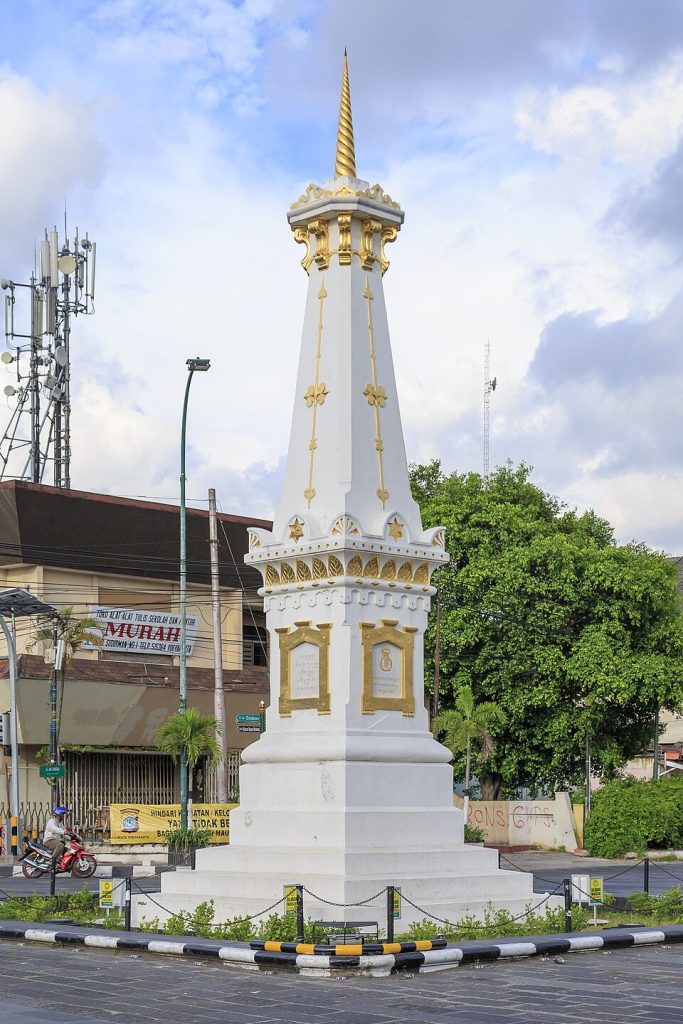
Yogyakarta (Jogja) and Surakarta (Solo) are the centres of classical Javanese culture, kept alive by the patronage of the royal families of both cities. Gamelan orchestras, sultans’ palaces, graceful dancers, buffalo-hide puppets and batik decorated with spiritual motifs all play important roles in the lives of even the most contemporary Javanese. The highlands of Central Java are rich with historical and archaeological sites, and the magnificence of Borobudur in Magelang remains an unequalled example of Buddhist architecture in the world.
Yogyakarta (Jogja) and the Keraton
With its art studios, dance and drama festivals, batik artists, silver works and universities, Jogja is the cultural and educational heart of Java. It retains Special Province (DIY) status and devotes much energy to the perpetuation of its proud heritage. The sultanate has a long history of resistance to foreign domination and served as the capital of the Indonesian republic for four years during the independence struggle after World War II.
The Keraton, the palace compound of the sultans of Yogyakarta built by Sultan Hamengkubuwono I in 1755, is open to the public. Accompanied by a multilingual guide, visitors stroll through large courtyards surrounded by traditional Javanese architecture to see collections of gilded chairs, gamelan instruments, royal china, silver sets, and wayang puppets.
Just west of the Keraton is Taman Sari (Water Palace) — an intriguing collection of pools, underground passageways, and ruined mosques and meditation rooms now surrounded by an encroaching kampung (village). The area south of Taman Sari is the centre of Jogja’s batik industry. Silver works are found throughout nearby Kota Gede, 15 minutes from the famous Jalan Malioboro souvenir strip.
Jogja is more than 600 km (370 miles) southeast of Jakarta and is well served by flights, trains and buses. Note that the city’s main airport is now Yogyakarta International Airport (YIA) in Kulon Progo, which opened in 2020 and replaced the former Adisucipto airport. Allow extra time for the drive to YIA.
Borobudur
Built in the eighth century by the Shailendra Dynasty, Borobudur is arguably Indonesia’s most important ancient monument. Built of grey andesite stone and extensively restored, the massive temple rises in seven terraces above the surrounding plain, topped by the Great Stupa standing 40 metres (131 feet) above ground. Viewed from the air, Borobudur is laid out in the shape of a mandala — a Buddhist symbol for meditation and prayer. The monument contains the largest and most complete ensemble of Buddhist bas-reliefs in the world. It is located 42 km (26 miles) west of Jogja on the road to Magelang. Nearby Mendut Temple is an integral part of the Borobudur complex, and the Buddhist monastery across the road comes alive in the days leading up to Waisak Day.
Prambanan
One of the most graceful and elegant monuments on Java, Prambanan is 17 km (10 miles) east of Jogja. This magnificent 9th century Hindu complex is dedicated to Shiva, flanked by temples honouring Vishnu and Brahma. Reliefs depict stories from the Ramayana. On evenings of the full moon from June through October, the famous Ramayana Ballet is performed al fresco with Prambanan as its dramatic backdrop — one of the most memorable cultural experiences in all of Indonesia.
Candi Ratu Boko
Still relatively little-known compared to Borobudur and Prambanan, Candi Ratu Boko is built in a mixed Hindu-Buddhist style from the 8th and 9th centuries. The site is divided into several clusters — an impressive gateway, pavilions, ancient pools and meditation caves — with sweeping hilltop views that make the visit worthwhile even for those not particularly drawn to archaeology. Pre-dawn trekking tours to catch sunrise over the temples and palaces of the Jogja plain can be arranged through local tour operators.
Wonosari and the Southern Limestone Plateau
The Wonosari area in Gunungkidul is extraordinarily beautiful — a dramatic karst landscape of limestone caves, underground rivers and clifftop viewpoints. Pantai Ngrenehan is one of the few beaches in the area where swimming is possible. Other highlights include cave tubing at Kalisuci, climbing Gunung Nglanggerang, and the hilltop viewpoints of Kalibiru in Kulon Progo, overlooking a reservoir lake.
Dieng Plateau
Northwest of Borobudur near Wonosobo, Dieng Plateau makes a marvellous full-day outing. A passage through deep valleys in the shadows of volcanoes leads to the rugged magnificence of the plateau, where the earth steams with geothermal activity. Dieng is the site of some of the earliest known Hindu temples on Java. Two other worthwhile stops are Goa Semar and Telaga Warna, the eerie multicoloured crater lake. Note: occasional volcanic gases are present on the plateau; use common sense and follow local residents’ lead if any evacuation begins.
The Beaches
South of Jogja are several dramatic stretches of beach with breathtaking views of the Indian Ocean. Strong undertows make swimming dangerous or prohibited at most beaches, but they are excellent for scenery, strolling and fresh seafood cooked on-site. Ask about the legend of Nyi Roro Kidul, the Goddess of the South Sea, while you are there. Avoid the beaches on weekends and school holidays if crowds are not your preference.
Surakarta (Solo)
Approximately one hour’s drive from Jogja, Solo is another important centre of Javanese classical culture and a notable batik city. The museum at Solo’s Keraton is one of the best in Java, housing fine collections of ancient bronzes, Chinese porcelain and sacred keris (ceremonial daggers). Solo’s second palace, Mangkunegaran, is also open for visits. Just outside Solo, holy Mount Lawu offers ancient Hindu temples and meditation sites.
Karimunjawa Islands
Located off the north coast of Central Java, the Karimunjawa Islands offer excellent diving and snorkelling. You can reach Karimunjawa by fast ferry from Jepara or by light aircraft from Jepara or Semarang.
Travel Tips
- Yogya Bagus — useful local information resource
- www.yogyes.com — tourism catalogue
- www.borobudurpark.com — covers Borobudur, Prambanan and Ratu Boko with trekking options
- Yogyakarta Special Province (DIY) and Central Java Province are two separate administrative districts. Tourist information offices cover their respective provinces only — be aware you’re getting recommendations for one province, not the whole region.
- What to Do in Yogyakarta at Night
Industries
Education, tourism, foreign aid programmes, the arts, and exports — particularly textiles, batik, furniture, natural fibre products and hand-rolled cigars — are the primary industries in Jogja. In nearby Kota Gede, silver craftsmanship has been practised for generations and the village remains a centre for fine jewellery and silverware. Jepara, on the northeast coast of Central Java, remains Indonesia’s most celebrated centre for fine wood carving and teak furniture.
Consulates
The nearest American Consulate is in Surabaya. For information on the French Consulate in Yogyakarta, see the Embassies & Consulates listing. While it does not provide consular services, the French/Indonesian Cultural Centre is a programme of the French government and a valuable cultural resource for French and francophone residents.
An early version of this page was excerpted, with permission, from “Introducing Indonesia” published by the American Women’s Association of Indonesia, Jakarta (1999). Subsequently updated by Linda Hoffman, Pius Marmanta, and Sylvain Leroy of JogjaBagus. Further updated March 2026 by the editors of Living in Indonesia.
If you have additional information to share on Expat Living in Yogyakarta, we’d be pleased to include it so other newcomers can benefit. Contact us here.