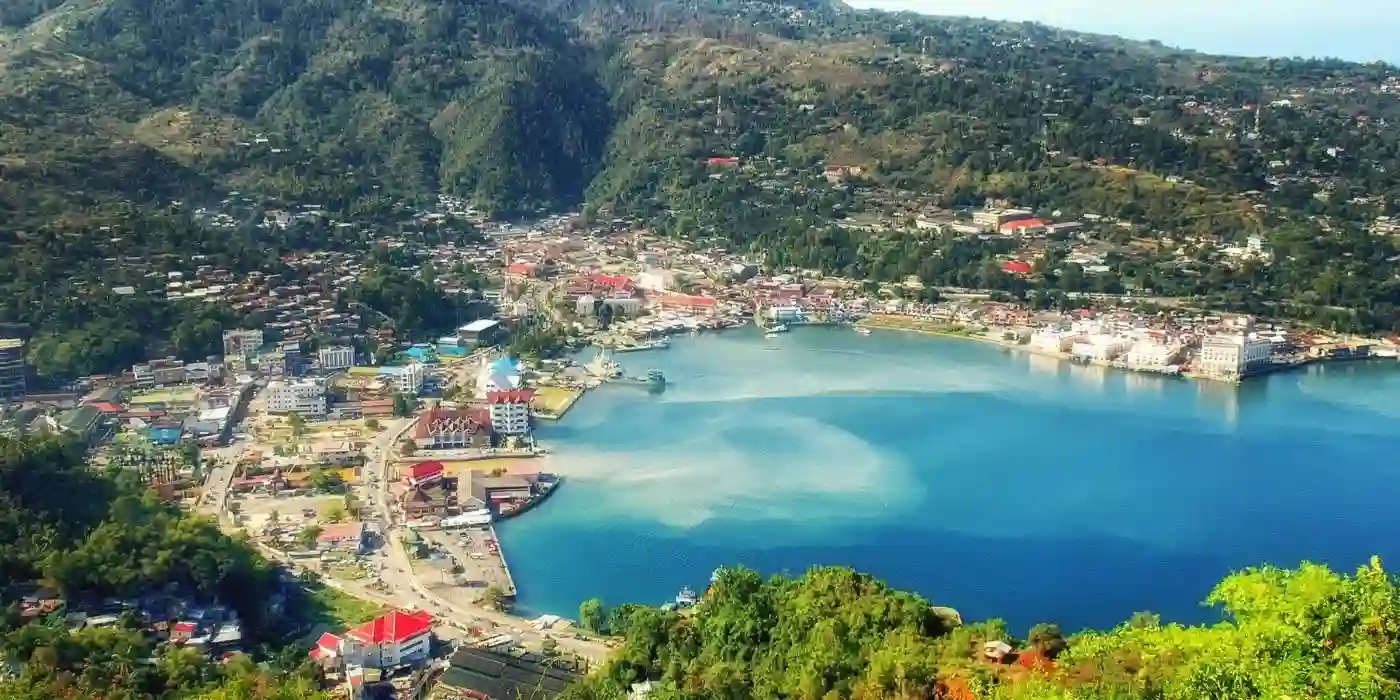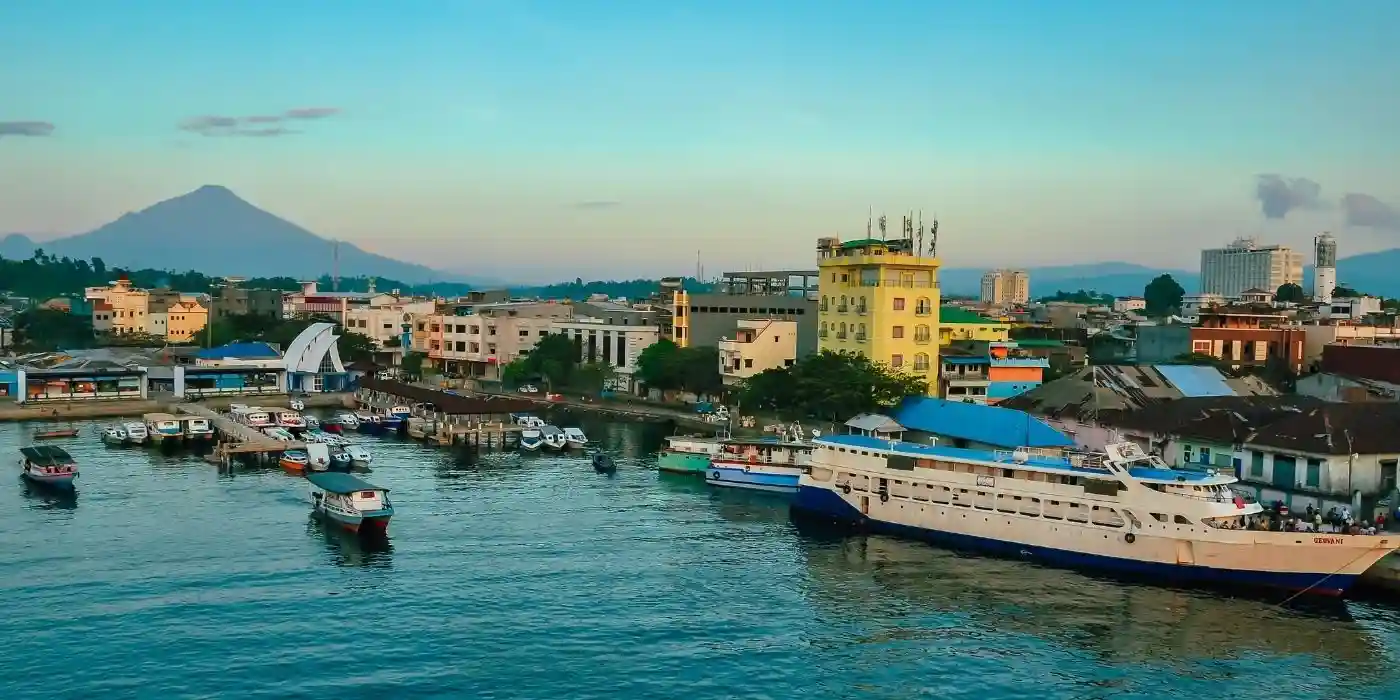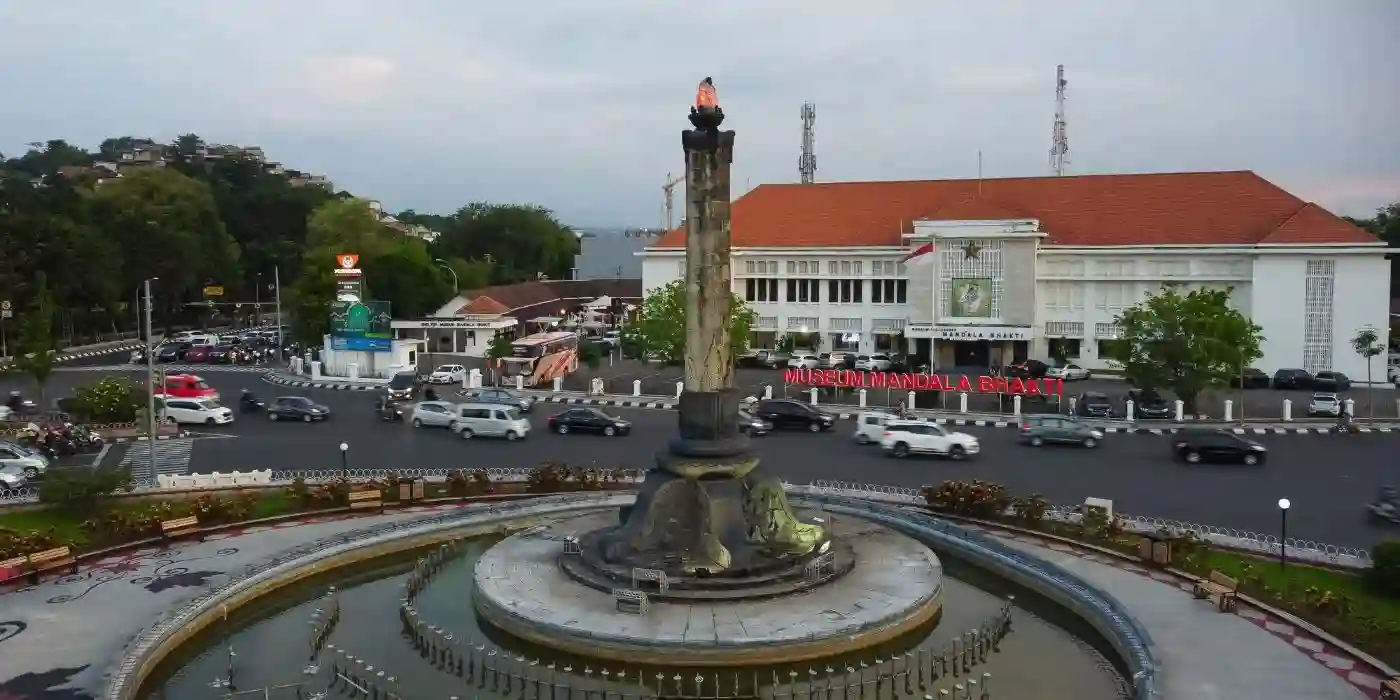

Balikpapan, located on the eastern coast of Kalimantan, has long been known as one of Indonesia’s key oil and gas hubs and a relatively comfortable city for expatriates. In recent years, its strategic importance has grown significantly due to its proximity to Indonesia’s new capital, IKN Nusantara (Ibu Kota Negara Nusantara, meaning “National Capital of the Archipelago”), the country’s new administrative capital currently under development in East Kalimantan, which is located approximately one to two hours away by road and ferry, depending on the route and traffic conditions. This development is reshaping the city’s infrastructure, housing demand, and expat profile.
For many expats today, Balikpapan is not just a standalone posting, but a gateway city supporting government, construction, and infrastructure projects linked to the new capital.
General Overview
Balikpapan has an estimated population of approximately 700,000 to 750,000 residents. It is known for being clean, safe, and relatively well-organized compared to many other Indonesian cities.
The city continues to maintain a reputation for cleanliness and order, particularly compared to other cities in Kalimantan, although increased development activity has begun to put pressure on infrastructure and traffic in certain areas.
Economy and Industry
Balikpapan remains a major center for Indonesia’s oil and gas industry, with several international companies operating in the region. However, its economic role is evolving. In addition to energy, the city is increasingly functioning as a logistics, housing, and support hub for IKN Nusantara.
This shift has brought a broader mix of professionals into the city, including engineers, consultants, government staff, and project managers. As a result, demand for accommodation, office space, and international-standard services has increased, particularly since 2023.
Housing
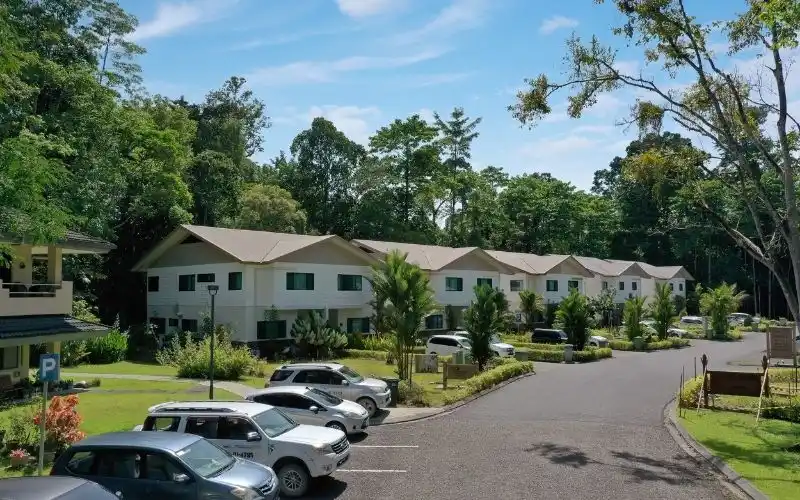
Accommodation in Balikpapan includes standalone houses, gated compounds, and serviced apartments. Traditionally, many expatriates lived in company-provided housing, but today the market is more varied.
Due to the development of IKN Nusantara, housing availability and pricing have become more competitive. Expats relocating to Balikpapan should expect higher rental prices than in previous years, particularly in preferred residential areas. Short-term housing can also be limited due to demand from rotational project staff.
As with most Indonesian cities, it is important to inspect properties carefully. Power capacity, water supply, and internet reliability can vary significantly between homes, and not all properties are suited to international expectations.
Cost of Living
Balikpapan continues to be one of the more expensive cities in Indonesia outside Jakarta, particularly for housing, imported goods, and dining. Prices have increased further in recent years due to demand linked to IKN development.
Housing is typically the largest expense, followed by imported groceries and dining in international-style venues. Locally sourced goods and services remain more affordable.
Prices can fluctuate, so new arrivals are advised to verify current costs as part of their relocation planning.
Transportation
Balikpapan is served by Sultan Aji Muhammad Sulaiman Sepinggan International Airport, one of the best airports in Indonesia, with regular connections to major cities across the country.
With the development of IKN Nusantara, Balikpapan’s role as a transportation hub has increased significantly. Road networks and supporting infrastructure are being expanded to improve access between the city and the new capital.
In practical terms, most travel to IKN from Balikpapan is done by car combined with a ferry crossing from Balikpapan to Penajam, followed by a drive to the IKN area. Travel time typically ranges from one to two hours depending on traffic, ferry schedules, and final destination within the IKN zone. Direct road access continues to improve as new infrastructure projects are completed.
Within the city, many expats rely on private drivers or ride-hailing services such as Gojek and Grab. Cashless payments, including QRIS, are now widely accepted for daily transactions.
Airport Access and Getting to Nusantara
Balikpapan serves as the primary gateway for travel into East Kalimantan and the new capital area. Sultan Aji Muhammad Sulaiman Sepinggan International Airport handles both domestic and limited international flights and is currently the main entry point for expatriates, government officials, and business travelers heading to IKN Nusantara.
At present, there is no fully operational commercial international airport in Nusantara itself. While a new airport is under development closer to the capital, it is expected to initially support government and limited-use flights rather than regular international commercial traffic.
In practical terms, most international travelers will fly into Jakarta, Bali, or a regional hub such as Singapore or Kuala Lumpur, and then connect to Balikpapan.

From Balikpapan, onward travel to IKN is typically done by car combined with a ferry crossing to Penajam, followed by a drive to the capital area. Travel time generally ranges from one to two hours depending on traffic, ferry schedules, and final destination.
For the foreseeable future, Balikpapan will remain the main aviation hub and staging point for those working and living in and around Nusantara.
Healthcare
Balikpapan offers a reasonable standard of healthcare for general needs, with several private hospitals and clinics available to both locals and expatriates.
For more complex medical conditions, many expats choose to travel to Jakarta or Singapore, where a wider range of specialist care is available. As with any relocation, it is advisable to confirm health insurance coverage, including whether treatment abroad is included.
Education
Schooling options in Balikpapan are more limited compared to larger cities such as Jakarta or Surabaya. There are several schools available to expatriate families, but parents should carefully assess curriculum, facilities, and long-term suitability, particularly for older children.
With the increase in professional and expatriate populations linked to IKN, demand for quality education is expected to grow, although options remain relatively limited at present.
Lifestyle and Social Life
Balikpapan offers a quieter lifestyle compared to Jakarta, with fewer entertainment options but a strong sense of community. Many expatriates find it to be a comfortable and manageable place to live, particularly for families and professionals on assignment.
Social life is often centered around private gatherings, sports, and informal community groups rather than large-scale nightlife. While some lifestyle infrastructure has improved, the city remains more functional than cosmopolitan.
Environment
Balikpapan is often noted for being cleaner than many other Indonesian cities. The surrounding region offers access to natural attractions, including forests and coastal areas.
At the same time, expats should be aware of environmental factors such as seasonal haze and the impact of ongoing development in East Kalimantan, particularly in areas closer to IKN.
Community and Expat Life
Balikpapan has a well-established expatriate community, although its composition is changing. While traditionally dominated by oil and gas professionals, the community now includes individuals working across infrastructure, construction, consulting, and government-related projects.
Many social connections are now formed through informal networks such as WhatsApp groups, rather than traditional expat clubs.
Living in Balikpapan Today – What Expats Should Know
Balikpapan is increasingly a strategic city due to its proximity to Indonesia’s new capital. Housing demand is rising, infrastructure is improving, and the expat community is evolving.
At the same time, the lifestyle remains quieter than in Jakarta or Bali. For many, it is well suited to professionals on assignment who value a more manageable pace of life while still having access to essential services.
Frequently Asked Questions About Living in Balikpapan
Is Balikpapan a good place for expats to live?
Yes, particularly for those working in oil and gas or IKN-related industries. It offers a comfortable and relatively safe environment, although with a quieter lifestyle.
How close is Balikpapan to Indonesia’s new capital?
Balikpapan is approximately one to two hours away by road and ferry, depending on the route and traffic conditions, and serves as a primary gateway city.
Is Balikpapan expensive to live in?
It is one of the more expensive cities in Indonesia outside Jakarta, especially for housing and imported goods.
Are there international schools in Balikpapan?
There are limited options, and families should carefully assess suitability before relocating, particularly for secondary education.
Do expats need a car in Balikpapan?
Many expats rely on drivers or ride-hailing apps such as Gojek and Grab for daily transportation.