
Overview of Manado
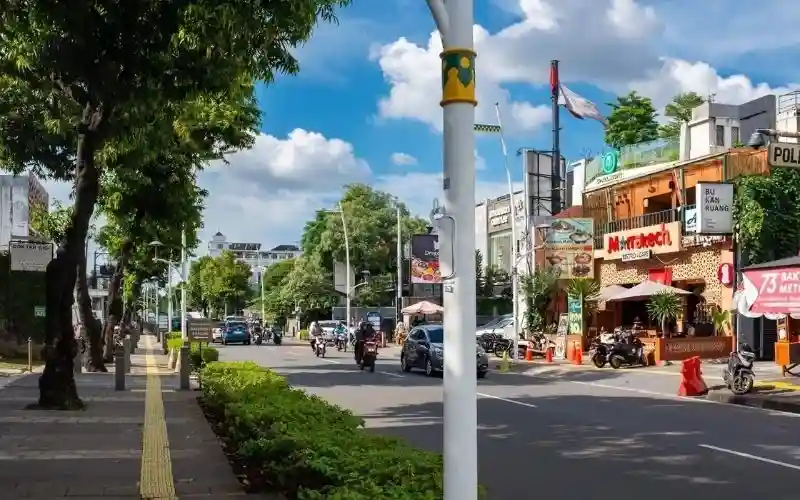
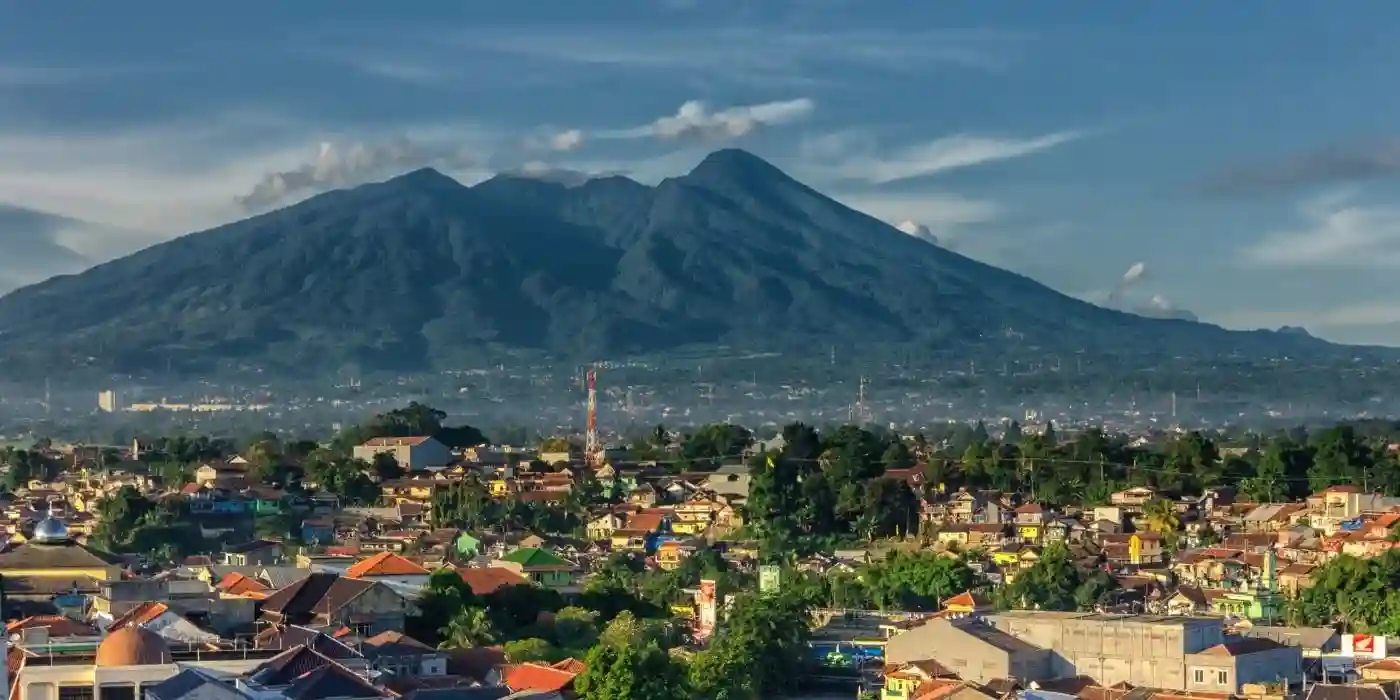
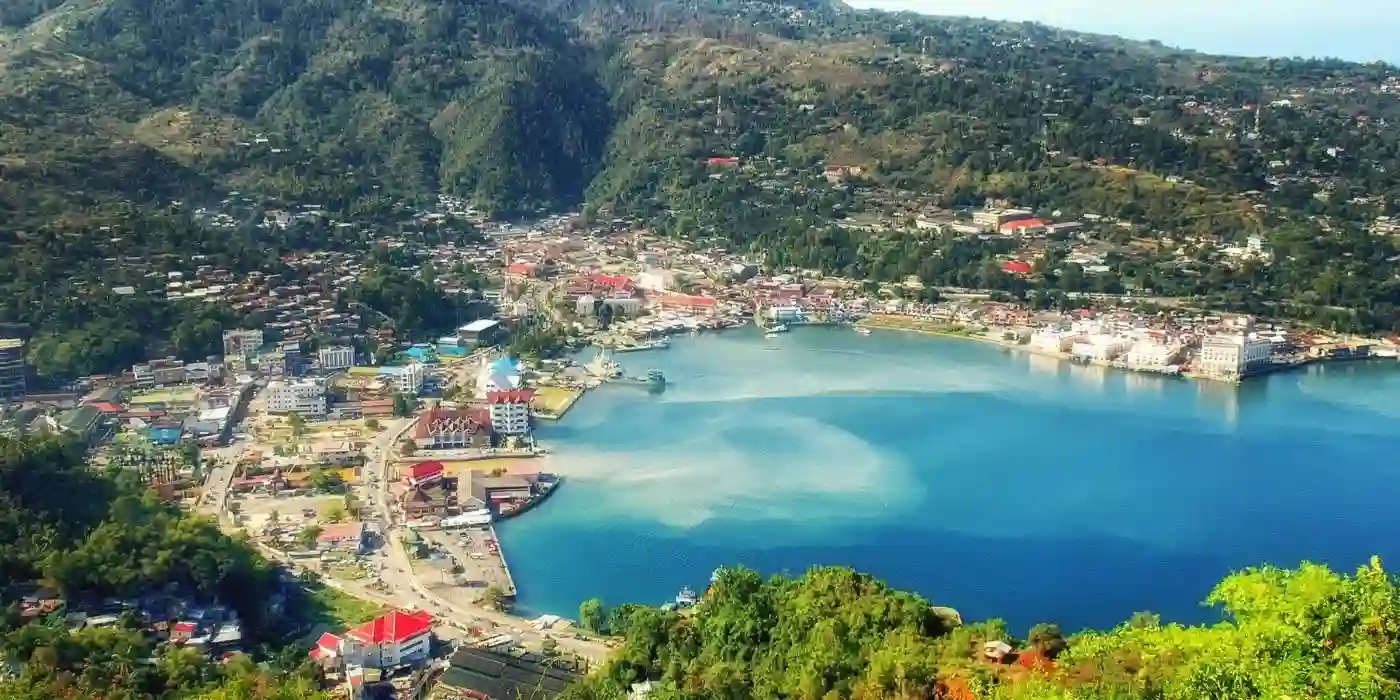
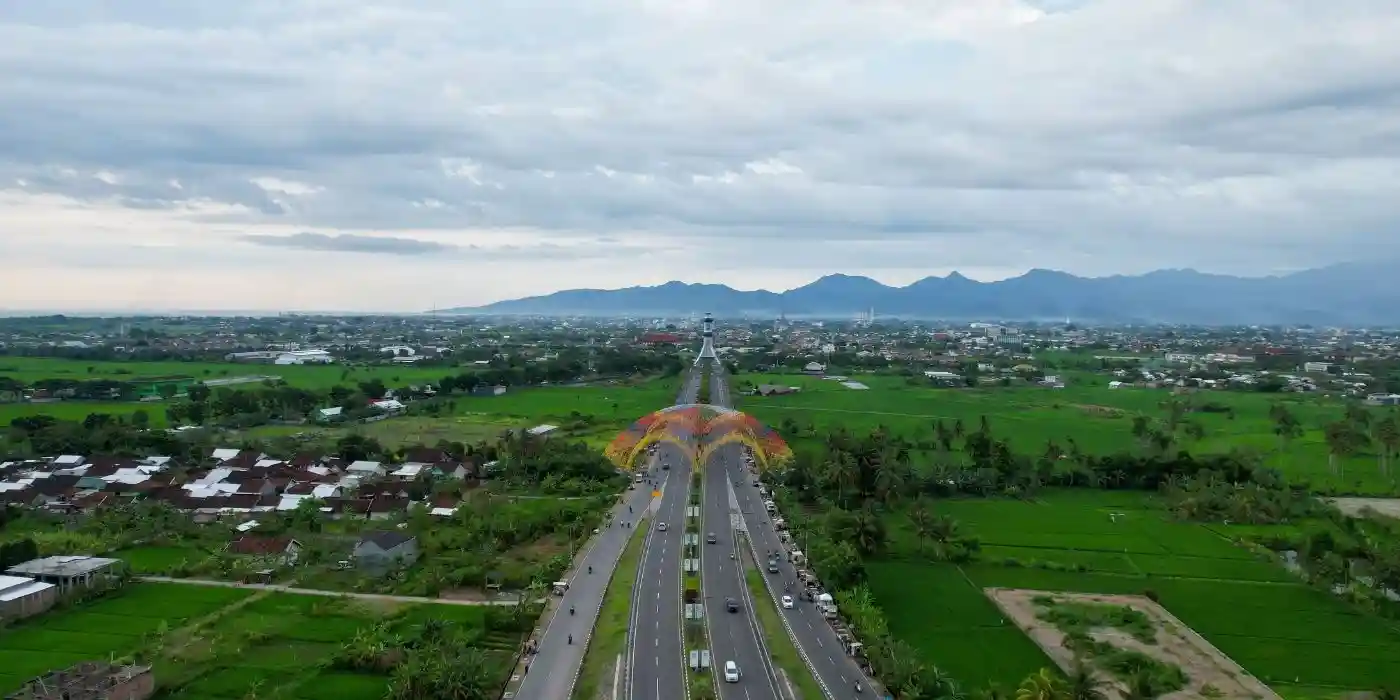
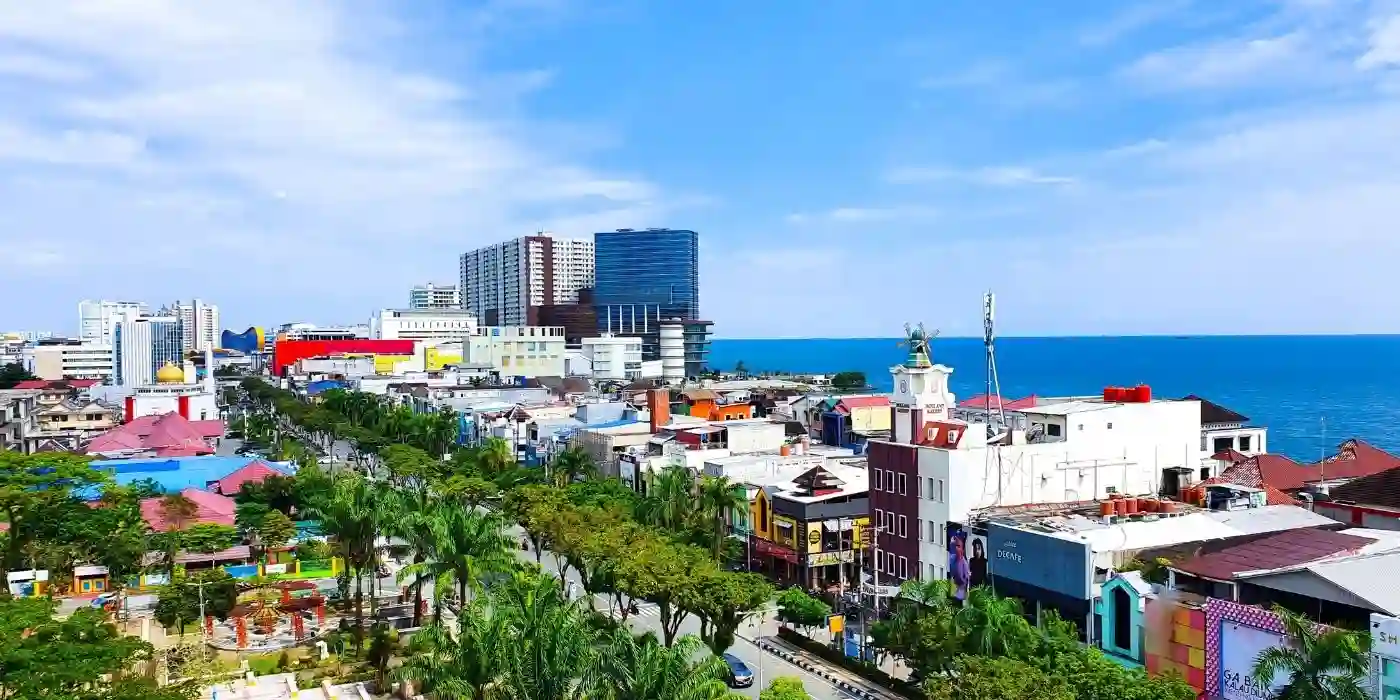
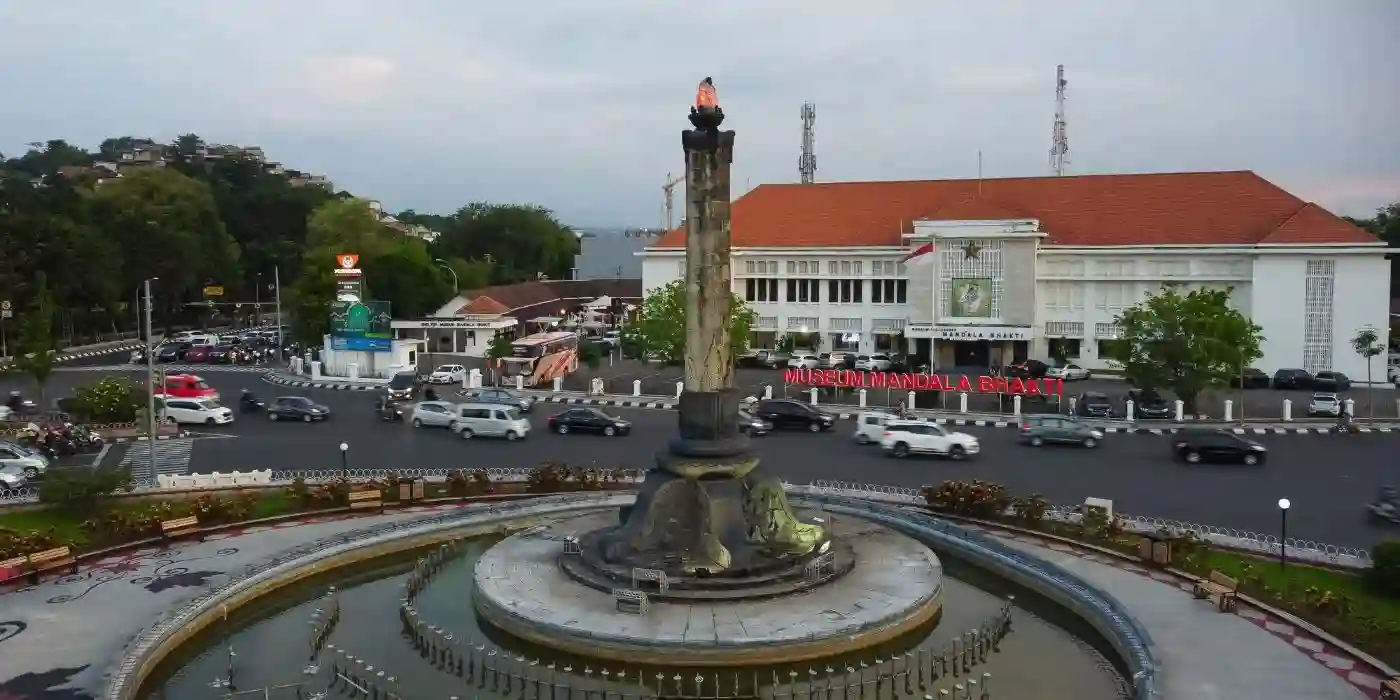
Manado, the capital of North Sulawesi, offers a very different experience from Indonesia’s larger cities such as Jakarta or Surabaya. With a population of approximately 460,000–480,000, it is a mid-sized coastal city known for its relaxed pace of life, strong community ties, and access to some of the world’s best diving.
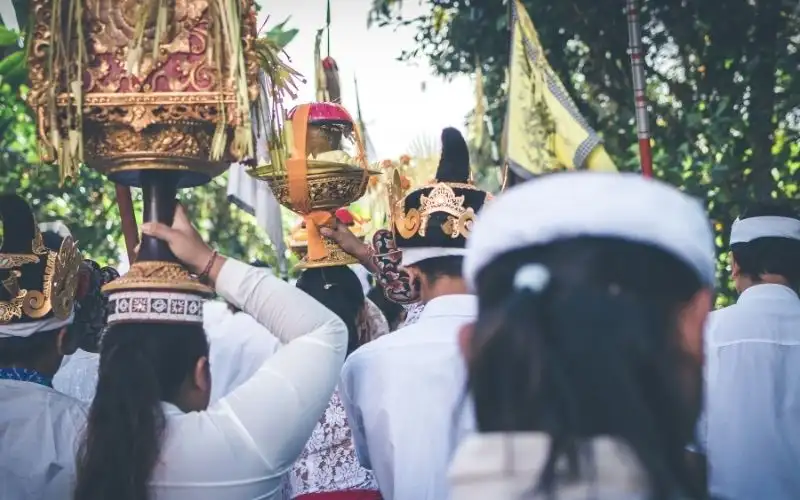
The people of Manado reflect a long history of migration and cultural mixing. Influences from Minahasan heritage, as well as Dutch, Chinese, and other communities, are visible in names, cuisine, and traditions. Compared to many other parts of Indonesia, the population is relatively diverse and outward-looking.
Manado is also unique in Indonesia for its religious composition. It is one of the few regions where Christianity is the majority religion, particularly Protestant denominations, alongside Catholic, Adventist, and Pentecostal communities. Muslims make up a significant minority, and religious harmony is generally strong.
Lifestyle and Local Culture
Life in Manado moves at a slower, more personal pace. Relationships and trust often play a larger role than formal systems. While business practices are modernizing, personal connections remain important in both professional and daily life.
The local economy has historically been supported by agriculture (coconut, cloves, spices), fishing, and regional trade. Today, tourism—especially diving—plays a growing role.
Manadonese culture is friendly, expressive, and social. Shopping malls such as Manado Town Square (Mantos) and Mega Mall are popular gathering places, and dining out is a central part of daily life.
Cost of Living
Some goods—especially imported items, vehicles, and electronics—can be 10–20% more expensive than in Jakarta due to logistics.
However, local food is affordable and widely available. Overall, the cost of living is moderate, though lifestyle choices can significantly influence expenses.
Expat Community
The expatriate community in Manado remains relatively small, typically under 100 residents. Most expats are involved in tourism, hospitality, mining, or are part of mixed-nationality families.
Because of its size, the expat community is informal and often integrates closely with local networks.
Recreation and Leisure
Manado is best known for its natural environment.
Diving and Nature
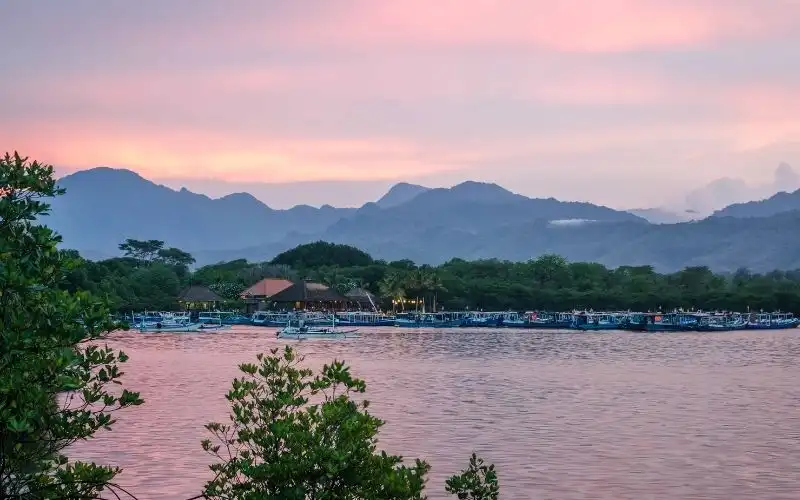
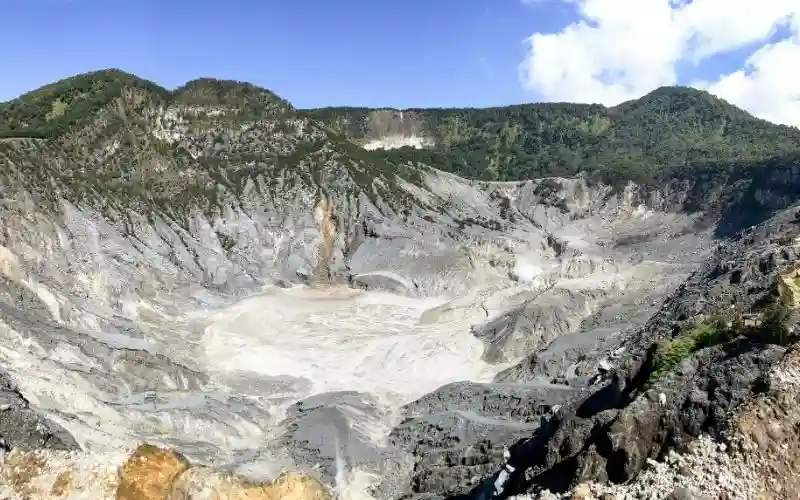
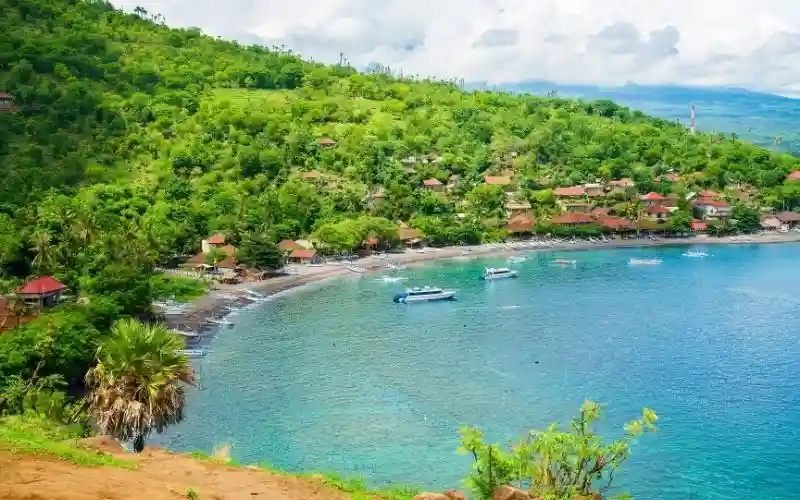
The area offers world-class diving in Bunaken National Marine Park and Lembeh Strait. Other activities include fishing, hiking volcanic mountains, and island exploration.
Sports and Fitness
Facilities are limited but improving. Many expats use hotel gyms and pools through memberships.
Social and Nightlife
Nightlife is modest, consisting of karaoke venues, cafés, bars, and hotel lounges. The atmosphere is relaxed and locally oriented.
Housing
Housing in Manado is affordable and relatively spacious.
Popular Areas
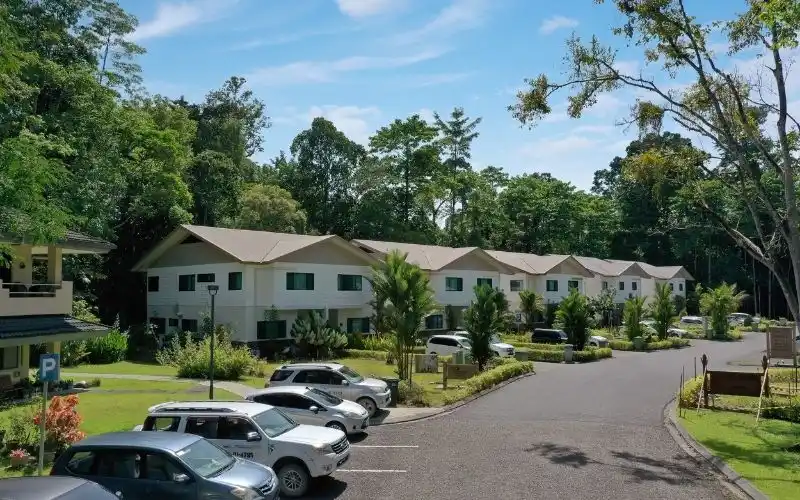
- CitraLand – modern and popular with expats
- Winangun & Malalayang – convenient residential areas
- Airport area – quieter but further from town
Rental agreements typically require 1–2 years’ rent in advance.
Buying Property
Foreigners cannot directly own land (Hak Milik). Legal alternatives exist but require professional guidance.
Utilities and Infrastructure
Electricity (PLN)
Electricity supply has improved, though outages can still occur.
There is no standardization of electricity capacity in homes, and this is an important factor for expats. Properties vary widely in installed power, and some homes may not support multiple air conditioners and appliances at the same time.
Before signing a lease, it is highly recommended to test the electrical load by running several air conditioners and appliances simultaneously. This helps ensure the system can handle your lifestyle needs.
Landlords are often reluctant to increase power capacity, as higher capacity results in a higher electricity tariff per kilowatt-hour. As a result, upgrading may not always be possible.

As a general guide:
- 3,500–5,500 VA is suitable for basic modern living
- Higher capacity is needed for multiple air conditioners and appliances
Planning ahead can prevent ongoing inconvenience.
Water (PDAM)
Water supply can be inconsistent. Many homes rely on pumps, wells, and storage tanks.
Internet
Fiber internet (IndiHome, Biznet) is available in many areas and generally adequate.
Mobile Networks
All major providers operate in Manado with good coverage.
Shopping and Daily Needs
Supermarkets such as Hypermart, FreshMart, and Transmart provide a mix of local and imported goods. Traditional markets are best for fresh produce and seafood.
Education
International schooling options in Manado are limited compared to larger Indonesian cities, and this is an important consideration for expatriate families—especially those with older children.
The main option is Manado Independent School (MIS), a private Christian school offering education from early childhood through Grade 12. It is the only school in North Sulawesi providing a full international-standard pathway across all grade levels.
The school has grown significantly and now has over 1,300 students enrolled, making it relatively large for a secondary Indonesian city. The student body is diverse, with a mix of Indonesian students and international students from countries such as Australia, the Netherlands, Singapore, Japan, Korea, Germany, and others. However, the majority of students are Indonesian or Indonesian-background, with a smaller expatriate population compared to Jakarta-based international schools.
The curriculum is delivered primarily in English and combines Indonesian and international programs, allowing students to continue to universities both locally and abroad. Facilities include science labs, sports areas, music programs, and extracurricular activities, with relatively small class sizes that support personalized learning.
Another option is Citra Kasih School (SPK), located near CitraLand. This school offers a blended Indonesian and international curriculum but is generally more suitable for younger children, with more limited offerings at higher grade levels.
Important Consideration for Expat Families
While schooling for younger children in Manado can be supportive and comfortable, parents with older children (secondary or high school level) should carefully consider the limitations:
- Limited number of international school choices
- Smaller expatriate student population
- Fewer academic and extracurricular options
- More limited university pathway support compared to larger cities
For this reason, some families explore alternatives such as boarding schools in Jakarta or Bali, international schools in Singapore, or online learning programs.
This is one of the most important factors to evaluate when considering a relocation to Manado with school-age children.
Healthcare
Healthcare in Manado is suitable for routine care, including general practitioners, dentists, and pediatricians. For major procedures, expats typically travel to Jakarta or Singapore.
Transportation
Ride-hailing apps such as Grab and Gojek are the most practical way to get around. Taxis are available but less commonly used.
Public transport exists but is rarely used by expats. Many prefer renting a car, often with a driver.
Navigation can be challenging, and landmarks—particularly churches—are often used instead of street names.
Final Thoughts
Manado offers a unique lifestyle for expats seeking a slower pace of life, strong community connections, and access to nature. While it lacks some of the infrastructure of larger cities, it makes up for it with friendliness, charm, and world-class diving.
Acknowledgment
Our thanks to Fabrizio Ratti for sharing his personal insights into expat living in Manado for the original version of this article, as well as to Jeremy and Ninny Barnes of Safari Tours and Travel, and Oliver Rula for their earlier contributions and revisions.
This article has been reviewed and updated for accuracy and relevance in 2026, with additional input based on current relocation practices, infrastructure developments, and expat lifestyle considerations in Manado.