

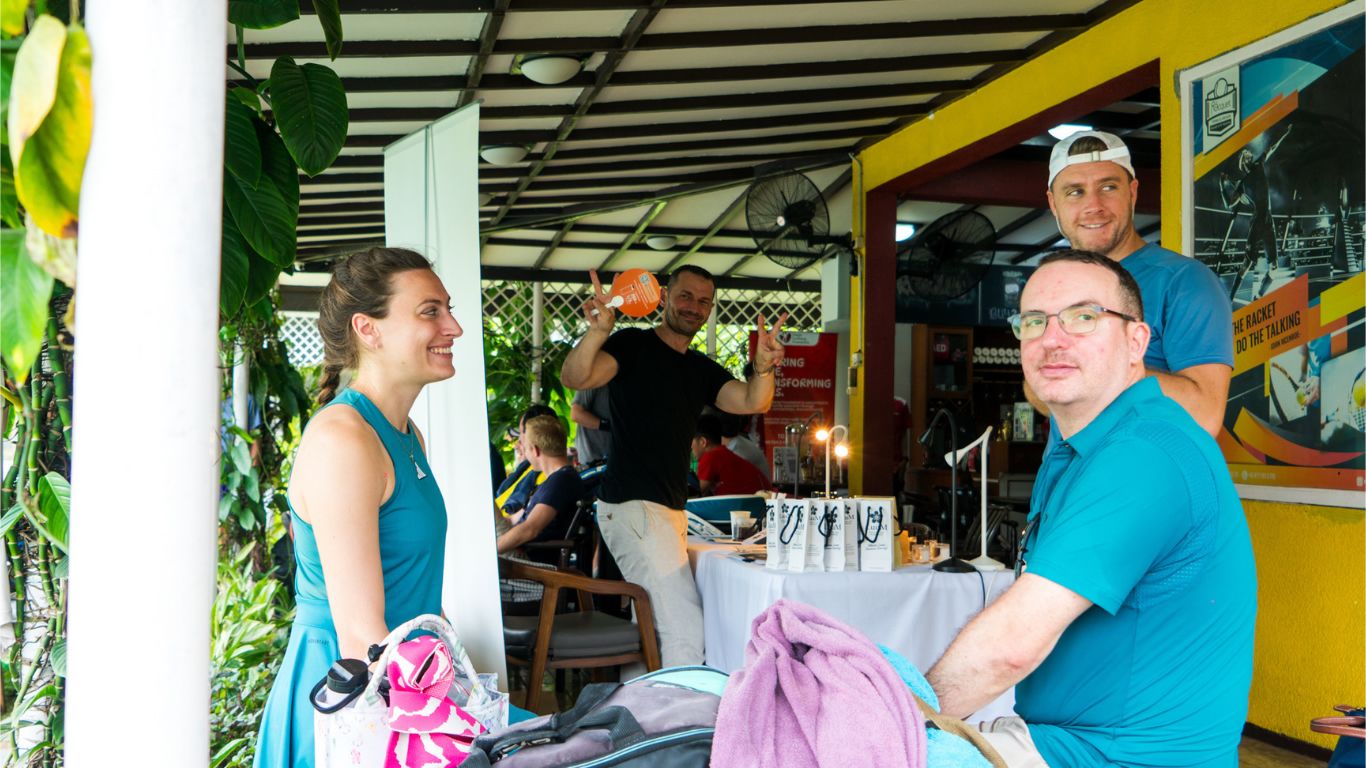
In short: The quickest way to make friends in Jakarta is to join something that meets every week: a sports club, a choir, a women’s association or a volunteer group. Pick one activity you already enjoy, go three times before deciding, and say yes to the coffee or drinks afterwards. That is where friendships start.
Jakarta has more than ten million people and a large international community, yet many newcomers spend their first months feeling surprisingly alone. Work fills the week, traffic eats the evenings, and the people you meet at the school gate or in the lift rarely become friends on their own.
The good news is that Jakarta has a long tradition of clubs and associations that exist precisely to welcome new arrivals. Some have been doing it since the 1970s. This guide shows you how to choose one, how to make the first visit count, and where to find groups in our directory.
Why the first months can feel lonely
Almost everyone goes through a quiet patch after a move. A few things make it more noticeable in Jakarta:
- Distance and traffic. A friend who lives 10 kilometres away can feel much further at rush hour, so spontaneous plans happen less often.
- Work-first routines. If you moved for a job, your days may be full while your evenings and weekends are empty.
- The trailing partner gap. A partner who left a career behind may have no office, no colleagues and no obvious place to start.
- Short-term thinking. It is tempting to wait until you feel settled before joining anything. In practice, joining something is how you become settled.
None of this means something is wrong. It means friendship needs a little structure here, and a regular activity provides it.
Pick a community by what you enjoy
The table groups communities by interest. Every name links to its listing in our directory, which has contact details and a description. We checked that each of these groups showed activity in 2026, but meeting times change, so confirm the current schedule on the group’s own website or social media before you go.
| If you enjoy | Groups to start with | Good to know |
|---|---|---|
| Running and the outdoors | Hash House Harriers Jakarta | Several hash groups run each week, including mixed and men-only runs. The run takes under an hour and is followed by a social gathering. You do not need to be fast |
| Team sports | Jakarta Komodos Rugby Football Club · Jakarta Touch Rugby Club | The Komodos welcome men and women of all nationalities and run junior training. Touch rugby has been played in Jakarta since 1990 and suits all ages and levels. See also our guide to sports and fitness clubs |
| Meeting people from home, or from everywhere | ANZA · British Women’s Association · India Club Jakarta | ANZA and the BWA both welcome members of all nationalities. Their weekly calendars mix sport, interest groups and social events. India Club Jakarta runs large cultural celebrations such as Independence Day and Diwali |
| Culture and history | Indonesian Heritage Society | Talks, trips and cultural events about Indonesian heritage. The society also trains volunteer guides for museum tours |
| Singing, theatre and speaking | Jakarta International Community Choir · South Jakarta Community Choir · Jakarta Players · Toastmasters clubs | JICC is a non-audition choir for expatriates and Indonesians. The Jakarta Players are a community theatre group open to all nationalities, on stage and behind the scenes. Toastmasters clubs welcome visitors at their meetings |
| Giving back | Rotary Club Jakarta · Jakarta Animal Aid Network (JAAN) | Rotary Club Jakarta, chartered in 1970, meets in English, and the city has several other Rotary clubs. JAAN is volunteer-led and works on domestic animal welfare and wildlife |
| Faith | Religious services directory | Our directory lists congregations that hold services in English and other languages |
You will find more than 60 groups across Indonesia, from field hockey to golf societies, in our full Social Clubs & Orgs directory.
Easy first steps this month
- Choose one regular activity, not five. A weekly commitment builds familiarity faster than a busy month of one-off events.
- Go three times before you decide. The first visit is about finding the venue. By the third, people start to recognise you.
- Stay for the after-part. The coffee, drinks or meal after the run, rehearsal or meeting is where conversations happen.
- Offer to help. Clubs run on volunteers. Helping at a registration desk or a bake sale is the quickest way to get to know the people who keep a group going.
- Go to one community event. Large events bring many groups together in one place. On 31 October 2026, for example, the German Plus Football Tournament and Halloween at The American Club both drew families from across the international community.
- Learn a little Indonesian. A few phrases open doors with neighbours and colleagues, and a language class is itself a good place to meet people. Our guide to how Indonesians say no is a useful start.
For trailing spouses and parents
If you moved for your partner’s job, the associations are often the best starting point. ANZA and the BWA are built around weekday activities, from coffee mornings and fitness sessions to interest groups, so you can find your people while others are at work. The BWA’s 2026 programme, for example, included hiking, Zumba, golf, pickleball, mahjong and author talks.
For parents, the school community is usually the first network. Join the parents’ association, volunteer for one school event, and say yes to weekend birthday parties, which are where many parents get to know each other. Children’s sport helps too: the Jakarta Komodos run junior rugby training, and ANZA’s weekly activities have included children’s music and tennis coaching. For more on family life, read our guide to raising expatriate children in Indonesia.
Volunteering as a way in
Volunteering gives you a reason to come back every week and a shared purpose with the people beside you, which is why it often leads to lasting friendships. It also connects you with Indonesians as well as other expats.

- Animal welfare: JAAN is volunteer-led and welcomes help with its animal programmes.
- Service clubs: Rotary clubs run community projects in education, health and the environment.
- Culture: the Indonesian Heritage Society trains volunteer museum guides.
- Charities: our directory lists more foundations working in health, education and community development.
Read more in our guide to volunteering your services, and see why community matters in joining expatriate community organisations.
Run a club or community group?
Our directory helps newcomers find groups like yours. If your club is listed and the details have changed, or you would like to be added, send us your current meeting times, contact details and a short description. We review every update before it goes live.
Frequently asked questions Make Friends in Jakarta as Expat
How do expats make friends in Jakarta?
Most expats make friends through a regular activity: a sports club, a choir, a women’s association, a service club or a volunteer group. Choose one that meets every week and go at least three times before deciding. Staying for the social time afterwards matters as much as the activity itself, because that is where conversations turn into friendships.
What are the main expat clubs in Jakarta?
Long-running groups include ANZA, the British Women’s Association, the Indonesian Heritage Society, the Hash House Harriers, the Jakarta Komodos rugby club, the Jakarta International Community Choir and the Jakarta Players theatre group. Most welcome all nationalities. Our Social Clubs & Orgs directory lists more than 60 groups with contact details.
Do I need to be from Australia or Britain to join ANZA or the BWA?
No. Despite their names, both associations welcome members of all nationalities. ANZA has welcomed expatriates and their families since 1970, and the BWA describes itself as open to women of all nationalities and backgrounds. Check each association’s website for current membership options before you join.
How can a trailing spouse meet people in Jakarta?
Start with an association that runs weekday activities, such as ANZA or the BWA, then add one interest-based group, for example a choir, a heritage study group or a sports club. Volunteering is another good route, because it gives you a weekly routine and a shared purpose with the people around you.
Are there communities that mix expats and Indonesians?
Yes. Choirs such as the Jakarta International Community Choir, Toastmasters clubs, Rotary clubs and volunteer groups like JAAN all bring expatriates and Indonesians together. Joining one is also a good way to practise Indonesian and understand local life beyond the international bubble.