

Editor’s Note:
This article reflects on the powerful emotional connection many Indonesians have with their traditional cuisine. While the humorous anecdotes and references are products of the time in which it was written, the central theme remains true today. Indonesians living overseas often go to great lengths to find authentic Indonesian restaurants, imported spices, sambals, instant noodles, and traditional ingredients to recreate the flavours of home. Food is deeply intertwined with family, identity, and nostalgia, making it one of the strongest emotional links to Indonesia for people living abroad.
Scanning shelves of imported fruit and vegetables in the supermarket, who says that you can’t find fresh rock melon, Cape gooseberries, artichokes, or even my favorite freshly picked field mushrooms in Jakarta? You might have to reach deep into your pocket and spend money equal to the weekly salary of a local government official, but hey, who cares, just so long as you can taste the autumn breeze and smell the wet soil mixed with melted thin snow in every bite. Just for a short moment, you can forget that you’re living in a developing country.
A lingering bittersweet yet familiar aroma froze my steps. I saw a wooden box piled high with football-sized yellowish green spiky fruit in front of me. The sign underneath read “Durian from Bangkok”. The sight reminded me of my conversation the night before with Tina, an Indonesian lady married to an Australian friend of mine.
“I bought one tray of durian yesterday. I couldn’t bring it home without having it triple-wrapped by the supermarket attendant. And I had to eat it standing in the backyard in the sun, about 100 metres away from the house. You can imagine, I probably invited the entire blowfly population in the neighbourhood.”
“It’s my husband,” she explained. “He can’t stand the smell of durian.”
Yes, that’s a classic story. It’s not only durian. Many foreigners struggle with the smell—and sometimes the taste—of foods such as shrimp paste (terasi), ripe jackfruit, salted duck eggs and other traditional Indonesian favourites. Ever heard the saying, “When in Rome, eat and smell like the Romans do”? Maybe not—I just made it up.
Then again, I can’t really blame them. I couldn’t imagine happily eating haggis, black pudding or pickled herring every day if I were living overseas either.
Many Indonesians who marry expatriates gradually adjust their eating habits. Serving a dinner of cassava crackers, sambal and dried shredded beef may be quietly discouraged. Otherwise, a growing collection of burger receipts might mysteriously begin appearing on the bedside table.
My poor friend Tina has to wait until her husband leaves for work before sneaking out to buy chicken noodle soup from the street food vendor behind her apartment building. She enjoys it with generous handfuls of fresh green chilies. The one time her husband tried eating the chilies, he ended up with an upset stomach.
What’s wrong with local food anyway?
Nothing really. Although in Tina’s case, the biggest concern is probably hygiene. At many traditional roadside food stalls, you can watch every step of the preparation. Sometimes you’ll even see bowls being rinsed in the same bucket of water used dozens of times before. If you choose not to look too closely, however, the food is often delicious.
Some people say Indonesians can tolerate less-than-perfect food hygiene because they’ve built up resistance over the years. Whether that’s scientifically true is another matter entirely. Personally, I suspect that better hygiene would benefit everyone.
So is it necessary to avoid traditionally prepared local food? Or is adopting a completely Western diet really an improvement?
The answer, as with many things, probably lies in education.
Food safety and hygiene have improved dramatically across Indonesia over the past two decades, especially in restaurants, shopping malls and organised food courts. At the same time, many street vendors now pay far greater attention to cleanliness than they once did. Nevertheless, using common sense when choosing where to eat remains good advice anywhere in the world.

There is also another reason not to abandon Indonesian cuisine entirely. Imported food remains relatively expensive compared with locally produced ingredients. More importantly, Indonesia’s extraordinary culinary heritage deserves to be preserved and enjoyed.
For couples from different cultures, the answer is usually compromise.
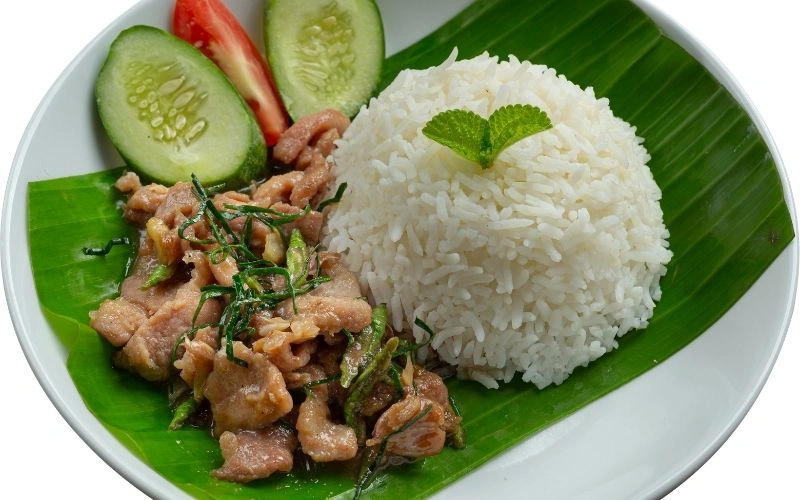
Rice porridge with French toast for breakfast. Chicken pie served alongside fresh gado-gado for lunch. Beef steak with rendang sauce for dinner.
And if you absolutely must eat something your partner finds unbearable, simply do it while they’re distracted. Turn on a favourite television show, an important football match, or whatever captures their complete attention. They may not even notice you’re happily eating crispy chicken intestines.
A few years ago I lived in Amsterdam for a couple of months. After weeks of pea soup, cauliflower in cream sauce, Edam cheese sandwiches and the seemingly compulsory mayonnaise-covered fries, I found myself desperately craving the flavours of my childhood.
Eventually I discovered a small Chinese-Indonesian supermarket around the corner from my apartment. After a lengthy search involving plenty of pointing, smiling and improvised sign language, I found exactly what I wanted hidden among the dusty shelves—a can of gudeg, the sweet young jackfruit specialty from Yogyakarta.
I paid nearly four dollars for something that would have cost only a fraction of that back home.
It didn’t matter.
I needed a little taste of the tropics.
That cold, windy evening I happily ate my treasured can of gudeg in my overheated apartment.
A few hours later I experienced one of the worst stomach aches of my life.
Perhaps after weeks of European food and drinking water, my supposedly “bacteria-proof” Indonesian stomach had become a little too comfortable.
I remember thinking:
“Oh no… I’m becoming a stranger to my own food!”
First published inThe Jakarta Post.