

Editor’s Note:
This article provides general guidance based on long-standing expatriate experiences in Indonesia. While much of the advice remains relevant, individual family situations may vary depending on location, schooling, and lifestyle.
Special Considerations for Kids Growing up as Expats
For some expatriate children, living in Indonesia may present a whole new way of life from what they were used to in their home country. At the same time, many families find that they are able to recreate familiar routines and lifestyles while embracing new experiences. One of the greatest advantages of living in Indonesia is the opportunity it provides for children to experience a rich mix of cultures, both from the host country and the international community.
For children who have grown up in a very structured or privileged environment, living in Indonesia can also offer valuable perspective. Exposure to a wider range of social and economic realities often helps children develop empathy, adaptability, and a deeper appreciation for what they have.
Separation from Family and Friends
Children need special attention during the transition of a move overseas, as they leave behind beloved grandparents, aunts, uncles, cousins, and close friends who they may not see until the next home leave.
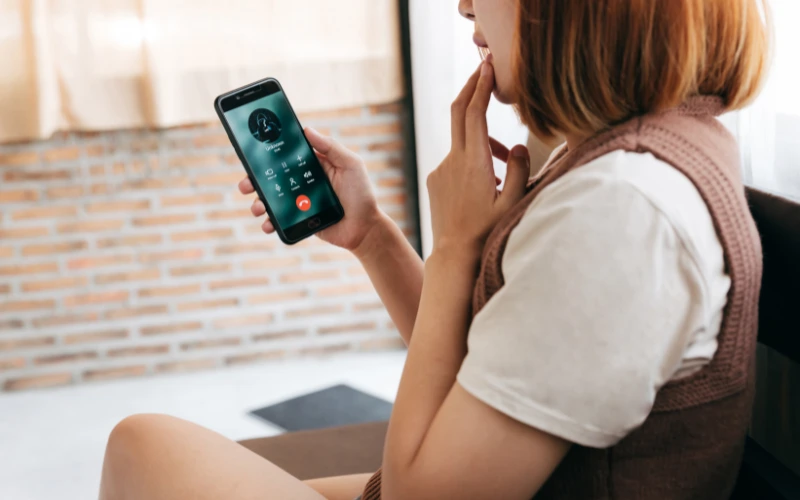
Take care to ensure that you find ways for your children to keep in touch with those loved ones left behind. In today’s connected world, video calls, messaging apps, and online platforms make it much easier for children to maintain regular contact and stay involved in each other’s lives.
Be aware that children may deal with culture shock in very different ways than their parents. Mood swings, drops in grades at school, and changes in personality are common reactions. Talking openly with your child and sharing honest views about what everyone in the family is experiencing can help address many of these challenges.
Language Challenges
For many expatriate children, their time in Indonesia may be their first exposure to living in a society where their native language is not widely spoken. Encouraging your children to learn and use the basics of Bahasa Indonesia will make daily interactions easier and more enjoyable.
International schools include Bahasa Indonesia as part of their curriculum, so children will learn the basics at school. In addition, everyday interactions with household staff and the local community provide valuable opportunities to practice. Children typically pick up new languages quickly, often faster than their parents.
Children’s Activities
In general, children’s activities center around their schools, the friendships they develop there, and any hobbies or interests they pursue outside of school.
Unless you live in an enclosed housing complex with other expatriate families, it may sometimes be more challenging for children to play with neighbors due to language differences. However, this is becoming less of a barrier in many urban areas.
While children may safely ride bicycles within housing complexes, riding on public streets is generally not recommended. Even when destinations appear to be within walking distance, sidewalks are often limited or uneven, so travelling by car is usually the safest option.
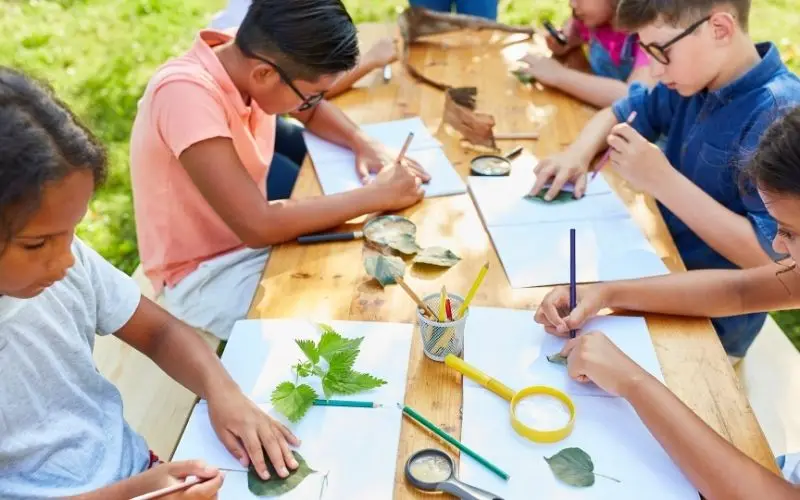
A wide range of activities is available for expatriate children, including sports, music, performing arts, and visual arts. These are often organized through international schools, private clubs, or community groups.
Sports activities include swimming, soccer, basketball, tennis, baseball, cricket, golf, gymnastics, and padel, which has become increasingly popular in major cities.
In addition to traditional activities, many families now enroll their children in coding classes, robotics clubs, and other STEM-based programs.
Private lessons are generally more affordable than in many Western countries, making Indonesia an excellent place for children to explore new interests. Many expatriate families also join private sports clubs that offer a wide range of recreational facilities for the whole family.
Special Events and Holidays
Children frequently participate in events organized by expatriate families and community groups. Birthday parties are commonly held at home or at venues, often featuring entertainers such as clowns or magicians.
Most expatriate families maintain traditions from their home country. During the Christmas season, there are community events such as carol singing, Christmas plays, and visits with Santa Claus. While public celebrations may be more subtle than in Western countries, major shopping malls and hotels often feature festive decorations and music.
Easter traditions, such as egg hunts, are supported by specialty supermarkets and hotel bakeries. Halloween celebrations are also common within expatriate communities, particularly in housing complexes and organized events.
Entertainment
Most current movie releases can be seen in cinemas or streamed through a wide range of legal platforms available in Indonesia, including Netflix, HBO, and Amazon Prime.

Children also enjoy family outings to beaches, hill resorts, and other destinations across Indonesia, as well as school-organized excursions that expose them to the country’s diverse cultures.
Attractions
In Jakarta, there are numerous attractions for children, including Dunia Fantasi amusement park, Sea World aquarium, Taman Mini Indonesia Indah, Ragunan Zoo, KidZania, Neo Soho Aquarium, skateboarding parks, and various indoor play areas and arcades. (Verification of specific venues is recommended, as attractions may change over time.)
A short drive south to the Puncak area offers a visit toCimory Dairyland and Taman Safari, as popular family destination where children can experience wildlife up close.
Shopping and Lifestyle
Locally made clothes for children are attractive and inexpensive, and there are many toy shops offering both imported and locally made products. In addition, modern shopping malls across Indonesia carry a wide range of international brands, allowing expatriate families to easily find familiar clothing and products.
Older children often enjoy shopping at factory outlets, where international brands can be found at reduced prices.
Gaming and Leisure
Indonesia has a very active gaming culture. Through app downloads and online platforms, children can continue playing the same games they enjoyed overseas.
There is also a growing interest in board games, with specialty stores, cafés, and clubs where families and children gather to play and socialize in a relaxed environment.
Family Pets
Many expatriate families choose to bring their pets when relocating to Indonesia, as long-term separation can be difficult for both the family and the animal.
If you do not bring a pet, there are many opportunities to adopt or purchase pets locally. However, regulations surrounding the import and export of animals, including vaccination and quarantine requirements, can be complex and should be carefully reviewed in advance.
Special concerns regarding pets are discussed in our article on Pets in Indonesia.
Children in Indonesian Culture
Children are highly valued in Indonesian culture and often develop close relationships with household staff, who take a genuine interest in their well-being.
Many expatriate families employ a nanny, particularly for younger children. Nannies may assist with daily care, escorting children to school, and helping with homework. Each family’s arrangement will vary depending on their needs and lifestyle.
Related Articles
Living abroad can be a truly mind broadening experience for children, with many new experiences for the family to enjoy together.
For more information on hiring and interaction between expat children and household staff, read Baby-sitters, Nannies and other Child Minders in Indonesia.
Child rearing methods in Indonesia are very different than in other cultures. If your child is in the care of a Care Minder throughout the day, you may want to share our article on Training your Indonesian child minder in the developmental needs of toddlers and discuss your expectations for interaction with your child.
If safety is a concern, you may want to enroll your household staff in a Child Care Provider First Aid course.
Frequently Asked Questions
Is Indonesia a good place to raise children as an expat?
Yes, many expatriate families find Indonesia to be a rewarding place to raise children due to its cultural diversity, strong sense of community, and access to international education.
Do expat children adjust easily to life in Indonesia?
Most children adapt well over time, especially when supported through school, activities, and maintaining connections with friends and family back home.
What schools do expat children attend in Indonesia?
Most expatriate children attend international schools that offer curricula such as IB, British, Australian, or American systems.
Are there enough activities for children in Jakarta?
Yes, Jakarta and other major cities offer a wide variety of sports, arts, educational programs, and recreational activities for children of all ages.