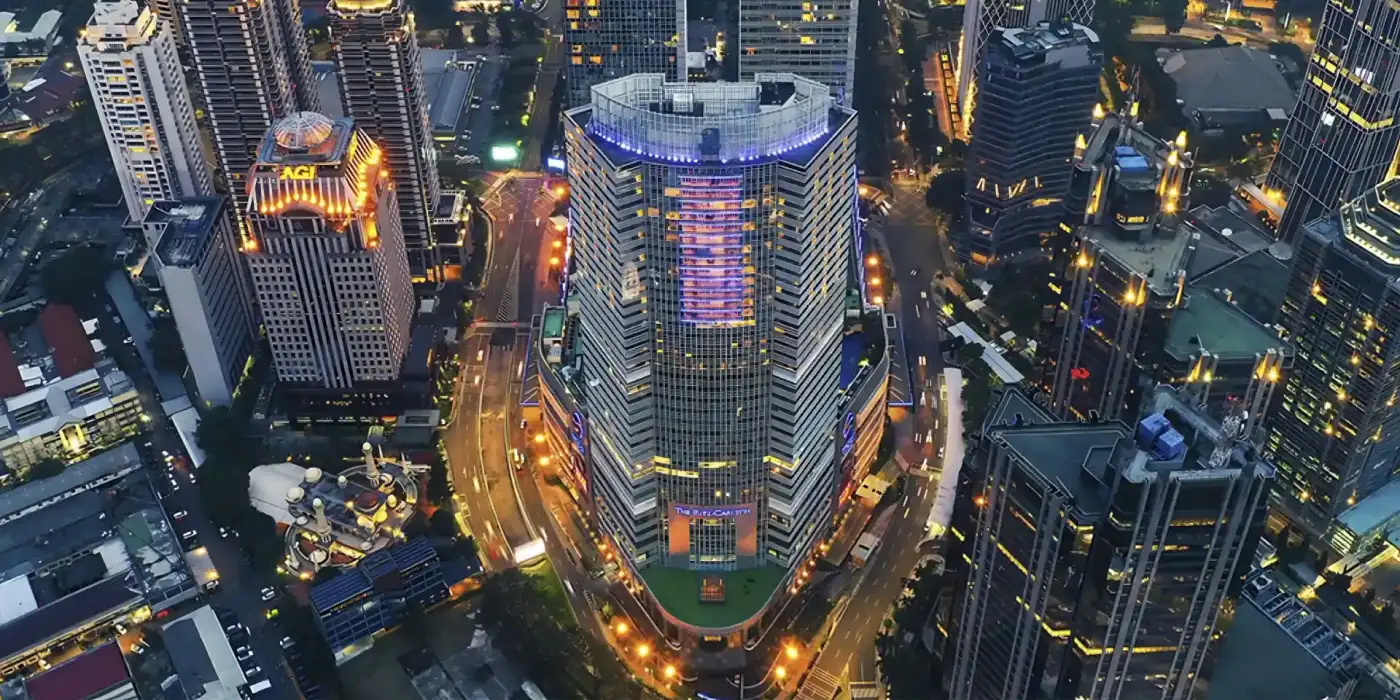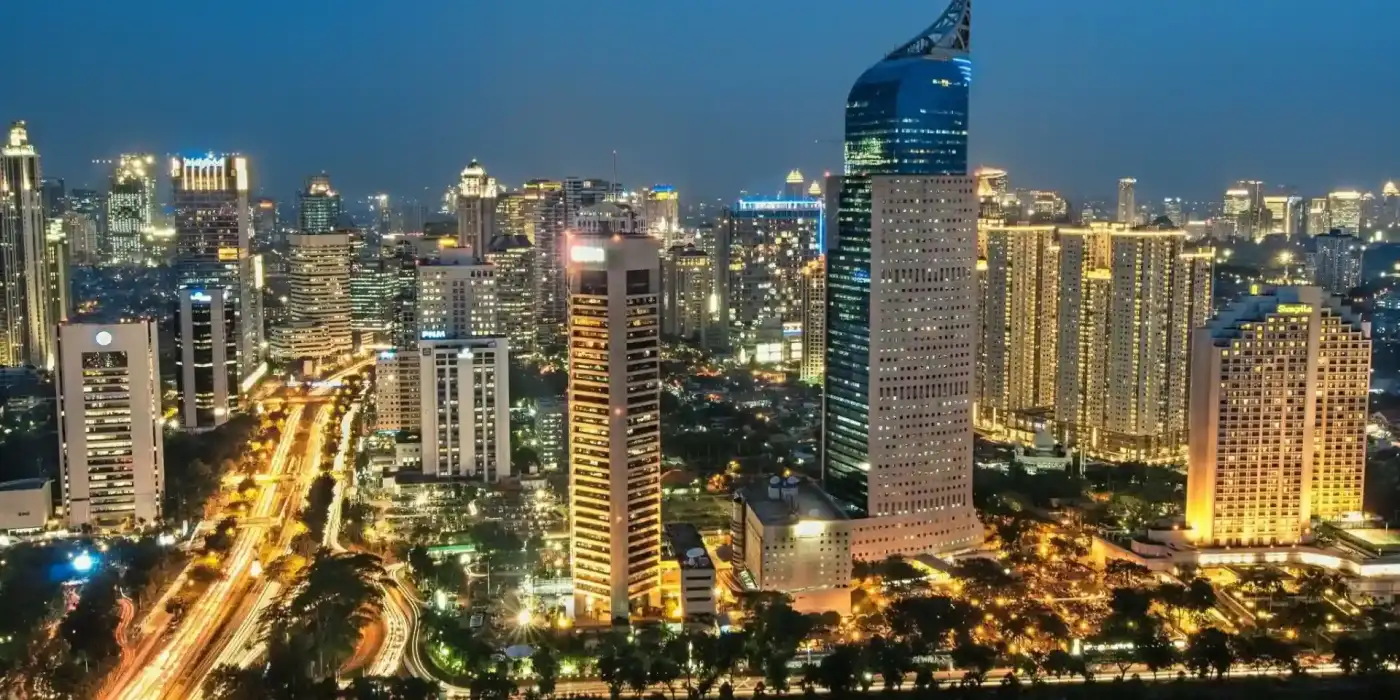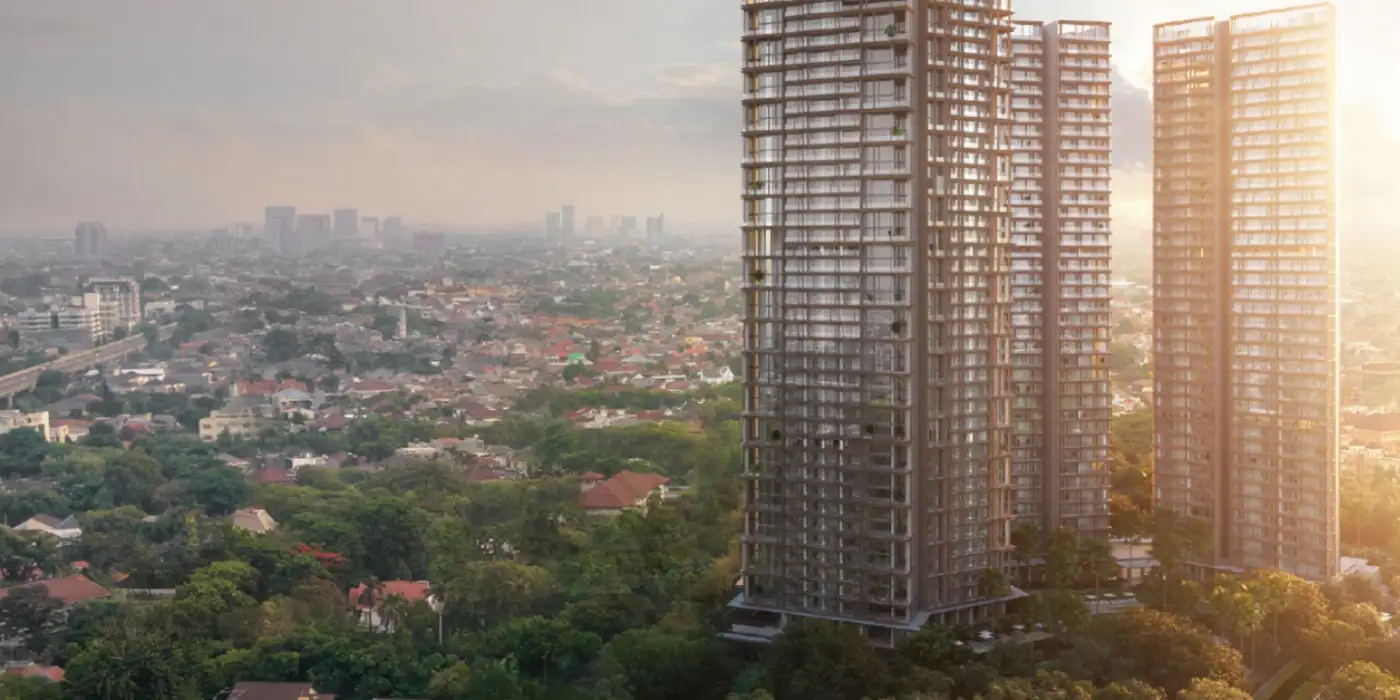

Jakarta remains Indonesia’s economic, commercial and diplomatic centre — and one of Southeast Asia’s most dynamic cities for expatriates. Despite the Indonesian government’s ongoing process of relocating the national capital to Nusantara in East Kalimantan, Jakarta is, and will continue to be, the undisputed heart of business and expat life in Indonesia. This guide covers everything you need to know to choose where to live, how to get around, and what to expect.
Choosing Your Neighbourhood
One of the first decisions any newly arriving expat faces is where to live. The neighbourhoods of South and Central Jakarta each have a distinct character, and what one person loves about an area may be exactly what another cannot stand. The best advice is simple: travel through the neighbourhoods yourself before committing. If you are driving or walking through an area and see a “Dikontrak” sign on a gate, the house is for rent.
As a broad orientation:
- Families with school-age children tend to gravitate towards Pondok Indah (closest to JIS and several international schools), Kemang (lively, good school access), or the quieter Cipete and Cilandak corridor (good value, MRT access).
- Singles and couples without children often prefer the convenience of Kuningan, SCBD or Senopati — all close to the central business district.
- Diplomats and senior executives are frequently drawn to Menteng or the Rasuna Said areas, which combine historic prestige with proximity to the CBD and the embassy district.
Before beginning your search, it is worth reviewing the broader housing landscape, including the pros and cons of apartments versus houses, at Housing Forum , as well as the overview of housing estates at Housing Estates.
The MRT: A Game Changer
Jakarta’s MRT (Mass Rapid Transit) North-South Line opened in March 2019 and has significantly changed the calculus of neighbourhood selection. Running from Lebak Bulus in the south through Fatmawati, Cipete Raya, Haji Nawi, Blok A, Blok M, Senayan, Istora, Bendungan Hilir, and Dukuh Atas to Bundaran HI, the MRT has made several southern neighbourhoods far more accessible to the central business district than they have ever been.
Commute times on the MRT bear little resemblance to car commute times — a journey that might take 45–60 minutes by car in peak traffic can take under 30 minutes on the train. If you work in or near the Sudirman corridor, MRT station proximity is a factor well worth prioritising in your housing search.
For a full overview of Jakarta’s transport options, see Jakarta Transport.
A Note on Flooding
Jakarta is a low-lying city historically vulnerable to flooding, and this remains a practical concern when choosing where to live. The neighbourhoods most affected are typically lower-lying parts of South Jakarta — parts of Kemang in particular flood regularly and sometimes severely. Pondok Indah, Menteng, Kuningan, SCBD, Senopati and Permata Hijau generally have better drainage and lower flood risk, though no area is entirely immune during an extreme wet season event.
Before signing any lease, ask the agent and neighbours directly about the flood history of that specific property and street. Do not rely on a landlord’s assurances alone.
Neighbourhood Quick Reference
The table below is a general guide only. Commute times vary significantly depending on traffic conditions, time of day and specific destination. Rental figures are approximate ranges for a three-bedroom family home or equivalent apartment as of early 2026 — always verify current pricing with a local agent, as the market moves with the exchange rate.
| Neighbourhood | Character | Best For | MRT Access | Flood Risk | Approx. 3BR Rent (USD/month) |
|---|---|---|---|---|---|
| Menteng | Historic, diplomatic | Diplomats, senior executives | Moderate (Dukuh Atas) | Lower | 2,000 – 5,000 |
| Kuningan | Business-oriented | CBD workers, oil & gas | Good (Setiabudi Astra) | Lower | 1,500 – 4,000 (apt) |
| Kemang | Characterful, social | Families, creatives | Limited | Higher | 2,000 – 6,000 |
| Cipete | Quiet, residential | Families, French expats | Good (Cipete Raya) | Moderate | 2,000 – 5,000 |
| Lebak Bulus / Cilandak | Green, suburban | JIS families, value-seekers | Excellent (terminus) | Lower–Moderate | 1,800 – 4,500 |
| Pondok Indah | Planned, upscale | JIS families, long-term expats | Moderate (Fatmawati nearby) | Lower | 3,000 – 8,000+ |
| Permata Hijau / Simprug | Quiet, green | Families, CBD workers | Moderate (Senayan) | Lower | 2,500 – 6,000 |
| Senopati / Dharmawangsa | Fashionable, central | Professionals, couples | Good (Senayan, Istora) | Lower | 2,000 – 6,000 |
| SCBD | Urban, ultra-central | SCBD workers, serviced apartments | Excellent (Istora, Senayan) | Lower | 1,500 – 5,000 (apt) |
Safety
Jakarta is generally considered safe for expatriates, particularly in the well-established expat neighbourhoods covered in this guide. The main practical concerns are traffic, flooding in some areas during the wet season, and air quality on high-pollution days. Standard urban precautions apply, and the vast majority of expats living in Jakarta report feeling comfortable and well looked after in their communities.
International Schools
The majority of Jakarta’s international schools are concentrated in South Jakarta, particularly around the Pondok Indah, Cilandak, Kemang and Cipete corridor. Key schools include:

- Jakarta Intercultural School (JIS) — campuses in Cilandak and Pondok Indah. The most prominent international school in the city.
- Lycée Français Louis-Charles Damais (LFLCD) — in Cipete. The primary school for the large French expat community.
- Nord Anglia School Jakarta (NAS Jakarta) — in the Cilandak corridor.
- Singapore Intercultural School (SIS South Jakarta) — near the Bona Vista area in Lebak Bulus.
- British School Jakarta (BSJ) — located in Bintaro, South Tangerang. Approximately 30–50 minutes from most main expat neighbourhoods.
- Australian Independent School (AIS) — in Pejaten, South Jakarta. Follows the Australian curriculum.
- ACG School Jakarta — in Pasar Minggu, South Jakarta. An IB World School under the New Zealand-based ACG education group.
Practical tip: Choose your school first, then select a neighbourhood within a reasonable commute of it. This is the most practical approach for families.
For a comprehensive listing, see International Schools.
Housing: Apartments vs. Houses
A key decision for Jakarta expats is whether to live in an apartment or a freestanding house. Each has genuine advantages:
Apartments (dominant in Kuningan, SCBD, Senopati/Dharmawangsa) offer modern facilities, security, easier maintenance and proximity to the CBD. However, very few apartment buildings in Jakarta accept pets, and outdoor space is limited or non-existent.
Freestanding houses (dominant in Kemang, Cipete, Pondok Indah, Cilandak) offer gardens, pools, space for children and pets, and more privacy. They are better suited to families and pet owners, and are far more common in the southern residential corridor.
For more detail, see Apartments and Housing Forum.
Rental Costs
As a general guide for early 2026 — always verify current rates with a local agent, as prices move with the rupiah exchange rate:
- Kemang / Cipete (3-bedroom house): USD 2,000 – 5,000/month
- Pondok Indah (larger property): USD 3,000 – 8,000+/month
- Menteng (3-bedroom): USD 2,000 – 5,000/month
- Kuningan / SCBD (apartment): USD 1,500 – 4,000/month
- Senopati / Dharmawangsa: USD 2,000 – 6,000/month
Furnished and serviced apartments command a premium over unfurnished houses.
For help finding a property, see Agents.
Frequently Asked Questions
Which area of Jakarta is best for expats?
It depends on your priorities. Families typically gravitate to Pondok Indah, Kemang, Cipete or Cilandak. Singles and couples often prefer Kuningan, SCBD or Senopati. Menteng suits those who value historic character and CBD proximity.
Is Kemang or Pondok Indah better for expat families?
Both are strong choices with very different characters. Pondok Indah offers wider streets, planned infrastructure, lower flood risk, and proximity to JIS. Kemang has more personality and a stronger social scene, tends to have larger gardens, but floods more frequently. Traffic can be a serious daily problem. Many families try both over successive postings.
Does Jakarta have a metro or MRT?
Yes. The MRT North-South Line runs from Lebak Bulus to Bundaran HI with 13 stations. Unless your residence is located close to the line; however this may not be a viable option for your transportation needs. For current fares and timetables, visit jakartamrt.co.id.
Jakarta in General is part of our 10-article Jakarta Expat Neighbourhood Guide series. For area-specific guides, see our articles on Menteng, Kuningan, Kemang, Cipete, Lebak Bulus & Cilandak, Pondok Indah, Permata Hijau & Simprug, Senopati & Dharmawangsa, and SCBD.