

Indonesia is a vast archipelago stretching across more than 17,000 islands, and the availability and quality of medical facilities varies widely depending on location. In major cities such as Jakarta, Surabaya, Bali, and Medan, expatriates can find private hospitals and clinics that offer good standards of care and increasingly modern equipment. In smaller towns and remote areas, however, facilities may be limited and serious medical cases may require transfer to a larger city.
Over the past decade, healthcare infrastructure in Indonesia has improved considerably. Major private hospital groups have expanded services, and international-standard facilities are increasingly available in large urban areas. Even so, expatriates relocating to Indonesia should understand the structure of the healthcare system and plan ahead for their medical needs.
Preparing for Medical Care in Indonesia
Before relocating to Indonesia it is wise to prepare for potential medical needs.
Bring an adequate supply of prescription medication with you, along with a copy of the prescription and the generic drug name. Some medications commonly used in other countries may not always be available locally or may be sold under different brand names.
It is also advisable to bring copies of important medical records, particularly if you have ongoing medical conditions. Documentation regarding allergies, previous surgeries, or chronic illnesses can help local doctors understand your medical history more quickly.
If you rely on specialized medications or treatments, check availability in Indonesia before arrival. Some medications may require special permits or may only be available in larger cities.
Health Insurance and Medical Evacuation
Comprehensive health insurance is essential for expatriates living in Indonesia.
Many multinational companies provide private international medical insurance for their expatriate employees. These policies typically cover treatment in Indonesia as well as medical evacuation if specialized care is required.
In serious medical cases, patients may sometimes be referred to regional medical centers such as Singapore, Kuala Lumpur, Bangkok, or Australia, depending on the nature of the treatment required and the patient’s insurance coverage.
Foreign employees working in Indonesia for extended periods are generally required to participate in Indonesia’s national health insurance system administered by BPJS Kesehatan. In most cases, enrollment in BPJS is arranged and provided through the employer as part of the employment package. However, the level of coverage and hospital access available through private international insurance policies is often more extensive, particularly when it comes to access to private hospitals, English-speaking doctors, and medical evacuation services. For this reason, most expatriates continue to rely primarily on their private international health insurance while maintaining BPJS coverage as required by Indonesian regulations.
Medical Clinics and Hospitals
In major cities, expatriates can find private hospitals and international clinics offering relatively high standards of care.
Jakarta, Bali, and several other large cities have hospitals that serve both local and international patients. Many employ doctors who have trained overseas and who speak English and sometimes other foreign languages.
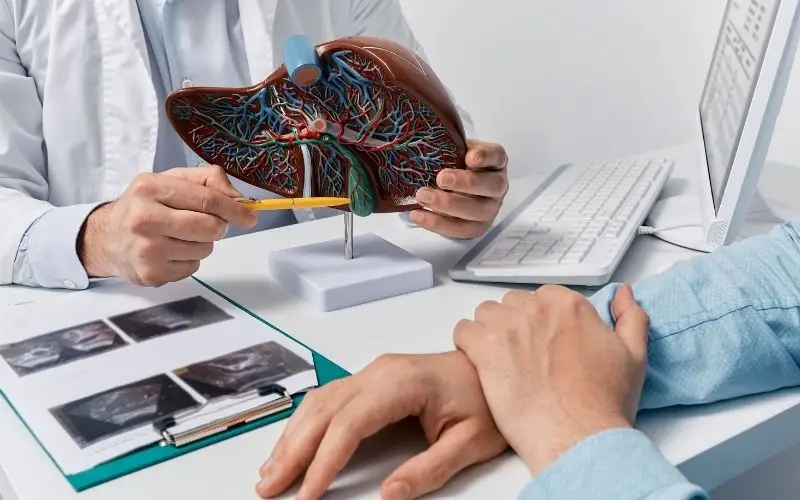
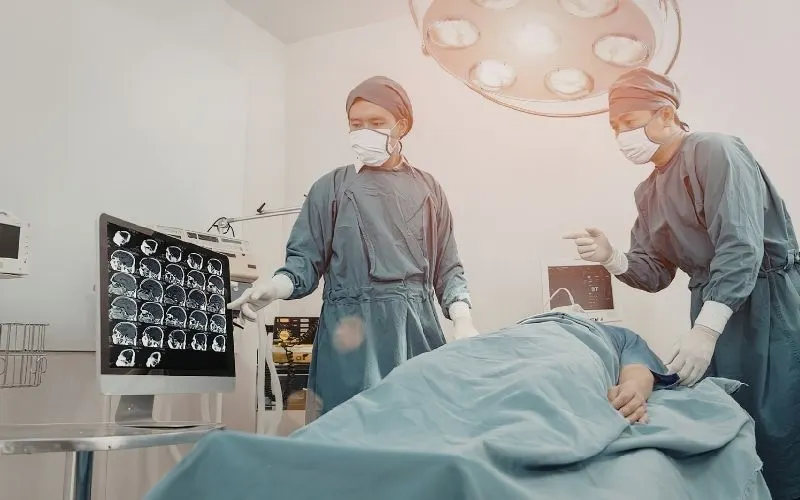
Private hospital networks have expanded rapidly in recent years, and hospitals in major cities now often provide modern diagnostic equipment, specialist services, and international patient departments. These hospitals are frequently used by expatriates and multinational companies.
International-style clinics and group medical practices are most commonly found in Jakarta and Bali, though similar facilities are gradually appearing in other major urban centers as Indonesia’s healthcare sector develops.
Outside major cities, medical facilities may be more basic. In such cases patients are often stabilized locally before being transferred to a larger hospital.
Blood Supply and Screening
Blood transfusion services in Indonesia are generally managed through the Indonesian Red Cross (Palang Merah Indonesia), which operates blood banks throughout the country.
Major hospitals typically obtain screened blood supplies through this system. As with medical care in many countries, if a transfusion is anticipated it is reasonable to discuss any concerns with the treating physician in advance.
Patients who have specific concerns regarding blood transfusions or screening procedures should discuss them directly with their doctor and hospital prior to any planned medical procedure.
International Medical Assistance
Many expatriates make use of international medical assistance organizations that can provide medical advice, referrals to appropriate hospitals, and coordination of medical evacuation if necessary.

These services can be particularly valuable for people living in more remote parts of Indonesia or for travelers moving between islands. Membership plans may include 24-hour medical advice, coordination of treatment, and evacuation arrangements when required.
Cultural Considerations in Medical Consultations
Medical consultations in Indonesia may feel somewhat different from those in Western countries.
Doctors often take a respectful and formal approach in consultations, and patients may not always be encouraged to ask many questions. Expatriates should feel comfortable asking for clarification if they do not fully understand their diagnosis or treatment plan.
Language barriers may occur in smaller clinics or hospitals outside major cities. However, in international hospitals and clinics in Jakarta, Bali, and other large cities, English-speaking doctors and staff are commonly available.
Preventive Health Advice
Preventive healthcare plays an important role in staying healthy while living in Indonesia.
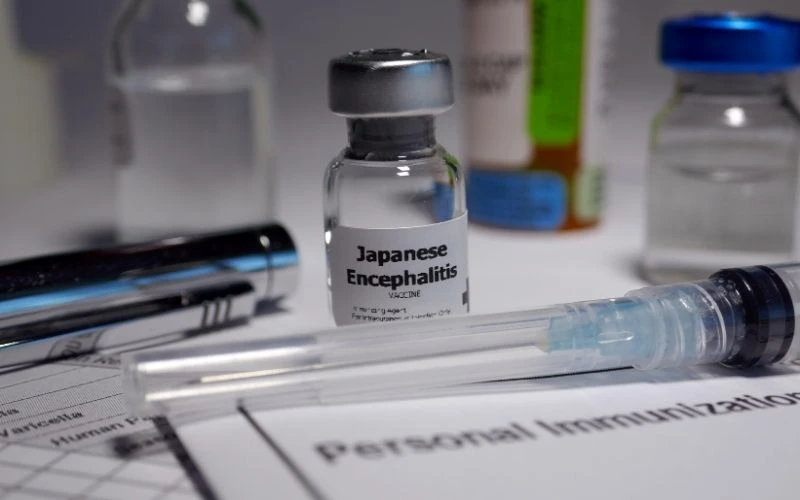
Ensure that routine vaccinations are up to date before relocating and consult a travel medicine specialist if necessary. Maintaining good hygiene practices and taking sensible precautions when traveling can reduce the risk of illness.
In recent years telemedicine has become increasingly common in Indonesia. Online consultation platforms now allow patients to speak with licensed doctors remotely, obtain prescriptions, and receive health advice through mobile applications. Many residents use these services for initial consultations or follow-up care.
Emergency Medical Services
Emergency medical services are available in major Indonesian cities, although response times and coordination can vary.
Large private hospitals often operate their own ambulance services, and international medical assistance providers may also coordinate transportation in emergency situations.
However, due to heavy traffic in many Indonesian cities, an ambulance may not always be the fastest way to reach a hospital. In some situations it may be quicker to travel to the nearest hospital using a private vehicle or taxi. Many expatriates choose this option when the patient can be transported safely, particularly if the hospital is nearby.
For expatriates living outside major cities it is advisable to identify the nearest reliable hospital in advance and understand evacuation procedures in case of serious illness or injury.
Conclusion
Indonesia offers a wide range of medical facilities, particularly in its larger cities where private hospitals and international clinics provide increasingly modern services.
With appropriate planning, adequate insurance coverage, and awareness of available healthcare resources, expatriates can access reliable medical care during their stay in the country.
At the same time, those living in smaller towns or remote areas should be prepared for the possibility of traveling to a larger city or regional medical center if specialized treatment becomes necessary.
Frequently Asked Questions Medical Facilities in Indonesia
Is healthcare in Indonesia good for expatriates?
Healthcare standards vary widely across Indonesia. In major cities, private hospitals and international clinics offer good standards of care. In smaller towns and rural areas, facilities may be more limited.
Are there English-speaking doctors in Indonesia?
Yes. Many doctors working in international hospitals and private clinics in Jakarta, Bali, Surabaya, and other major cities speak English.
Do foreigners need health insurance in Indonesia?
Yes. Foreign employees working in Indonesia are generally required to participate in the BPJS national health insurance program, but most expatriates also maintain private international health insurance.
Do expatriates ever go overseas for treatment?
For very specialized medical procedures, some patients may be referred to regional medical centers in countries such as Singapore, Malaysia, Thailand, or Australia.