

Snakebite Emergency Guide
Indonesia is home to many snake species, including several venomous snakes in Indonesia that can be dangerous to humans. In urban areas such as Jakarta, snake encounters are uncommon, but they can still happen around gardens, waterways, construction areas, and undeveloped land. Most snakes are not aggressive and usually avoid people, but bites may occur if a snake is stepped on, handled, or disturbed.
If you or someone nearby is bitten by a snake, act quickly and calmly:
- Stay calm and stop moving, as movement can spread venom more quickly.
- Keep the affected limb still and at or slightly below heart level.
- Remove tight items such as rings, watches, or tight clothing before swelling starts.
- Do not cut, suck, wash aggressively, apply ice, or use chemicals on the wound.
- Do not use tourniquets, alcohol, or traditional remedies.
- Go to a hospital immediately, as professional medical care is essential.
If possible, remember the snake’s appearance from a safe distance, but do not try to catch, kill, or photograph it. The CDC advises seeking medical help right away and avoiding harmful practices such as cutting the wound, sucking out venom, using ice, or applying a tourniquet.
For expats, the most important thing is not memorizing every snake species. It is knowing basic prevention, correct first aid, and when to seek urgent medical care. Keeping gardens clear, avoiding barefoot walking at night, and staying cautious around dark or bushy areas can reduce the risk of encounters with venomous snakes in Indonesia.
Preventing Snake Encounters
Avoid walking barefoot outdoors, especially at night. Use a flashlight when walking in dark or garden areas, and keep gardens tidy by removing tall grass, debris, and wood piles. Sealing gaps under doors and around drains can also help prevent snakes from entering the home. Extra caution should be taken in rural areas, rice paddies, and near water.
Indonesians may sometimes refer to all snakes as dangerous, but in reality many are harmless. However, any unidentified snake should always be treated as potentially venomous.
Common Venomous Snakes in Indonesia
Below are some of the more well-known venomous snakes found in Indonesia, including species that may occasionally be encountered near populated areas.
Coral Snake (Ular Cabe)
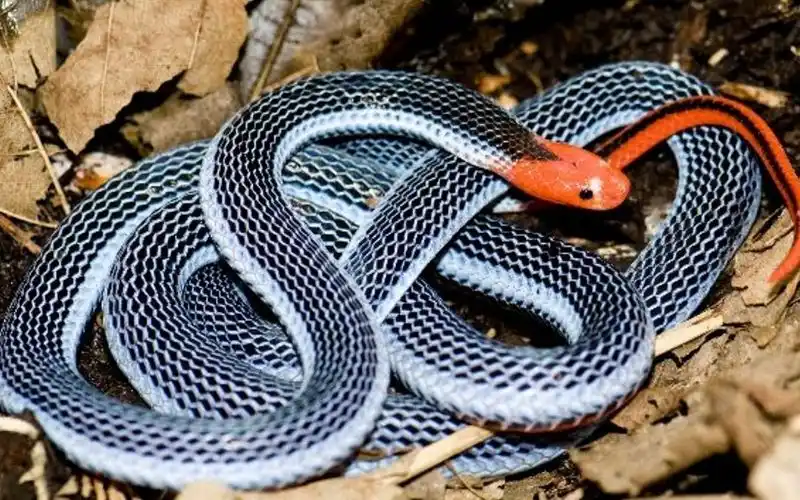
A small, slender snake (around 50 cm) with distinctive markings and a red tail resembling a chili (“cabe”). It is shy and rarely bites. Its venom is neurotoxic, affecting the nervous system.
Kraits (Ular Welang / Ular Weling)
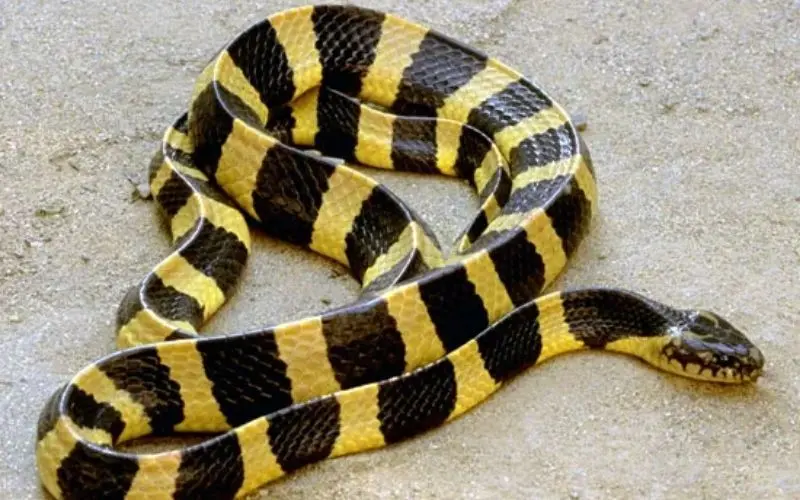
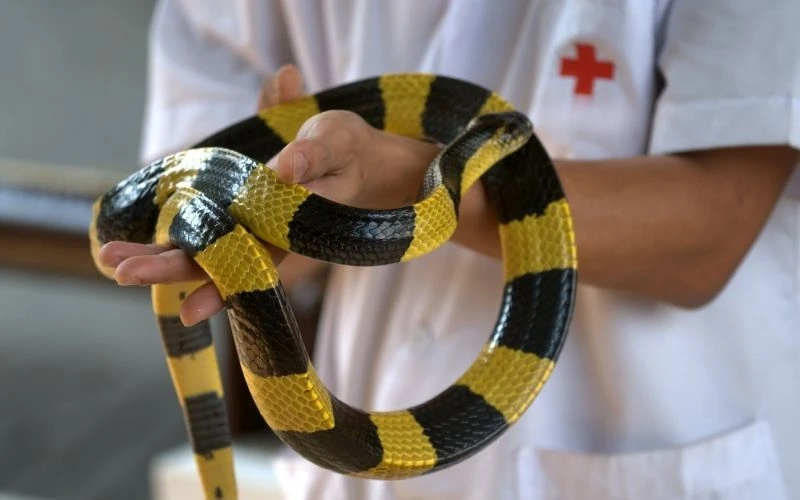
Black with yellow or white bands, typically found near water or rural environments. They are generally shy, and bites are rare but serious. Their venom is highly neurotoxic and may cause paralysis with minimal initial pain.
Cobras (Ular Sendok / Ular Raja)
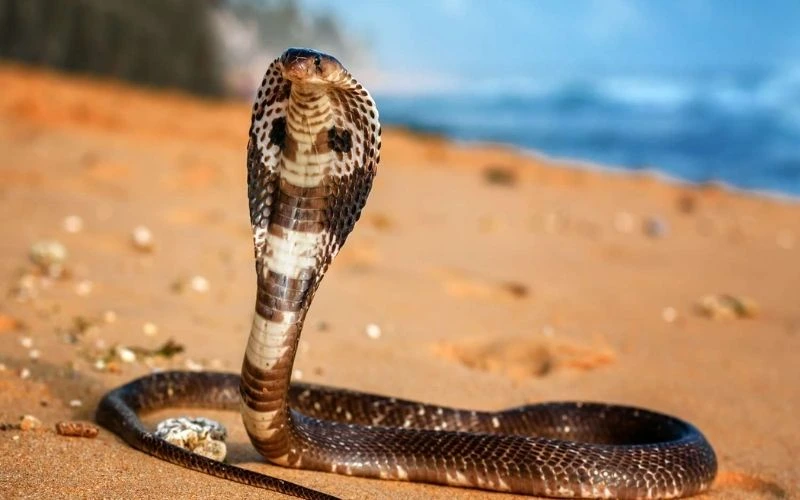
Indonesia has several cobra species, including the King Cobra and Spitting Cobra. The spitting cobra can eject venom toward the eyes, causing severe irritation or temporary blindness. Bites can result in pain, swelling, and respiratory failure. These snakes may be found even in semi-urban environments.
Pit Vipers (Ular Tanah / Ular Hijau)
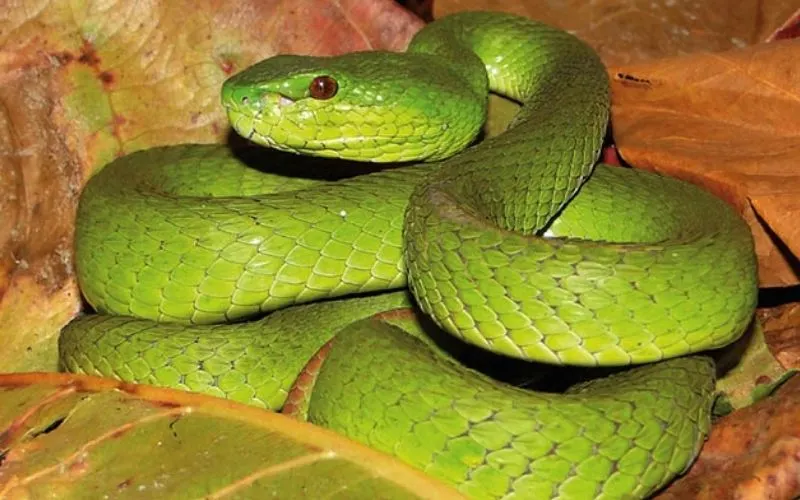
Including Malayan Pit Vipers and Green Pit Vipers, these snakes are often found in gardens, trees, or near water. They are recognizable by their triangular heads. Their hemotoxic venom causes pain, swelling, bleeding, and tissue damage.
Sea Snakes (Ular Laut)
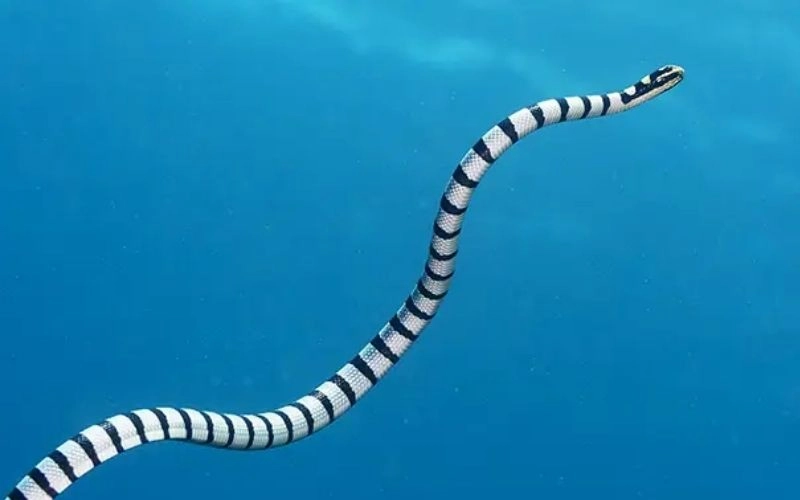
Found in coastal waters, sea snakes are generally non-aggressive but highly venomous. Bites are rare but potentially life-threatening.
What To Do If You See a Venomous Snakes in Indonesia
Do not attempt to handle or kill the snake. Keep a safe distance and remove pets and children from the area. Contact local animal control or trained reptile handlers where available. In Jakarta, local reptile communities or rescue groups may assist with safe removal.
Snakebite: What Expats Need to Know
It is important to understand that not all bites inject venom, and even harmless bites can cause fear and infection.
Symptoms of a venomous snakebite may include pain and swelling at the bite site, nausea, difficulty breathing, muscle weakness, or unusual bleeding. The severity will depend on the type of snake and amount of venom injected.

First Aid for Snakebite (Updated Guidance)
Modern medical advice has moved away from older methods.
Keep the victim calm and as still as possible. Immobilize the affected limb and keep it at or slightly below heart level. Remove any tight items such as rings or watches, and seek immediate medical attention.
Do not cut the wound, attempt to suck out venom, apply ice, use a tourniquet, or give alcohol. These actions can worsen the situation and delay proper treatment.
Medical Treatment for Venomous Snakes in Indonesia
Indonesia has access to polyvalent antivenom, but availability can vary by city, hospital, and stock levels. In larger cities such as Jakarta, treatment is more likely to be available through major government hospitals, larger private hospitals, and international medical providers. In smaller towns or remote areas, patients may need to be transferred to a hospital with the right antivenom and emergency care capacity.
Not every snakebite requires antivenom. Doctors will assess symptoms such as swelling, pain progression, bleeding, breathing problems, neurological signs, or signs of shock before deciding on treatment. WHO notes that antivenom is most important for patients showing signs of envenoming, and if it is not available, referral to a facility with supplies should happen quickly.
If you are bitten by one of the venomous snakes in Indonesia, go to the nearest emergency room immediately. Do not wait for symptoms to become severe, and do not rely on home remedies or traditional treatments. Early medical assessment is the safest way to determine whether observation, supportive care, or antivenom is needed.
Non-Venomous Snake Bites
Non-venomous snakes, such as pythons, may bite and hold on. While alarming, these bites are usually not medically dangerous. Remain calm, avoid sudden movements, and seek assistance rather than attempting forceful removal.
Other Hazards: Toxic Caterpillars (Ulat Bulu)
Indonesia is also home to caterpillars with irritating hairs. Contact can cause skin irritation, rashes, swelling, and in some cases more severe allergic reactions.
These caterpillars are commonly found in gardens, parks, school grounds, and residential areas, especially in trees, shrubs, and ornamental plants. They tend to live on the underside of leaves or along branches, where they feed and rest during the day. During certain seasons, particularly after periods of rain, they may appear in larger numbers and can even drop onto outdoor furniture, walkways, or hanging laundry.
Avoid touching caterpillars or the leaves they rest on, and take extra care when gardening or handling plants, especially if you notice unusual clusters or fine hair-like fibers on leaves.
If you come into contact with ulat bulu, avoid rubbing the affected area, as this can push the tiny hairs deeper into the skin. Gently remove any visible hairs using adhesive tape if available, wash the area with soap and water, and apply a soothing lotion or antihistamine cream; seek medical advice if symptoms worsen.
Practical Advice for Expats
Snake encounters in cities like Jakarta are rare, but they can still happen, especially in areas with gardens, waterways, vacant land, or ongoing construction. Most incidents involving venomous snakes in Indonesia happen because of accidental contact, not because snakes are actively aggressive.
For expats, the best protection is simple awareness. Keep outdoor areas tidy, avoid walking barefoot in dark or grassy areas, and be cautious around piles of leaves, wood, or unused storage spaces. If you see a snake, keep a safe distance and do not try to catch or move it yourself.
If a bite happens, stay calm and seek medical care immediately. Proper hospital treatment should always come before home remedies, traditional treatments, or online advice.