

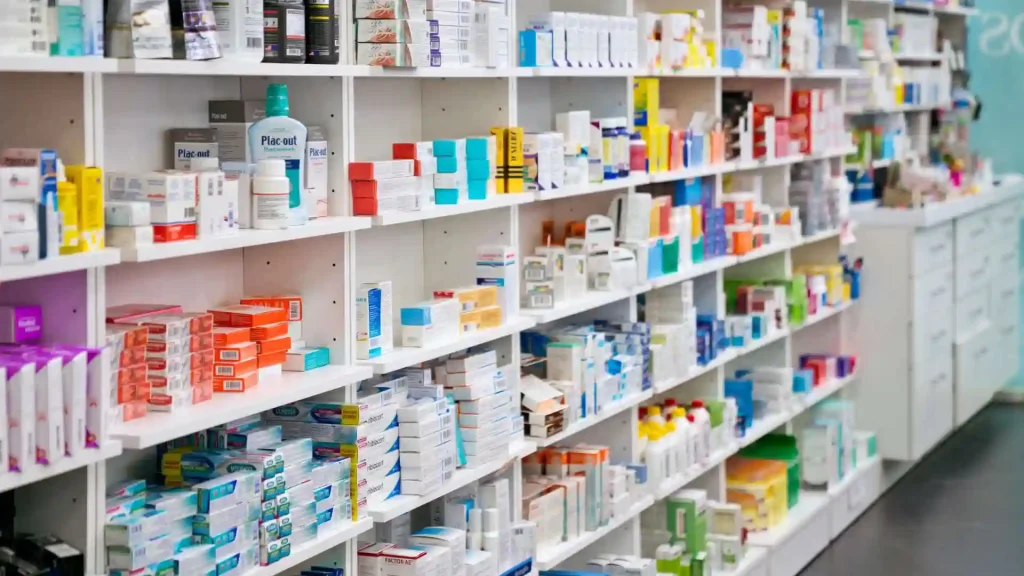
Expat residents concerned with maintaining the health of their family during their stay in Indonesia will inevitably need access to both over-the-counter and prescription medications. Fortunately, many international medications are available in Jakarta and, to a lesser extent, in other major cities across Indonesia. However, there are important differences in regulation, availability, and safety standards that expats should understand before relying on local sources.
Availability of Medications in Indonesia
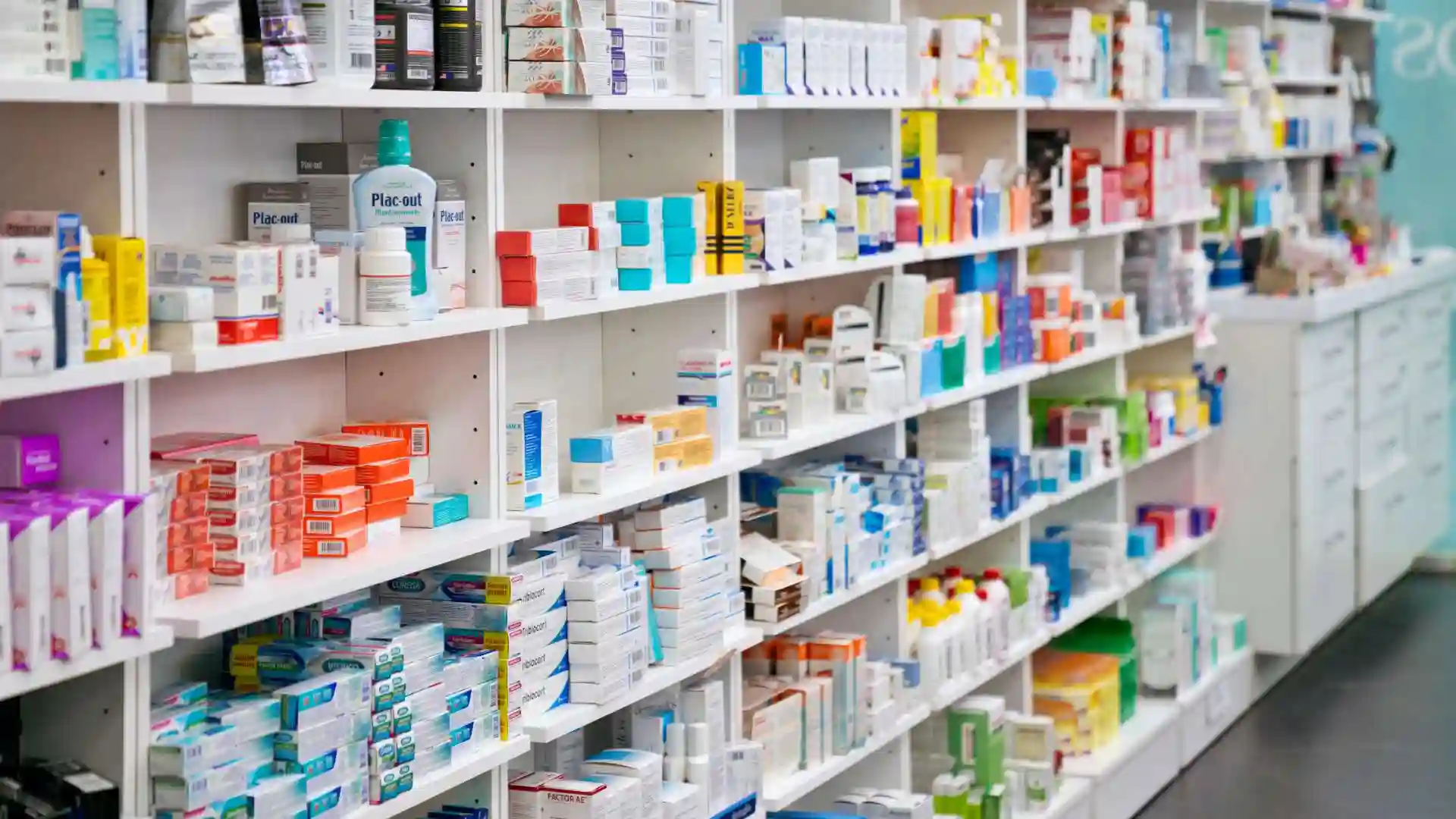
Finding medications in Indonesia is generally straightforward in major cities, especially in Jakarta, Bali, Surabaya, and other urban areas. Pharmacies, locally known as apotik, are commonly found in shopping malls, hospitals, commercial areas, and along main streets. Well-known pharmacy chains such as Guardian, Century, and Kimia Farma are usually considered reliable options and often carry common pain relievers, cold and flu medicine, vitamins, basic first-aid products, and some prescription medications.
That said, the availability of medications in Indonesia can vary depending on the city, pharmacy, and specific brand you are looking for. Jakarta usually offers the widest selection, while smaller towns or remote areas may have more limited stock. Some medicines may also be sold under different brand names than what you are used to overseas.
Although certain medications may seem easier to obtain in Indonesia than in some Western countries, it is still important to consult a qualified doctor before taking anything, especially for chronic conditions, antibiotics, controlled substances, or long-term treatment. For expatriates, it is also wise to bring a copy of your prescription, understand the generic name of your medication, and check availability before arrival when possible.
Understanding BPOM and Drug Regulation
Indonesia’s drug and food regulatory authority is known as BPOM (Badan Pengawas Obat dan Makanan). This government body is responsible for approving medications, monitoring their safety, and controlling the distribution and import of pharmaceutical products.
When purchasing medication, it is a good practice to check for BPOM registration on the packaging. This indicates that the product has been reviewed and approved for sale in Indonesia and meets local safety standards.
Prescription Requirements
Although prescription medications are legally required to be dispensed with a doctor’s prescription, enforcement can vary in practice. Some pharmacies may sell certain medications with minimal checks, while stronger or controlled drugs are more tightly regulated.
International prescriptions are not always accepted, so expats with ongoing medical needs are strongly encouraged to consult a local doctor who can issue a valid Indonesian prescription. This is particularly important for long-term treatments or specialized medications.
Bringing or Ordering Medication from Abroad
Many expats consider bringing medication with them or ordering it from overseas. However, Indonesia has strict regulations regarding pharmaceutical imports, and this is an area where misunderstandings can lead to frustration.
Medications entering Indonesia are subject to BPOM oversight and customs inspection. Certain drugs may be restricted or prohibited, and import duties or taxes may apply. In some cases, shipments are delayed, rejected, or even confiscated if the proper documentation is not provided.

For this reason, it is generally advisable to bring essential medications in their original packaging, along with a doctor’s prescription and supporting medical letter. Ordering medication online from abroad is not recommended, as there is a significant risk that the shipment will not reach you.
Pharmacy Delivery Services (A Helpful Local Practice)
One feature that many expats find particularly useful—especially after settling into daily life—is that some pharmacies offer delivery services. This can be extremely helpful in situations where you need medication late at night, when a child is unwell, or when traffic and weather conditions make it inconvenient to leave the house.
These services are not always clearly advertised, so it is worth asking your local pharmacy directly whether delivery is available. If they do offer it, take note of their phone or WhatsApp number, delivery hours, and any minimum order requirements. Having this information readily available can make a significant difference in urgent or stressful situations.
Avoiding Unsafe Medication Sources
While pharmacies located in malls and established commercial areas are generally safe, expats should exercise caution when purchasing medication from informal or roadside vendors.
These sellers are sometimes found in traditional markets, small neighborhood stalls, or unlicensed kiosks in densely populated areas. Medications in these environments may have been stored in high heat or humidity, exposed to direct sunlight, or handled without proper regulation.
Over time, Indonesia’s tropical climate can degrade medications, reducing their effectiveness and potentially making them unsafe. There is also a risk of counterfeit or expired products being sold. For these reasons, it is strongly recommended to purchase medications only from licensed pharmacies.
Payment and Insurance Considerations
Payment at pharmacies is typically straightforward, with most accepting cash, debit cards, and credit cards. However, expats should be aware that not all medications are covered by international insurance plans.
In many cases, payment must be made upfront, with receipts submitted later for reimbursement. Prices can also vary between pharmacies, particularly for imported medications, so it may be worth comparing options if you require ongoing treatment.
Tips for Expats
As a general rule, expats are advised to arrive in Indonesia with an initial supply of essential medication, along with copies of prescriptions and relevant medical records. Establishing a relationship with a reliable local pharmacy and identifying nearby hospitals or clinics can make managing healthcare much easier.
It is also wise to ask your pharmacy about delivery services early on and save their contact details for future use. Finally, avoid self-medicating—particularly with antibiotics—as misuse can lead to ineffective treatment and longer-term health risks.