

Understanding Rabies: Rabies Prevention & Info
Rabies is one of the most serious viral infections and an important topic in Rabies Prevention, especially for people living in or traveling around areas where animal bites may occur. The disease is transmitted through the saliva of infected animals, most commonly through bites, scratches, or contact with broken skin or mucous membranes.
Once clinical symptoms appear, rabies is virtually always fatal, according to the World Health Organization. However, it is preventable if proper medical care is given quickly after exposure.
The virus travels through the nervous system toward the brain, where it can cause inflammation, paralysis, coma, and death. This is why any suspected rabies exposure should be treated as urgent.
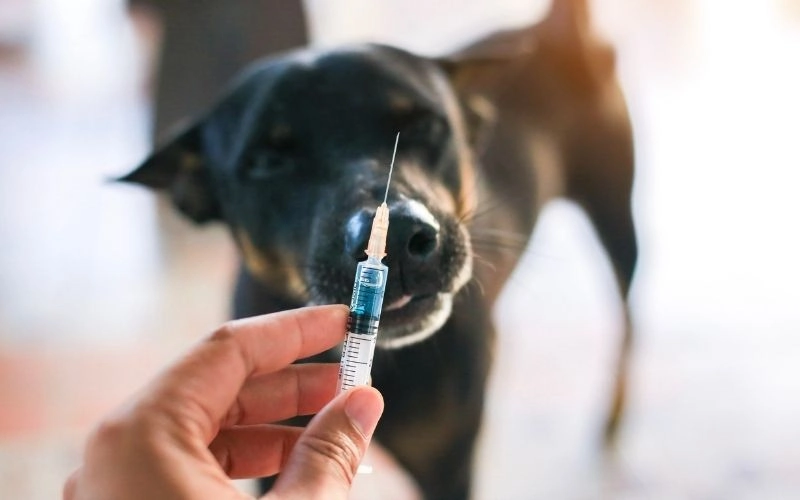
The CDC explains that post-exposure prophylaxis, or PEP, includes wound care, rabies immune globulin when needed, and a series of rabies vaccines. Treatment should begin as soon as possible after exposure.
For practical Rabies Prevention & Info, the key message is simple: wash the wound immediately, seek medical care urgently, and never wait for symptoms to appear.
Rabies in Indonesia (2026 Update)
Rabies is still present in Indonesia, although control efforts have improved significantly in recent years.
- High-risk areas: Certain regions, including parts of Bali, East Nusa Tenggara (NTT), and some rural provinces
- Lower risk areas: Major cities such as Jakarta, though stray animals still pose a risk
- Main carriers: Dogs remain the primary source of human infections
While large-scale vaccination programs have reduced cases, sporadic outbreaks still occur, especially in areas with lower vaccination coverage.
For expats, the overall risk is low but real, and depends largely on contact with animals. Children are particularly vulnerable due to their tendency to approach animals and not report minor bites or scratches.
How Rabies is Transmitted
Rabies is most commonly transmitted through:
- Bites that break the skin
- Scratches contaminated with saliva
- Licks on broken skin or mucous membranes (eyes, mouth)
Bites to the face, neck, and hands carry higher risk due to proximity to the brain.
It is important to note:
- Touching animals, or contact with blood, urine, or feces does NOT transmit rabies
- Bat exposure is rare in Indonesia but should still be treated cautiously
Symptoms and Incubation Period
The incubation period for rabies can vary widely:
- Typically 1–3 months
- Can be as short as 5 days
- Rarely, more than 1 year
Symptoms usually begin with:
- Fever and fatigue
- Tingling or pain at the bite site
- Headache
As the disease progresses:
- Anxiety and confusion
- Difficulty swallowing
- Excessive salivation (“foaming”)
- Paralysis
Once symptoms appear, survival is extremely rare.
Recognizing Rabies in Animals
It is not always possible to identify a rabid animal, but warning signs include:
- Sudden aggression or unusual tameness
- Excessive drooling or foaming
- Disorientation or unsteady movement
- Nocturnal animals appearing during the day
- Paralysis, especially of the jaw
Do not attempt to handle or capture a suspected animal. Contact local authorities instead.

Rabies Prevention: What Expats Should Do to Stay Safe
The most important rule for Rabies Prevention & Info is simple: avoid contact with animals you do not know.
This includes:
- Stray dogs and cats
- Monkeys (especially in tourist areas like Bali and temples)
- Bats and other wildlife
Even animals that appear friendly or healthy may carry rabies.
Children should be specifically educated:
- Never touch animals without adult supervision
- Always report bites or scratches immediately
Rabies Vaccination (Pre-Exposure)
Pre-exposure vaccination is recommended for expats who:
- Plan to stay in Indonesia long-term
- Have children
- Travel frequently to rural areas
- Work with animals
The standard vaccination schedule:
- 3 doses (Day 0, 7, and 21 or 28)
Benefits:
- Simplifies treatment if exposed
- Eliminates the need for rabies immune globulin (RIG), which may be difficult to access in some areas
Vaccination does not eliminate the need for treatment after a bite.
What To Do If You Are Bitten or Scratched
This is the most critical section for expats.
Act immediately. Do not wait.
- Wash the wound thoroughly with soap and running water for at least 15 minutes
- Apply antiseptic (e.g., povidone-iodine if available)
- Seek medical care as soon as possible
- Begin post-exposure vaccination if advised
Do NOT:
- Ignore minor scratches
- Assume a pet is safe without proof of vaccination
- Delay treatment
Post-Exposure Treatment in Indonesia
Post-exposure treatment typically includes:
- Rabies vaccine (series of injections)
- Rabies immune globulin (RIG) for unvaccinated individuals
- Tetanus shot if needed
- Antibiotics for infection prevention
Availability in Indonesia (2026 Reality)
- Major hospitals in Jakarta, Bali, and Surabaya generally stock vaccines
- RIG availability can still be limited, especially outside major cities
- Some expats choose evacuation to Singapore for severe cases
This is why pre-exposure vaccination is strongly recommended.
Special Considerations for Families
Children are at higher risk because:
- They are more likely to interact with animals
- Bites are often on the face or hands
- They may not report incidents
Parents should:
- Educate children early
- Inspect unexplained scratches or wounds
- Seek medical advice even for minor injuries
Pets and Rabies Prevention
If you own pets in Indonesia:
- Ensure regular rabies vaccination
- Avoid contact with stray animals
- Use reputable veterinarians
Vaccinating pets is one of the most effective ways to reduce risk.
Practical Advice for Expats
- Avoid feeding or touching animals in public areas
- Be cautious in tourist areas with monkeys
- Know the location of international hospitals nearby
- Consider vaccination before arrival or shortly after
- Keep emergency contact numbers accessible
Important Reminder
Rabies is 100% preventable with proper action—but almost always fatal if ignored.
If in doubt, seek medical advice immediately.