

A First Introduction to Indonesian Pearls
Word of mouth has long played a role in introducing people to Indonesia’s pearls. Many long-term residents will remember being told about a particular shop tucked away in Jakarta where beautiful pearl necklaces could be created while you waited. Shops such as Antiesta, like others before it, helped open the eyes of expats and visitors to the remarkable quality and affordability of pearls available in Indonesia. Yet while these shops provided the first introduction, they represent only a small window into a much larger and fascinating story — the pearl industry itself.
A Long History Beneath the Surface
For centuries, pearls have been part of life in the Indonesian archipelago. Long before modern cultivation techniques were introduced, divers searched the seas for oysters, primarily for their mother-of-pearl shells which were used for buttons and decorative items. Every now and then, a natural pearl would be found, a rare and valuable discovery. Historical accounts from Batavia in the 1600s even mention Arab traders dealing in pearls, highlighting just how long these gems have been part of Indonesia’s trading history.
The Shift to Cultured Pearls
The industry as we know it today began to take shape with the development of cultured pearl techniques in the late 1800s. This innovation, pioneered in Japan, made it possible to cultivate pearls rather than rely on chance discovery. Indonesia, with its warm waters and ideal marine conditions, quickly became one of the most important locations in the world for pearl farming. Over time, both domestic and international investors recognized this potential, and pearl farms began to expand across the archipelago.
Where Indonesia’s Pearls Are Grown
Today, some of the most important pearl farming areas can be found in West Nusa Tenggara, particularly around Lombok and Sumbawa, as well as in Maluku, Sulawesi, Lampung, and increasingly in the pristine waters of Papua. These regions provide the calm, clean seas necessary for cultivating pearls of exceptional quality. It is in these waters that Indonesia produces its most famous export in this sector — the South Sea pearl.
Best Pearl Regions in Indonesia
While pearls can be found across the archipelago, certain regions have developed strong reputations for quality and consistency. Lombok and Sumbawa are perhaps the most recognized, known for their established farms and steady production of South Sea pearls. The waters around these islands offer ideal conditions, with the right balance of temperature, salinity, and nutrients.
Maluku, historically one of the earliest areas for pearl cultivation, continues to contribute to the industry, although production has shifted over time due to environmental and social factors. Sulawesi, particularly in its central and southeastern regions, has also become an important player, attracting investment and supporting a growing number of farms.
In recent years, Papua has emerged as one of the most promising areas for pearl cultivation. Its relatively untouched waters provide an environment that is increasingly valued by pearl farmers seeking high-quality output. As the industry evolves, these regions together form the backbone of Indonesia’s position as a global leader in pearl production.
South Sea Pearls and Their Distinction
South Sea pearls are cultivated in saltwater oysters known as Pinctada maxima, often referred to as silver-lip or gold-lip oysters. These oysters thrive in Indonesia’s waters and are capable of producing pearls that are larger and more lustrous than most others found around the world. Unlike freshwater pearls, which are commonly produced in rivers and lakes and are generally more abundant and affordable, saltwater pearls take longer to grow and are more difficult to produce. This makes them rarer and, as a result, more expensive.
Understanding Freshwater vs Saltwater Pearls
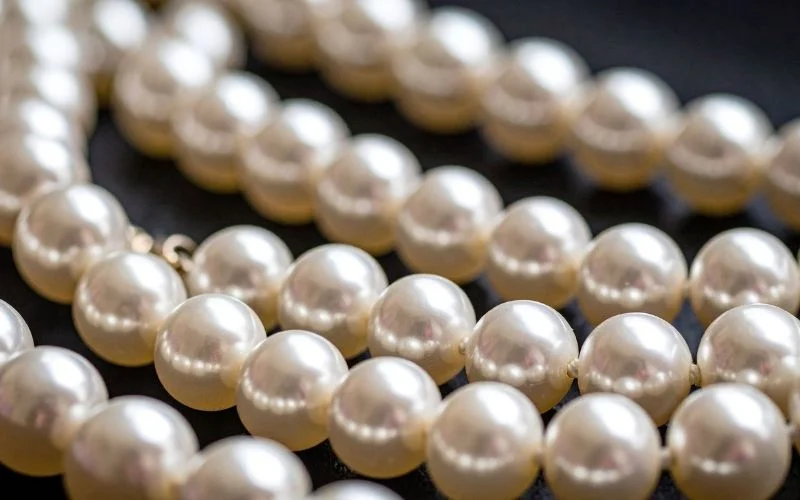
The difference between freshwater and saltwater pearls is something that becomes more apparent the closer one looks. Freshwater pearls tend to come in a wide variety of shapes and are often more irregular, while saltwater pearls are more likely to be round and uniform. Saltwater pearls also tend to have a deeper, more reflective luster, something that collectors and jewelers value highly. It is this luster, combined with size and rarity, that places Indonesian South Sea pearls among the most desirable in the world.
The Natural Colors of Indonesian Pearls
Color is another distinguishing feature of Indonesian pearls. One of the remarkable aspects is that many of these colors occur naturally, rather than being the result of dyeing. Depending on the oyster and its environment, pearls may appear in shades of white, silver, cream, or even golden tones. Some display subtle overtones of pink, green, or silver, giving each pearl a unique character. These variations are part of what makes pearl jewelry so personal — no two pieces are ever exactly alike.

What Determines a Pearl’s Value
When assessing the value of a pearl, several factors come into play, though they are often understood more through experience than through rigid classification. The first thing most people notice is the luster, the way light reflects off the surface of the pearl. A high-quality pearl will appear almost luminous, with a deep inner glow rather than a dull shine. The thickness of the nacre, the layers formed by the oyster over time, contributes greatly to this effect, as well as to the durability of the pearl.
Surface, Shape, and Size
Surface quality is also important. While perfectly smooth pearls are rare, those with fewer blemishes tend to be more valuable. Shape plays its role as well. The perfectly round pearl has long been considered the most desirable and commands the highest price, though in recent years there has been growing appreciation for baroque pearls, those with irregular shapes. These pearls, once considered imperfect, are now celebrated for their individuality and are often used in contemporary jewelry designs. Size, naturally, is another factor, as larger pearls require more time to develop and are therefore rarer and more valuable.
How to Spot Fake Pearls
For many buyers, particularly those new to pearls, one of the biggest concerns is distinguishing genuine pearls from imitations. While high-quality replicas can look convincing at first glance, there are subtle differences that become apparent upon closer inspection.
Real pearls tend to have a soft, deep luster rather than a glassy shine. When held up to the light, they reflect it with a sense of depth, almost as if the glow comes from within. Their surfaces are rarely perfect; small imperfections are a natural result of their formation and often indicate authenticity.
Another commonly mentioned test is the texture. When gently rubbed against the teeth, real pearls feel slightly gritty due to the layers of nacre, whereas imitation pearls feel smooth. Weight can also be a clue, as genuine pearls often feel slightly heavier than plastic imitations.
Perhaps the most reliable approach, however, is to purchase from reputable sellers. Established shops in Indonesia, including long-standing names such as Antiesta and Fandiasta, have built their reputations over years of consistent quality and customer trust.
The Experience of Buying Pearls in Indonesia
In Indonesia, the experience of buying pearls often goes beyond simply selecting a finished piece from a display case. In many shops, including those like Antiesta and long-established retailers such as Fandiasta, customers can choose individual strands of pearls and work with skilled artisans to create a custom necklace or bracelet. This process, often done on the spot, allows for a level of personalization that is increasingly rare in today’s retail world. Designs such as the floating or illusion necklace, where pearls appear to hover against the skin, have become especially popular.
A Growing Global Industry
Over the years, Indonesian pearls have gained recognition in international markets, and the industry continues to grow. Advances in cultivation techniques, combined with a greater focus on sustainability, are helping to ensure that pearl farming remains viable for the future. At the same time, demand for high-quality, naturally produced gems continues to rise, reinforcing Indonesia’s position as a key player in the global pearl trade.
Why Pearls Remain Timeless
What makes pearls truly special, however, goes beyond their market value. Unlike other gemstones, pearls are created by living organisms and emerge from the oyster complete, requiring no cutting or polishing. Each pearl is the result of years of natural processes, shaped by the environment in which it grows. In that sense, every pearl carries with it a story — one that begins in the waters of the Indonesian archipelago and continues wherever it is worn.
Credit
A version of this article was written by Danielle Surkatty, with references to the Indonesian pearl retail experience including Robby, Owner of Fandiasta. The original article appeared in Jakarta Kini, a publication of Indo Multi Media. This updated version reflects the continued growth and development of the pearl industry in Indonesia.