

Introduction
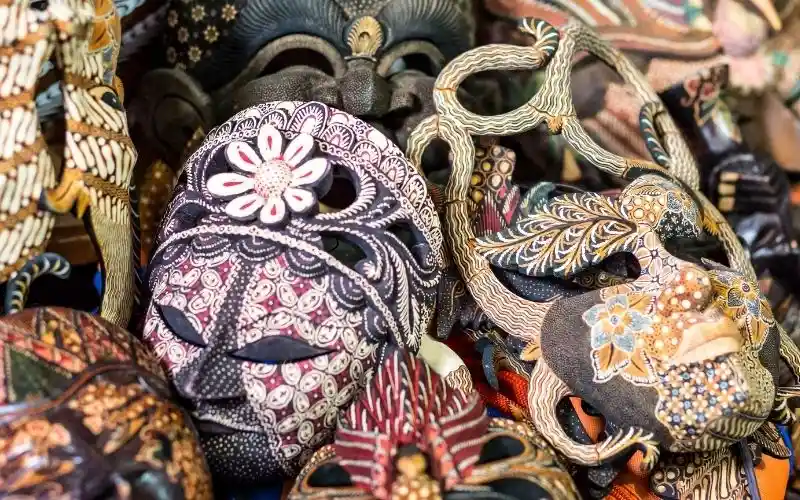
One of the many pleasures of living in Indonesia is the opportunity to learn about and collect its arts, crafts, and handicrafts. The diversity evident in Indonesia’s 300+ ethnic groups is reflected in the diversity of its art forms. Just as every ethnic group throughout the archipelago has its own language/dialect, cuisine, traditional dress, and traditional homes, they have also developed their own textiles, ornaments, carvings, and items for daily use and special celebrations. This rich cultural heritage of art and handicrafts is one of Indonesia’s true national riches.
Indonesian art forms can include designs traced back to early animistic beliefs and ancestor worship, Hindu or Buddhist-influenced motifs brought by Indian traders, and Chinese or Islamic symbols and beliefs. Foreign influence on Indonesian art forms was brought about by centuries of exposure to other cultures through trade. Immigrants from China, India, the Arab world, and later Europe traveled to the archipelago in search of the unique spices grown in Indonesia. These traders settled and brought with them rich artistic traditions which influenced the development of local art.
Today we can see highly developed art forms wherever these artisans had patrons in centuries past. One of the places where this is perhaps most evident is in Yogyakarta, where the Sultan’s family has supported batik, silver, wayang, and other artisans for generations. With this patronage the art forms flourished, resulting in a rich variety of art forms today.
The rich artistic traditions of Bali—where communities have long encouraged participation in dance, music, and visual arts—have led to the creation of a vibrant artistic culture. Foreign artists have been drawn to Bali for generations due to this unique cultural synergy.
Handicrafts also developed from the everyday household items that were decorated and used for ceremonial purposes. Witness the wide variety of uses of natural woods, fibers, bamboo, rattan, and grasses. Natural and chemical dyes, beads, and other ornamentation are used to decorate these items, many of which have developed over time into distinctive art forms.
Many expats take advantage of the opportunity of living in Indonesia to learn more about its culture, or to begin a collection of art objects or handicrafts that they enjoy. Often the pleasure grows through stages: early exploration, the thrill of discovery, learning the background, and eventually hunting down particular items and acquiring true finds. The purchase of various handicrafts is also often associated with special memories—vacations, friendly tukang (craftspeople), and the fun of searching for the right piece.
Cultural Influences Behind Indonesian Art
Indonesian art forms are deeply rooted in history and belief systems. Motifs and designs often reflect animism and nature worship, Hindu-Buddhist epics and symbolism, Islamic artistic traditions (especially geometric and calligraphic forms), and Chinese decorative influences, with later European touches in some areas. These influences came through centuries of trade and migration, especially in coastal trading regions where outside ideas blended with local traditions.
Where to Start as an Expat
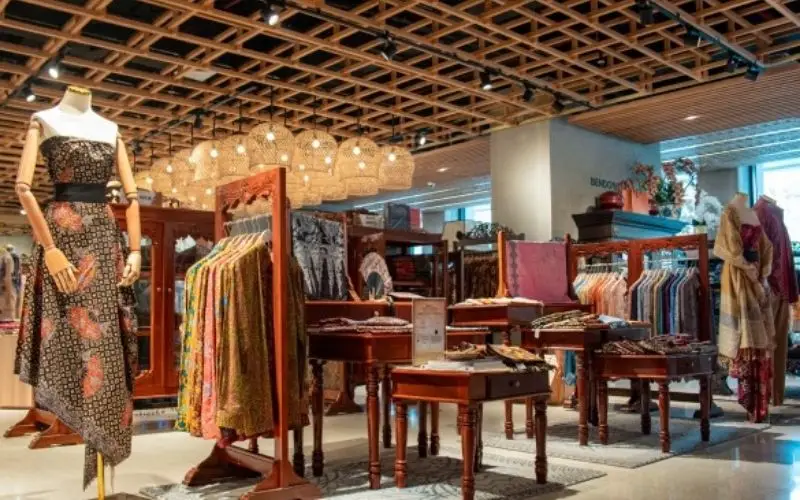
Many expats begin their journey by visiting major retail and cultural centers such as Sarinah (Jakarta) and Alun Alun Indonesia (Grand Indonesia, Jakarta). Both of these stores offer a carefully curated selection of handicrafts and art pieces that provide an excellent overview of the vast variety of items available across Indonesia. They are a good starting point to familiarize yourself with materials, styles, and regional differences before exploring further.
If your interest develops toward antiques, you can visit Jalan Surabaya in Jakarta, which is known for its antique shops and street market. Even there, it is not guaranteed that what you find will be a true antique, so buyers should proceed with caution and ideally build some knowledge before making significant purchases.
If you develop a love for a particular item, seek out others who share your new hobby and learn the history together. Expats who fall in love with a particular art form may even plan their travel through the archipelago around their special interest—tracking down and viewing the making of items in their places of origin.
Learning More: Cultural Organizations
One of the most popular organizations in Jakarta for those who are interested in learning more about Indonesian culture is the Indonesian Heritage Society (IHS). Amateurs become experts through research using their extensive library and participation in study groups. Study groups are formed depending on the interests of members and in recent years have included textiles, ceramics, wayang, batik, and other topics.
Through its association with museums in Jakarta, the Indonesian Heritage Society also offers free guided tours that can often be conducted in multiple languages throughout museums in Jakarta. If this is of interest, contact IHS directly to make arrangements.
Museums Worth Visiting
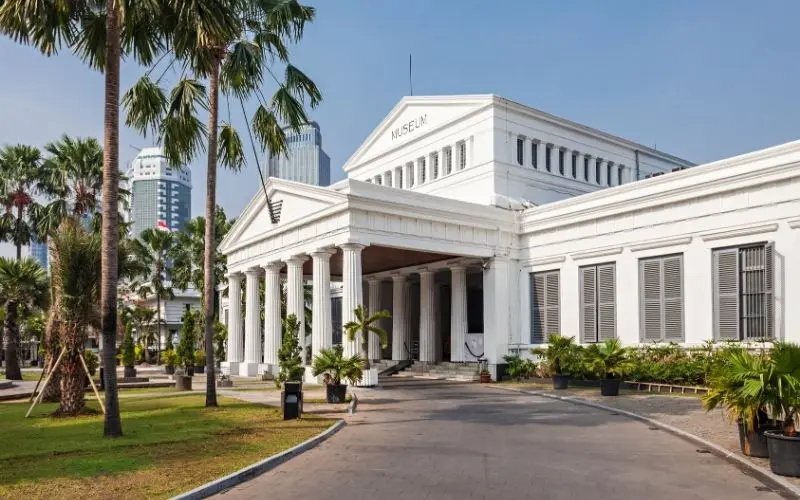
Museums in Jakarta and in other major cities display priceless artifacts from Indonesia’s vibrant history. Join a tour at the National Museum, visit the Textile Museum, and explore museums related to keris and other collections, and you will quickly discover the depth of Indonesia’s artistic heritage. These museum visits are also one of the best ways to train your eye—helping you recognize styles, quality, and regional differences.
Provincial Specialties
A few months after beginning your exploration of Indonesian art forms, certain provinces will soon take on character all their own through the crafts you associate with them: Javanese batik, Balinese carvings, Malukan pearls, Bugis silk sarong, Lombok pottery, Sumba ikat, Kalimantan tribal items, and more. Your travels throughout Indonesia will be enriched by your exposure to the development of different art forms in each province.
Symbolism in Indonesian Art
Indonesian art forms are rich in symbolism, and understanding these meanings adds a deeper layer of appreciation to what you see and collect. In many cases, the origin of a piece can be identified by the symbols used—or sometimes by the absence of certain symbols.
Religious influence plays an important role. In Islamic tradition, which is dominant in many parts of Indonesia, there is often a preference to avoid depicting human figures and animals in certain decorative contexts. As a result, art from strongly Islamic regions may feature geometric patterns, floral motifs, or calligraphy rather than figurative imagery. The lack of living-creature icons can sometimes be a clue to where a piece was made and what local values shaped it.
In contrast, regions with strong Hindu-Buddhist influence, such as Bali and parts of Java, often depict gods, demons, and mythological scenes. Figures from the Ramayana and Mahabharata epics are common in carvings, paintings, and textiles.
Chinese influence can also be seen in certain regions, particularly in coastal trading areas and parts of Kalimantan. Batik and decorative items from these areas may feature symbols such as dragons and phoenixes, traditionally associated with power, prosperity, harmony, and auspicious protection.
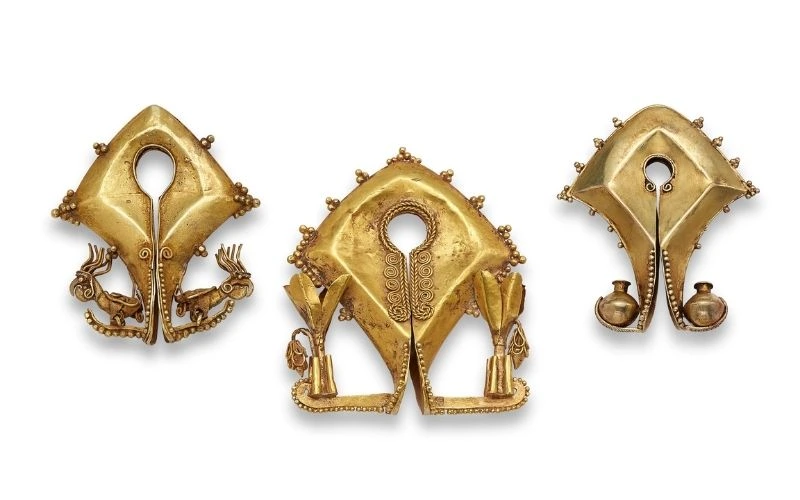
Nature-based symbolism is widespread across Indonesia. Pineapple motifs, for example, are often associated with hospitality and warmth in Javanese decorative traditions. Other widely seen symbols include Garuda (strength and national identity), naga (protection and power), tree of life motifs (connection between the spiritual and physical worlds), and the mamuli pendant from Sumba (fertility and femininity).
Color, shape, and composition also carry meaning. In textiles, patterns and colors may indicate regional identity, ceremonial purpose, or social status. Historically, some batik designs were even restricted to royal families in Yogyakarta and Surakarta. As you explore Indonesian arts and crafts, you will begin to recognize these patterns and symbols, allowing you to understand not only the object itself but also the cultural story behind it.
Popular Categories of Indonesian Arts and Crafts
Textiles
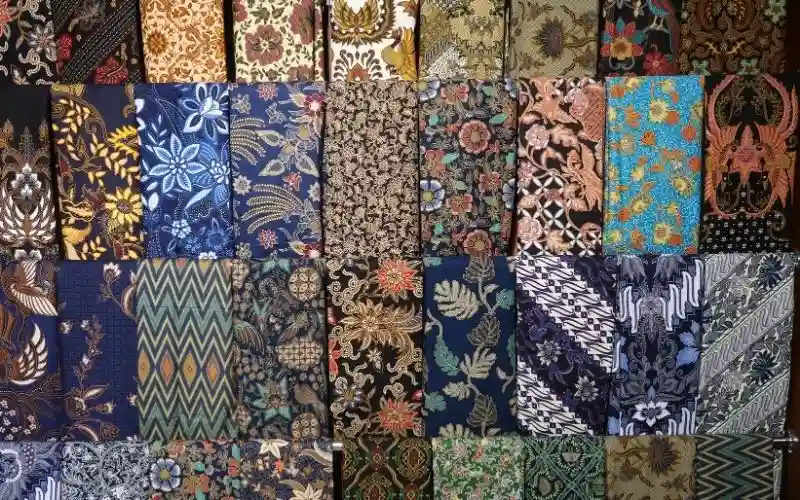
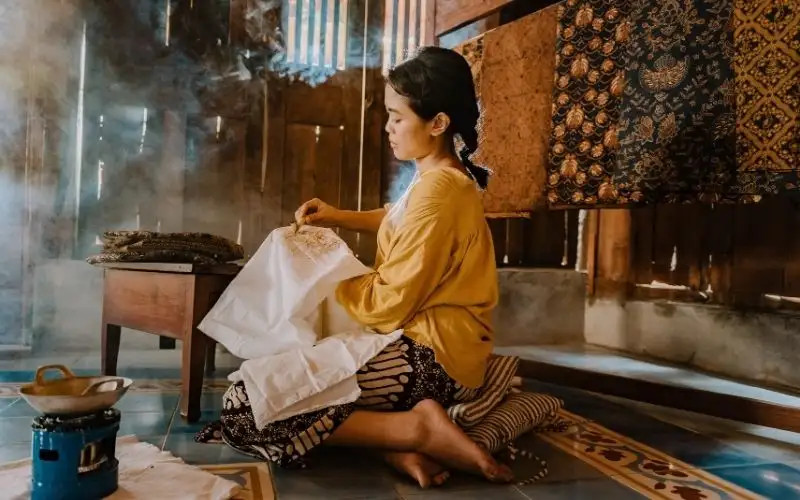
Indonesia’s textile traditions are among the most sophisticated in the world, with batik widely regarded as the national cloth of Indonesia. Recognized by UNESCO as an Intangible Cultural Heritage, batik is created using a wax-resist dyeing technique that can take weeks or even months to complete, especially for hand-drawn (batik tulis) pieces. Beyond batik, Indonesia is home to a remarkable variety of textiles such as ikat from Nusa Tenggara, songket woven with gold and silver threads, tapis from Lampung, and Bugis silk sarongs from Sulawesi. Each textile carries deep cultural meaning, often reflecting social status, regional identity, or life events. These fabrics are not only worn as clothing but also play an essential role in ceremonies such as weddings, births, and funerals.
Wayang (Puppets)
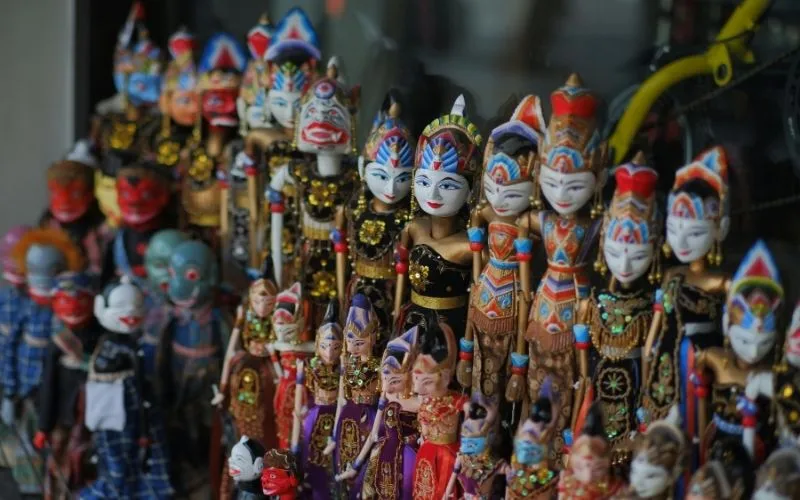
Wayang puppetry is one of Indonesia’s oldest and most respected storytelling traditions, combining art, performance, and spirituality. The two most well-known forms are wayang kulit, the intricate leather shadow puppets of Central Java, and wayang golek, the three-dimensional wooden puppets of West Java. These puppets are often hand-carved and painted in great detail, with each character having distinct facial features, colors, and costume elements that reflect their personality and role. Performances traditionally depict stories from the Ramayana and Mahabharata epics, though modern adaptations also exist. For collectors, wayang pieces are not only decorative but also represent centuries of philosophical and cultural storytelling.
Ceramics
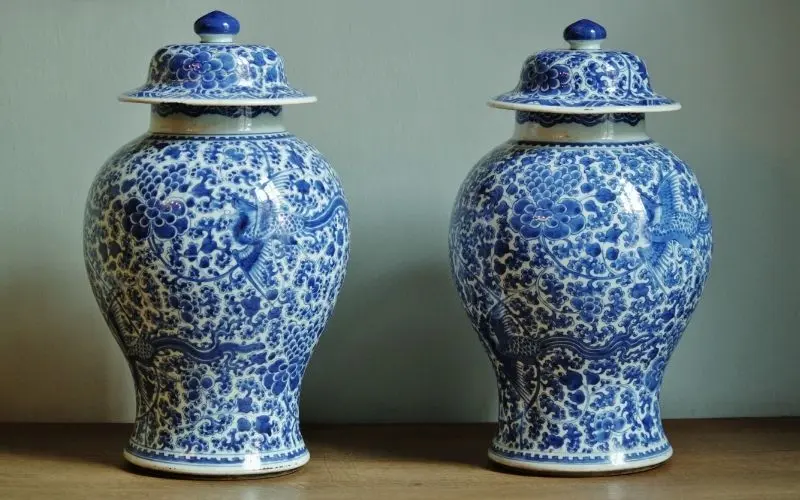

Ceramics in Indonesia reflect a long history of trade and cultural exchange, particularly with China, dating back over a thousand years. Antique ceramics—often discovered in port cities—are highly valued and can become treasured heirlooms, though modern reproductions are widely available. Contemporary ceramic production continues to thrive in areas such as Lombok and Kasongan near Yogyakarta, where artisans produce both functional household items and decorative pieces. These ceramics often feature earthy tones, traditional motifs, and organic shapes that reflect Indonesia’s natural environment. For expats, ceramics offer a practical yet artistic way to bring Indonesian craftsmanship into everyday life.
Natural Fiber Crafts
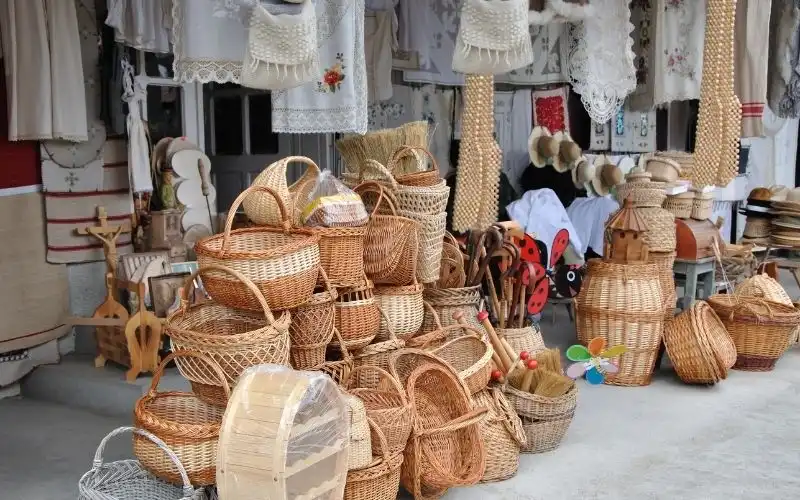
Indonesia’s abundance of natural materials has led to a rich tradition of crafting with fibers such as rattan, bamboo, pandanus leaves, and grasses. These materials are used to create a wide range of items including baskets, mats, furniture, storage containers, and decorative home accessories. Bamboo, in particular, is one of the most versatile materials and is used extensively in both rural and urban settings. What began as purely functional household items has evolved into refined design pieces that are now exported globally. Many of these crafts reflect sustainable practices and traditional knowledge passed down through generations.
Jewelry
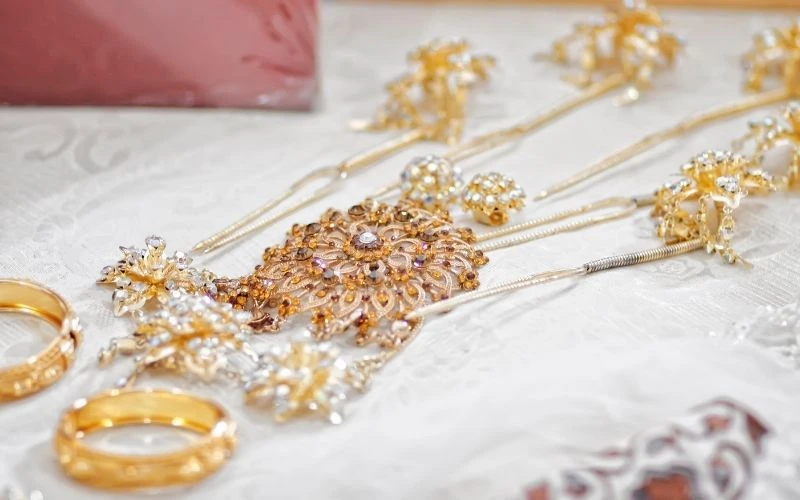
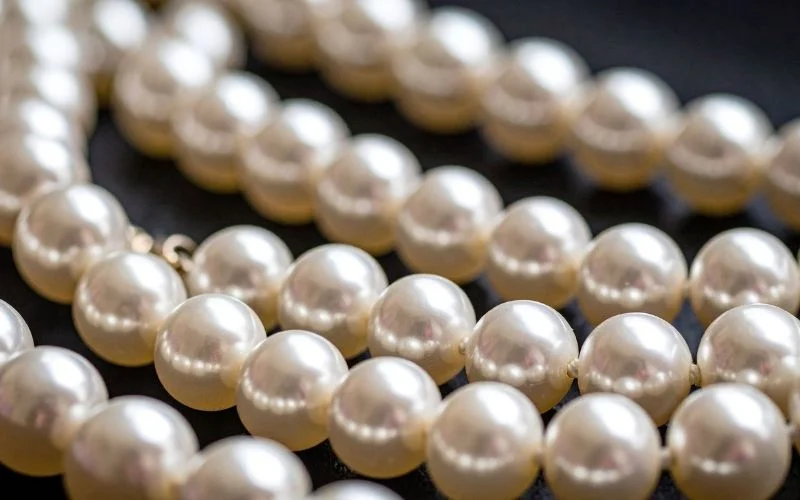
Jewelry in Indonesia ranges from traditional ceremonial pieces to contemporary designs that can be truly world class. Skilled artisans, particularly in places like Yogyakarta and Bali, produce intricate silver filigree work, gold jewelry, and gemstone settings that often draw inspiration from ethnic traditions and Indonesia’s natural flora—especially flowers and leaf forms that appear repeatedly in local decorative arts. Pearls from eastern Indonesia, especially South Sea pearls, are considered among the finest in the world. Many pieces incorporate symbolic motifs or are designed to complement traditional dress, making them meaningful as well as beautiful. For expats, jewelry is one of the most accessible ways to own a piece of Indonesian artistry—though it is wise to purchase from reputable sources due to the presence of imitation stones and varying gold quality.
Wood and Stone Carvings
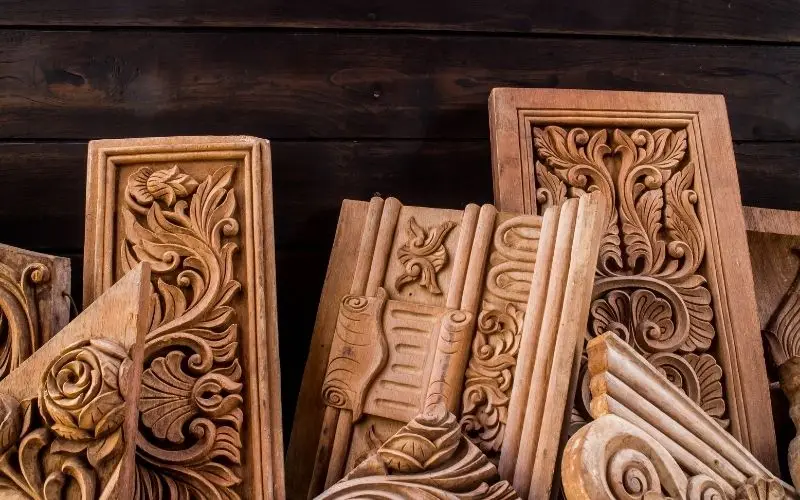
Indonesia is internationally recognized for its exceptional carving traditions, particularly in wood and stone. Regions such as Jepara in Central Java are known for highly detailed wood carvings, often featuring intricate three-dimensional designs that can take months to complete. Balinese carvings tend to be more expressive and dynamic, frequently depicting mythological figures, deities, and scenes from daily life. In Papua, tribal groups such as the Asmat produce bold, symbolic carvings that reflect ancestral traditions. Materials used include teak, ebony, sandalwood, and volcanic stone, each influencing the final appearance and value of the piece. These carvings are not only decorative but often carry deep spiritual and cultural significance.
Masks (Topeng)
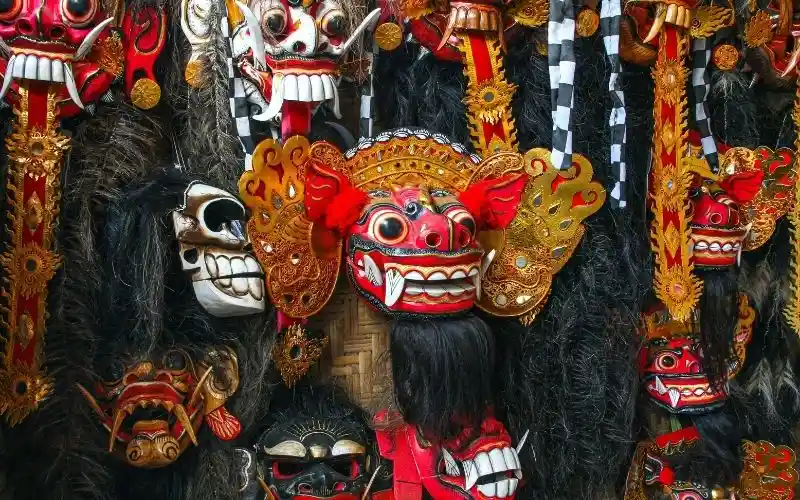
Masks, or topeng, are an important part of Indonesian performance and ritual traditions. They are most commonly associated with dance performances in Bali and Java, where performers use masks to portray characters ranging from kings and heroes to demons and spirits. The craftsmanship involved in creating these masks is highly specialized, with careful attention given to expression, color, and symbolism. Famous examples include the Barong and Rangda masks from Bali, representing the balance between good and evil. While many masks today are produced for decorative purposes, their origins are deeply rooted in spiritual and ceremonial practices.
Paintings
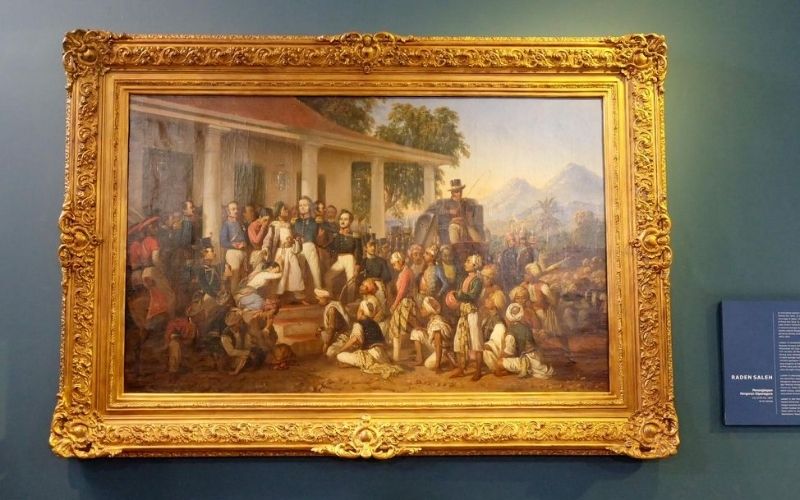
Painting as an art form in Indonesia developed more prominently in the 19th and 20th centuries, blending traditional themes with modern techniques. Balinese paintings are particularly well known for their detailed depictions of village life, religious ceremonies, and mythological scenes. Batik painting is another unique form, combining textile techniques with visual art. Indonesia has also produced internationally recognized artists such as Raden Saleh, whose works are highly valued in regional and international art markets. Today, contemporary Indonesian artists continue to gain recognition, offering a wide range of styles for collectors.
Musical Instruments
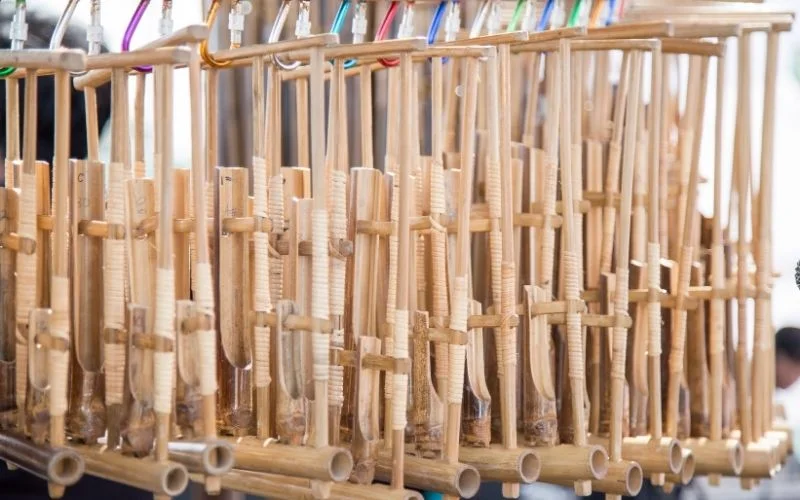
Indonesia’s diverse cultural landscape has given rise to a wide variety of traditional musical instruments. Among the most well-known are the angklung from West Java, made of bamboo and played in ensembles, and the gamelan, a complex orchestra of gongs and metallophones found in Java and Bali. These instruments are not only used in performances but are also collected as decorative pieces by expats who enjoy their sculptural quality. Many instruments are handcrafted using traditional techniques, and their design often reflects cultural symbolism and local aesthetics. Owning one of these instruments offers a unique connection to Indonesia’s musical heritage.
Weapons and Cultural Objects
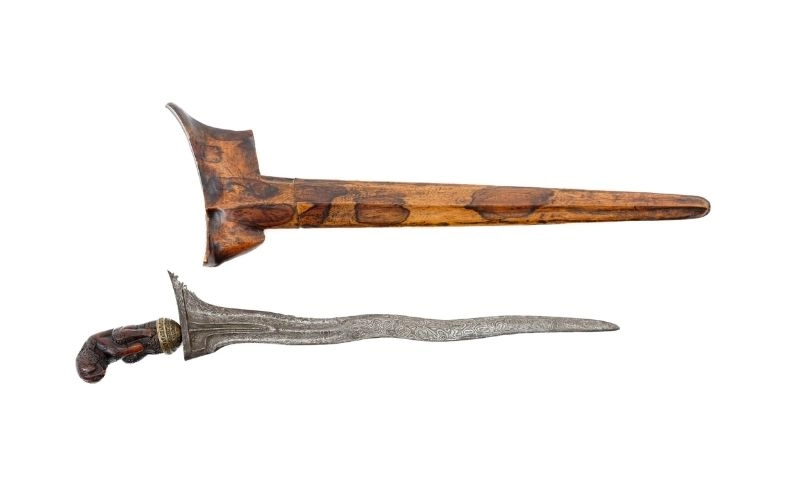
Traditional weapons in Indonesia are often as much ceremonial objects as they are functional tools. The keris, a distinctive wavy dagger, is perhaps the most iconic and is believed by many to carry spiritual significance as well as heritage value. Other items such as blowpipes from Kalimantan, spears and bows from Papua, and various regional swords reflect the diversity of Indonesia’s ethnic groups. These objects are often intricately decorated and may include carvings, inlays, or symbolic motifs that indicate origin and status. For collectors, they represent an intersection of craftsmanship, history, and cultural identity.
Buying Indonesian Arts Tips for Expats (2026)
Bargaining is common in markets, though less so in established stores. Ask about the origin and materials of items, especially for higher-value purchases, and keep receipts for anything you may ship. If you are just beginning, it can be helpful to shop with friends who have experience or to build a relationship with a trusted dealer.
Wooden items require special attention when exporting. Indonesia’s climate is humid, and when wood is moved to drier climates (Europe, North America, Australia, and parts of the Middle East), it may crack, warp, or split over time. This is especially true for larger pieces such as furniture, panels, and thick carvings. Well-seasoned wood tends to perform better, and many buyers prefer older or reclaimed wood because it has already had time to stabilize.
Expats should also be aware that certain wood and timber products may be regulated for export. Depending on the wood species and the type of product, documentation may be required to prove legal sourcing. If you are purchasing an expensive wooden piece, ask the seller (or your shipping agent) what documentation is normally provided for international shipping, and whether the wood type is restricted.
Antiques and cultural heritage items can also be sensitive. Items that are genuinely old, historically significant, or considered part of Indonesia’s cultural heritage may require permits and approvals before export—and some items may not be exportable at all. This is one reason it is wise to be cautious when purchasing “antiques,” even from well-known areas such as Jalan Surabaya.
Finally, be careful with religious and sacred objects. Items that appear to come from temples, older sacred sites, or formal places of worship may raise concerns at customs. In particular, buyers should be cautious with partial statues or pieces that look like architectural fragments. Many countries (including Indonesia and destination countries) treat religious artifacts and cultural heritage items with special care, and the safest approach is to avoid purchasing anything that appears to be a sacred artifact or removed from a protected site.
What You Can and Cannot Take Out of Indonesia
Many expats buy crafts intending to ship them home. Before you purchase, it helps to understand that export rules can depend on the material, the age, and whether an item is considered cultural heritage or protected wildlife.
Generally OK to take or ship (typical souvenirs): Most modern handicrafts such as newly made textiles, carvings, paintings, baskets, and home décor items are commonly shipped abroad, especially when they are clearly modern products and you have receipts.
Often requires extra care or documentation: Wooden products may require documentation depending on the wood type and destination-country rules. Items made from animal products (shell, bone, horn) can also be problematic if they involve protected species or if the destination country has strict controls.
High-risk items (avoid unless you are 100% certain): Items that may be antiques, archaeological pieces, temple fragments, or culturally significant artifacts can trigger export restrictions. Religious items can also be sensitive—especially pieces that appear to be removed from places of worship or sacred sites, including partial statues or “heads” that may be treated as cultural property.
Best practice: If you intend to ship a valuable item, use an experienced shipper and ask directly: “Is this item legal to export, and what documents are needed?” If the seller cannot clearly explain, it is safer to choose a different piece.
Environmental and Legal Considerations
Be cautious when purchasing products made from protected wildlife materials or endangered shells, corals, or other sensitive natural resources. Even if such items are visible for sale in some tourist areas, exporting them may be restricted, and destination countries may enforce their own rules. When in doubt, avoid wildlife products and focus on textiles, wood (with proper sourcing), ceramics, and modern crafts.
Why Expats Love Collecting Indonesian Arts
Many expats find that collecting Indonesian arts and crafts becomes a meaningful part of their experience. Items often carry beautiful memories of travel, friendships, and cultural learning, and they can also become conversation pieces that help you share Indonesia with family and friends back home. Whatever your tastes and pleasures, you will soon enjoy the exploration of Indonesian art forms and may find yourself collecting a few special pieces for yourself.
Mini Glossary for ndonesian Arts
Kerajinan: handicrafts
Kesenian: art
Kenang-kenangan / Cinderamata: souvenir
Oleh-oleh: something you bring back from your travels as a gift for family or friends