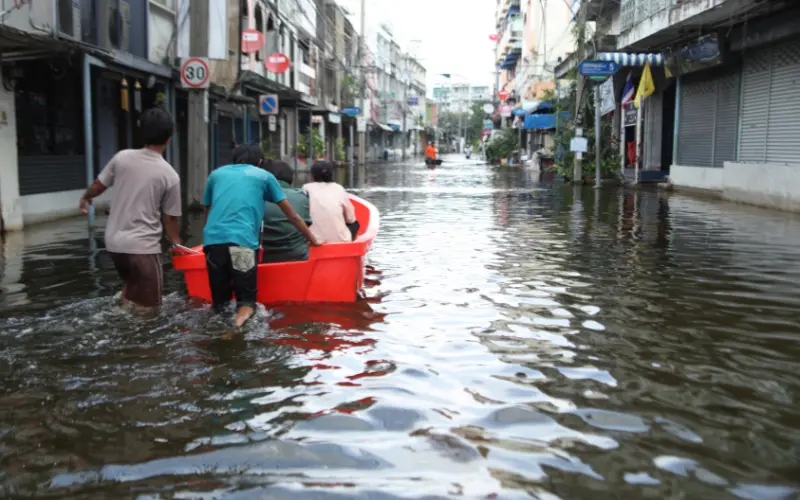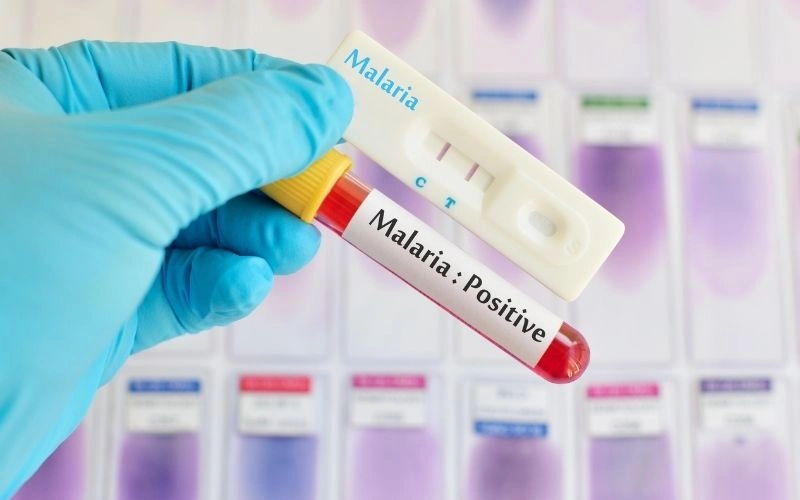



The health risks of living in and travelling through the tropics are often both underestimated and exaggerated. These risks vary considerably depending on your length of stay, occupation, lifestyle, budget, destination, and personal health. Fortunately, most expatriates are at relatively low risk from serious tropical diseases due to good overall health, access to quality accommodation, proper nutrition, and modern medical care.
One of the most important adjustments for safeguarding your health is understanding that Indonesia’s public health infrastructure, sanitation systems, and healthcare standards can differ significantly from those in many developed countries. Adapting your daily habits and taking sensible precautions can greatly reduce your risk of illness.
In many developed countries:
- Food and drinking water are inspected at multiple stages of production and distribution.
- Sewage treatment and waste disposal systems are generally well organized.
- Public health departments actively monitor and respond to outbreaks of disease.
- Environmental health standards are consistently enforced.
- There are often fewer types of disease-carrying insects and animals.
While Indonesia has made significant improvements in these areas, standards can vary widely between regions and between urban and rural locations.
Medical Services
The overall approach to medical care in Indonesia may differ from what you are accustomed to in your home country.
Before relocating to Indonesia, bring an adequate supply of any prescription medications that you take regularly. Check whether your medication is available locally or whether an acceptable alternative exists. It is also advisable to bring copies of prescriptions and a list of medications using their generic (chemical) names.
Shortly after arrival, identify the nearest reputable medical facility with English-speaking staff and familiarize yourself with its location, hours of operation, and emergency procedures. If possible, keep copies of important medical records available electronically or in hard copy.
Indonesia now has a growing number of international-standard hospitals and clinics, particularly in Jakarta, Bali, Surabaya, Bandung, and other major cities. However, standards can vary considerably between facilities, so it is wise to seek recommendations from your employer, insurance provider, or medical assistance company.
Many medications that require prescriptions in other countries may be available over the counter in Indonesia. However, medications may be sold under different brand names or manufactured by different companies. Always verify that you are purchasing from a reputable pharmacy (apotik) and inspect medications before leaving the store.
While many larger hospitals and clinics now accept credit cards and offer direct billing arrangements with international insurance providers, payment policies vary. It is advisable to carry a credit card and maintain access to emergency funds, particularly when travelling outside major urban areas.
The Importance of Medical Insurance
Comprehensive medical insurance is strongly recommended for all expatriates living in Indonesia.
While healthcare costs in Indonesia are often lower than in many Western countries, serious illnesses, surgeries, intensive care treatment, or emergency medical evacuations can become very expensive. Ensure that your policy provides adequate inpatient and outpatient coverage, emergency evacuation benefits, and coverage both within Indonesia and during regional travel.
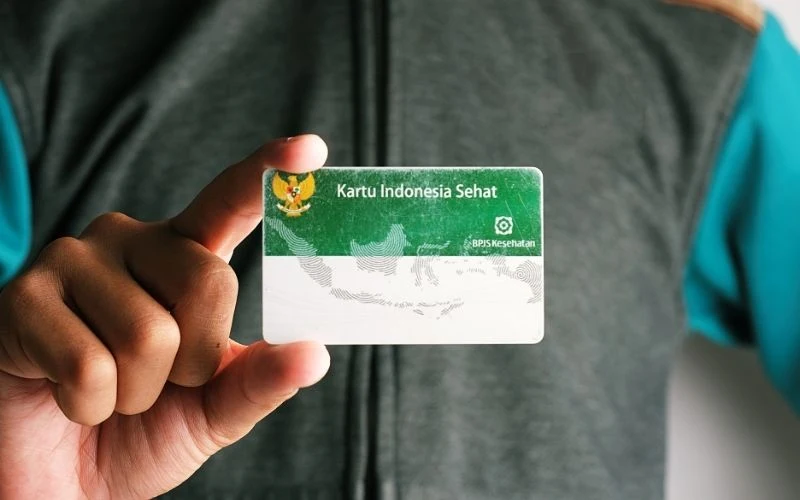
Keep your insurance card and emergency contact numbers with you at all times.
Emergencies
1. Preparation
Develop a personal emergency response plan and ensure your family members understand it. Consider preparing a simple version in Bahasa Indonesia if you employ domestic staff or drivers.

Your plan should answer the question:
“What would I want people to do if they found me unconscious or unable to communicate?”
Include:
- Emergency contact information
- Insurance provider details
- Existing medical conditions
- Allergies
- Current medications
- Preferred hospital
2. Contact Your Assistance Company Early
Do not wait until an emergency occurs to contact your insurance or medical assistance provider.
Test emergency numbers after arrival and confirm that assistance is available in your preferred language. Ensure your provider can coordinate treatment, guarantee payment where required, and arrange evacuation if necessary.
3. Speed Up the Response
When contacting emergency services or your insurance provider, be prepared to provide:
- Your name and contact number
- Membership or policy number
- A brief description of the medical problem
- Your exact location
- The patient’s location
- The location of passports and travel documents if evacuation may be necessary
Passports and Travel Documents
In certain circumstances, it may be necessary to leave Indonesia for specialized medical treatment.
Ensure that passports and other travel documents are always valid, easily accessible, and known to responsible family members. Medical evacuation can be delayed significantly if travel documents cannot be located quickly.
Always know:
- The status of all family passports
- Their expiration dates
- Their physical location
Avoid situations where passports are inaccessible for extended periods without a clear plan for emergency retrieval.
A Healthy and Safe Stay
Millions of expatriates, visitors, and Indonesians live healthy and productive lives throughout Indonesia. Most health risks can be minimized through sensible precautions, proper hygiene, adequate insurance coverage, routine medical care, and awareness of your surroundings.
By planning ahead and making informed choices, you can significantly reduce health risks and enjoy a safe and rewarding experience living in Indonesia.
We trust this information will assist you in making informed decisions regarding your health and welfare. However, it is not intended to replace personalized advice from your physician or healthcare provider.
Our appreciation to International SOS, an AEA Company, for contributing the original version of this article.