Dengue fever is one of the most common mosquito-borne illnesses in Indonesia, particularly during the rainy season when mosquito populations increase. While many expats are aware of dengue, few fully understand how quickly it can escalate or how physically and emotionally draining it can be.
This article shares a real-life experience from an expat who contracted dengue fever while living in Indonesia. His story provides a firsthand account of the symptoms, uncertainty, and recovery process. To support this experience, additional medical context and practical guidance have been included to help expats better recognize, respond to, and reduce the risk of dengue.
What is Dengue Fever?
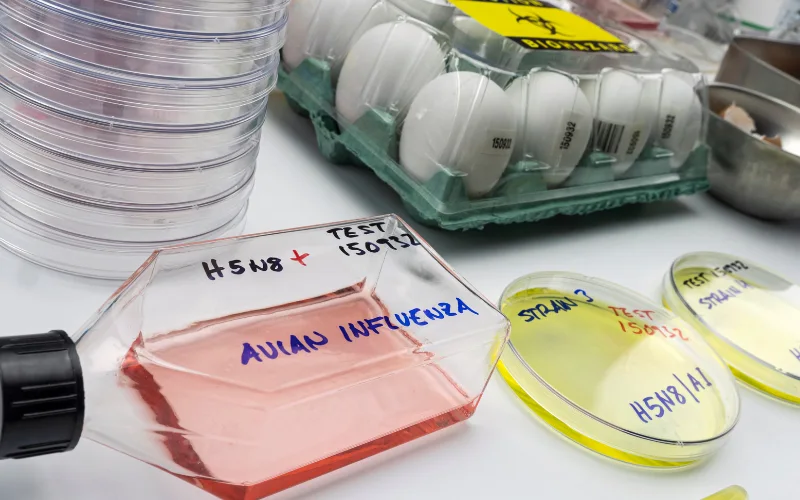
Dengue fever is a viral infection transmitted by the Aedes mosquito, which typically bites during daylight hours and is recognizable by its black body with distinctive white stripes on its legs and back. Not all of these mosquitoes carry dengue—the mosquito must first bite an infected person to acquire the virus before it can transmit it to others—yet the disease remains widespread across Indonesia and affects both locals and expatriates.
Common symptoms include:
- Sudden high fever
- Severe headaches
- Pain behind the eyes
- Joint and muscle pain (often referred to as “breakbone fever”)
- Skin rash
- Nausea and vomiting
In some cases, dengue can develop into Dengue Hemorrhagic Fever (DHF), a more serious condition that requires urgent medical attention.
For a more detailed medical overview, refer to: https://www.expat.or.id/medical/denguefeverindonesia.html
A Personal Dengue Fever Experience
(The following is the original editorial. The wording has been preserved to maintain authenticity and firsthand perspective.)
My Dengue Fever Experience
On Thursday night I had a bad case of the chills. This could mean only two things, flu or my past as an exotic dancer had surfaced. After one day of my unsuccessful attempts at machismo, Emily dragged me to the doctor.
Also, the fact that I can’t sleep is keeping her awake.
Coincidentally our two drivers are sick as well. Emily’s sister Suzy loaned us her driver and we made our way to the doctor. This trip was complicated by the presence of election campaigners, actually convoys of campaigners on motorcycles, in cars, and over-flowing from trucks.
This has been, thankfully, a relatively quiet time (Knock, Knock: that’s the sound of wood graced by hopeful knuckles).
Meanwhile, back at the Doctor’s office, it seems our fears are partially justified. One driver has Dengue fever – Demam Berdarah, in the local lingo. It translates as blood fever. The other driver and I seem to have the flu. The highpoint of the day was an injection requiring me to be slightly immodest.
The driver is in pretty bad shape. He’s vomiting, dizzy and needs help to walk. Dengue fever is a potentially hemorrhagic virus spread by a certain breed of mosquitoes. Indonesia has plenty of the little vampires.
If you live in Indonesia, do not believe anyone who tells you there is no Dengue Fever outside of Lombok.
We went home. The doctor had been confused by my lack of nasal or chest congestion. She still prescribed antibiotics and analgesics to control flu symptoms. Still can’t sleep after three days.
Good, now I’m two Steven King plotlines. Remember boys and girls; antibiotics do not kill the flu virus (or any other virus), antibiotics can only manage symptoms.
After two and a half days without sleep, the drivers thankfully have slept a little. As for me, there’s always tomorrow. Emily and her three charges braved the convoys and returned to the clinic, and a different doctor.
A quick exam: The doctor advises that we all get tested. Emily and the rest of the household are showing no symptoms (knock, knock lagi = again). The other driver came up positive. Me, I’m teetering on the brink. This time the doctor prescribes a heavier dose of antibiotics. He says that westerners are used to higher doses, and that are generally heavier body mass requires larger doses.
Then the blood work came back.
You’ve got Dengue!
I do indeed have Dengue fever … can you say freaked out? I knew that you could.
The doctor also prescribes an electrolyte drink which is one of my least pleasant memories of South Korea. He tells us to drink Pocari Sweat.
It seems Pocari is chock full of minerals, electrolytes, and vitamins. Who knew? I used to drink it because it was a great cure for hangovers. Thankfully, Pocari is also sold in Indonesia.
It does beg the questions; what is a Pocari, and exactly why do I want to drink its sweat?
The medicine finally kicks in. I sleep and I sweat. It takes nine days but finally I am moving again. Some days I perspired through as many as nine t-shirts.
I was able to shower and wash my hair today. I believe the neighbors were about to fumigate me. I did take antibiotics to deal with the infection, and analgesics for the pain but the biggest help has been the herbal teas and mineral drinks – specifically Pocari sweat. Gatorade may also be helpful in restoring your electrolyte levels and generally re-hydrating your body.
On Monday we return for more tests. On the plus side, the drivers have been able to eat and not vomit instantly. I have actually begun to sleep. Four hours today.

Tomorrow, watch out Rip Van Winkle.
I’m actually feeling better today.
I’ll be taking a few days off and then I’ll be taking the family to Bali for a week. If I’m going to be resting, I want to do it in style.
Dengue Fever
Acute infectious disease caused by a virus and transmitted by the Aedes mosquito. It occurs in warm climates. Symptoms include headache, fever, and intense joint pain, followed by a generalized rash. The joint pain is the reason why this delightful experience is sometimes called bone-break fever.
There is no specific treatment (see above), but the disease can be controlled by eradicating the mosquitoes and their breeding grounds.
If you live in Indonesia, have your home sprayed. If you’re visiting Indonesia, hati-hati (be careful) Common sense precautions can protect you from this day-biting mosquito.
End notes … As I found out the hard way through this experience, you can become infected again. This time it did become hemorrhagic, but thankfully was caught in time before any lasting damage was done. Learn more about Dengue Fever.
Thank you to everyone at St. Vincentius a Paulo (RKZ Surabaya)!St. Vincentius a Paulo (RKZ Surabaya)Jl. Diponegoro No. 51Surabaya, East Java 60008 (031) 567-7562
Our thanks to Wayne Duplessis for his series of short narratives on his years living in Indonesia – working as a teacher, raising a family, traveling and generally enjoying life – from 1996 to the present.
Key Takeaways for Expats
Dengue fever can develop quickly and is often more severe than people expect. Based on this experience and medical best practices, here are some important takeaways:
Do not ignore early symptoms. What initially feels like a strong flu could be dengue, and early testing is critical.
Dengue is diagnosed through a blood test that looks for the virus itself (NS1 antigen), viral genetic material (PCR), or antibodies (IgM/IgG) that the body produces in response to infection. In the early days, results can be negative because the virus or antibodies may not yet be detectable, which is why doctors often repeat the test after a few days while also monitoring platelet levels and white blood cell counts. A drop in platelets and changes in blood markers help confirm dengue and guide treatment.
There is no specific antiviral medication for dengue, so treatment focuses on supportive care—rest, hydration, and careful monitoring of symptoms, especially platelet levels. In most cases, the virus must run its course and the body fights it naturally, but severe cases may require hospitalization with IV fluids and close medical supervision to prevent complications.Allow time for recovery. Even after the fever subsides, fatigue and weakness can last for days or even weeks.
Know your medical options in advance. Identify a reliable hospital or clinic near your home so you are prepared if symptoms develop.
When Should You Go to the Hospital?
Immediate medical attention is recommended if you experience any of the following:
- A persistent high fever lasting more than two to three days
- Severe abdominal pain
- Continuous vomiting
- Bleeding from the gums, nose, or under the skin
- Extreme fatigue, restlessness, or sudden weakness
Dengue can become more dangerous after the fever begins to subside, so proper monitoring during this phase is essential.
How Expats Can Reduce the Risk of Dengue
Although dengue cannot always be avoided, there are several practical steps you can take to reduce your risk:
Use mosquito repellent daily, even when indoors.Install window screens or use mosquito nets where possible.Avoid areas with stagnant water around your home.Wear long sleeves and protective clothing in mosquito-prone environments.Use electric mosquito repellents, sprays, or coils inside your home.
Consistency is key, especially during the rainy season when mosquito activity increases.
Frequently Asked Questions About Dengue Fever
Can you get dengue more than once?
Yes. There are four different strains of dengue, and having one does not provide immunity against the others.
How long does recovery take?
The acute phase typically lasts about one week, but full recovery can take several weeks due to lingering fatigue.
Is dengue dangerous?
Most cases can be managed with proper care, but severe dengue can be life-threatening if not treated promptly.
Is dengue common in Indonesia?
Yes. Dengue is considered endemic in Indonesia and is especially prevalent during the rainy season.
Final Thought
Dengue fever is something many expats hear about, but personal experiences like this highlight the reality of how serious it can be. It is not simply a mild illness—it can escalate quickly and requires careful attention.
The Indonesian healthcare system is well-equipped to handle dengue cases, but awareness, early action, and preparation are essential. Understanding the risks and recognizing symptoms early can make a significant difference in both recovery and peace of mind.