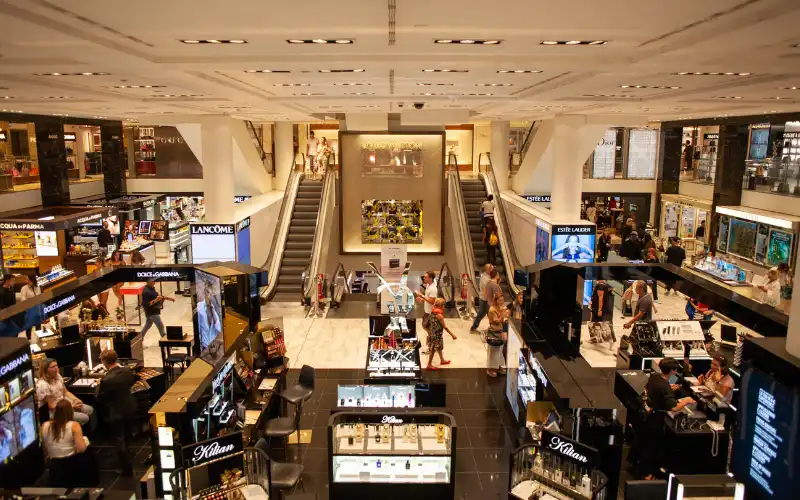
One of the pleasant surprises for many newcomers to Indonesia is the variety of shopping opportunities available in Jakarta. From traditional markets and neighborhood specialty shops to luxury malls and sophisticated online shopping platforms, Jakarta offers a shopping experience that caters to every budget and lifestyle.
Many expatriates arrive expecting limited shopping options and are surprised to discover that Jakarta is one of Southeast Asia’s leading retail destinations. Whether you are searching for imported groceries, international fashion brands, household goods, electronics, Indonesian handicrafts, furniture, sporting equipment, or custom-made clothing, chances are you can find it somewhere in the city.
Shopping in Jakarta can also be an excellent way to learn more about Indonesian culture. While many expatriates naturally gravitate towards the comfort of modern shopping malls with fixed prices and familiar brands, traditional markets remain fascinating places to explore and often provide access to products, services, and experiences that cannot be found elsewhere.
The city’s retail landscape continues to evolve rapidly. Modern malls are constantly expanding, online shopping has become a normal part of daily life, and digital payment systems have transformed how Indonesians make purchases. Understanding the different shopping options available can help newcomers save time, money, and frustration while settling into life in Indonesia.
Malls and Shopping Centers
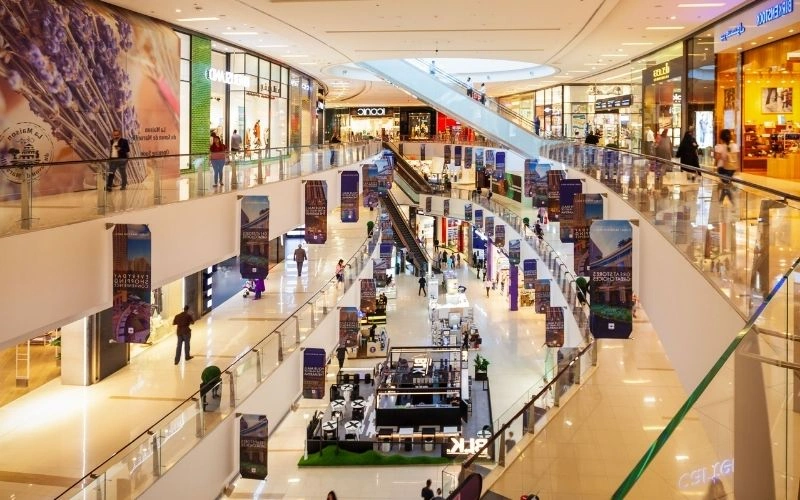
For many expatriates, shopping malls become a regular part of daily life in Jakarta. More than simply places to shop, malls function as social hubs where people meet friends, dine out, watch movies, exercise, attend events, and spend time with family.
Jakarta is home to some of the largest and most sophisticated shopping centers in Southeast Asia. Popular destinations include Plaza Indonesia, Plaza Senayan, Senayan City, Grand Indonesia, Pondok Indah Mall, Pacific Place, Gandaria City, Kota Kasablanka, Central Park, and ASHTA District 8.
These malls offer a combination of:
- International luxury brands
- Indonesian designer boutiques
- Department stores
- Restaurants and cafés
- Cinemas
- Fitness centers
- Children’s entertainment facilities
- Supermarkets
- Specialty stores
Even if shopping is not your primary interest, Jakarta’s malls are often worth visiting simply for the dining options and entertainment facilities.
Grand Indonesia and Plaza Indonesia remain particularly popular with expatriates due to their central location and extensive range of international retailers. Pondok Indah Mall continues to be a favorite for families living in South Jakarta, while ASHTA District 8 has become increasingly popular among professionals living and working in the SCBD area.
Many malls host seasonal events, cultural performances, holiday decorations, food festivals, and exhibitions throughout the year, making them attractive destinations even for casual visitors.
Read this article for more information on Shopping Centers and Malls in Jakarta.
Arts and Handicrafts
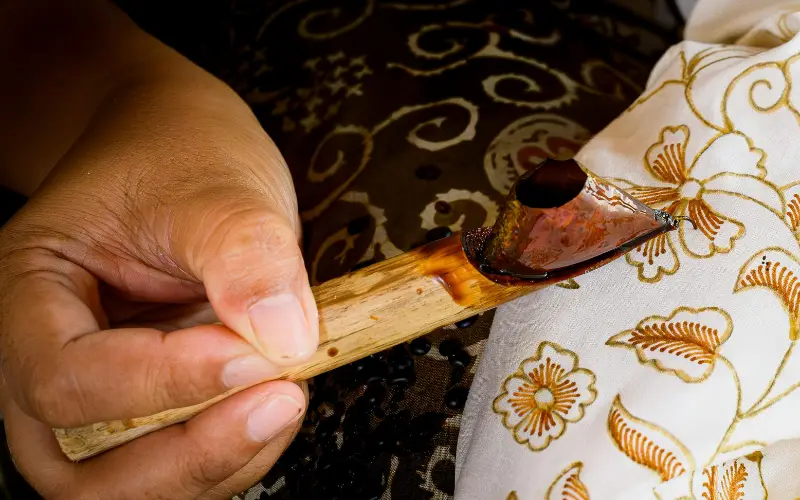
Tourists and expatriates alike enjoy exploring Jakarta’s many opportunities to purchase traditional Indonesian handicrafts, textiles, batik, jewelry, home décor, and specialty food products.
One of the most popular destinations is Alun Alun at Grand Indonesia. Located on the fourth floor above 3A and 3B in the East Mall, Alun Alun showcases a carefully curated collection of products from across the Indonesian archipelago. Visitors can browse batik clothing, woven textiles, jewelry, home accessories, traditional handicrafts, beauty products, gifts, and specialty foods from many regions of Indonesia.
Another excellent destination is the newly renovated Sarinah department store on Jalan M.H. Thamrin. Originally established as Indonesia’s first modern department store, Sarinah has been transformed into a showcase for Indonesian products, featuring batik, fashion, handicrafts, home décor, specialty foods, coffee, locally produced beauty products, and products from small and medium-sized enterprises throughout Indonesia.
These stores make it easy for newcomers to discover the diversity of Indonesian craftsmanship under one roof and are excellent places to shop for gifts, souvenirs, and authentic Indonesian products.
Many visitors also purchase handicrafts and souvenirs at Jakarta’s airports before departure. While airport shops can be convenient for last-minute purchases, the selection is generally more limited and prices are often significantly higher than those found in city stores and specialty handicraft outlets.
Read more about Indonesian Arts and Crafts.
What is a Nota?
One aspect of shopping that occasionally surprises newcomers is the use of a “nota” system in some department stores and markets.
In these situations, you select an item and the salesperson writes a small receipt or nota. You then take that receipt to a centralized cashier to make payment before returning to collect the item.
This system developed because many stores contain independently operated concessions that share the same retail space. Although it can initially seem confusing, it is a normal and accepted practice throughout Indonesia.
Concentrations of Specialty Shops
One interesting feature of shopping in Jakarta is that businesses selling similar products often cluster together in specific areas.
For example:
- Kemang Timur has long been known for furniture and home décor.
- Blok A in Kebayoran Baru is popular for hardware, paint, plumbing supplies, lighting, and household goods.
- Various areas around South Jakarta specialize in plant nurseries and landscaping products.
- Glodok remains one of Jakarta’s best-known destinations for electronics and electrical supplies.
When searching for a specific product, asking local residents or online community groups about these specialty districts can save considerable time.
Traditional Markets (Pasar)
While malls may offer convenience and comfort, traditional markets remain at the heart of Indonesian shopping culture.
Traditional markets are where many Indonesians continue to buy fresh produce, meat, fish, spices, flowers, clothing, household goods, and countless other daily necessities.
Visiting a traditional market can be an enjoyable cultural experience. The sights, sounds, and activity provide insight into everyday life that cannot be experienced in a shopping mall.
Bargaining is common in many markets, particularly when purchasing clothing, handicrafts, or household items. Bargaining should always be conducted politely and with good humor. While some vendors may initially quote higher prices to foreigners, respectful negotiation is usually welcomed.
Pasar Mayestik
One of the most popular traditional markets for expatriates is Pasar Mayestik in Kebayoran Baru.
The market is particularly well known for:
- Fabrics
- Curtains
- Bedding
- Tailoring services
- Alterations
- Embroidery
- Home furnishings
Many expatriates use the skilled tailors at Pasar Mayestik to create custom-made clothing, curtains, cushion covers, and household textiles at prices often far below those found in Western countries.
Pasar Baru
Located in Central Jakarta, Pasar Baru is one of the city’s oldest shopping districts.
The area is especially known for:
- Textiles
- Sporting goods
- Musical instruments
- Shoes
- Carpets
- Indian spices and food products
The district remains a favorite among long-term Jakarta residents who know where to find quality products at reasonable prices.
Mangga Dua
Mangga Dua in North Jakarta remains one of Indonesia’s largest wholesale and retail shopping districts. While it has evolved over the years and some businesses have moved online, it continues to be a popular destination for shoppers looking for competitive prices on electronics, clothing, luggage, household goods, toys, computer accessories, and countless other products.
Several shopping complexes make up the Mangga Dua area, including ITC Mangga Dua, Mangga Dua Mall, and nearby wholesale centers. Some stores focus on wholesale buyers, while many are happy to sell individual items.
If you enjoy bargain hunting and don’t mind crowds, Mangga Dua can still be a worthwhile experience. However, visitors should be prepared for heavy traffic, large crowds during weekends, and a shopping environment that is far less polished than Jakarta’s modern malls.
Tanah Abang
Tanah Abang is the largest textile and clothing wholesale market in Southeast Asia and supplies retailers throughout Indonesia.
The market is particularly well known for:
- Fabrics
- Muslim fashion
- Ready-made clothing
- Textiles
- Uniforms
- Wholesale garments
Many retailers purchase their stock from Tanah Abang, which means prices can be significantly lower than in shopping malls.
As with any crowded wholesale market, visitors should remain aware of their surroundings and take reasonable precautions with personal belongings.
Pasar Barito
Located in Kebayoran Baru, Pasar Barito is best known for plants, flowers, gardening supplies, tropical fish, aquariums, and pet-related products.

Many expatriates visit the area when landscaping a new home or looking to add plants to their garden or apartment balcony. The area also provides a glimpse into one of Jakarta’s more specialized traditional markets.
Jalan Surabaya Antique Market
Jalan Surabaya is perhaps Jakarta’s most famous antique market.
Visitors will find:
- Traditional carvings
- Batik items
- Old coins
- Ceramics
- Wayang puppets
- Colonial-era memorabilia
- Decorative antiques
As with antique markets anywhere in the world, buyers should understand that not everything on display is necessarily antique. Bargaining is expected, and knowledgeable collectors often enjoy searching for unique treasures among the stalls.
Gemstone Market
Another long-time favorite among expatriates is the gemstone market in Rawabening, Jatinegara.
This market specializes in:
- Precious stones
- Semi-precious stones
- Jewelry
- Gemstone accessories
While the market can be an interesting cultural experience, buyers should understand that authenticity and quality can vary. Those considering major purchases should seek expert advice before buying expensive stones.
Shopping Online in Indonesia
Perhaps the biggest change in Jakarta’s shopping landscape over the past decade has been the explosive growth of online shopping.
Today, many residents purchase everything from groceries and electronics to furniture and household goods without ever leaving home.
Major online shopping platforms include:
- Tokopedia
- Shopee
- Lazada
- Blibli
- Bukalapak
For many expatriates, online shopping becomes an invaluable tool for sourcing products that may be difficult to find locally. Imported foods, specialty kitchen equipment, books, electronics, replacement parts, sporting goods, and pet supplies are often easier to locate online than by visiting multiple stores around the city.
Many online platforms now offer same-day or next-day delivery within Jakarta, making online shopping both convenient and reliable.
Digital Payments and Cashless Shopping
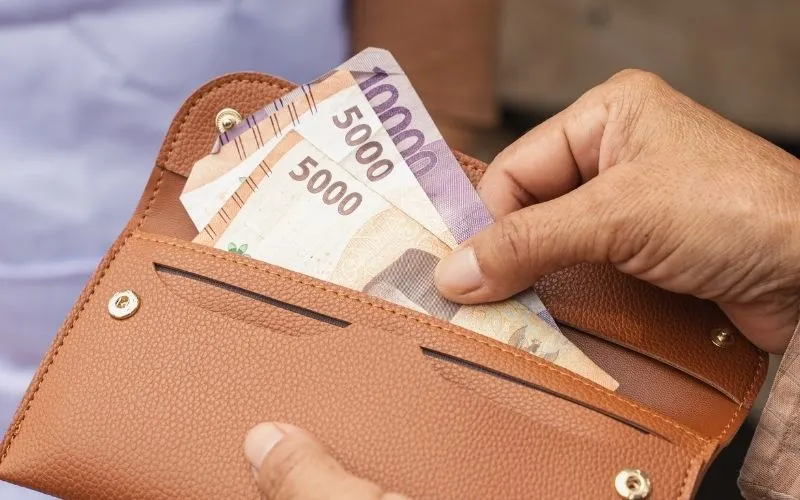
Indonesia has rapidly embraced cashless payments.
While cash remains widely accepted, many purchases today are made through:
- QRIS (Indonesia’s national QR code payment system)
- Debit cards
- Credit cards
- Digital wallets
Popular digital wallets include:
- GoPay
- OVO
- DANA
- ShopeePay
Many expatriates are surprised to find that even small vendors, food stalls, and market sellers now frequently accept QRIS payments.
Opening a local Indonesian bank account can significantly simplify daily transactions and online purchases for long-term residents.
Imported and Specialty Foods
One concern many newly arrived expatriates have is whether they will be able to find familiar food products from home.
Fortunately, Jakarta offers one of the best selections of imported groceries in Southeast Asia.
Popular destinations include:
- Ranch Market
- Farmers Market
- Kem Chicks
- Foodhall
- Grand Lucky
These stores carry a wide range of imported products, including:
- Dairy products
- Breakfast cereals
- International sauces and condiments
- Specialty meats
- Cheese
- Organic products
- Gluten-free foods
- Health foods
- International snacks
However, shoppers should be aware that imported products often carry a significant price premium. Import duties, taxes, transportation costs, and limited distribution can make imported goods substantially more expensive than similar products in their country of origin.
Many expatriates eventually discover that combining locally produced products with selected imported items provides the best balance between quality, convenience, and cost.
One of Indonesia’s greatest advantages is its abundance of fresh tropical fruits, seafood, vegetables, spices, and locally produced foods. Embracing local products can dramatically reduce grocery expenses while introducing newcomers to new culinary experiences.
Shopping Sustainably and Supporting Local Businesses
Many expatriates enjoy supporting local artisans and small businesses during their stay in Indonesia.
Handmade products such as:
- Batik
- Woven textiles
- Wood carvings
- Ceramics
- Jewelry
- Home décor
can often be purchased directly from local producers, markets, bazaars, and specialty stores.
Choosing locally made products not only provides unique gifts and souvenirs but also supports Indonesian craftsmen and small businesses throughout the archipelago.
Online Shopping Tips
Online shopping in Indonesia is generally safe, but a few precautions are recommended:
- Check seller ratings and reviews.
- Purchase from official stores whenever possible.
- Be cautious of unusually low prices.
- Verify product specifications carefully.
- Read return and warranty policies.
- Keep records of purchases and delivery confirmations.
For valuable purchases, many shoppers record a video while opening the package. This provides evidence if the item arrives damaged or incomplete and can simplify refund claims.
Many platforms now use escrow payment systems, meaning the seller is not paid until the buyer confirms receipt of the goods.
Safety While Shopping
Jakarta is generally a safe city for shoppers, but common-sense precautions should always be followed.
When shopping:
- Keep handbags zipped and secure.
- Avoid displaying large amounts of cash.
- Keep mobile phones secure in crowded areas.
- Be cautious when using ATMs.
- Verify QR codes before making payments.
- Avoid clicking suspicious payment links received through messaging apps.
In traditional markets, carrying a cross-body bag and keeping valuables in front of you is often the safest approach.
Bazaars and Community Markets
Another enjoyable shopping opportunity can be found at bazaars organized by international schools, embassies, community organizations, and expatriate associations.
These events often feature:
- Indonesian handicrafts
- Artisan foods
- Clothing
- Jewelry
- Home décor
- Charity fundraising products
Many bazaars occur before Christmas and other major holidays, providing excellent opportunities to purchase gifts while supporting local businesses and charitable organizations.
Today, information about upcoming bazaars is usually shared through WhatsApp groups, Facebook pages, Instagram accounts, school newsletters, and community organizations.
Final Thoughts
Whether your preference is luxury shopping, bargain hunting, online convenience, traditional markets, or discovering local handicrafts, Jakarta offers one of the most diverse shopping experiences in Southeast Asia.
Newcomers often begin their shopping journey in modern malls, but many eventually discover that some of Jakarta’s most rewarding experiences can be found in traditional markets, specialty shopping districts, artisan stores, and local bazaars.
Take the time to explore the many different shopping environments the city has to offer. Not only will you find great products, but you will also gain a deeper understanding of Indonesian culture, creativity, and daily life.