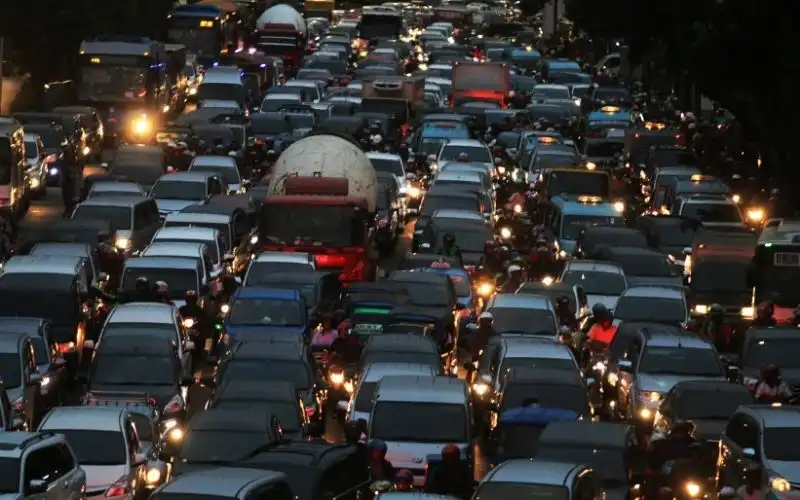


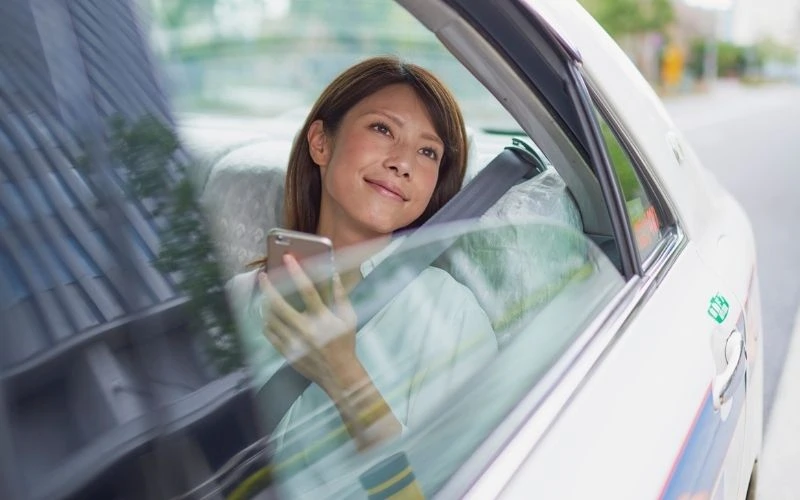
Taking a taxi in Indonesia remains one of the most practical and convenient ways for expatriates to get around, especially in major cities like Jakarta, Surabaya, and Bali. It removes the need to manage parking, maintenance, insurance, or dealing with traffic directly—making it a popular choice for newcomers.
While many expats today also use ride-hailing apps, traditional taxis continue to play an important role in daily life and are widely available.
Where to Find Taxis in Indonesia
Taxis in Indonesia are easy to access and can be found in several ways. You can still flag them down on major roads, although availability may decrease during peak hours, heavy rain, or late evenings.
Most commonly, taxis are found at designated pangkalan (taxi queues) located at malls, office buildings, hotels, and airports. In residential areas, it is still common practice to ask household staff or a satpam (security guard) to help call or flag a taxi.
Today, however, the most reliable and preferred method is through mobile apps. Booking via an app allows you to:
- See the estimated fare in advance
- Track your driver’s route
- Avoid misunderstandings about destination
- Pay digitally
Many apps also allow you to schedule a taxi in advance (often up to 24 hours). This is particularly useful when you need a reliable, on-time pickup for early morning flights, airport transfers, or important meetings.
Taxi bookings can still be made by phone, but this is becoming less common compared to app-based services.
Taxi Companies and Options
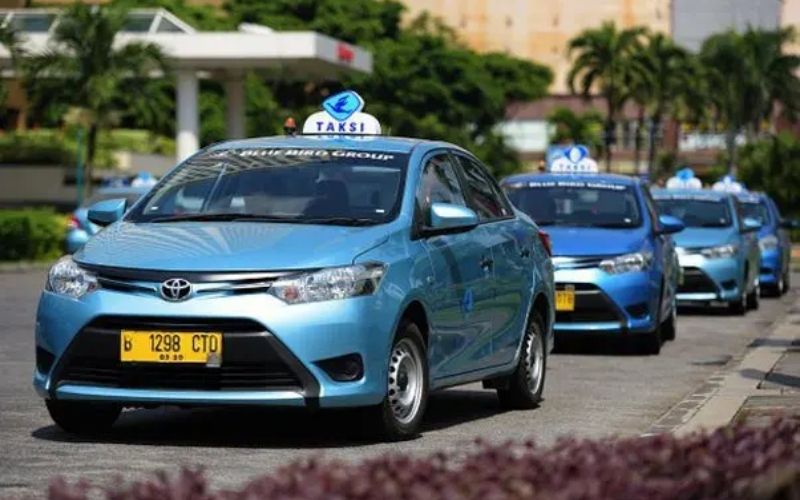
The Indonesian taxi industry has evolved significantly, especially after the rise of ride-hailing platforms.
Bluebird Group (Most Recommended)
Bluebird remains the most trusted and widely recommended taxi provider for expats due to:
- Reliable meters
- Professional drivers
- Strong safety standards
- Easy app booking
Their fleet includes:
- Bluebird (Blue cars): Standard taxis, most commonly used
- Silverbird (Black cars): Executive service, typically Toyota Alphard or similar, higher comfort and price
Silverbird taxis are commonly found at five-star hotels, malls, and can also be booked via app. They are often used for airport transfers or business travel.
Ride-Hailing Apps vs Traditional Taxis in Indonesia
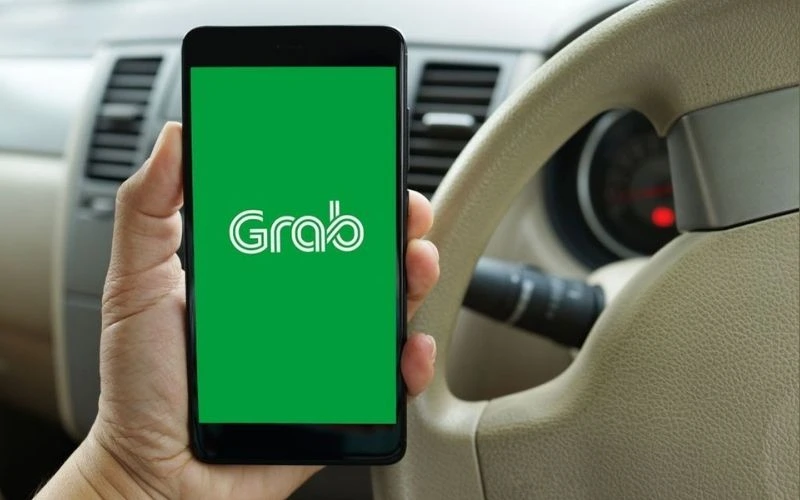
In 2026, many expats rely on apps such as:
- Grab
- Gojek
- Bluebird App
These platforms allow you to book either private cars or taxis. In many cases, ride-hailing cars are cheaper, but taxis (especially Bluebird) are still preferred for:
- Reliability
- Transparent pricing
- Professional drivers
Common Challenges When Use Taxi In Indonesia
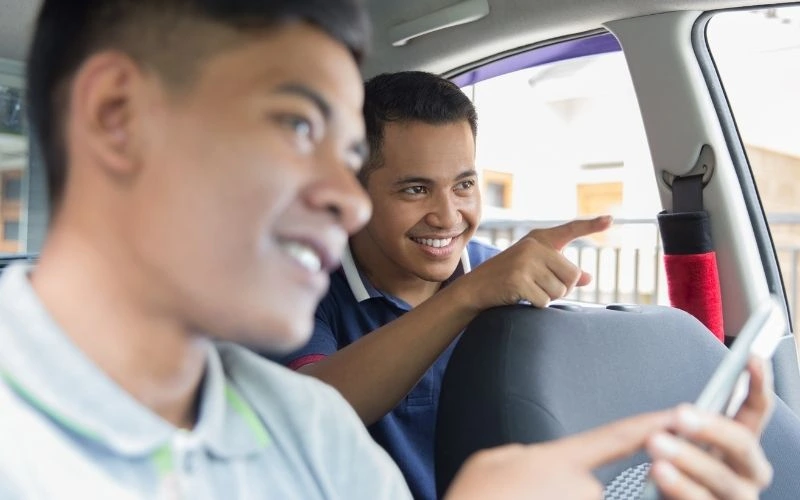
Language Barriers
Many drivers speak limited English, which can sometimes lead to confusion about your destination.
It is quite common for drivers to ask you to type your destination into their phone or navigation app to avoid any misunderstanding. This is normal practice in Indonesia and often the most effective way to ensure accuracy.
To make things easier:
- Use a map app (Google Maps or Waze) and show the destination
- Be prepared to type the address into the driver’s phone if requested
- Save key locations (home, office, school) in your app
- Learn basic Bahasa Indonesia phrases
Premium services like Silverbird may offer better English communication, but even then, using a map app is still recommended.
Drivers Refusing Destinations
Some drivers may hesitate to accept trips to heavily congested areas. Always confirm your destination before entering the taxi, especially when using street taxis or taxi queues.
There are also practical reasons why a driver may decline your trip. He may be nearing the end of his shift and prefers to head in the direction of his taxi pool or home base. In other cases, the driver may have just come from a heavily congested area and may not want to return immediately due to long delays and reduced earning time.
While this can be frustrating, it is generally not personal. Simply wait for the next taxi or use an app-based booking, where drivers have already accepted your destination in advance.
Route Concerns and “Long Way” Driving
While rare with reputable companies, some drivers may take longer routes.
To avoid confusion, many expats rely on Google Maps or Waze during the ride. However, it is important to understand that map apps do not always suggest the best route in Indonesia. They may not take into account:
- Narrow residential streets that are difficult for cars
- Temporary road closures or construction
- Flooding during heavy rain
- Local traffic patterns that drivers are familiar with
At times, a route that appears longer on the map may actually be faster, as drivers are often trying to avoid congestion.

To manage this effectively:
- Use Google Maps or Waze as a guide, not the absolute authority
- Politely ask: “Lewat mana, Pak?” (Which route are you taking?)
- Ask for clarification if the route seems unusual
- Take time to familiarize yourself with your local area and main roads
The more you understand the area where you live and work, the easier it will be to recognize whether a driver is making a practical decision or taking an unnecessarily long route.
Meter Issues and “Borongan” Pricing
Drivers may occasionally offer a fixed price (borongan) instead of using the meter.
Best practice:
- Always insist on using the meter
- If the driver refuses, take another taxi
Safety Tips for Taxi Use
Taxi travel in Indonesia is generally safe, especially with reputable providers. However, basic precautions are recommended.
- Always use trusted companies (Bluebird preferred)
- Lock doors after entering
- Do not allow additional passengers to enter
- Avoid unregistered or unofficial taxis
- Share your trip details with a friend if traveling late at night
- Sit in the back seat
If a driver behaves recklessly, do not hesitate to ask them to slow down:
- “Pelan-pelan saja, Pak” (Please go slower)
- “Hati-hati, Pak” (Please be careful)
Also Read: More Taxi Safety Tips
Payment Methods for Taxis in Indonesia
Payment methods for Taxis in Indonesia have become more flexible and increasingly cashless. While cash is still accepted, many passengers and drivers now prefer digital payments for convenience.
Common payment options include:
- Cash, preferably in small denominations
- Credit or debit cards, especially in Bluebird taxis
- App-based payments, such as GoPay, OVO, and linked cards
Many Taxis in Indonesia also accept payment through QRIS (Quick Response Code Indonesian Standard). With QRIS, passengers can scan a QR code and pay using:
- GoPay
- ShopeePay
- Mobile banking apps
- Other QRIS-supported payment apps
QRIS has become one of the easiest and most widely accepted payment methods in Indonesia, including for taxis and ride-hailing services.
Tipping is not required when using Taxis in Indonesia, but it is appreciated. Many passengers simply round up the fare to the nearest Rp5,000 or Rp10,000 as a small gesture of thanks.
Taxi Fares for Taxis in Indonesia
Fares for Taxis in Indonesia vary by city, company, vehicle type, and local regulation. In Jakarta and the wider Jabodetabek area, Bluebird’s official 2024 adjustment lists the regular taxi starting fare at Rp9,000, while electric taxis start from Rp10,000. The per-kilometer fare for regular taxis ranges from Rp6,000 for the first 10 km, then Rp5,200 to Rp5,000 for longer distances.
As a general guide, regular taxi fares usually include:
- Starting fare: around Rp9,000 to Rp10,000
- Per kilometer fare: around Rp5,000 to Rp6,000+
- Waiting time: charged during traffic or stops
- Minimum fare: may apply for app bookings or airport trips
Executive Taxis in Indonesia, such as Silverbird, charge significantly higher rates because they use premium vehicles and offer a more executive service experience.
Fares can change based on city rules, fuel prices, company policy, and booking method. For the most accurate price, use the official taxi app or confirm the estimated fare before starting your trip.
Cultural Insight: More Than Just a Ride
Taking a taxi in Indonesia can also be a cultural experience. Many drivers enjoy conversation and may ask:
- How long you’ve been in Indonesia
- Whether you speak Bahasa Indonesia
- Your impressions of the country
These interactions can offer valuable insight into daily life and local perspectives.
If you regularly take the same route—such as a daily commute to the office—you may find that some drivers are open to becoming your “designated” or regular taxi driver. Over time, you can build a relationship and arrange for consistent pickups, which adds convenience and a sense of familiarity.
It is also common to develop a relationship with a reliable driver (langganan) who you can call regularly.
Being Aware When Using Taxis in Indonesia as a Newcomer
New arrivals using Taxis in Indonesia may occasionally encounter drivers who test whether they are familiar with the city. This can sometimes affect route choices, especially in areas with heavy traffic or multiple possible directions.
To avoid confusion or unnecessary detours:
- Appear confident when giving your destination
- Use Google Maps or another navigation app during the ride
- Learn key landmarks near your home, office, or hotel
- Confirm the route politely before starting the trip
Even basic Bahasa Indonesia can make a noticeable difference. Simple phrases like “lewat sini ya” or “ikut Google Maps saja” can help show that you understand the route and make the ride smoother.
Mini Glossary of Taxi Terms
- Argo – taxi meter
- Borongan – fixed price (non-metered fare)
- Pangkalan – taxi queue
- Langganan – regular service provider
- Ongkos – fare
- Setoran – daily rental fee paid by driver
- Satpam – security guard
- Pelan-pelan saja, Pak – please go slower
- Hati-hati, Pak – please be careful