

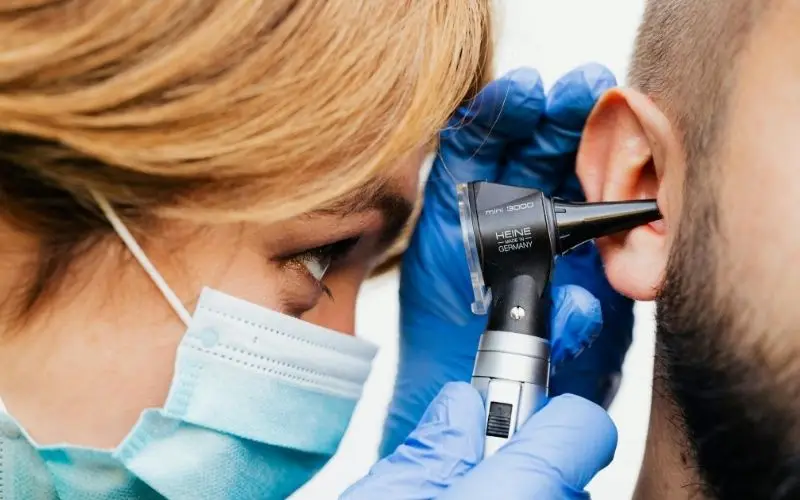
Swimmer’s ear, sometimes called tropical ear, is the common name for otitis externa, an infection or inflammation of the outer ear canal. It is most often caused by bacteria, although fungal infections can also occur. The condition is common in warm, humid climates and among people who swim, dive, or spend extended periods in the water. (Mayo Clinic)
Water that remains trapped in the ear canal can create a moist environment that encourages bacterial growth. Damage to the skin lining the ear canal—often caused by inserting cotton swabs, fingernails, or other objects into the ear—can also increase the risk of infection. (Mayo Clinic)
Symptoms
Symptoms of swimmer’s ear can range from mild irritation to severe infection and may include:
- Itching inside the ear canal
- A feeling of fullness or blockage in the ear
- Ear pain, especially when the outer ear is touched or moved
- Redness and swelling of the ear canal
- Drainage or discharge from the ear
- Reduced hearing due to swelling or debris in the canal
- Swollen lymph nodes around the neck or jaw in more severe cases (CDC)
If you experience these symptoms, seek medical attention. A doctor may need to clean the ear canal and prescribe medicated ear drops containing antibiotics, antifungals, steroids, or a combination of these treatments. (PMC)
Prevention
People who swim or dive regularly can reduce their risk of swimmer’s ear by:
- Keeping ears as dry as possible after swimming or bathing
- Tilting the head to allow trapped water to drain
- Gently drying the outer ear with a towel
- Using a bathing cap, swim molds, or earplugs if recommended by their healthcare provider
- Avoiding insertion of cotton swabs or other objects into the ear canal (CDC)
Preventive Ear Drops
For people prone to recurrent swimmer’s ear, doctors may recommend preventive ear drops after swimming.

If your doctor confirms that your eardrum is intact and healthy, a commonly recommended home preventive solution consists of:
- Equal parts white vinegar and rubbing alcohol (1:1 ratio)
The alcohol helps evaporate trapped water, while the vinegar restores the ear canal’s natural acidity, making it harder for bacteria and fungi to grow. (Mayo Clinic)
Important: Do not use alcohol- or vinegar-based ear drops if you have:
- A perforated (punctured) eardrum
- Ear tubes
- Recent ear surgery
- Ear pain, drainage, or an active ear infection without medical advice (AAO-HNS Bulletin)
A Note on Earplugs
Some health authorities recommend earplugs or custom-fitted swim molds to help keep water out of the ear. However, some specialists caution that poorly fitting earplugs may irritate the ear canal and potentially increase the risk of infection. If you experience recurrent swimmer’s ear, discuss the best preventive option with an ear specialist. (CDC)
When to Seek Medical Care
Consult a healthcare professional if:
- Ear pain is severe
- Symptoms worsen or do not improve within a few days
- There is significant swelling, fever, or discharge
- You have diabetes, a weakened immune system, or a history of ear surgery
- Hearing becomes significantly reduced (Verywell Health)
Medical Disclaimer
We trust this information will assist you in making informed decisions regarding your health and welfare. However, it is not intended to be a substitute for personalized advice from your medical adviser.
Our appreciation to Dr. Paul Vandewalle of International SOS, an AEA Company, who researched and contributed the original article.