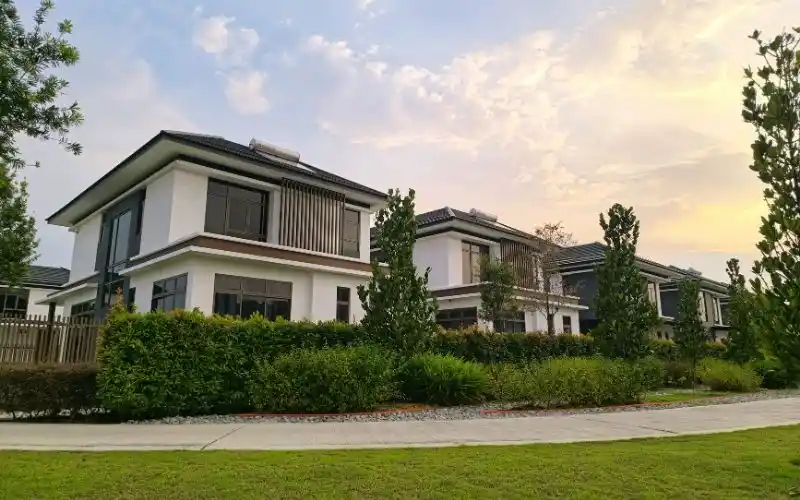


In Jakarta and other major Indonesian cities, we are seeing a growing housing trend focused on shared living. Co-living is not just a living arrangement—it has become a lifestyle solution for young professionals, remote workers, students, and people relocating to a new city.
With rising housing costs and increasing traffic congestion, co-living offers an affordable and convenient alternative to renting an entire house or apartment. Many residents also appreciate the social connections and flexibility that co-living provides.
What Are Co-Living Spaces?
Co-living spaces are modern housing solutions that enable residents with similar lifestyles, interests, or goals to share a residential property while maintaining their own private living space.
Although the term co-living has only become popular in recent years, the concept itself is not new. Shared housing arrangements have existed for centuries, and many traditional communities around the world were based on communal living.
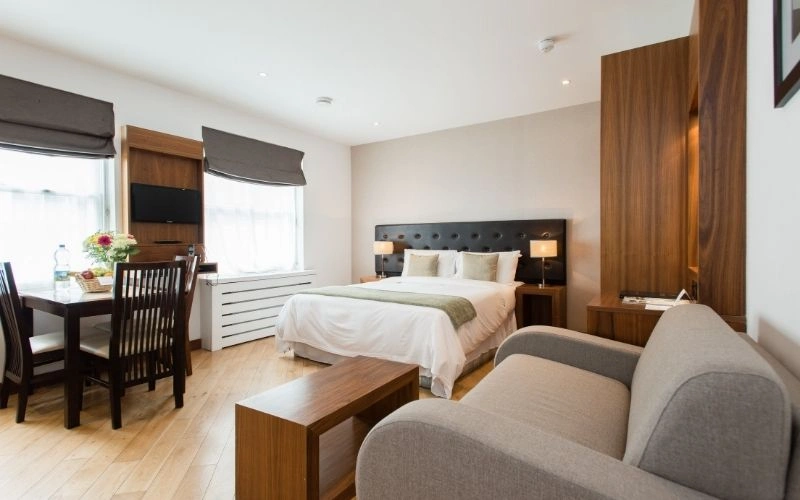
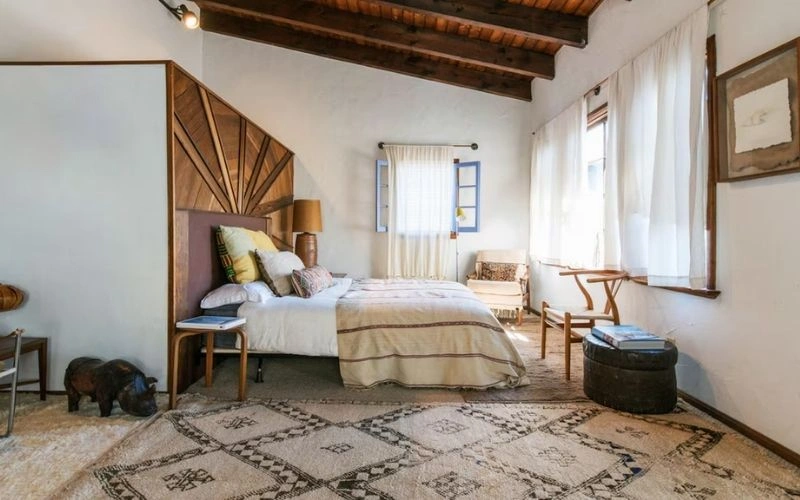
Today’s co-living spaces combine private bedrooms with shared facilities such as kitchens, living rooms, dining areas, and recreational spaces. Most properties are fully furnished and ready to move into, making them particularly attractive to people relocating to a new city.
Many providers also include services such as:
- High-speed internet
- Housekeeping
- Laundry services
- Building maintenance
- Security
- Utility management
This allows residents to focus on work and daily life without worrying about household administration.
Flexible Payment Terms
One of the biggest challenges facing Jakarta residents is the city’s traffic. Many employees want to live closer to their workplace or near public transportation routes to reduce commuting time.
The problem is that housing in central business districts and popular residential areas can be expensive. In addition, traditional landlords often require six months to one year of rent to be paid in advance.
Co-living providers typically offer more flexible payment options, allowing residents to pay monthly rather than committing to a large upfront payment. This makes co-living especially attractive for:
- New arrivals to Jakarta
- Employees on short-term assignments
- Graduate trainees
- Young professionals
- Digital nomads and remote workers
Shared Apartments and Roommates
Some people hesitate when considering co-living because they are concerned about sharing living space with strangers.
Today, many co-living operators address this concern through resident screening, community guidelines, and managed properties. In some cases, companies rent multiple rooms within a property and house employees together.
Another popular option is renting a single room within a larger apartment. Residents enjoy access to shared facilities while paying only for the room they occupy.
This arrangement often provides access to higher-quality accommodation in desirable locations at a significantly lower cost than renting the entire apartment independently.
Cost-Effective Living
One of the major advantages of co-living is predictable housing costs.
In a traditional apartment-sharing arrangement, if one roommate leaves, the remaining tenant may become responsible for the entire rent.
In most co-living arrangements, each resident rents only their individual room. The departure of another resident does not affect the rental obligation of the remaining tenants.

This creates greater financial certainty and reduces the risks often associated with shared housing.
More Value for Your Money
Co-living residents often enjoy access to facilities that would otherwise be unaffordable if rented privately.
These may include:
- Large kitchens
- Comfortable living rooms
- Coworking spaces
- Rooftop areas
- Gyms
- Entertainment areas
- Laundry facilities
Because these spaces are shared, residents can enjoy larger and better-equipped facilities without bearing the full cost of maintaining them.
Many providers also offer optional cleaning and laundry services, which can be particularly appealing to busy professionals.
Opportunity to Build a Social Network
For many people moving to Jakarta, making friends outside the workplace can be difficult.
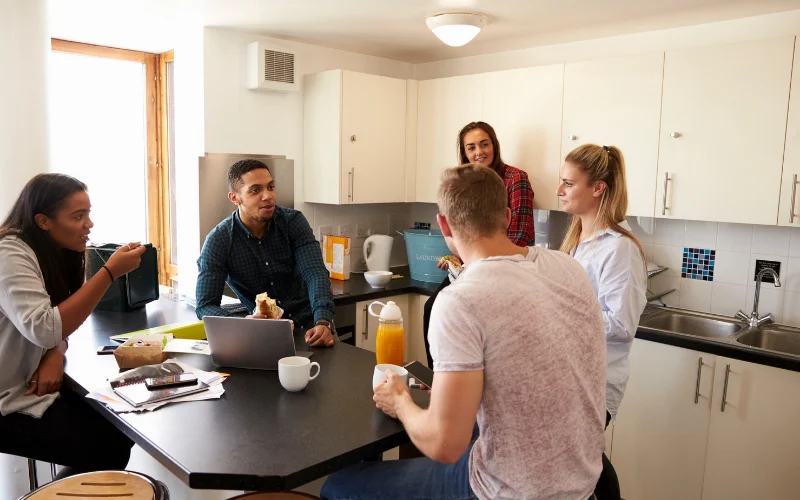
Co-living spaces help create a built-in community by bringing together residents from different industries, backgrounds, and nationalities. Some operators organize:
- Community dinners
- Networking events
- Fitness activities
- Workshops
- Social gatherings
For newcomers to Indonesia or people relocating from another city, this social aspect can make the transition much easier.
Convenient Locations
Many modern co-living properties are strategically located near:
- MRT stations
- LRT stations
- TransJakarta bus routes
- Business districts
- Universities
- Shopping and dining areas
This allows residents to reduce commuting time while enjoying easier access to the city.
Sustainability Benefits
Co-living can also support a more sustainable lifestyle.
By sharing resources such as appliances, internet services, utilities, and common facilities, residents typically consume fewer resources than they would in separate housing units.
Shared living spaces often require less energy, fewer household goods, and reduced maintenance, contributing to a smaller overall environmental footprint.
Is Co-Living Right for You?
Co-living may be an excellent option if you:
- Are new to Jakarta
- Want flexible lease terms
- Prefer a furnished home
- Want to reduce housing costs
- Enjoy meeting new people
- Do not want the responsibility of maintaining an entire apartment or house
However, it may be less suitable if you value complete privacy, require extensive personal space, or prefer a quiet and highly individualized living environment.
The Future of Co-Living in Indonesia
As Indonesian cities continue to grow and housing costs rise, co-living is becoming an increasingly attractive solution for young professionals, students, remote workers, and mobile employees.
By combining affordability, flexibility, convenience, and community, co-living offers a practical housing option that meets the needs of today’s increasingly mobile workforce.