

As in any large city around the world, crime is always an issue. Jakarta is no exception; therefore, you should be extra vigilant regarding your personal security. While foreigners are not necessarily the targets of crime, there are occasions when they inevitably become victims, just like Indonesians. If you follow basic safety precautions, you should find your stay in Jakarta a very safe one.
General Sense of Safety and Well-Being
Your sense of personal security is based on a number of factors in your environment, including your role in the community and your interaction with it, the physical barriers you build around you for protection, your own sense of well-being, and, of course, those elements that are beyond your control.
At first glance, most upper-class homes in Indonesia seem to reflect a bastion of security. These homes typically have high fences and gates facing the street, 20–30-foot walls around the remaining three sides (which are topped by broken glass, barbed wire, or spikes), and 24-hour guards or watchmen. While this style of housing is still common, many newer developments and expat-oriented compounds now offer managed security, CCTV systems, and controlled access, providing a different model of residential safety.
The safest neighborhoods in Jakarta may be the ones where all the houses are surrounded by 3-foot fences, where the residents don’t feel the need to lock their gates, where people know their neighbors, and everyone participates in community activities. By becoming a member of your community, you can be assured that your safety will become a community concern, just as your neighbors’ well-being should be your concern.
High fences surrounding your property do discourage theft and protect your privacy. But they also make it difficult for neighbors to see if someone is breaking into your home. Many homes have burglar bars (tralis) on the windows to discourage unwanted entrance. Keep in mind that they also make exit in the case of fire impossible. If your home has tralis, make sure that at least one of them is releasable from the inside.
Statistics Tell the Story
Despite limitations in publicly available crime statistics, long-term expatriates generally agree that violent crime rates in Jakarta remain relatively low compared to many major global cities, with most incidents involving petty theft. Outside of the crimes associated with the extraordinary May 1998 riots — which are historical events and not reflective of current conditions — most crime affecting residents today is petty theft. This type of opportunistic theft still occurs today, particularly in busy urban areas, although awareness and preventive behavior can significantly reduce risk.
People at Your Gate
Make your security policies very clear to your household staff. Tell your jaga (watchman) and household staff that under no circumstances is anyone to be let into the house or even the yard without your presence and permission. There is no reason for any unsolicited salesman, solicitor, or dubious official or inspector to gain access to your premises in your absence. If you are in the house and the jaga cannot send them away, you can talk with them through the closed fence or standing outside your gate. In fact, it is your jaga’s job to keep these people from bothering you unnecessarily.
Scams
In addition to in-person scams, expatriates should also be aware of digital scams, including fraudulent WhatsApp messages, phishing emails, and impersonation attempts targeting both individuals and household staff. The number of scams perpetrating on unsuspecting people as well as household staff is endless. Common ones are people coming to the door saying, “Your boss asked me to pick up the television for repairs” or “Your boss said I should check the house for termites.” The naive household staff gets the boss’ camera and turns it over to the happy scam artist or lets the person in to do their inspection, which is actually a chance for thieves to check out your home.
Give very clear, strict instructions to your household staff that they should NEVER, EVER give an item that belongs to you to someone without your specific prior instructions. Likewise, they should NEVER allow admittance to your yard or home to ANYONE without your specific prior permission. Instruct them that even other expats can be a potential thief and in fact, this has occasionally happened in the past.
Safety in Your Car
Ensure your car is well maintained and that you have all the necessary equipment in the car for emergencies: first aid kit, spare tire (with air), jack, jumper cables. Learn the streets and how to get around. Get a good map or GPS system to help you navigate. Keep water and snacks in the car, in case you are caught in a traffic jam. Keep your cell phone fully charged and have a charger in the car so it will be ready for use in an emergency. Keep your doors locked and your windows up at all times.
While older methods of theft are less common today, opportunistic theft from vehicles can still occur, particularly when valuables are visible. With the widespread use of ride-hailing apps such as Gojek and Grab, many expatriates now rely less on street taxis, which has improved overall safety and traceability of journeys.
Taxi Crime
Crime perpetrated in taxis has historically been a concern. Today, risks are significantly reduced by using reputable taxi companies or booking through trusted mobile apps, which provide driver tracking and trip records. This remains good advice. Additionally, booking taxis through official apps provides an added layer of security.
What to Do if You’re in an Accident
In most cases, the driver of the car is held responsible in any accident involving a pedestrian, motorcycle, or bicycle, no matter how undisciplined the other driver was behaving. It is always best to allow your driver to ‘negotiate’ with the other parties in the accident. Once an expatriate gets out of the car, the whole picture changes. To Indonesians, the fact that you stop and get out of the car to inquire into the injured party’s well-being is an admission of guilt on your part in the accident.
In most cases, the injured party or the person with the damaged vehicle will try and seek reimbursement from the person that looks most likely to be able to pay for it, and in most cases, they will turn to the foreigner. It is not mandatory to carry insurance, so not all people have or can afford to insure their property. Often the driver of the vehicle is not the owner, and they will be scared that they will be held responsible for damages, which in most cases they cannot afford. It’s best to write down and hand the other party the address of the working spouse’s office, and the name of an Indonesian staff member or HR manager at the office who can negotiate/address the claims of the other parties.

Carrying Valuable Documents
While regulations state that foreigners should carry identification, in practice many expatriates carry copies or digital versions, keeping originals in a secure place unless required.
Out and About Town
Exercising common sense in your demeanor in public places will go far to ensure your personal safety. In our home countries, we expect visitors to our shores to comply with what we consider acceptable standards of behavior and not to be rude or arrogant. Here it is no different. A smile and a friendly gesture go a long way to bridging the cultural gap here in Indonesia, as these actions do in most other countries.
Cashless payments are now widely accepted in Jakarta, reducing the need to carry large amounts of cash — which also reduces personal risk.
At the Airport
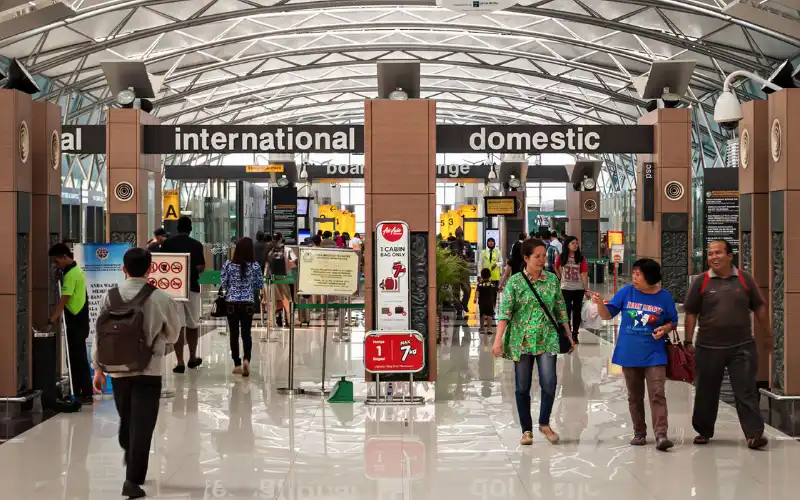
Be aware of pickpocket schemes involving the selling of goods using distractions. Criminals are aware of the fact that most travelers have more than the usual amount of cash with them. Do not carry more than you are willing to lose. Try not to linger before the security checks and have tickets, etc., ready before exiting. Have a small amount of money available separate from your purse or wallet.
Public Crime
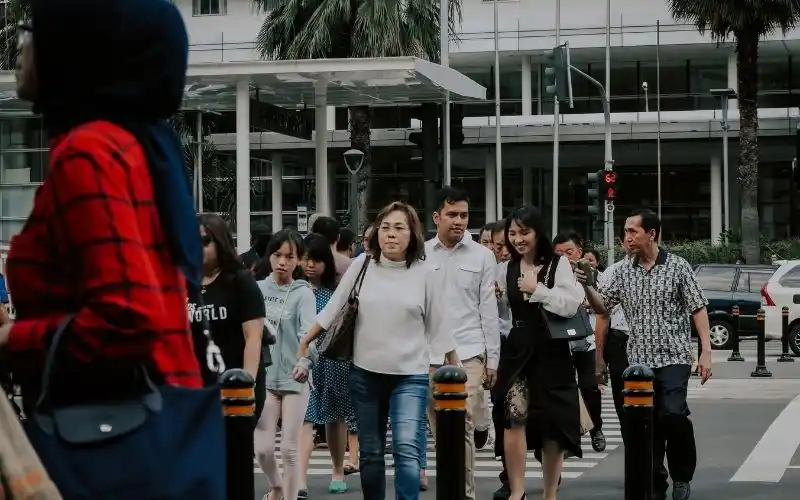
While community response can still be strong, it is best not to rely on crowd intervention and instead focus on prevention and awareness. Targets of street theft are often those who are careless in matters of personal safety. Exercising common sense in your demeanor in public places will go far to ensure your personal safety. Avoid attracting attention and becoming a target of street theft by wearing lots of expensive jewelry and watches in public or displaying large amounts of cash when making purchases, especially in the more traditional shopping areas.
Night Club Crime
A common MO amongst thieves is to look for inebriated expatriates leaving a nightclub and follow them home where they would be robbed in their car/taxi or at their home in collaboration with a ‘working girl’. There is no need to state the quite obvious precautions that could be taken to avoid being the victim of crime in these circumstances. There have also been instances where drugs have been put into drinks which causes the person to black out and have a total loss of memory as to what happened. It is advised to be cautious and never leave your drink unattended and then come back to it to finish it after returning from the toilet or the dance floor.
Ability to Communicate in Bahasa Indonesia
If you are able to speak Bahasa Indonesia, you can usually solve most of your problems yourself. We encourage you to learn Bahasa Indonesia, as the ability to communicate with those around you will do much to improve not only your feeling of safety but also the quality of your stay in Indonesia.
Stories from the 1997/1998 Riots
(Historical Context Only)The following reflects historical events during a period of unrest and is not indicative of current conditions in Indonesia. In the unrest during these years, the only incidents that we heard of where the crowd’s behavior adversely affected an expatriate, was where an expat, unaware of what was going on, drove into an area where a demonstration/riot was going on. If you find yourself in this situation, don’t scowl or yell at the crowd, even if they jump on your car or hit it. For your own safety, it’s best to smile and drive slowly through the crowd, with a nod of the head or wave of the hand to the protesters until you are safely past. A confrontational stance in this type of situation could be very dangerous.
Frequently Asked Questions About Safety in Jakarta
Is Jakarta safe for expats?
Yes, Jakarta is generally considered safe for expatriates. Most incidents involve petty theft rather than violent crime. Awareness and common sense precautions go a long way.
What are the most common crimes in Jakarta?
Petty theft such as pickpocketing, bag snatching, and opportunistic scams are the most common.
Is it safe to use taxis in Jakarta?
Yes, especially when using reputable companies or app-based services like Grab and Gojek.
Do I need to carry my passport at all times?
Regulations suggest carrying ID, but many expats carry copies and keep originals secure.
How can I improve my personal safety in Indonesia?
Stay aware of your surroundings, avoid displaying valuables, build relationships in your community, and follow local advice.