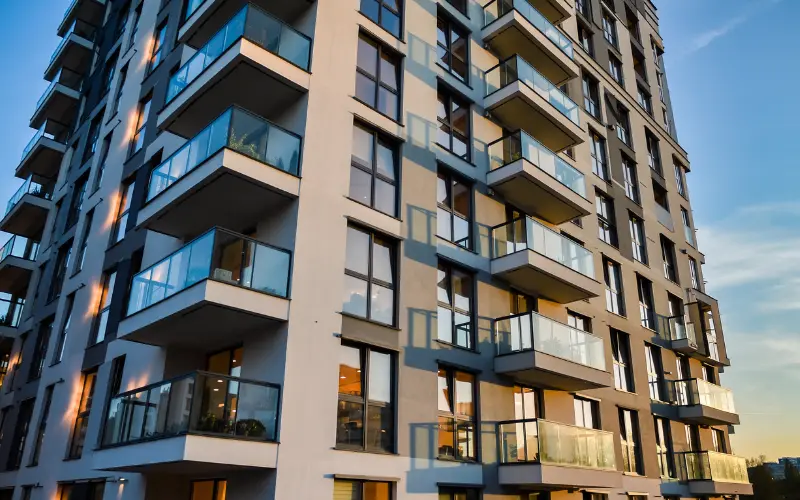



The companies that employ expatriates are normally responsible for providing housing for their expatriate employees who are relocating to Indonesia. For companies or individuals that are new to Indonesia, they will likely encounter unusual leasing practices compared to what they would find in their country of origin. Below you will find the answers to questions we are most frequently asked in regard to the leasing of a house or apartment.
Note for individual expats: if you are renting privately rather than through a company, the same leasing conventions apply. However, Indonesian law requires that property be leased in your own name, and foreign nationals should ensure their visa status permits them to enter into a lease agreement. If you are on a work permit (KITAS), renting directly is generally straightforward. Always have your lease agreement (Perjanjian Sewa) reviewed by a local lawyer or relocation agent before signing.
How are rents quoted and paid?
Rents are typically quoted using a USD monthly rental rate, however the rent payment must be paid in Rupiah. It is common practice that the rate of exchange will be determined by the date that the lease is signed.
Indonesia is unique, in that, to rent a house or apartment, a lease agreement is signed and the rent is paid in its entirety, before you move in. A lease agreement is typically paid one to two years in advance and for properties located in desirable complexes and neighbourhoods the lease may be paid for as much as three years in advance.
This upfront payment structure is one of the most important things for newly arriving expats to understand and budget for. For a mid-range expatriate house in South Jakarta, for example, a two-year lease paid in advance can represent a very significant lump sum. Ensure your company’s relocation package or housing allowance explicitly covers this structure before you commit to a property.
Regional note: In Bali, it is increasingly common for leases on villas and houses to be quoted and agreed in USD, with some landlords in tourist-adjacent areas less flexible on Rupiah-only payment. Lease terms in Bali also tend to be shorter and more variable than in Jakarta. Always confirm the currency and exchange rate terms in writing before signing.
Is a security deposit required?
Upon the execution of a letter of intent, the tenant will typically be required to pay a booking fee equal to at least one (1) month of rent. This will either be credited to the advance rent payable by the tenant or will serve as a security deposit which is fully refundable upon the expiration of the lease provided compliance with all lease conditions.
Additional deposits may be required by internet service providers when setting up a new connection in an apartment. The major residential internet providers currently serving expat areas include IndiHome (Telkom), Biznet, and MyRepublic — confirm availability in your building before signing your lease, as not all providers service all complexes.
What is typically not included in the rent?
There are operating costs that are not included in the rent that tenants should budget for, such as electricity (PLN), water (either via PDAM municipal supply or a private compound water system — confirm which applies to your property, as billing arrangements differ), and internet (confirm provider availability before signing).
Maintenance, such as servicing air conditioners, water pumps, etc., as well as minor repairs (typically under US$250-300 at current pricing) are usually incurred by the tenant. As a rule a standard lease agreement provides for all major repairs to be the responsibility of the landlord; however it is advisable for tenants to negotiate a withholding fee, usually equivalent to 1 month’s rent or 10% of the total lease value, that can be utilized in the event that a major repair is not addressed to their satisfaction.
In practice, enforcing a withholding fee can be difficult without a clearly drafted clause in the original lease. If your company uses a relocation agent or property lawyer, ask them to ensure this clause is explicit and enforceable under Indonesian law before you sign.
Often apartments or houses that are located in a housing compound will also have monthly maintenance fees. These compound or service fees (often called IPL — Iuran Pemeliharaan Lingkungan) can vary considerably. In established expatriate compounds in South Jakarta or BSD City, monthly IPL fees can range from IDR 500,000 to well over IDR 3,000,000 depending on the size of the property and the facilities provided. Always confirm the current IPL rate before signing, as these are typically not included in the headline rent figure and are subject to annual increases.
What is the typical lease term?
Lease terms typically vary from one (1) to three (3) years. One-year leases are more commonly available in the apartment market than in the standalone house market, where landlords in established expat areas frequently prefer two-year minimum commitments. If your assignment length is uncertain, negotiate a renewal option or a clearly worded early repatriation clause at the outset — it is much harder to add these after the lease is signed.

Do tenants have automatic renewal rights?
The tenant typically has an option to renew at market rental rate. If the tenant thinks that he or she might be in Indonesia for more than one year, the renewal clause should be included in the original lease. Apartments will typically see a rent increase of 10 to 20% at renewal time, reflecting both inflation and Rupiah movement against the USD. House rental increases vary more widely and are ultimately at the discretion of the landlord. In a rising market — as Jakarta and Bali have both experienced in recent years — it is not unusual for landlords to seek significant increases at renewal. Locking in a renewal rate or a capped increase percentage at the time of the original lease is strongly advisable.
Do tenants have automatic sublet or assignment rights?
Tenants are typically allowed to sublease the premises during the lease term with the approval of the landlord, if so stated in the lease agreement. In most cases, this is the only way to recover some of the pre-paid rent, should the expat be repatriated early.
Diplomatic clauses — which allow early termination of a lease if an employee is transferred or repatriated — have historically been available primarily to embassy and diplomatic mission tenants. In practice, some multinational companies with established landlord relationships have been able to negotiate similar early termination provisions, though this is not standard and depends heavily on the landlord and the property. If early repatriation is a realistic possibility, raise this at the letter of intent stage rather than after signing.
Finding a Property
The residential leasing market in Indonesia is increasingly accessible online. The main property portal used by expats and relocation agents is Rumah123, which lists both apartments and houses across all major expat centres including Jakarta, Surabaya, Bali, and Balikpapan. For a more personalised service, Noble Properties {link to website}is a well-regarded agency with experience in the expatriate market and a strong track record in helping international assignees and their families find suitable housing.
That said, many of the best expatriate properties in established compounds are leased through relocation agents and never reach the public portals. If your company has a preferred relocation partner, their off-market listings are often the most reliable first step.
Frequently Asked Questions
Can foreigners rent property in Indonesia?
Yes. Foreign nationals holding a valid stay permit (KITAS or KITAP) can rent residential property in Indonesia in their own name. There are no restrictions on foreigners renting — only on purchasing freehold property, which remains off-limits to foreign nationals. Most expatriates rent either directly or through their employer.
Do I really have to pay two years’ rent upfront?
In most cases, yes — particularly for standalone houses in established expatriate areas. This is standard practice in Indonesia and is not negotiable with most landlords in popular expat locations. Apartments in the serviced sector sometimes offer monthly payment options, but these carry a significant premium. Ensure your company’s housing allowance is structured to cover this lump-sum payment.
What happens if my company sends me home early?
Unless your lease contains a specific early termination or repatriation clause, you may have limited options for recovering pre-paid rent. Subleasing (with landlord approval) is the most common route. This is why it is important to negotiate termination provisions before signing, not after.
Are utilities expensive in Indonesia?
Electricity (PLN) is the most significant ongoing utility cost for expats, particularly if you are running multiple air conditioning units, which is standard in the Indonesian climate. PLN bills in a large expatriate house can run to IDR 3,000,000 to IDR 8,000,000 or more per month depending on usage and tariff tier. Water costs are generally modest by comparison.
Is it safe to sign a lease without a lawyer?
Many expats do so, particularly when going through a reputable relocation agent. However, for any lease of significant value or duration, having a local lawyer or qualified relocation specialist review the Perjanjian Sewa (lease agreement) before signing is strongly recommended. Lease disputes in Indonesia can be difficult and slow to resolve, and prevention is considerably easier than cure.
What is the difference between a serviced apartment and a regular apartment lease?
Serviced apartments offer hotel-style facilities and management, shorter minimum stay commitments, and monthly billing — but at a considerably higher per-month cost. They are commonly used by expats in their first weeks or months before a longer-term lease is arranged. Regular apartment leases follow the same advance payment conventions as houses.
This guide is reviewed and updated periodically by the Expat.or.id editorial team. Leasing practices, market conditions, and regulatory requirements can change. Always seek current local advice before entering into a lease agreement in Indonesia.