

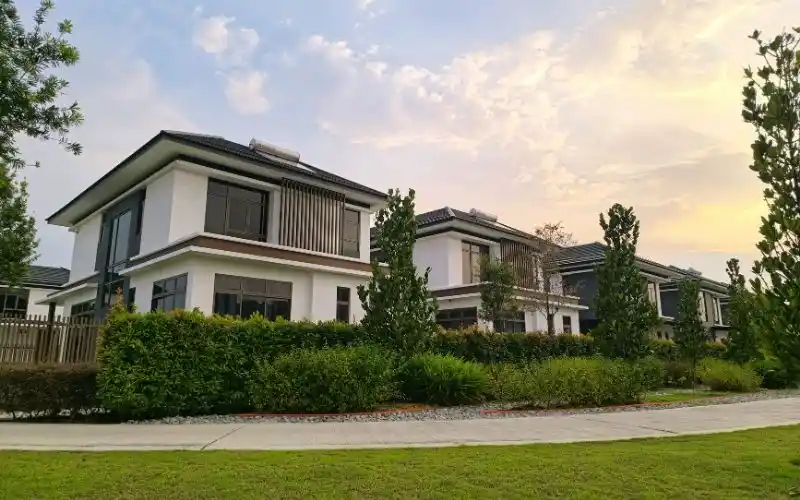
For expatriates and Indonesian families alike, one of the most important decisions when relocating is choosing where to live. While apartments and traditional urban neighborhoods remain popular choices, many people are attracted to housing estates—planned residential communities that have become increasingly common around Jakarta and other major Indonesian cities.
Known locally as perumahan or sometimes simply as real estate, these developments are typically located on the outskirts of major cities or in satellite towns where larger tracts of land are available. They offer a very different lifestyle from living in older urban neighborhoods and can be an excellent option depending on your priorities and daily routine.
What Makes a Housing Estate Different?
Unlike many older neighborhoods that evolved organically over time, housing estates are carefully planned communities. Roads, drainage systems, utilities, recreational facilities, security arrangements, and public spaces are generally incorporated into a master plan before construction begins.
As a result, residents often enjoy:
- Wider roads and better traffic flow
- More organized street layouts
- Sidewalks and pedestrian areas
- Street lighting
- Landscaped public spaces
- Dedicated recreational facilities
- Consistent estate management
The overall environment can feel more structured and predictable than many traditional urban neighborhoods.
Security and Privacy
One of the biggest attractions of housing estate living is security.
Many estates have controlled access points with security personnel monitoring vehicles and visitors entering the community. While no security system can guarantee complete protection, controlled access often provides residents with an increased sense of safety and privacy.
Families with young children particularly appreciate the reduced traffic volumes within many estates. Children may have more opportunities to ride bicycles, walk, or play outdoors compared to busy urban streets.
An additional advantage is the reduction in unsolicited visitors. Door-to-door salespeople, vendors, and other casual traffic are often restricted from entering the community, creating a quieter residential environment.
Family-Friendly Living
Housing estates are especially popular with families.
Many developments are designed with children in mind and often include:
- Parks and playgrounds
- Sports facilities
- Walking and cycling paths
- Community centers
- Open green spaces
These amenities can encourage outdoor activity and provide opportunities for children to interact with neighbors and develop friendships within the community.
For expatriate families arriving in Indonesia for the first time, these facilities can make the transition smoother by providing safe spaces for recreation and social interaction.
Facilities and Amenities
Many housing estates include facilities that may not be readily available in traditional neighborhoods.
Depending on the development, residents may have access to:
- Swimming pools
- Tennis courts
- Basketball courts
- Fitness centers
- Jogging tracks
- Children’s play areas
- Community meeting rooms
- Retail and dining areas
- Convenience stores
Some larger developments function almost like self-contained towns, offering schools, shopping centers, medical facilities, restaurants, and entertainment options within a short distance of home.
Before signing a lease or purchasing a property, it is advisable to inquire about facility access, membership requirements, and any associated maintenance or usage fees.
Modern Infrastructure
One of the significant advantages of newer housing estates is the quality of infrastructure.
Many developments feature:
- Improved drainage systems
- Underground utility networks
- Reliable water supply systems
- Backup power systems
- Better flood management
- Professionally maintained roads and public spaces
This can provide greater comfort and convenience, particularly during Indonesia’s rainy season when flooding may affect some older urban areas.
Sense of Community
One of the less obvious benefits of housing estate living is the opportunity to develop a strong sense of community.

Because residents often use the same recreational facilities, shops, parks, and walking paths, casual interactions occur naturally. Neighbors frequently become valuable sources of local information and support.
For expatriates, this can be especially helpful during the settling-in process. Neighbors may offer recommendations for:
- Domestic staff
- Drivers
- Repair services
- Schools
- Medical providers
- Local shopping options
Many housing estates also organize community activities such as holiday celebrations, sports events, fitness programs, charity drives, and neighborhood gatherings. These activities can help newcomers build social networks and feel more connected to their surroundings.
Maintenance and Property Services
Some housing estates provide additional services that can simplify daily life.
Management offices may assist residents with:
- General maintenance requests
- Landscaping services
- Garbage collection
- Utility management
- Security coordination
- Community communications
For expatriates unfamiliar with local contractors and repair services, having a centralized management team can be particularly helpful.
Sustainability and Green Space
Modern developments increasingly place greater emphasis on environmental sustainability.
Many newer housing estates include:
- Tree-lined streets
- Community parks
- Retention ponds for flood control
- Walking and cycling networks
- Preserved green areas
- Improved waste management systems
These features can contribute to better air quality and provide residents with opportunities to spend time outdoors.
Commuting Considerations
While housing estates offer many benefits, location remains an important factor.
Many developments are located outside central business districts, meaning residents may face longer commute times. Depending on traffic conditions, travel to offices in major commercial areas can take significantly longer than from centrally located urban neighborhoods.
Before choosing a home, many experienced expatriates recommend conducting a test drive during peak traffic hours to understand the realities of the daily commute.
A larger home and quieter surroundings can be highly attractive, but these advantages should be weighed against the time spent traveling to work, school, or other frequently visited locations.
Potential Drawbacks of Housing Estate Living
Although housing estates offer many advantages, they may not suit everyone.
Potential disadvantages can include:
- Longer commuting times
- Monthly maintenance fees
- Greater reliance on private vehicles
- Community regulations regarding renovations or pets
- Less exposure to traditional Indonesian neighborhood life
- Distance from older city centers and cultural areas
Some expatriates prefer the convenience, walkability, and vibrant street life found in more established urban neighborhoods.
Housing Estate vs Traditional Urban Neighborhood
When choosing where to live, it is useful to compare the strengths of each option.
Housing Estate Living
- More space and larger properties
- Controlled access and security
- Organized infrastructure
- Family-oriented facilities
- Cleaner public areas
- Community recreational amenities
- Modern planning and maintenance
Traditional Urban Neighborhood Living
- Often closer to workplaces
- Greater access to public transportation
- Easier access to restaurants and local businesses
- More interaction with Indonesian daily life
- Typically lower maintenance costs
- Richer urban atmosphere and street culture
Neither option is inherently better. The best choice depends on your family’s lifestyle, commute requirements, budget, and personal preferences.
Final Thoughts
Housing estates have become a popular choice for many expatriates and Indonesian families because they offer a combination of security, amenities, green space, and community living. They can provide a comfortable environment for families, particularly those seeking more space and a structured residential setting.
However, they are not the only option. Traditional urban neighborhoods offer their own advantages, including convenience, cultural immersion, and proximity to business districts.
When evaluating housing options in Indonesia, take the time to visit different neighborhoods, explore local facilities, and assess commute times before making a decision. The right choice will depend on your individual priorities and how you envision your daily life in Indonesia.