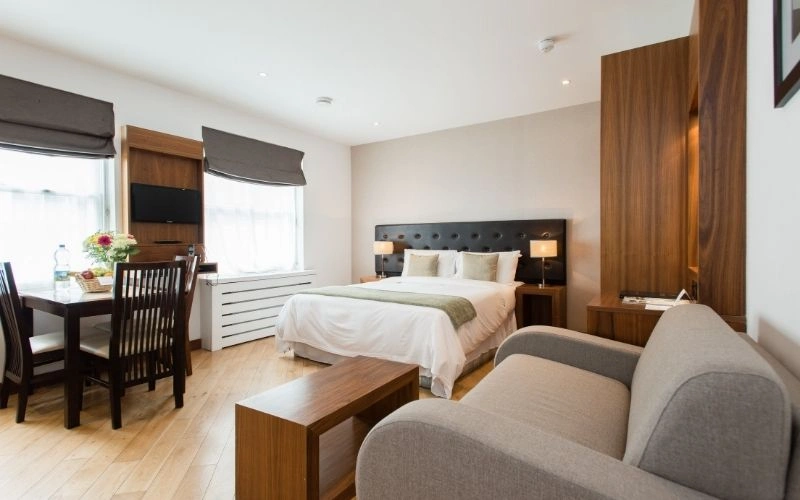


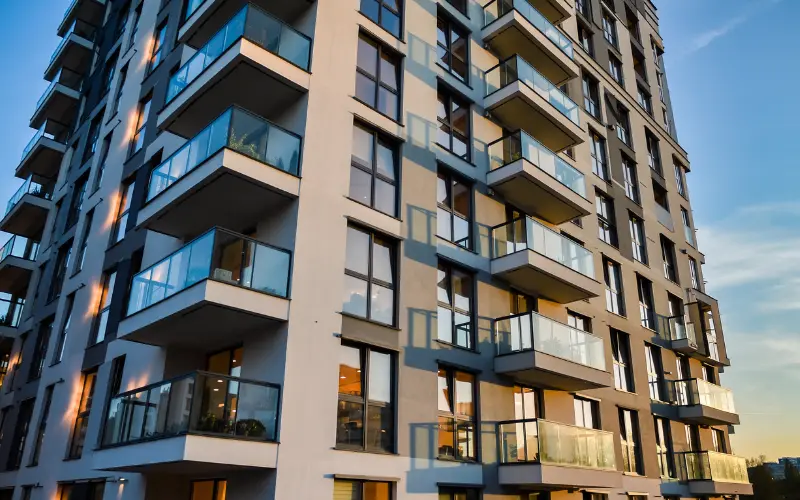
For many expatriates and Indonesian professionals, apartment living has become one of the most practical and attractive housing options in Indonesia’s major cities. While houses remain popular for families seeking larger living spaces, apartments offer convenience, security, modern facilities, and often a significantly shorter commute.
Jakarta, Surabaya, Bandung, Medan, and Bali have all seen substantial growth in apartment developments over the past two decades. Today, apartment living is no longer viewed as a compromise; for many residents it is the preferred lifestyle choice.
Whether you are relocating to Indonesia for work, downsizing from a larger home, or simply looking for a convenient city lifestyle, apartment living may be an option worth considering.
Location, Location, Location
One of the greatest advantages of apartment living is location.
In Jakarta, many apartment buildings are situated close to major business districts such as Sudirman, SCBD, Kuningan, Senayan, TB Simatupang, and Pondok Indah. In other cities, apartment developments are often located near commercial centers, shopping malls, and transportation hubs.
With Jakarta’s traffic remaining one of the city’s biggest challenges, proximity to work is often a major deciding factor. Many expatriates discover that reducing a daily commute by even 30 minutes each way can significantly improve their quality of life.
Modern developments increasingly focus on transit-oriented living, with convenient access to MRT, LRT, commuter rail services, and major toll roads.
Families with school-age children may still prefer neighborhoods in South Jakarta or suburban communities that provide easier access to international schools, while single professionals and couples often prioritize proximity to the office and entertainment districts.
Security and Peace of Mind
Security remains one of the primary reasons many expatriates choose apartment living.
Most apartment buildings provide:
- 24-hour security personnel
- CCTV monitoring
- Controlled access systems
- Visitor registration procedures
- Secure parking facilities
- Building management support
Many upscale developments offer lift access control systems, where residents can only access designated floors using security cards or electronic credentials.
For people who travel frequently, apartments also provide peace of mind knowing that the property continues to be monitored and maintained while they are away.
Building Maintenance and Management
Apartment living generally reduces many of the maintenance responsibilities associated with living in a house.
Building management is typically responsible for:
- Common area maintenance
- Elevators
- Swimming pools
- Gyms and sports facilities
- Landscaping
- Security systems
- Building operations
Monthly maintenance fees are normally paid by the owner and may be passed on to tenants depending on the lease agreement.
It is important to understand that repairs inside the apartment unit itself are usually the responsibility of either the owner or tenant, depending on the lease terms.
When evaluating an apartment, pay close attention to the quality of building management. A well-managed building can significantly affect both your living experience and the long-term value of the property.
Buying an Apartment in Indonesia
Some expatriates consider purchasing an apartment rather than renting.
Property ownership regulations in Indonesia can be complex and are subject to change. Foreign ownership opportunities have expanded over the years, but restrictions and minimum purchase requirements still apply.
Anyone considering purchasing property should seek professional legal advice before committing to a purchase.
As with property markets worldwide, apartment values can rise or fall depending on:
- Location
- Developer reputation
- Building management quality
- Infrastructure developments
- Market conditions
An apartment purchase should generally be viewed as a long-term investment rather than a guaranteed short-term gain.

Wide Range of Facilities
One of the major attractions of apartment living is access to facilities that would be difficult or expensive to maintain in a private home.
Facilities often include:
- Swimming pools
- Fitness centers
- Tennis courts
- Basketball courts
- Jogging tracks
- Children’s playgrounds
- Function rooms
- BBQ areas
- Rooftop gardens
- Co-working spaces
Some larger developments also include direct access to shopping malls, supermarkets, restaurants, medical clinics, and entertainment facilities.
These amenities can create a resort-style living experience while reducing the need for separate memberships or subscriptions.
Serviced Apartments
For business travelers and short-term assignments, serviced apartments can be an excellent alternative to hotels.
Serviced apartments typically offer:
- Flexible lease terms
- Furnished accommodations
- Housekeeping services
- Utilities included
- Reception services
- Business support facilities
Many expatriates choose serviced apartments during their first few weeks in Indonesia while they search for permanent housing.
Although serviced apartments generally cost more than traditional rentals, they can provide significant convenience during a relocation.
Apartment Living with Children
Apartment living can work very well for families, particularly in buildings that offer family-friendly facilities.
Parents should consider:
- Unit size
- Storage space
- Availability of outdoor play areas
- Proximity to schools
- Child safety features
- Elevator access
- Space for domestic staff if required
Many expatriate families appreciate the convenience of swimming pools, playgrounds, and built-in social opportunities with other families living in the same complex.
However, larger families may find that a house offers more flexibility and private outdoor space.
Opportunities to Meet People
One often overlooked advantage of apartment living is the opportunity to build a social network.
Many apartment complexes organize:
- Holiday celebrations
- Children’s activities
- Sports events
- Community gatherings
- Resident social groups
In buildings with large expatriate populations, residents often find it easier to make friends and exchange practical information about living in Indonesia.
Things to Check Before Signing a Lease
Before choosing an apartment, consider the following:
- Commute time during peak traffic hours
- Building age and condition
- Internet provider availability
- Backup power systems
- Water pressure and quality
- Parking availability
- Pet policies
- Noise levels
- Flood history of the surrounding area
- Utility costs
- Service charges
- Building management reputation
Whenever possible, visit the property at different times of the day to gain a better understanding of the surrounding environment.
Advantages of Apartment Living
- Reduced commuting times
- Enhanced security
- Access to recreational facilities
- Lower maintenance responsibilities
- Convenient city locations
- Strong sense of community in some buildings
Potential Drawbacks
- Limited living space
- Monthly service charges
- Noise from neighbors
- Restrictions on renovations
- Limited outdoor space
- Parking limitations in some developments
Conclusion
There is no single “best” housing option in Indonesia.
The right choice depends on your family size, budget, workplace location, lifestyle preferences, and expected length of stay.
For some expatriates, a house in a residential neighborhood provides the space and privacy they desire. For others, an apartment offers convenience, security, and significant time savings that greatly improve day-to-day life.
Before making a decision, visit multiple properties, test your commute during peak traffic hours, and carefully evaluate both the apartment building and the surrounding neighborhood.
With hundreds of developments across Indonesia’s major cities, there is likely an apartment that fits both your lifestyle and your budget.