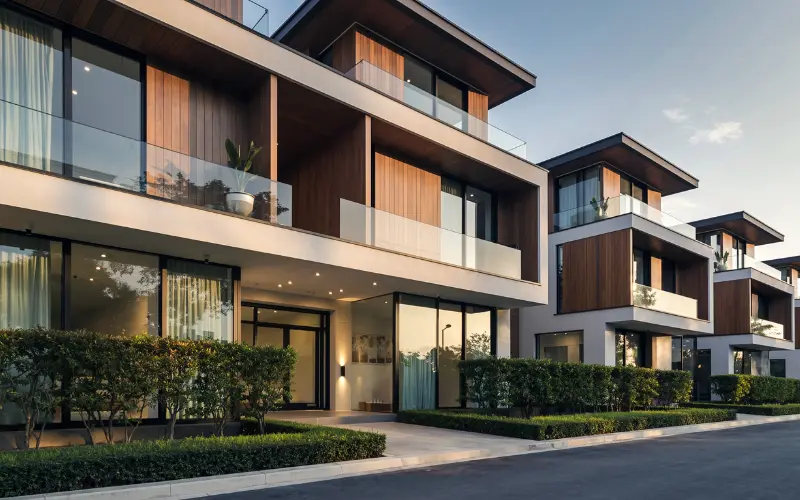


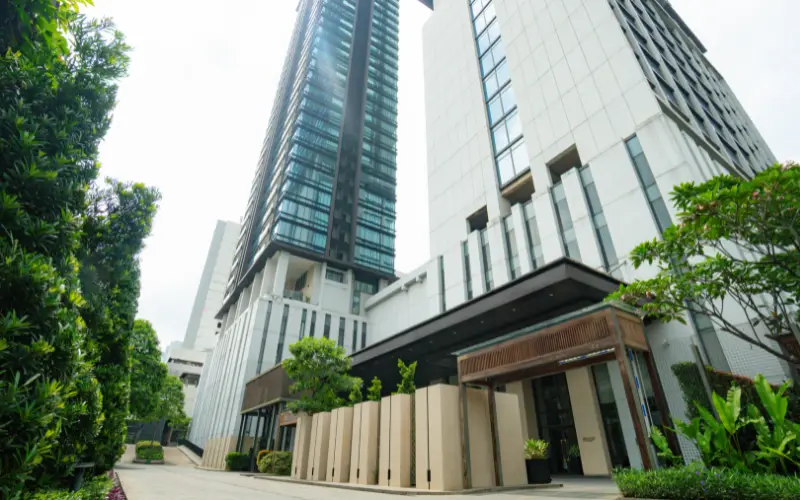
Many expatriates living in Indonesia choose apartments as their primary accommodation, particularly in major cities such as Jakarta. Apartments offer convenience, security, and shared facilities that can make daily life easier for newcomers who are still adjusting to the country.
Apartments can be an attractive option for expatriates who prefer a more compact living arrangement than a house, or who wish to live close to their office in the central business districts.
In the past, many expatriate families in Jakarta preferred large houses with gardens and domestic staff. However, in recent years there has been a noticeable shift toward apartment living, especially among professionals and smaller families. Traffic congestion, proximity to offices, and the convenience of building services have made apartments increasingly popular among expatriates.
Types of Apartments in Indonesia
Apartments in Indonesia vary widely in size, facilities and management quality. Units may range from modest studio apartments to large luxury units with several bedrooms and extensive shared facilities.
Most apartment complexes offer amenities such as swimming pools, fitness centres, children’s play areas, parking facilities and 24-hour security.
Higher-end developments may also include tennis courts, jogging tracks, restaurants, small grocery stores and other convenience services within the complex.
In many newer developments, facilities have expanded to include cafés, co-working spaces, daycare centres and small retail areas within the building podium. These integrated residential developments allow residents to meet many daily needs without leaving the property.
Furnished or Unfurnished Units
Apartments may be offered either furnished or unfurnished.
Furnished apartments typically include beds, sofas, dining tables, wardrobes, kitchen appliances and basic kitchen equipment. Unfurnished units may include only built-in cabinets and air conditioning units.
Most expatriates arriving for work assignments prefer furnished apartments, especially during their first posting, as this avoids the need to purchase large household items.
In the past, many expatriate relocation packages included the shipment of personal household goods from the employee’s home country. However, many modern expat packages no longer include international shipping of furniture and household items as part of the relocation allowance. For this reason, furnished apartments have become an increasingly practical solution, allowing expatriates to move into a fully equipped home without the need to purchase or transport large furnishings.
Serviced Apartments in Indonesia
A common housing option for expatriates arriving in Indonesia is the serviced apartment. These apartments operate similarly to a hotel but provide residential-style accommodation with kitchen facilities and living areas.
Serviced apartments typically include regular housekeeping, reception services, security, maintenance support, and utilities and internet bundled into the rental price.
Many multinational companies place newly arriving expatriates in serviced apartments for the first weeks or months of an assignment while longer-term housing is arranged.
One of the advantages of serviced apartments is that they often offer flexible lease terms ranging from daily and weekly stays to monthly or yearly arrangements. In Indonesia, this makes them one of the few residential housing options where monthly rental terms are commonly available, as most private apartment leases require a one-year commitment paid in advance.
International serviced apartment brands operating in Indonesia include Ascott, Somerset, Oakwood and Fraser Residence, with properties in Jakarta and several other major Indonesian cities.
Apartment Locations
In Jakarta, many apartment developments are located near the main business districts or along major transportation corridors.
Popular areas include Sudirman, Kuningan, Menteng, Pondok Indah and Kemang. These locations offer convenient access to offices, international schools, shopping centres and restaurants.
Apartment living is also common in other Indonesian cities with significant expatriate communities. Cities such as Surabaya, Batam and Bali have seen increasing numbers of apartment and condominium developments catering to professionals and international residents.
Finding an Apartment
Expatriates can locate apartments in Indonesia through several different channels.
Many international companies assist their employees by arranging housing through relocation companies or property agents. These agents help identify suitable buildings, negotiate lease terms and coordinate viewings.
If using a housing agent it is best to work with one who is familiar with expatriate clients and understands the expectations that they often have regarding security, building quality, lease arrangements and proximity to offices or international schools. Typically the agent’s commission is paid by the landlord, which means expatriates can benefit from the convenience and knowledge of a skilled agent without any additional cost.
Property agents that work with expatriate clients include Noble Properties, while online property platforms such as Rumah123 allow prospective tenants to browse apartment listings and connect directly with agents.
Lease Terms
Apartment leases in Indonesia are typically negotiated for a period of one year or longer.

Rent is usually paid in advance, often in yearly payments.
Some landlords may accept semi-annual or quarterly payments, although this is less common and may result in a slightly higher overall rental price. As with any lease agreement, tenants should carefully review the terms and conditions before signing.
In some cases, particularly when expatriates are working for multinational companies, the lease agreement may actually be signed by the employer rather than the individual employee. In these situations the company becomes the official lessee and the expatriate employee occupies the apartment as part of their employment package. Some property owners prefer this arrangement because if any issues arise during the lease period, they can address them directly with the employing company rather than the individual tenant.
Apartment Prices in Jakarta
Rental prices for apartments in Jakarta vary widely depending on the age of the building, location, facilities, and proximity to business districts or international schools.
| Apartment Type | Typical Monthly Rent (IDR) | Notes |
|---|---|---|
| Studio / Small 1 Bedroom | 4 million – 8 million | Usually located outside the central business districts or in older buildings |
| 1 Bedroom (Central Areas) | 8 million – 15 million | Common in areas popular with expatriates such as Sudirman, Kuningan or Menteng |
| 2–3 Bedroom Family Units | 18 million – 35 million | Larger apartments suitable for couples or families |
| Luxury Apartments | 30 million – 60+ million | Prime developments in locations such as SCBD, Sudirman or Pondok Indah |
Prospective tenants should also be aware that monthly service charges, electricity, and internet costs are not always included in the advertised rental price.
Utilities and Maintenance Apartments in Indonesia
Utilities such as electricity, water and internet services may or may not be included in the rental price.
Most buildings also charge a monthly service fee to cover building maintenance and shared facilities.
It is also important to understand how the apartment building is managed. Some units are controlled by the building developer while others are privately owned and fall under a homeowners association.
When units are privately owned, the landlord is responsible for repairs. The responsiveness of the owner and the quality of the contractors they use can vary, which may sometimes lead to slower response times or inconsistent workmanship.
Advantages of Apartment Living
For many expatriates, apartments offer several advantages. These include building security, shared recreational facilities, reduced maintenance responsibilities and convenient access to offices and urban amenities.
Apartment living can also provide a sense of community, as many expatriates live in the same buildings or neighbourhoods. For supporting spouses who may have just arrived in Indonesia and do not yet have an established social network, living in an apartment complex can sometimes make it easier to meet neighbours and develop friendships.
In some buildings where expatriates from similar nationalities live, residents may quickly find a small informal community. This is particularly common in some Japanese and Korean expatriate communities where colleagues or families may choose to live in the same building.
Apartments can also be a practical choice for expatriates who travel frequently for work or who prefer not to manage the maintenance of a large house and garden.
Potential Disadvantages
Apartment living may not suit everyone.
Some expatriate families prefer the larger living spaces and private gardens that houses can offer. Others may find that apartment living provides less privacy than a standalone home.
One important consideration for pet owners is that many apartment buildings in Indonesia do not allow pets. Even in buildings where pets may technically be allowed, management policies can vary and restrictions may apply.
Noise levels and traffic congestion can also vary depending on the location of the building and surrounding neighbourhood.
How Expats Typically Arrange Housing
In many cases expatriate housing is arranged directly by the employing company as part of the relocation package.
Often, before relocating permanently, the expatriate will make a short “look-see” trip to Indonesia. During this visit the employee will typically view several potential properties that have been arranged either by their company or by a relocation or housing agent.
It is strongly recommended that newly arriving expatriates work with an experienced housing agent during this process. The Indonesian property market can be unfamiliar to newcomers, and there are many factors that may not be obvious when first viewing a property. Issues such as traffic congestion, flooding in certain neighborhoods, Jakarta’s odd-even traffic restrictions, and the general character of the neighborhood can all affect the suitability of a property.
A good agent will already be familiar with many buildings and properties on the market and will often have access to suitable apartments that a newly arrived expatriate may not be aware of.
Agents can also assist in preparing the lease documentation and coordinating the agreement between the tenant and the landlord.
Before committing to a lease it is also wise to ask about building rules and policies such as guest registration requirements, parking allocations, renovation restrictions, and building regulations regarding pets or use of facilities. Understanding these rules in advance can help avoid misunderstandings after moving in.
Where you choose to live will be one of the first and most important decisions you make after arriving in Indonesia. For this reason many expatriates find that working with a knowledgeable agent can greatly simplify the process and help them avoid costly mistakes.