

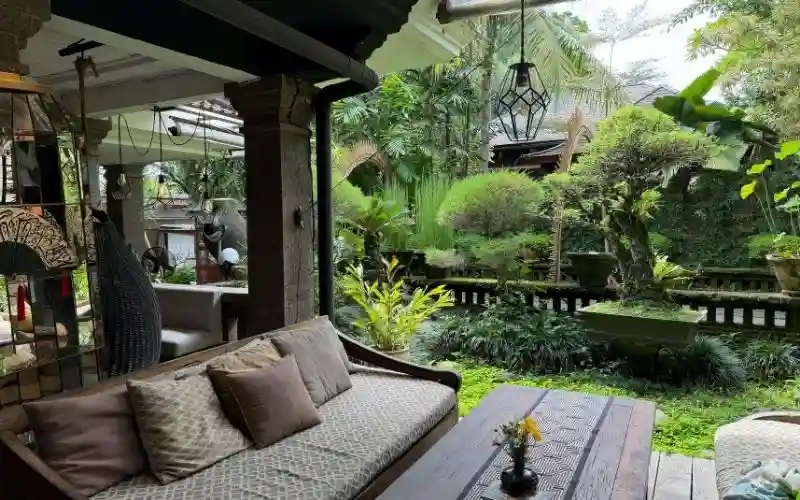
If you have just moved into your new home in Jakarta, you may enjoy creating a beautiful tropical garden as plants can be found at very reasonable prices in many roadside plant nursery stalls. Some of the better selections can be found along Jl. Asia Africa or just behind Hotel Dharmawangsa, which has traditionally been known for a good selection of orchids. Along Jl. Panjang in the Simprug area, you can also find a good selection of outdoor pots.
Today, in addition to roadside nurseries, many expats also source plants through online marketplaces such as Tokopedia, Shopee, and Instagram-based plant sellers, which offer delivery directly to your home.
The tropical climate and heavy rainfall is conducive to rapid growth of plants, so you can quickly create a lush green environment around your home, or indulge a love of tropical plants. Below are a few hints on maintaining plants and gardens in your new home in Indonesia.
Types of Grass Used for Indonesian Lawns
Two varieties of lawn can be found in Jakarta:
The soft, fine green lawns are imported fine leaf compact grasses (rumput Peking), which must be kept closely and regularly mown at carpet pile height. High humidity and water logged surfaces encourages algae growth in these lawns. High maintenance is needed and care is more difficult. This type of grass requires direct sunlight to do well.
Local carpet grass, which has a rather coarse texture (rumput gajah or rumput Bogor), is hard wearing and usually thrives in moist soils. Regular mowing keeps the grass dense and keeps out other grasses. Keeping the ground moist will prevent pathways occurring in the high traffic areas. It requires low maintenance, if kept in good condition. Three-monthly doses of NPK fertilizer will help keep these lawns verdant. This type of grass does better in sunny areas.
Additional garden hints:
If your house and garden are brand new and there are no big trees, large trees are available to transplant to a new garden. Within a year you can create a shady area. Plumeria, Delonix regia, Erythrina indica are just a few. Normally, it is necessary to brace the trunks of newly planted trees until well rooted. If not, the high water content in the soil makes newly planted trees prone to falling over in high winds during thunderstorms.
If you have a shady tree in your garden under which the grass doesn’t grow, you can either trim the tree back by 30% to allow increased sunshine. Or you could plant a small area of plants that do not require direct sunlight. A paved or stone-covered area under the tree might also be an idea.
Rainforest groupings, Calathea, Maranta, Nephrolepis, Philodendrons, Asplenium are most suitable plants for a small tropical garden that does not get much sunlight.
In order to create some color in a garden of leafy green plants, you should choose local plant family groups, which provide the best chance of flowering in Jakarta. Harsh environmental conditions, such as intense sunlight or rain, limit non-native plants’ ability to thrive and produce blooms. A well-planned garden with a variety of flowers and a variety of green shades of leaves can increase native bird and butterfly populations, even in the big cities of Jakarta and Surabaya.
As most tropical plants drop leaves throughout the year, palm species are the most suitable variety for planting around a swimming pool to provide greenery but not drop leaves into the water.

Some unscrupulous plant vendors sell plants in pots that actually have no roots. These plants will end up dying within a very short period of time. Some gardeners that are hired to landscape have also been known to plant shrubs or small trees in the tin or plastic container that they were growing in at the time of planting. This affects the health of the plant and restricts the future growth of the plant. If you have a plant that seems to be unhealthy, the problem might be below the soil out of sight. Establish a good relationship with one or two suppliers or landscapers in order to avoid this problem.
Hiring Gardeners and Maintenance Help in Indonesia
It is very common in Indonesia for households to employ a gardener (tukang kebun) on either a full-time or part-time basis. Many expat households include basic garden maintenance as part of their household staffing.
Costs can vary depending on the size of the garden and frequency of visits, but part-time gardeners are generally affordable compared to Western countries. A good gardener will not only maintain the lawn and plants but can also advise on suitable local species and seasonal planting.
If you have a young child who likes to put everything in his or her mouth, you need to be wary of plants that have poisonous leaves. Keep toddlers away from plants unknown to you. Some poisonous plants commonly found in Jakarta gardens include Plumeria or frangipani (Kamboja), Oleander (Kembang Mentega), Dieffenbachia or dumb cane (Pohon Bahagia), Caladium (Keladi), and other less common varieties.
Not very many tropical plants grow well indoors. If you will be turning your air conditioner on and off, plants do not do well with fluctuating temperatures. Some people will have 2 sets of plants that they rotate in and out of the house, allowing them a period outdoors to get healthy again through natural conditions. While traditionally indoor growing has been more challenging in Indonesia’s climate, many expats today successfully maintain indoor plants by selecting hardy varieties and placing them in well-lit, ventilated spaces.
If you are living in an apartment, you may like to have some potted plants inside or on your balcony. Plants that are suitable to grow in pots include small palms, ferns, philodendrons, croton (Codiaeum), dieffenbachia, and orchids.
The orchids that you can buy in Jakarta are beautiful and quite inexpensive compared to overseas prices. You can get them to keep flowering by giving them plant food regularly. Keep them in a good airy spot and use appropriate growing media such as charcoal, bark, or commercially available orchid mix.
Frequently Asked Questions: Gardening in Indonesia
Can I hire a gardener in Indonesia?
Yes, it is very common for households in Indonesia to hire part-time or full-time gardeners. They are generally affordable and experienced in maintaining tropical gardens.
What plants grow best in Indonesia’s climate?
Tropical plants such as palms, philodendrons, orchids, calatheas, and local flowering species thrive in Indonesia’s hot and humid climate.
Is it expensive to maintain a garden in Jakarta?
Compared to many Western countries, garden maintenance is relatively affordable, especially if you hire local help. Costs will depend on the size of the garden and level of care required.
Where can I buy plants in Jakarta?
Plants can be purchased from roadside nurseries, specialty plant areas, and increasingly through online platforms such as Tokopedia, Shopee, and Instagram sellers.