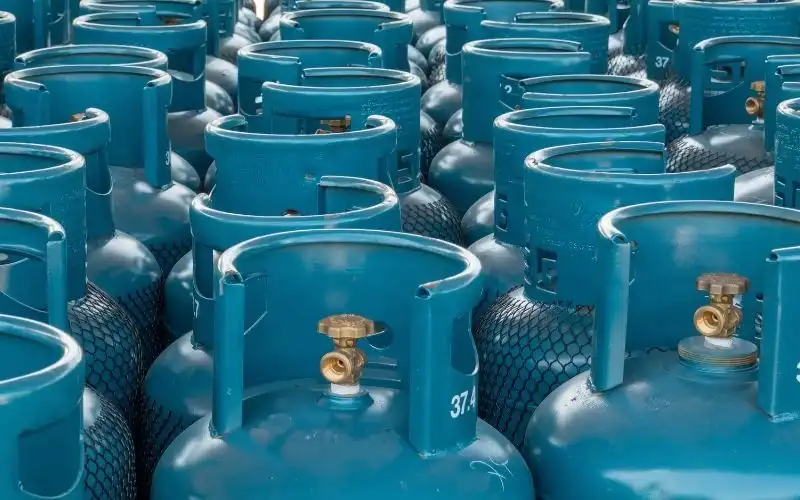
In Indonesia, many major household appliances run on LPG.
LPG (elpiji) is sold in tanks (tanki) from open-bed trucks which drive through neighborhoods most mornings. The drivers of the trucks call out “Gas, gas, gas”. While this traditional delivery method still exists in many residential areas, especially in housing complexes, most households today also order LPG through local agents via phone or WhatsApp, or through nearby shops that offer delivery services.
You could also develop a relationship with a shop that sells LPG near your home, whereby you can call them up to deliver a full tank to your home. It is convenient to have an extra tank, so that if you run out of LPG, you have a backup to use until you can purchase another tank. Too often you seem to run out of gas right in the middle of preparing an evening meal or cooking your kids their favorite cookies!
Today, most LPG is distributed through a tank exchange system, where you return your empty tank and receive a full one. This is the standard practice across Indonesia and helps ensure safety and proper refilling through authorized channels.
The tanks are refilled at Pertamina facilities and redistributed through authorized agents and shops. Before accepting the full tank, be sure that the seal on the top is in place. There should also be a small black rubber washer inside the opening at the top of the tank. You might want to keep an extra washer at home, as occasionally a bottle will be delivered without it. You will not be able to connect correctly or safely without it.
Smaller LPG tanks are used primarily for stoves and ovens. In Indonesia, LPG is available in several common sizes. The 3 kg green canister is government-subsidized and intended for lower-income households. The 5.5 kg and 12 kg tanks are non-subsidized and are commonly used by expats and middle to upper-income households. Larger commercial sizes are also available for businesses.
The cost to refill the tank will be written on the receipt. Prices vary depending on location and market conditions. As a general guide, a 12 kg non-subsidized LPG tank typically ranges between Rp 180,000 to Rp 250,000, but you should always confirm current pricing locally.
Some of the trucks that deliver to neighborhoods may sell you a less-than-full tank. If you’re at all concerned about that, weigh the tank on your bathroom scale before accepting delivery. This is less common when dealing with established agents or shops, but it is still good practice to use trusted suppliers.

One concern when using LPG is the possibility of explosion due to leakage. Be certain that your household staff recognize the smell of leaking gas and do not use a tank that leaks. Inspect the connecting hoses often to be sure they are not cracked or leaking.
Modern installations typically use a regulator and hose system that should be checked regularly. If you notice a strong gas smell, turn off the regulator immediately, ventilate the area, and avoid using any electrical switches. Many households also choose to replace hoses and regulators periodically as a safety precaution.
In apartments and serviced residences, LPG may not be used directly, as many buildings rely on centralized gas systems or electric appliances. It is worth confirming this with your landlord or building management when moving in.
Frequently Asked Questions About LPG in Indonesia
Is LPG safe to use in Indonesia?
Yes, LPG is widely used and generally safe when proper precautions are followed. Most safety concerns come from faulty hoses, regulators, or improper installation rather than the gas itself.
Can expats use subsidized 3 kg LPG tanks?
The 3 kg green LPG tanks are subsidized by the government and intended for lower-income Indonesian households. Expats are expected to use non-subsidized options such as 5.5 kg or 12 kg tanks.
How do I order LPG in Indonesia?
Most people order LPG through a local shop or agent, often via phone or WhatsApp. In some areas, delivery apps and services are also available.
What should I do if I smell gas?
Turn off the regulator immediately, open windows and doors for ventilation, and avoid turning on lights or electrical appliances. Contact your gas supplier if needed.
Do I need to own the gas tank?
Yes, you typically purchase the initial tank as part of a deposit system, and after that you exchange empty tanks for full ones.