

In many developed countries, only the very wealthy can afford the luxury of a full-time chauffeur. In Indonesia, however, it is quite common for middle- and upper-income households—especially expats—to employ a full-time driver.
Indonesia’s major cities, particularly Jakarta, are known for heavy congestion, unpredictable traffic flow, narrow streets, flooding, and ongoing construction. Driving can be stressful, time-consuming, and, at times, unsafe for newcomers. For this reason, many expats choose to hire a driver in Indonesia. So, they can travel more comfortably and arrive at their destination with less stress.
Hiring a Driver in Indonesia
If a newly arrived expat is not assigned a driver by their company, they will need to source one independently. While having a driver in Indonesia is a convenience, it is also a serious responsibility—you are entrusting your safety, your family, and your vehicle to another person.
Drivers can be sourced through company HR departments, driver or household staffing agencies, recommendations from other expats, community boards, or referrals from departing families. Many expats prefer hiring through trusted recommendations, as this reduces risk and provides insight into the driver’s past performance.
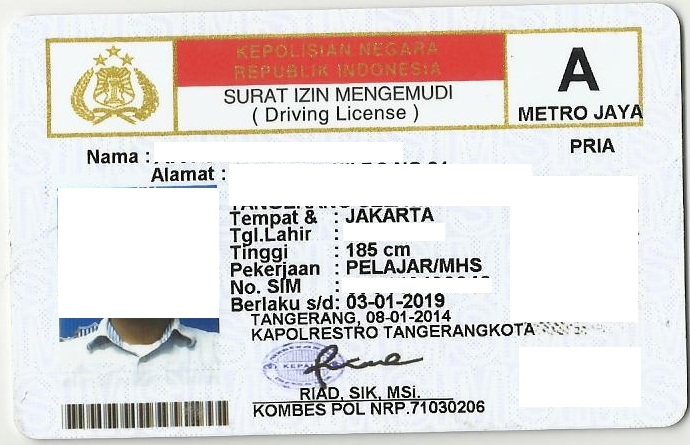
Even with a recommendation, always verify identity carefully. Ask for a valid driver’s license (SIM A), KTP (Indonesian ID card), and Kartu Keluarga (family card). Keep copies of these documents for your records. It is also advisable to confirm the driver’s residence and ensure you have reliable contact details.
Key Considerations Before Hiring
Location and Availability
Consider how far the driver lives from your home. If you require early morning starts (school runs, office commute), distance can affect punctuality. Some drivers may request transport allowance (uang transport) to cover commuting costs.
Trial Period
It is standard practice to offer a 3–7 day trial period. This allows you to evaluate punctuality, driving style, reliability, and overall attitude.
Driving Experience
Ask the driver what kinds of vehicles he has previously driven and whether he has experience with the type of vehicle that you own. Not all drivers have experience driving automatic vehicles, although this is becoming more common. If you have an automatic car, this should be mentioned during the interview.
Question the driver about who he has driven for before. A person that has only been an office driver may not automatically be suited to being a personal driver. Office drivers are often focused on efficiency and speed, sometimes at the expense of passenger comfort or careful handling of the vehicle. A personal driver, on the other hand, must prioritize safety, smooth driving, and passenger well-being.
You should also ask the driver why he left his last job or why he is looking to change jobs. Sometimes the reason is simple and reasonable, such as the previous employer relocating or no longer requiring a driver. However, the answer can also reveal potential concerns, such as conflicts with employers, punctuality issues, or problems with trust. Listen carefully to the explanation and, where possible, confirm the information through references from previous employers or a reliable recommendation source.
Ask the driver what areas of the city he is most familiar with. If he will be responsible for taking you to various locations, his knowledge of the city is important. While most drivers now use navigation apps such as Google Maps or Waze, these do not always account for narrow streets, flooding, or temporary road closures. A good driver should be able to adapt routes when necessary.
A 15–20 minute test drive is highly recommended. This will allow you to evaluate his driving style, including braking, lane changes, awareness of surroundings, and overall safety. Even if the driver is nervous, you will still gain a useful impression of whether you feel comfortable and safe.
Driver’s License Requirements
Ensure the driver holds a valid SIM A license for private vehicles. Licenses are generally valid for five years. Renewal costs are relatively low, though the process may now include biometric verification.
Typically, it is considered the responsibility of the driver to maintain a valid license, including handling the renewal process and covering the associated costs. However, some employers may choose to assist with or reimburse these costs as part of the overall employment package. It is best to clarify this expectation at the time of hiring to avoid misunderstandings.
Salary and Working Conditions (2026)
Driver salaries vary depending on experience, English ability, and city. In Jakarta, salaries typically range from IDR 4.5 to 7 million per month, with lower ranges in other cities.
Additional costs may include overtime, meals or allowances, THR (religious holiday bonus), and increasingly BPJS contributions. Working hours should be clearly agreed upon in advance, particularly if evening or weekend work is expected.
There are also formal regulations in Indonesia governing wages and overtime, which fall under national labor law (Undang-Undang Ketenagakerjaan / Manpower Law) and its implementing regulations. These rules outline maximum working hours, overtime limits, and how overtime pay should be calculated. For official and updated guidance, expats can refer to the Indonesian Ministry of Manpower website: https://kemnaker.go.id
In practice, however, most personal drivers expect long and flexible working hours as part of the job, especially when working for expat families. It is common for drivers to wait during meetings, school activities, or social events, and then drive the employer home.
If the working day extends beyond normal hours—such as attending an evening function or late meeting—this time should be compensated according to the agreed salary and overtime arrangement. In addition, it is customary (though not mandatory) for employers to provide a small tip (uang lembur tambahan or uang rokok) as a gesture of appreciation for the extended hours.
If the driver is employed through your company, it is common practice that the driver is required to maintain a daily or weekly timesheet of working hours. As the user of the driver, you will typically be asked to review and sign off on this record. It is important to ensure that the hours are recorded accurately, as this documentation is often used by the company to calculate overtime and total compensation.
Clear communication about expectations, overtime, and compensation will help maintain a good long-term working relationship.
Responsibilities of a Driver in Indonesia
The responsibilities of a Driver in Indonesia can vary depending on the household or employer, but they usually go beyond simply driving. A driver is often expected to help maintain the vehicle by checking fuel, tire pressure, oil, water, and other basic fluids. They may also manage toll payments using e-money cards or QRIS where applicable.
Keeping the car clean is also a common responsibility. Many drivers wash the vehicle daily and take pride in making sure it remains presentable for the family or employer.
The most important responsibility, however, is passenger safety. A good Driver in Indonesia should drive carefully, follow traffic rules, stay alert, and prioritize comfort over speed. Unsafe habits such as sudden braking, aggressive lane changes, or using a phone while driving should be addressed immediately and clearly.
Drivers may also become a useful source of local knowledge. They often understand traffic patterns, shortcut routes, neighborhood conditions, flooding risks, and general safety considerations. For many expat families, a reliable driver can make daily life in Indonesia significantly easier and more comfortable.
Advantages of Having a Driver
Having a driver reduces stress, allows for productivity during travel, and provides convenience with errands and daily logistics. One of the key benefits is that it allows you to focus on work while in transit, whether that means taking phone calls, responding to messages, or preparing for meetings on the way to or from the office.
A driver also provides flexibility for family logistics. The car can be used by a supporting spouse during the day, while the driver can assist with school drop-offs and pick-ups, as well as transporting children to after-school activities or sports.
Drivers can also take care of many personal or business errands for you. These can include picking up or dropping off items, delivering documents, shopping, or handling small day-to-day tasks that would otherwise take up your time.
Parking in major cities such as Jakarta can be a significant challenge. By using a driver, you can be dropped off directly at your destination and picked up when ready, eliminating the need to search for parking and saving both time and frustration.
Drivers also offer valuable local knowledge and can assist families with navigating daily life more efficiently. Over time, many drivers become trusted and reliable members of the household.
Disadvantages and Risks
While having a Driver in Indonesia can make daily life much easier, there are also a few risks and practical considerations to keep in mind. These may include inflated expenses, misuse of working time, or minor dishonesty. Using cashless systems such as e-toll cards, QRIS payments, and digital receipts can help reduce misunderstandings and make expenses easier to track.

Privacy is another factor that many expats overlook. Having a driver means you are rarely alone in the car, which can limit private conversations or quiet personal time during commutes.
Space can also be an issue. If you use a sedan, the presence of a driver effectively removes one passenger seat, which may feel limiting for families. This is why many expat families prefer using an SUV or larger vehicle.
You are also trusting your Driver in Indonesia with the keys to a valuable asset. While most drivers are reliable, some may use the car for personal purposes if expectations are not clearly set, especially when the family is away.
For this reason, discuss vehicle usage rules during the hiring process. Clarify working hours, personal use, fuel expenses, parking, tolls, and whether the car may be used outside official duties. If children will be driven without parents, some families may also choose to have another adult accompany them for extra peace of mind.
What Can Go Wrong
Although uncommon, serious risks include theft of the vehicle, unauthorized use during your absence, or repeated minor accidents. These risks can be minimized through proper screening, clear rules, and ongoing supervision.
Accidents and Liability
In Indonesia, accident handling can differ significantly from Western practices. Drivers are often expected to manage the situation directly, and expats are generally advised to avoid confrontation and allow the driver or company representatives to handle disputes.
Because vehicle insurance is not mandatory in Indonesia, many vehicles on the road are uninsured. As a result, minor accidents are often not formally recorded, and it is quite common for parties to settle the matter on the spot by paying for the damage rather than involving the police.
If one or both vehicles are insured, a claim may be submitted. In many cases, a police report (surat laporan polisi) is required to process the insurance claim, particularly for larger incidents. However, requirements can vary by insurer, so it is important to check your policy details in advance.
In situations where one party does not have insurance, it is not uncommon for the expectation to fall on the person who appears most financially able to pay, rather than strictly determining fault. This can place expats at a disadvantage if they engage directly in the situation.
For this reason, you should clearly brief your driver that under no circumstances should he provide your home address or personal contact details at the scene of an accident. He should also understand that if the situation cannot be resolved quickly, the matter should be referred to your company’s HR department or appropriate representative to handle.
If a large crowd begins to gather around the accident site and you feel uncomfortable or concerned for your safety, it may be advisable to leave the scene by taxi and allow the driver to manage the situation. This approach is commonly recommended in Indonesia to avoid escalation.
Before any incident occurs, ensure that your insurance policy covers your driver and that both you and your driver clearly understand the procedures to follow in the event of an accident.
Out-of-Town Travel
If traveling out of town, you should provide additional compensation, accommodation, and meals for the driver. These arrangements should be agreed upon in advance.
If the trip is too far for the driver to reasonably return to his city of residence at the end of the day, it is expected that you will provide overnight accommodation. This accommodation does not need to be at the same hotel you are staying in; in most destinations there are more affordable hotels or driver lodgings nearby that are commonly used for this purpose.
You will also be expected to provide meal money (uang makan) for the duration of the trip, as well as cover any additional expenses incurred while the driver is outside of his normal working area. In many cases, the driver’s daily rate or allowance may increase during out-of-town assignments to reflect the longer hours and time away from home.
It is important that all of these costs—including accommodation, meals, allowances, and any adjusted daily rate—are clearly discussed and agreed upon before departure to avoid misunderstandings.
In some situations, expats choose to travel to their destination by plane or train, while asking the driver to drive the car separately to the destination. The driver then meets them at the location, allowing the family to have both their own vehicle and a trusted driver available during their stay. This can be a convenient option, particularly for longer stays or destinations where transportation may be limited.
Driver in Indonesia vs Ride-Hailing Apps: The 2026 Reality
Many expats now use a hybrid approach, combining a personal Driver in Indonesia with ride-hailing apps such as Grab or Gojek. The best option depends on your lifestyle, daily routine, and family needs.
If you only travel between home and the office, ride-hailing apps may be enough and can be more cost-effective. This is especially true for single expats or individuals who prefer using taxis or motorcycle services to move through traffic quickly.
However, if you have a family, children, school runs, after-school activities, or multiple daily errands, hiring a full-time Driver in Indonesia is often much more practical. A driver gives your household flexibility throughout the day and allows different family members to use the car when needed.
Convenience is another major factor. If you are visiting several places in one day, such as shops, restaurants, meetings, or appointments, having your own car means you can leave belongings safely inside rather than carrying everything with you.
Weather also matters. During rainy season, relying on ride-hailing services, especially motorcycles, can be uncomfortable and less reliable. A personal driver allows you to travel more comfortably regardless of weather or traffic conditions.
In the end, ride-hailing apps are useful for lighter, flexible travel, while a full-time Driver in Indonesia offers more consistency, comfort, and support for families or busier daily routines.
Drivers Are Not Indispensable
Even if you hire a Driver in Indonesia, it is still advisable to have a valid driver’s license or international driving permit in case of emergencies. If you are staying long-term, you may need to obtain a local Indonesian driver’s license, known as SIM A, since international permits are usually only valid for a limited period.
Many expats also choose to get a local license for practical reasons. Having a driver is convenient, but there may be times when they are off duty, especially on weekends or outside agreed working hours. In these situations, being able to drive yourself gives you more independence.
Your car will usually remain at home when your driver is not working. Without your own license, the vehicle may sit unused even when you need to run errands, take your family out, or handle something urgent.
Having your own license gives you flexibility, peace of mind, and a backup option while still enjoying the daily convenience of having a Driver in Indonesia.
Appreciating the Service of a Driver in Indonesia
Most expats find that having a Driver in Indonesia can significantly improve their daily quality of life. A reliable driver often becomes more than just someone who takes you from one place to another. Over time, they can become a trusted part of your household routine.
For many expatriates, having a driver is also one of the practical benefits of living in Indonesia. Driving in major cities can be stressful due to heavy traffic, unpredictable road conditions, motorbikes, narrow streets, and sudden route changes.
With a Driver in Indonesia, you can use travel time more productively or simply relax between appointments. You may take calls, reply to messages, prepare for meetings, or unwind after a long day.
Most importantly, a good driver helps you arrive safely, calmly, and with less stress. In Indonesia’s busy traffic environment, that peace of mind is often one of the biggest advantages.