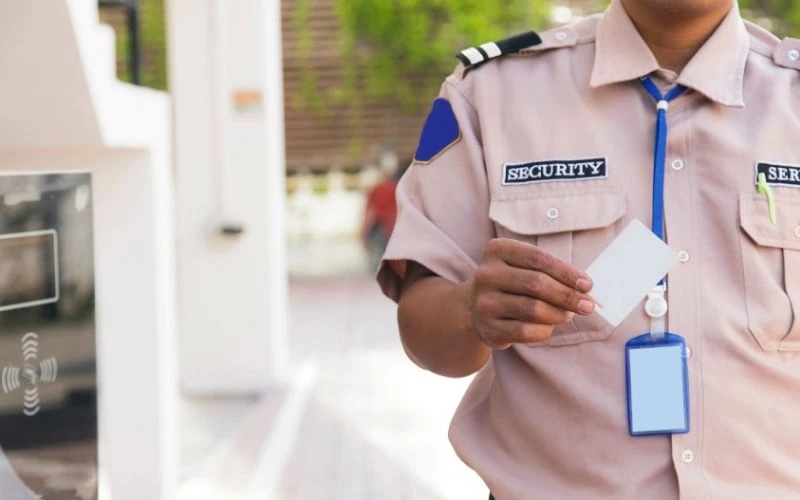


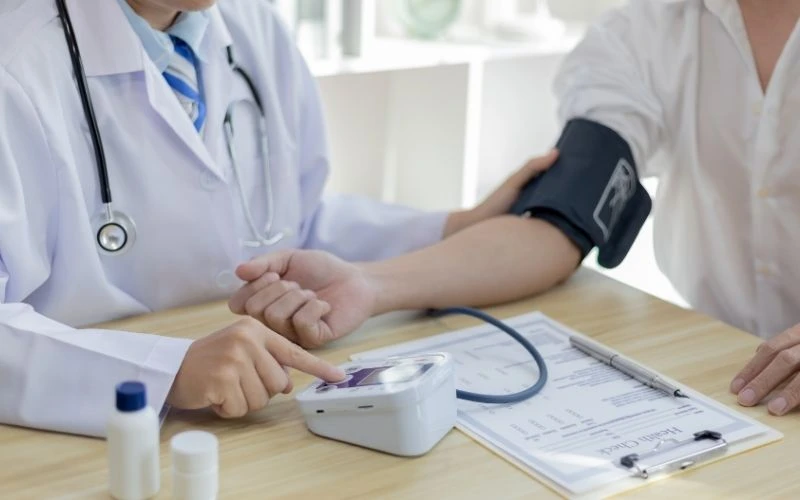
When you hire household or driving staff, you might consider having them undergo a medical screening prior to the start of their employment. Because household staff often work in close proximity to family members, particularly children or elderly relatives, some expat families feel more comfortable having a general understanding of their employee’s health at the outset.
It is important to note that practices vary widely. Many Indonesian employers do not routinely request medical testing unless an employee is showing clear symptoms of illness. For expats, the decision to request a screening is often based on personal comfort levels rather than local norms.
A prospective employee may have had a medical check-up with a previous employer, but if the employee has lived in rural Indonesia for some time or has been home to visit, it may be worth considering whether a more recent check-up would provide reassurance.
Certain conditions such as tuberculosis and hepatitis are sometimes included in screening considerations, as tuberculosis remains present in Indonesia, although it is treatable with proper medical care. Tuberculosis, for example, can be effectively treated with a supervised course of medication. Early detection and proper follow-through with treatment are important for recovery and to prevent transmission.
Screening tests can be carried out by qualified medical professionals. To ensure confidence in the results, it is advisable to use a reputable clinic or hospital with established standards. Many international-standard clinics in major cities such as Jakarta, Surabaya, and Bali offer general health screening packages for domestic staff members. It may cost a bit more, but the confidence of accurate results will be worth it.
If you request that a medical test be conducted, it will generally be assumed that the employer will cover the cost of the screening.
If you decide to proceed with a medical screening, the type of tests requested often depends on the role the employee will perform in your household.
For general household staff, including cleaners or nannies, some families consider a basic set of screening tests. A chest x-ray is commonly used to screen for tuberculosis. Blood tests are also often included as part of a general health overview. Hemoglobin levels are checked to identify anemia or general nutritional status, which can affect energy levels and overall health. A white blood cell count can indicate whether there is an active infection or underlying immune response. Differential counts provide further detail on the type of white blood cells present, which may help identify bacterial or viral infections.
Liver function indicators such as SGOT and SGPT are sometimes included to assess liver health, which can be affected by infections, medications, or other conditions. Hepatitis screening, such as HbsAg, is used to detect certain forms of hepatitis that may be transmissible. Routine urine and stool tests can provide additional information about general health, including possible infections or digestive issues.
These tests are typically intended to provide a general overview of health rather than to exclude candidates, and should always be approached with sensitivity.

For household staff involved in food preparation, some employers may place additional emphasis on general hygiene and health checks, particularly those related to communicable illnesses.
It is also recommended that a prospective driver undergo an eye examination to ensure that his vision is good. Ensuring good vision is particularly important for drivers, as it directly impacts safety. Some individuals may see well during the day but have difficulty with night vision, which is important to assess given driving conditions in many Indonesian cities. In some cases, a simple eye test and, if needed, corrective glasses can make a significant difference.
It is advisable to clarify in advance how test results will be shared, ensuring that both employer and employee are comfortable with the process and that appropriate consent is obtained.
We trust this information will assist you in making informed decisions regarding your household arrangements. However, it is not intended to be a substitute for personalized advice from a qualified medical professional.
Our thanks to International SOS for their generous contribution of this article!
Frequently Asked Questions
Is it common to request medical tests for household staff in Indonesia?
No, it is not standard practice among most Indonesian employers. Medical testing is usually only requested if an employee shows symptoms of illness. Some expat families, however, choose to conduct basic screenings for their own peace of mind.
What medical tests are typically considered for domestic staff?
Basic screenings may include chest x-rays, blood tests, and general health checks. The specific tests often depend on the employee’s role, such as cooking, childcare, or driving.
Where can I arrange a medical check for staff in Jakarta?
Reputable international clinics and hospitals in Jakarta and other major cities offer general health screening services.
Do I need the employee’s consent for medical testing?
Yes. Medical testing should always be conducted with the full knowledge and consent of the employee, respecting their privacy and dignity.
Who pays for the medical test?
In most cases, if the employer requests the test, it is expected that the employer will cover the cost.