

Editor’s Note:
This article was originally written by Aida Greenbury and first published in The Jakarta Post. It reflects the author’s personal dining experience and observations during the early years of Oishi Restaurant in Kemang. As Jakarta’s restaurant scene changes rapidly, some operational details, menu items, pricing, and management information may no longer be current. The article is preserved as a historical food review and a glimpse into Jakarta’s evolving culinary landscape.
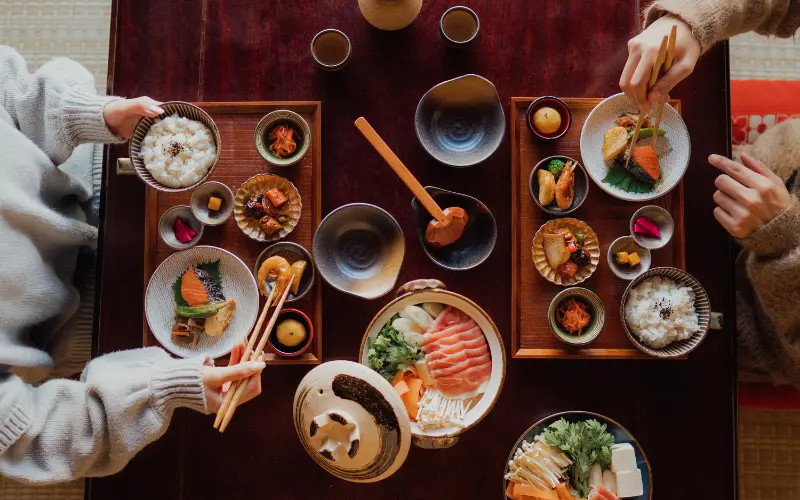
A blast from the past, when I was quite ‘inexperienced’ with exotic food, let alone labelled as a food critic. Sitting in a restaurant near Kyoto, Japan, I watched the nicely arranged lunch set in a beautifully painted wooden tray in front of me. Hitoshi, a good Japanese friend of mine, insisted that I try the traditional cuisine of his hometown.
“Please, taste the appetiser. Let me know what you think,” said Hitoshi.
I looked at what appeared to be tiny clear orange marbles—later on I learned it was salmon roe—surrounding flakes of raw white fish in the centre of the plate. I took a bite using my awkwardly positioned chopsticks.
Without thinking I turned around, trying to attract attention from a waiter by snapping my fingers and yelled: “Gaston!”
Hitoshi looked frantic. His face was ashen when I told him that the food was tasteless and I needed to ask the waiter for extra seasonings.
“No, please—you’ll humiliate the chef by doing that,” he said. I stared back at him, puzzled, then the story about hara-kiri struck my brain.
Despite that experience, and the rather complicated Japanese dining etiquette with their hierarchical seating arrangement and frustrating eating utensils, I honestly became more intrigued to explore further. Maybe it’s because of the freshness of their ingredients—so fresh it’s often raw!—the balanced meals and the fact that the average Japanese person lives longer than most other nationalities. It must have something to do with their food, right?
That’s why I was pleased when a Japanese restaurant, Oishi, had the guts to open in the ‘bule’ neighbourhood of Kemang more than a year ago. Their menu stood out amongst the usual pasta, nachos and burgers being offered by most eating establishments in the area.
The Osaka-style Japanese restaurant was strategically located on Kemang Raya, just opposite Kem Chicks. Access could be difficult, especially during peak traffic hours.
At the entrance, the resin replica dishes on display immediately caught my attention. My mind rushed back to the dark Tokyo alleys full of similar front-window displays.
Inside, however, the atmosphere created a completely different world. The restaurant consisted of two levels, private dining rooms, tatami-style seating areas, a sushi and teppanyaki bar, and even a narrow channel of flowing water where sushi plates floated toward waiting diners.
Bright koi fish inhabited the glass-covered channel surrounding the bar. Staff dressed in Japanese-inspired uniforms greeted guests enthusiastically and provided attentive service.

According to the restaurant manager at the time, Oishi had attracted a growing mix of Japanese, Indonesian and expatriate customers since opening in July 2000.
Being a fish lover, my first choice was the Gindara Teriyaki Set. The fish was succulent and flaky fresh. The richness and sweetness of the teriyaki sauce balanced perfectly with the freshness of the salad and traditional accompaniments. Beef, chicken and salmon teriyaki were also available, and all were reliable choices.
Teppanyaki dishes were served with rice, salad, miso soup and dessert. Watching traditional Japanese cooking performed on a large iron grill while inhaling the fragrant steam doubled the enjoyment of the meal. The seafood and meats were excellent, although some of the accompanying vegetables occasionally seemed a little dry.
My favourite appetiser from the à la carte menu was Agedashi Dofu (fried Japanese bean curd). Soft bean curd cylinders coated in a light batter were soaked in savoury broth and sprinkled with bonito flakes. The texture practically melted on my tongue.
The Harumaki (spring rolls) were fried to perfection. Tempura was light and crispy, although the batter occasionally overwhelmed the ingredients. Yakitori, grilled chicken skewers basted with sweet tare sauce, was prepared with just the right balance of seasoning.
Out of curiosity, on one visit I ordered Shishamo (grilled smelt fish). It was certainly memorable. The tiny fish arrived whole, complete with roe. While it was an interesting culinary experience, I found myself thinking more about environmental issues than gastronomic pleasure.
The Udon was hearty and satisfying. The noodles were firm and thick, while the broth left a warm, comforting aftertaste. I was less impressed with the Nikinanban Udon (Beef Udon), as the sliced beef included too much fat and trimming for my taste.
Overall, Oishi was a delightful place to visit. It worked equally well for business lunches, family meals, or a leisurely Sunday brunch. The staff were notably welcoming toward children, and the decorative koi-filled water features provided entertainment for younger guests.
The restaurant also offered delivery service—a relatively novel concept at the time for Japanese cuisine in Jakarta. Few things were more enjoyable than having fresh sushi rolls, tobiko, or California rolls delivered directly to your door.
The manager explained that Oishi emphasised freshness above all else. Much of the seafood and meat was imported from Japan and Australia, and the restaurant employed a Japanese chef responsible for maintaining authenticity and quality standards.
Looking back, Oishi represented an important stage in Jakarta’s growing appreciation for Japanese cuisine. Long before Japanese restaurants became commonplace throughout the city, establishments such as Oishi helped introduce many diners to sushi, sashimi, udon, and teppanyaki, contributing to the vibrant culinary landscape Jakarta enjoys today.
By Aida Greenbury
First published in The Jakarta Post.