

Introduction to Traditional Indonesian Games
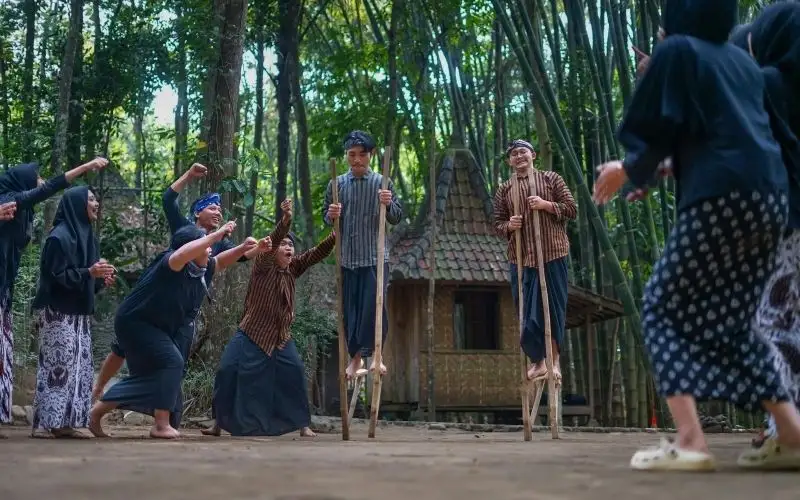
In today’s world of smartphones, tablets, and digital entertainment, it is easy to forget the simple joy of Traditional Indonesian Games that have entertained children for generations. While modern toys and online games are now common, especially in cities, many traditional games are still played in schools, neighborhoods, and villages across Indonesia.
These games are usually simple, affordable, and easy to play with friends. More importantly, they encourage creativity, teamwork, social interaction, and physical movement. For expat families living in Indonesia, learning about Traditional Indonesian Games can offer a meaningful glimpse into local childhood culture. It can also help children connect more naturally with Indonesian friends through play, laughter, and shared experiences.
Kelereng (Marbles)
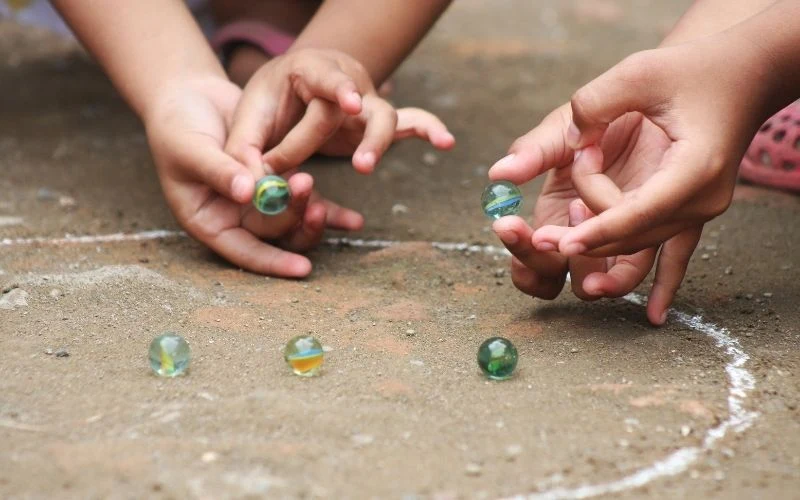
Kelereng, known as marbles in Western countries, is a popular game traditionally played by boys, although girls may also participate. The game involves drawing a circle on the ground and placing marbles inside it. Players take turns using a “striker” marble to knock others out of the circle.
The objective is simple: any marble successfully knocked out of the circle becomes the player’s prize. Skill, accuracy, and strategy are key, and experienced players can dominate multiple rounds. The game is still commonly seen in schoolyards and residential areas.
Gangsing or Gasing (Spinning Top)
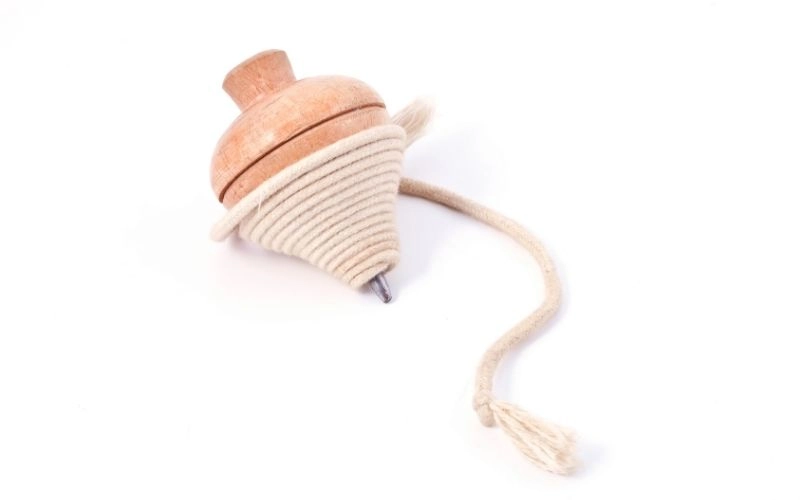
Gangsing (more commonly spelled gasing) is a traditional spinning top made from wood or bamboo. A string is tightly wound around the top and then pulled to set it spinning.
In competitive play, children attempt to knock their opponent’s spinning top out of a designated circle. Some versions of the gasing produce a whistling sound due to small air holes, adding to the excitement.
Today, gasing is both a children’s toy and a cultural item, with competitions still held in parts of Indonesia.
Lompat Tali (Elastic Jump Rope)
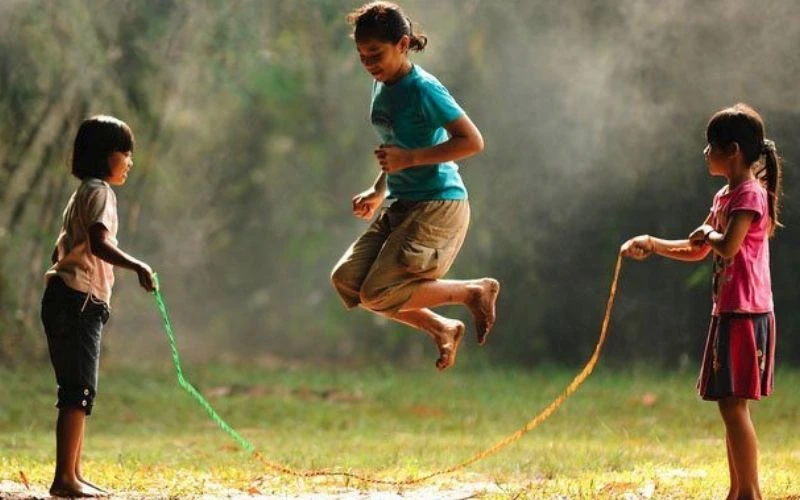
Lompat tali is a favorite playground game, especially among girls. Instead of a rope, children use a long chain of rubber bands tied together to form a loop.
Two players hold the rope while others take turns jumping over it. The height gradually increases—from ankle level to waist, shoulder, and even above the head. The elasticity of the rope makes the game safer than traditional skipping ropes.
This game is still widely played in Indonesian schools and is a great example of how simple materials can create hours of entertainment.
Bekel (Indonesian Jacks)
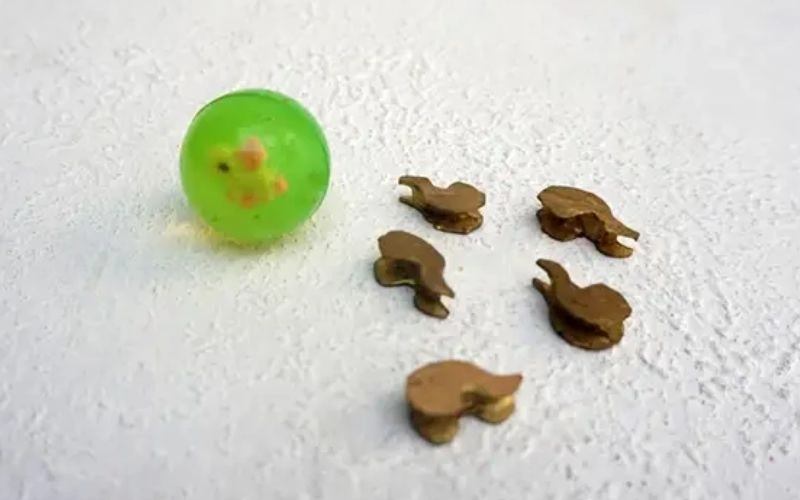
Bekel is similar to the Western game of jacks and is typically played using a small rubber ball and metal pieces called biji bekel.
Players toss the ball, pick up the pieces in specific sequences, and catch the ball before it bounces twice. The game becomes progressively more difficult as players must pick up multiple pieces at once or flip them to specific sides (known as pit and roh).
Bekel requires coordination, concentration, and practice. Its origins are linked to the Dutch game bikkelen, reflecting Indonesia’s colonial history.
Layang-Layang (Kite Flying)
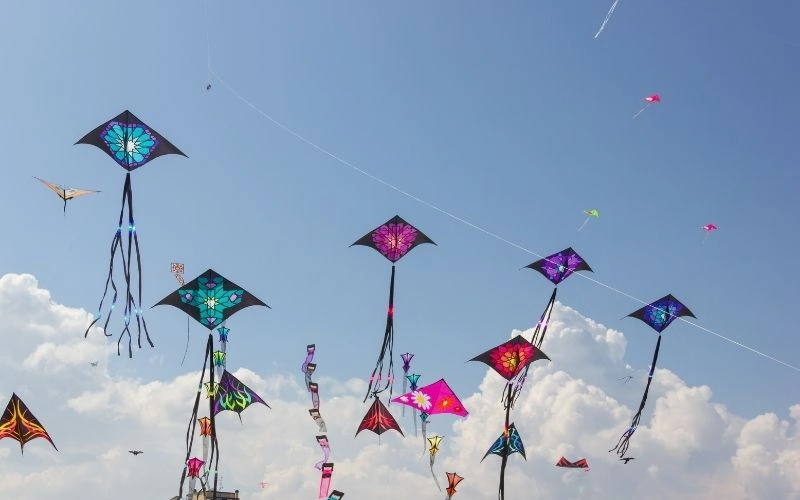
Kite flying is a beloved pastime across Indonesia, with regional variations in design and style. There are two main types of kites:
- Decorative/flying kites with tails for stability
- Fighting kites without tails, used in competitions
In kite fighting, the objective of the game is for one player to cut the string of the opponent’s kite so that it flies free. Players maneuver their kites skillfully, using specially prepared string to gain an advantage.
Traditionally, this string may be coated with fine glass particles to make it sharp. When one kite successfully cuts another loose, it often leads to an exciting chase, as children run after the drifting kite as it descends. The child who reaches the fallen kite first is considered the new owner.
⚠️Safety Note for Expats:Glass-coated strings (known locally as benang gelasan) can be dangerous and may cause injury to hands or even passing motorcyclists. In some cities, their use is restricted or discouraged.
Despite this, kite flying remains a vibrant cultural activity, especially during the dry season.

Kuda Lumping (Woven Bamboo Horses)
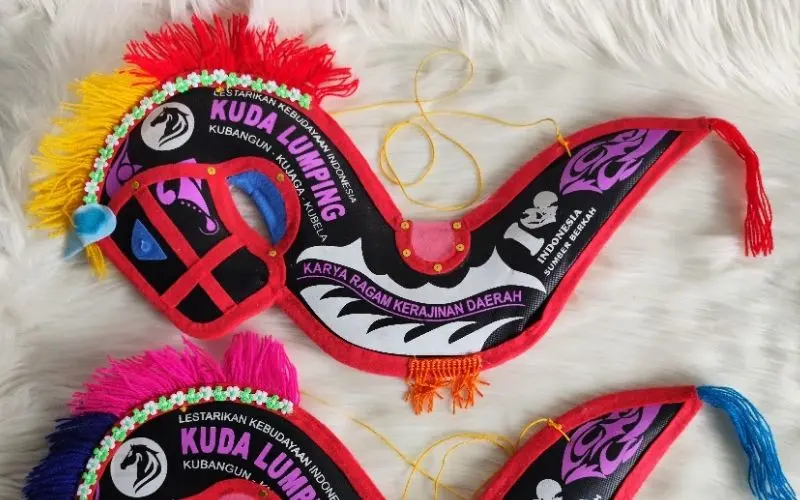
Kuda lumping toys are miniature versions of the woven bamboo horses used in traditional Javanese dance performances. These toys are similar in concept to a hobby horse, but instead of being three-dimensional, they are flat and made from woven bamboo mats.
The shape typically represents the head, neck, and body of a horse, but without any legs. Children hold the kuda lumping between their legs and pretend to ride it, using their imagination to create stories, battles, or processions.
These colorful horses are often decorated with painted patterns, beads, or ribbons, making them visually striking. While the full kuda lumping dance has spiritual and cultural significance in Java, the toy version used by children is purely for play and creative expression.
In addition to being a toy, smaller versions are often purchased as souvenirs or used as decorative items, including on festive displays such as Christmas trees.
Mobil-Mobilan Kulit Jeruk (Pomelo Peel Cars)
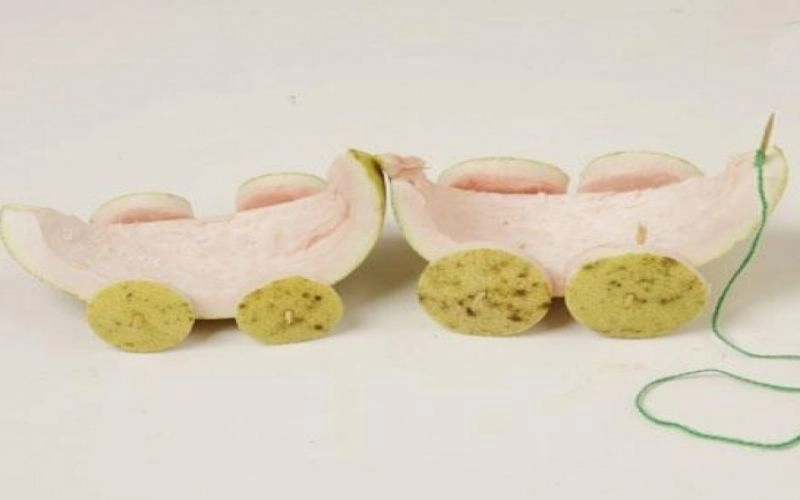
This creative toy is made from the thick peel of a jeruk bali (pomelo). Children craft simple cars using the peel, sticks, and coconut fronds.
The toy can be pushed or pulled, demonstrating the resourcefulness often found in traditional Indonesian play. While less common in urban areas today, it is still remembered fondly by older generations and occasionally seen in rural communities.
Congklak or Dakon (Traditional Board Game)
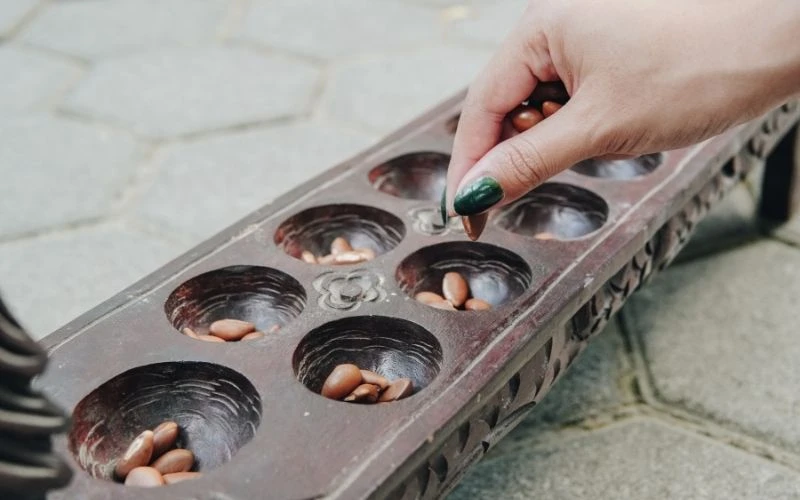
Congklak is one of the most well-known traditional Indonesian games and is part of the global mancala family of games. It is played on a wooden board with small pits and shells or seeds as counters.
Players move the counters strategically around the board, aiming to collect the most in their “home” pit. The game requires planning and patience and is often taught to children at a young age.
Congklak sets are widely available in markets and make excellent cultural gifts.
Traditional Musical Play
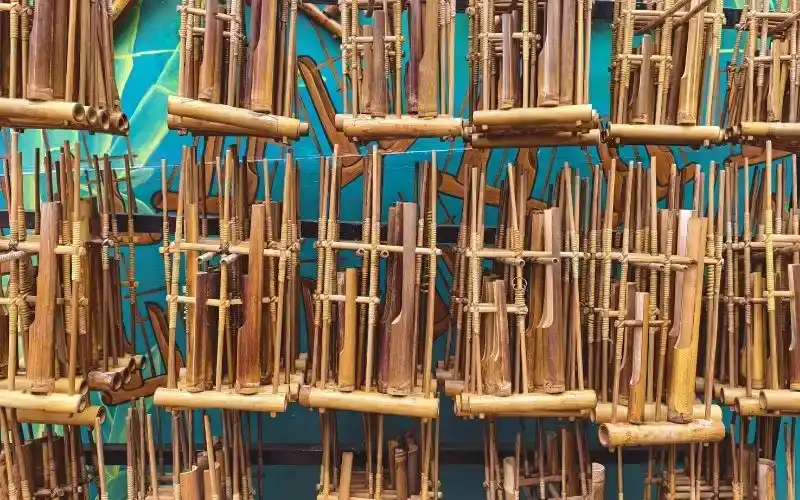
Music is also an important part of childhood in Indonesia. Many children are introduced to traditional instruments such as:
- Suling (bamboo flute)
- Angklung (shaken bamboo instrument from West Java)
- Gambang (xylophone-like instrument)
In schools, children may play angklung in groups, learning coordination and teamwork. Larger ensembles such as gamelan orchestras are also central to Indonesian culture, especially in Java and Bali.
Semut, Orang, Gajah (Indonesian Hand Game)
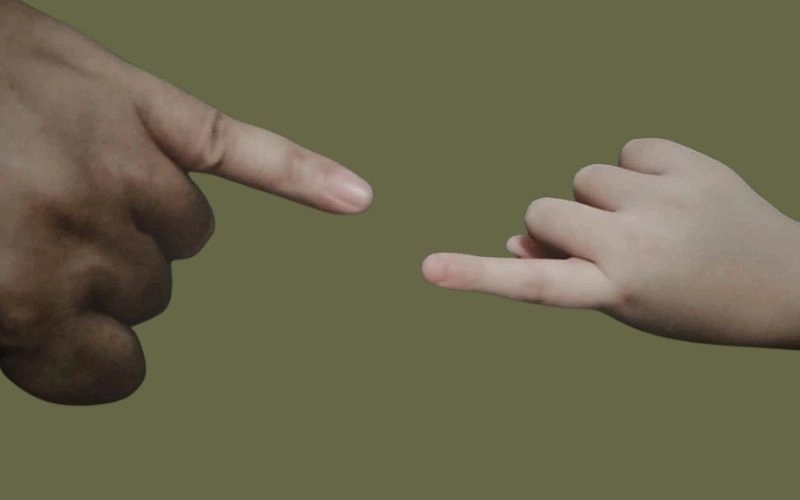
This game is similar to rock-paper-scissors and is known locally as suwitan or pingsut. It is often used to decide who goes first in a game.
The three symbols are:
- Semut (ant) – little finger
- Orang (person) – index finger
- Gajah (elephant) – thumb
The outcomes follow a simple logic:
- Ant beats elephant (it can crawl into the ear)
- Person beats ant (can step on it)
- Elephant beats person (can trample)
This game is widely played by children and even adults in casual situations.
What This Means for Expat Families
Traditional games remain an important part of Indonesian childhood, particularly in local schools and residential neighborhoods. While urban children may also spend time on digital devices, these games are still commonly played during recess, after school, and in less affluent areas.
For expat families, encouraging children to learn and participate in these games can:
- Help them integrate socially
- Build friendships with local children
- Provide insight into Indonesian values such as cooperation and creativity
Many of these games require little to no equipment, making them easy to try at home.